Showing up to a batting cage missing one key item can waste the whole hour — especially at a private cage that doesn't provide balls. Here's the complete what-to-bring checklist, organized by what's essential, what depends on the listing, and the extras that quietly make sessions better.
Always Bring These
Bat: the right size and weight for the hitter, and ideally a backup — a cracked bat mid-session ends things fast. Helmet: for anyone facing a machine or live arm, no exceptions; deflections and misfires don't check ages. Batting gloves: grip and blister protection over a volume of swings. Water: a real session is a workout. These four come with you regardless of where you're hitting.
Check the Listing for These
The make-or-break category. Some private cages provide balls, tees, and screens; many expect you to bring your own. Balls: a bucket of the right type — dimpled machine balls for machine work, regular balls for toss — if the cage doesn't supply them. Tee: if you plan tee work and the listing doesn't include one. L-screen: usually provided, but confirm, because feeding without one is unsafe. Read the listing carefully or message the host; arriving without balls to a bring-your-own cage is the number-one wasted-session mistake. When browsing, the listing details spell out what's included.
The Extras That Make Sessions Better
A few small items punch above their weight. A phone tripod for filming swings — video is the fastest feedback loop in hitting, and our swing-flaw guide is built around reading it. A radar or exit-velo tool if you're tracking progress (see our radar guide). A written session plan so the hour is structured, not random — the practice guide gives you templates. A towel and extra grip tape for sweaty summer sessions.
For Team or Group Sessions
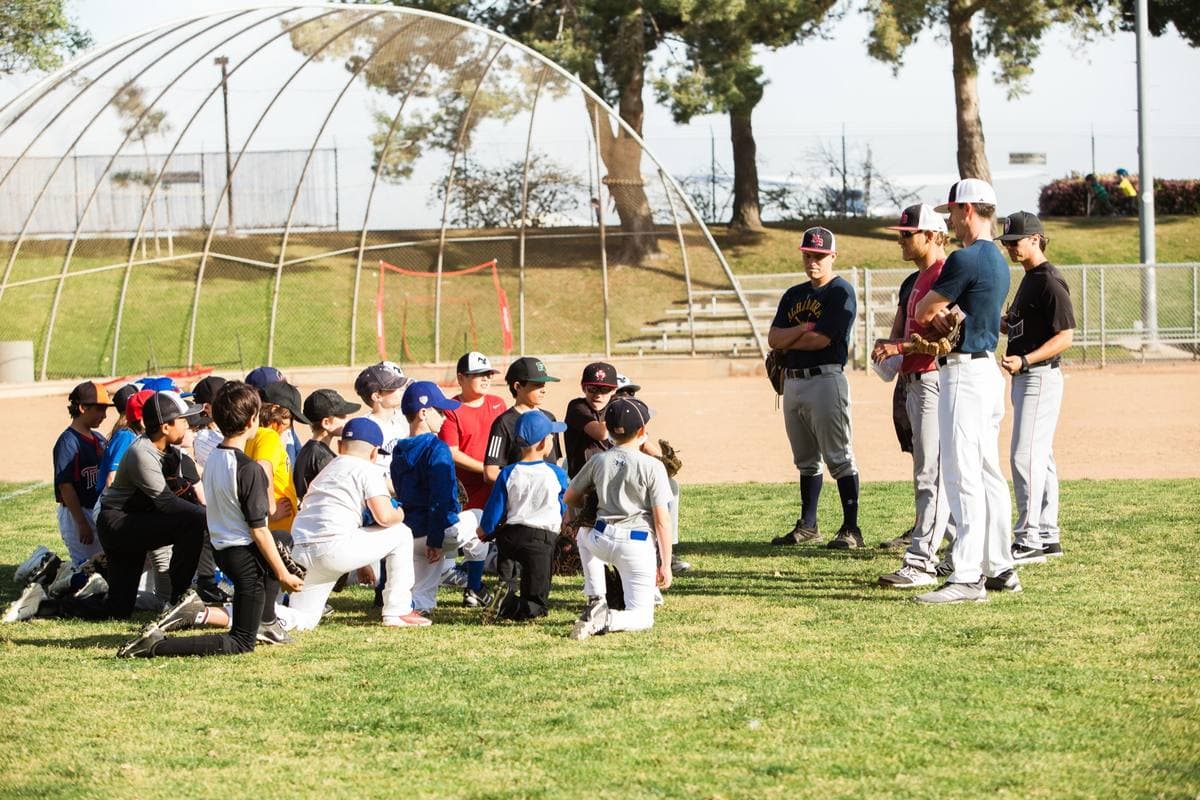
Scale up the balls (multiple buckets), bring several tees and a portable net for stations, and assign gear to specific people so nothing's forgotten. Our team practice guide covers the logistics.
The Night-Before Habit
Pack the bag the night before, not in the driveway. A simple standing checklist — bat, backup bat, helmet, gloves, balls, water, tripod — turns a spontaneous cage booking into a five-minute grab-and-go instead of a scramble that leaves the balls at home. Build the list once and reuse it.
Seasonal and Sport-Specific Additions
A few situational items round out the bag. In cold weather, a thin liner glove under the batting gloves and a warm layer for between rounds keep hands and swings loose. In summer heat — especially in the South — double the water, add electrolytes, and bring a towel. Fastpitch players should confirm the cage's machine and balls suit softball before booking, and switch-hitters want the extra reps that a private hour (versus a metered commercial lane) makes affordable. Finally, for evaluation sessions, a printed copy of your player's goals or a coach's note turns an open hour into targeted work. None of these are strictly required, but each one has rescued a session that would otherwise have been merely okay — and in a booked private cage, an okay hour is a missed opportunity.
Frequently Asked Questions
Do batting cages provide balls?
Commercial cages do; private cages vary. Always check the listing — many private cages expect you to bring your own bucket.
What's the one thing people forget most?
Balls, at bring-your-own private cages. It's the single most common way a booked hour gets wasted.
Do I need my own helmet?
Bring one to be safe. Some cages have loaners, but fit and availability vary, and a machine session without a helmet isn't worth the risk.
Should I bring a tee?
If you plan tee work and the listing doesn't list one as provided, yes. Tee work is the foundation of most good sessions.
Book a batting cage near you
CageList helps players, parents, coaches, and teams find private cage time without the runaround.
Related Guides
View all articles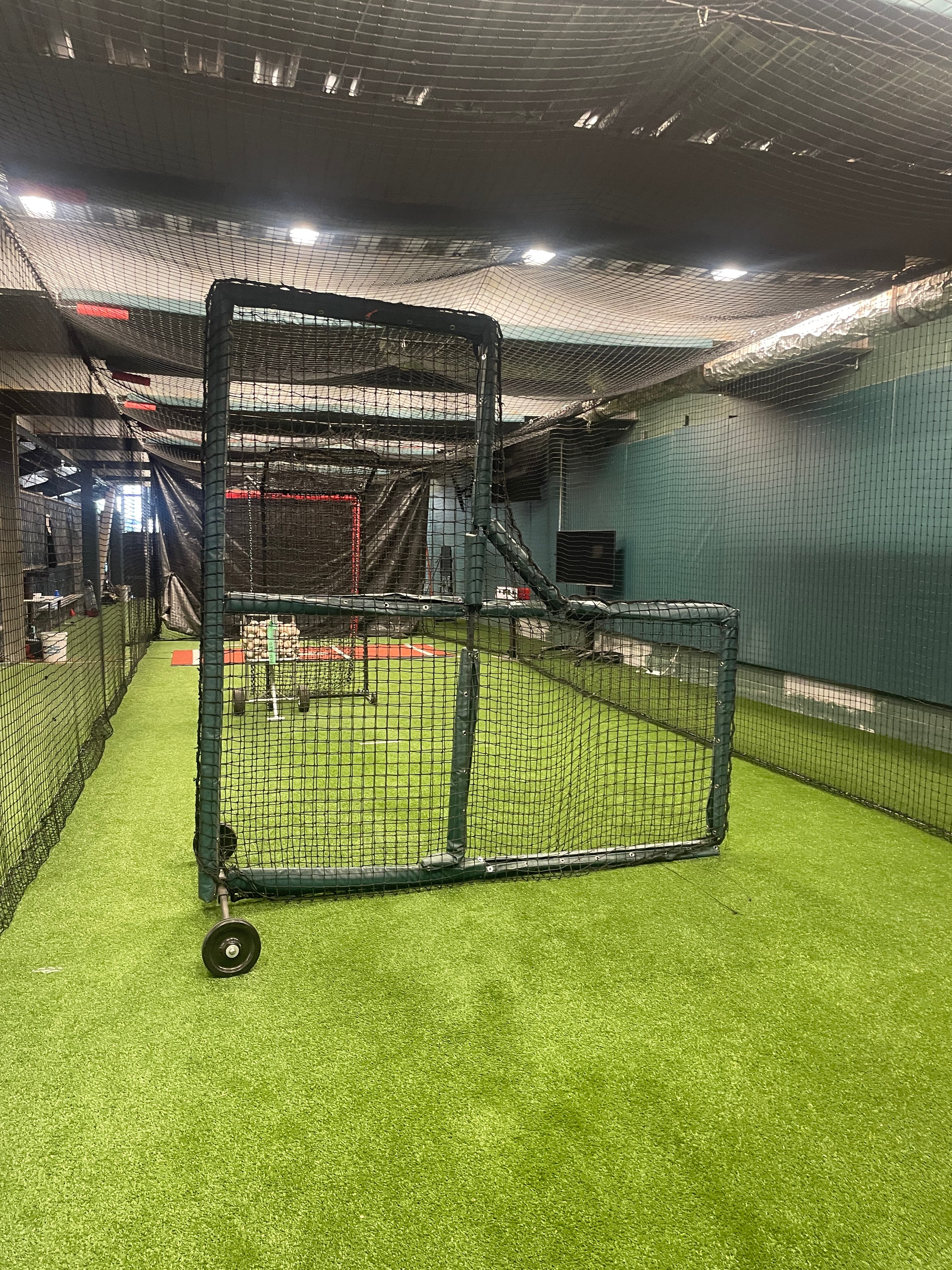
Find & Rent Batting Cages
What You Actually Get at a HitTrax Cage in Dick's Sporting Goods
Dick's runs two different services in the same HitTrax cage, and they cost very different amounts. Here is what you get, what it costs, and when a real cage is the better call.
Find & Rent Batting Cages
Renting a Batting Cage for the First Time: What to Expect
Booking your first batting cage? Here is what to expect start to finish: how booking works, what to bring, cage etiquette, and how to get the most from your hour.
List Your Cage
Can Your Little League Rent Out Its Batting Cage?
Most leagues own a cage that sits idle most of the year. Opening it up is usually allowed — it depends on who owns the ground, what your use agreement says, and what your liability policy covers. Here is how to check all three.
Run a travel team? Get your free page.
Baseball or softball. Claim a free directory page, post tryouts, and share cagelist.com/@yourteam with families.
Find your league
Free directories of real leagues and clubs near you — then book a batting cage to get your reps in before opening day.
1,000 organizations

Join the backyard batting cage community
Talk builds, gear, hosting and player development with cage owners, coaches, parents and baseball families.