
Pitching is one of the most skill-intensive and physically demanding positions in baseball. For young athletes, developing good habits early — both in practice routine and physical preparation — sets the foundation for a long, healthy career. Here's a complete pitching routine guide.
The Foundation: Daily Arm Care
Every pitcher's day should start with arm care, regardless of whether they're pitching. A 10-15 minute routine of band exercises, light throwing, and stretching maintains arm health across the season and off-season.
Recommended Daily Arm Care Routine
- Shoulder external rotation with band (2x15)
- Internal rotation with band (2x15)
- Prone Ys, Ts, and Ws on ground or bench (2x10 each)
- Wrist flexion/extension with light weight (2x20)
- Light throwing warm-up (50-75 feet, 5 minutes)
The Pre-Game Routine
On pitching days, structure your warm-up to peak at first pitch:
- 45 minutes before: Light jog and dynamic stretching
- 30 minutes before: Arm care band exercises
- 20 minutes before: Begin throwing progression (light toss to long toss)
- 10 minutes before: Bullpen session (15–20 pitches, building to game speed)
- 5 minutes before: Cool down walk, mental preparation
In-Game Routine Between Innings
- Stay warm — jacket on between innings, especially in cold weather
- Light jogging in the dugout keeps the arm loose
- Mental review of the next inning's approach before taking the mound
Post-Game Arm Care
Post-game care is just as important as pre-game warm-up:
- Light throwing or flat-ground work within 24 hours to flush the arm
- Ice if there is any soreness (20 min)
- Continue band routine for 2–3 days post-start
Cage Work for Pitchers
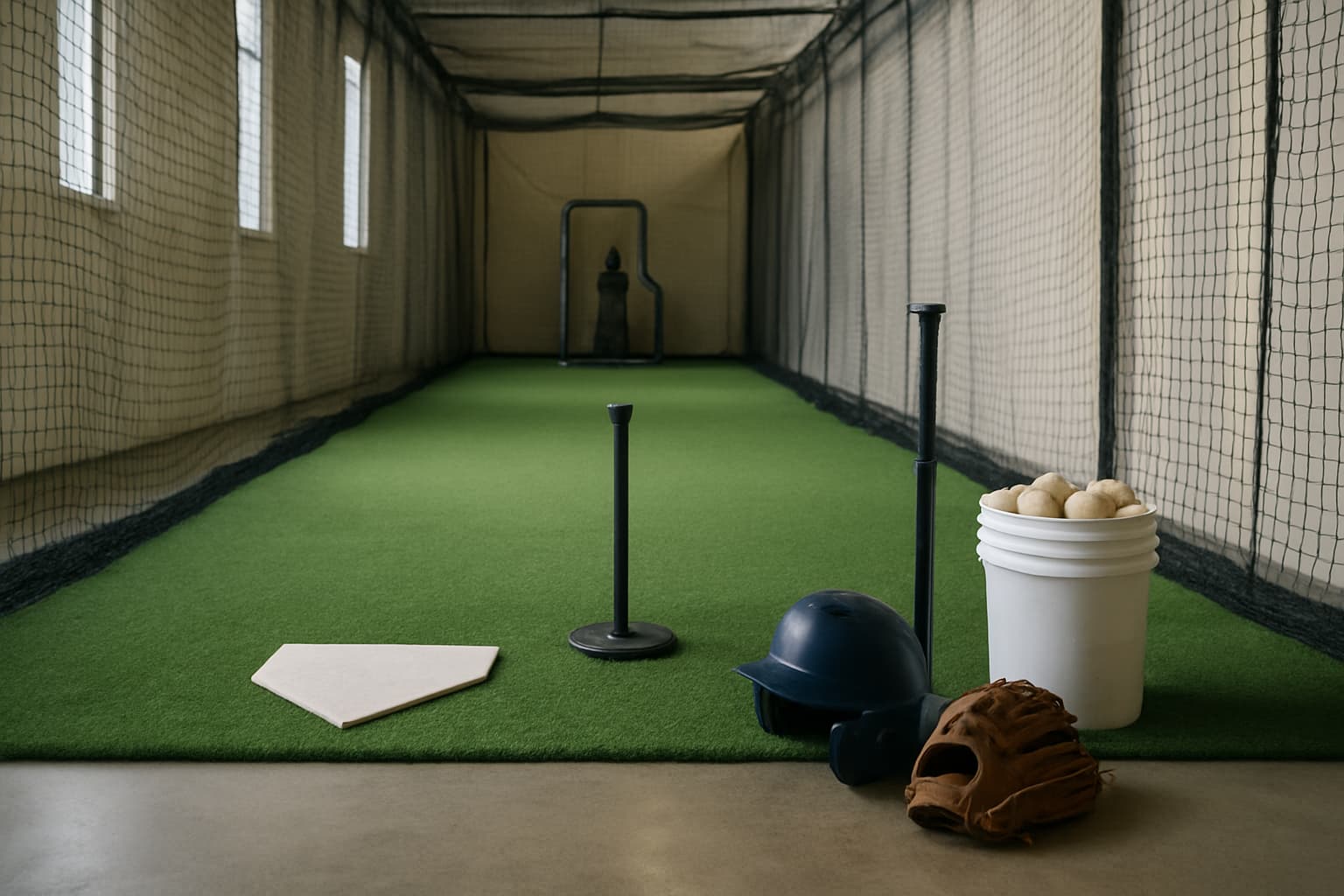
Batting cages aren't just for hitters. Pitchers use cage time for:
- Flat-ground work on mechanics
- Bullpen sessions from a portable mound
- Working specific pitch grips and release points
- Simulated at-bats against a smart hitter
Final Thoughts
Consistency is the key to pitching development. A young pitcher who follows a structured routine every day will develop faster, stay healthier, and compete more confidently than one who treats arm care as optional.
Keep exploring on CageList
- Structure your next cage session
- Browse batting cage drills
- Get better off a pitching machine
- Find batting cages near you
How to turn this into a practice plan
The best training article is useful only if a player can turn it into reps. For Mastering the Mound: A Pitching Routine Guide for Young Athletes, start with one clear goal for the session: cleaner timing, better swing decisions, stronger contact, or more confidence in a specific count. Then choose a cage setup that matches the drill. Tee work and front toss need less space and are easier to repeat alone, while machine work and live instruction are better when the hitter needs game-like speed or outside feedback.
CageList can support that process by helping families find the right environment for the work. A private cage may be perfect for quiet repetition. An academy may be better for guided instruction. A field or team facility may be better when the player needs defensive work or full-team context. Matching the drill to the space is how practice becomes more efficient.
Simple next step
Pick one drill, one measurable goal, and one nearby place to take swings this week. Browse batting cages on CageList when you need a space that fits the session instead of settling for the first generic result.
Common mistake to avoid
With Mastering the Mound: A Pitching Routine Guide for Young Athletes, the common mistake is trying to fix too many things in one session. Better practices usually have fewer goals and more quality reps. Choose one cue, film a few swings if possible, and give the player enough time to feel the adjustment before moving on.
That is another reason nearby cage access matters. When practice is easier to schedule, players can work in shorter, more focused sessions instead of waiting for one long block every few weeks.
Find a baseball league near you
Put your work into a real season — men's leagues, Little League, and travel teams, all in one guide.
Related Guides
View all articles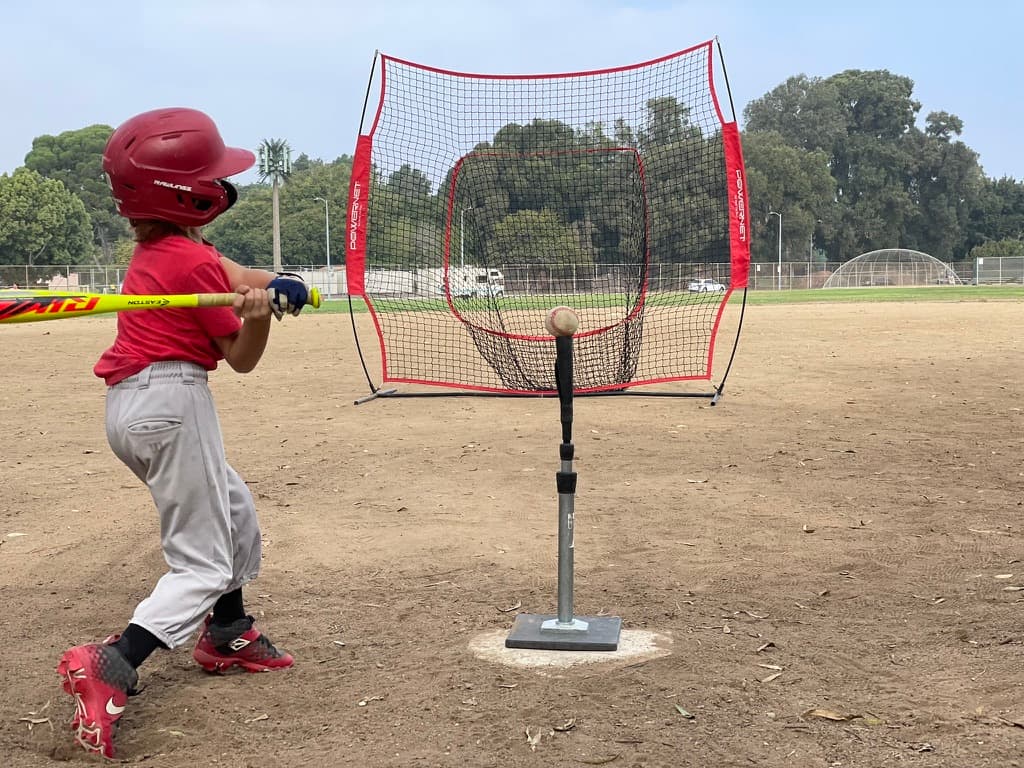
Training & Hitting
Practicing Hitting at Home Between Cage Sessions
You can not book a cage every day, but you can still get quality swings at home. Here is how to build a simple at-home hitting routine between rentals.
Training & Hitting
How to Run a Hustle Ball Class: Coach Pitch, Close Games, Teachable Moments
A coach's how-to for Hustle Ball™ — manage pace with coach pitch, keep games close, rotate positions, and teach without killing the energy.
Training & Hitting
Hustle Ball: Why One Practice a Week Should Feel Like a Real Game
MADE Baseball's Hustle Ball™ — coach-pitch live play that keeps kids loving the game. Why one weekly practice should feel like a real game, not only drills or tournaments.
Run a travel team? Get your free page.
Baseball or softball. Claim a free directory page, post tryouts, and share cagelist.com/@yourteam with families.
Find your league
Free directories of real leagues and clubs near you — then book a batting cage to get your reps in before opening day.
1,000 organizations
Join the backyard batting cage community
Talk builds, gear, hosting and player development with cage owners, coaches, parents and baseball families.