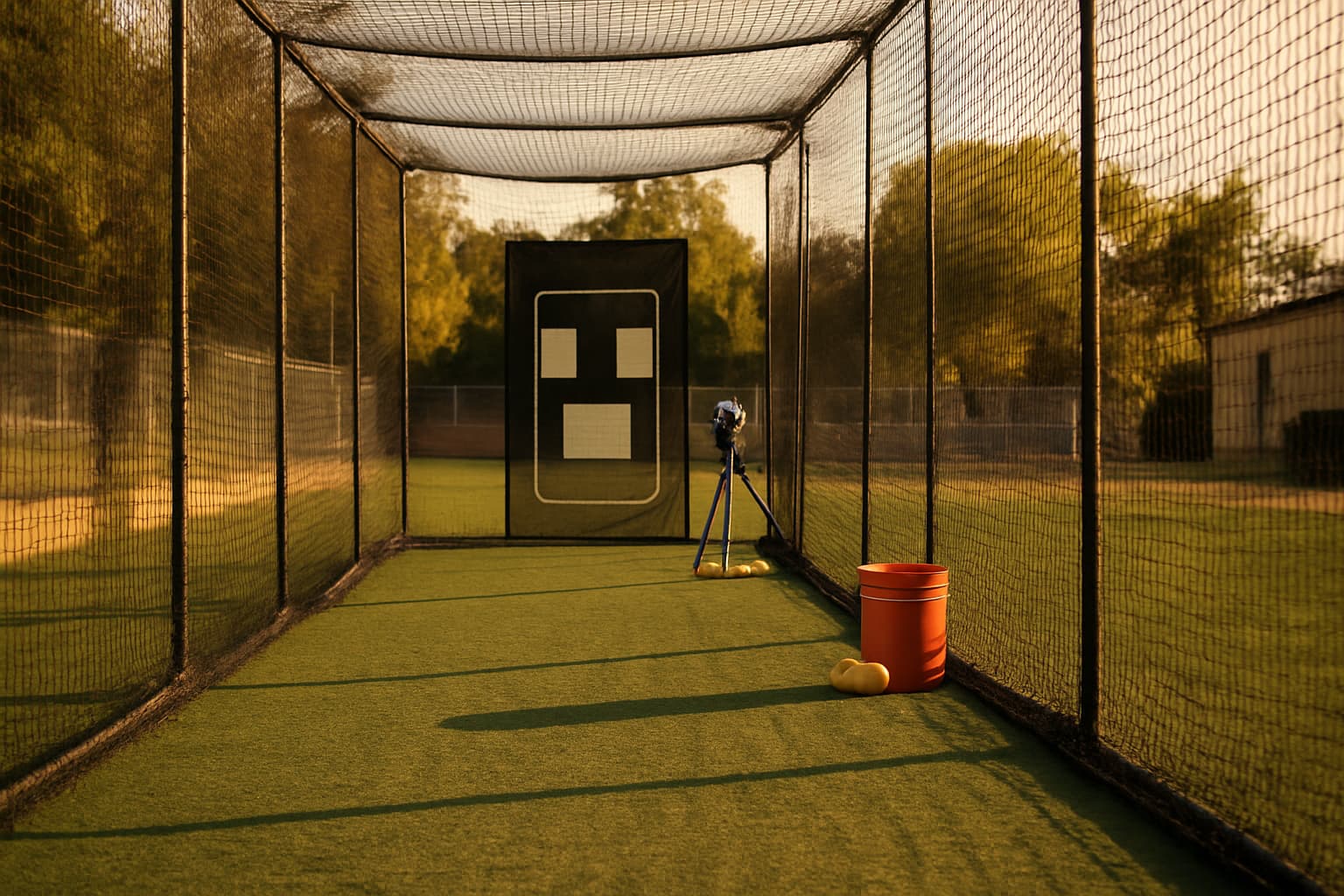
Bat speed is the single biggest driver of how hard you hit the ball. The faster the barrel moves at contact, the higher your exit velocity — and exit velocity is what turns warning-track outs into home runs. Here's how to build real bat speed.
Bat Speed Comes From Sequence, Not Effort
Swinging harder usually slows the barrel because it tightens you up. Real bat speed comes from an efficient kinetic chain — ground up through legs, hips, torso, and finally the hands and barrel — plus strength and a quick, short path.
Build the Engine: Strength and Mobility
- Rotational power: medicine-ball rotational throws train the hips and core to fire fast.
- Leg and hip strength: the foundation you swing against.
- Mobility: hip and thoracic mobility let you create and release separation.
Overload / Underload Training
A proven method: alternate swinging a slightly heavier bat (overload, builds strength) and a slightly lighter one (underload, trains fast-twitch speed). Used in a structured program, this can measurably raise bat speed over weeks.
Shorten and Clean Up the Path
A long, loopy swing wastes time getting to the ball. A short, direct path to contact lets the barrel reach top speed in the zone. Tee and path drills that keep the hands inside the ball pay off here.
Measure It
You can't improve what you don't measure. An affordable bat-speed sensor turns training into a game — you'll push to beat your numbers and see what actually works.
The Bottom Line
Bat speed = efficient sequence + strength + a short path, trained deliberately and measured over time. Stop swinging harder and start swinging faster. See training aids and sensors → · Book cage time to put in the work →
Keep exploring on CageList
- Structure your next cage session
- Browse batting cage drills
- Get better off a pitching machine
- Find batting cages near you
How to turn this into a real cage session
A good hitting idea only matters if it becomes repeatable work. Start each cage session with a simple goal: timing, bat path, pitch recognition, opposite-field contact, two-strike approach, or bat speed. Then build the session around three blocks: controlled warmup swings, focused reps, and a short competitive round that tests whether the adjustment holds up under pressure.
Players improve faster when they track what changed. That can be as simple as noting pitch speed, number of quality contacts, which drill felt best, and what broke down when tired. The cage is valuable because it removes chaos, but the hitter still needs intent.
CageList training lens
Use CageList to match the location to the workout. A private cage is great for repetition and parent-player feedback. An academy can be better for instruction or technology. A softball hitter may need different distances or machine settings than a baseball hitter, so always check the listing before booking.
FAQ
How long should a cage session be?
Most hitters do well with 30 to 60 minutes if the session has a plan. Longer is not always better if swing quality drops.
How many swings are enough?
Quality beats raw volume. A focused 60-swing session can be more useful than 150 rushed swings without feedback.
Use the CageList batting cage practice guide to plan the full session.
Make the adjustment stick
The best hitters turn a drill into a habit by repeating it across several cage sessions, not just one good round. Pick one cue, measure whether contact quality improves, and revisit it under different speeds or pitch locations. A CageList booking gives the hitter enough controlled time to find out whether the change actually holds up.
Find a baseball league near you
Put your work into a real season — men's leagues, Little League, and travel teams, all in one guide.
Related Guides
View all articles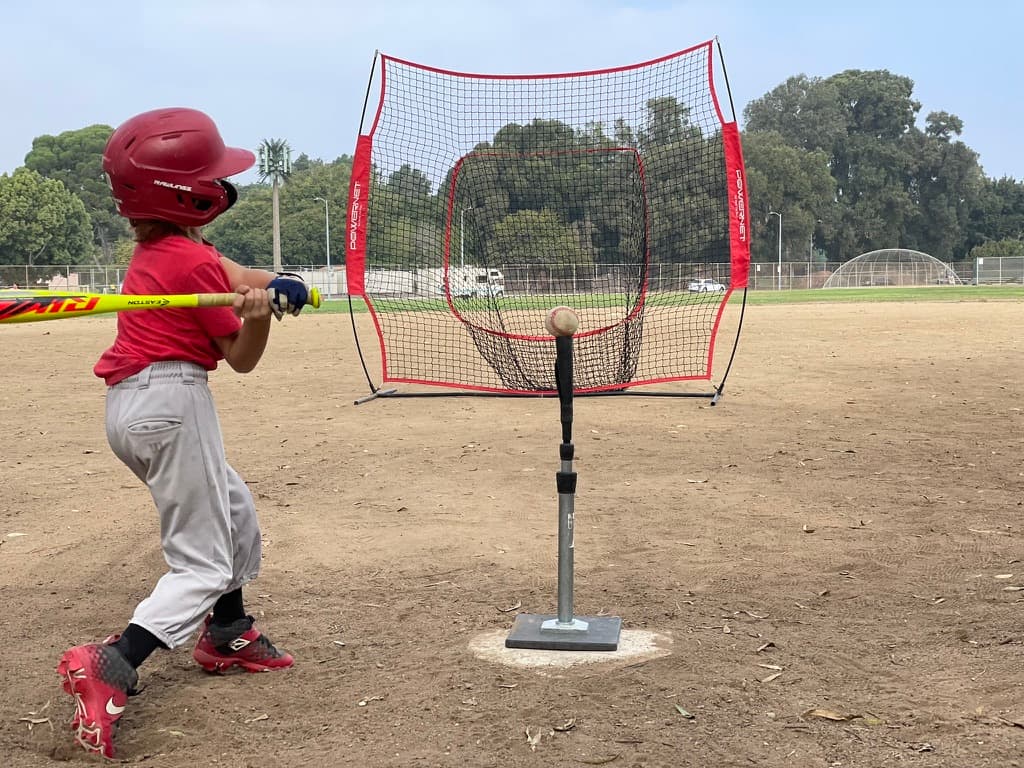
Training & Hitting
Practicing Hitting at Home Between Cage Sessions
You can not book a cage every day, but you can still get quality swings at home. Here is how to build a simple at-home hitting routine between rentals.
Training & Hitting
How to Run a Hustle Ball Class: Coach Pitch, Close Games, Teachable Moments
A coach's how-to for Hustle Ball™ — manage pace with coach pitch, keep games close, rotate positions, and teach without killing the energy.
Training & Hitting
Hustle Ball: Why One Practice a Week Should Feel Like a Real Game
MADE Baseball's Hustle Ball™ — coach-pitch live play that keeps kids loving the game. Why one weekly practice should feel like a real game, not only drills or tournaments.
Run a travel team? Get your free page.
Baseball or softball. Claim a free directory page, post tryouts, and share cagelist.com/@yourteam with families.
Find your league
Free directories of real leagues and clubs near you — then book a batting cage to get your reps in before opening day.
1,000 organizations
Join the backyard batting cage community
Talk builds, gear, hosting and player development with cage owners, coaches, parents and baseball families.