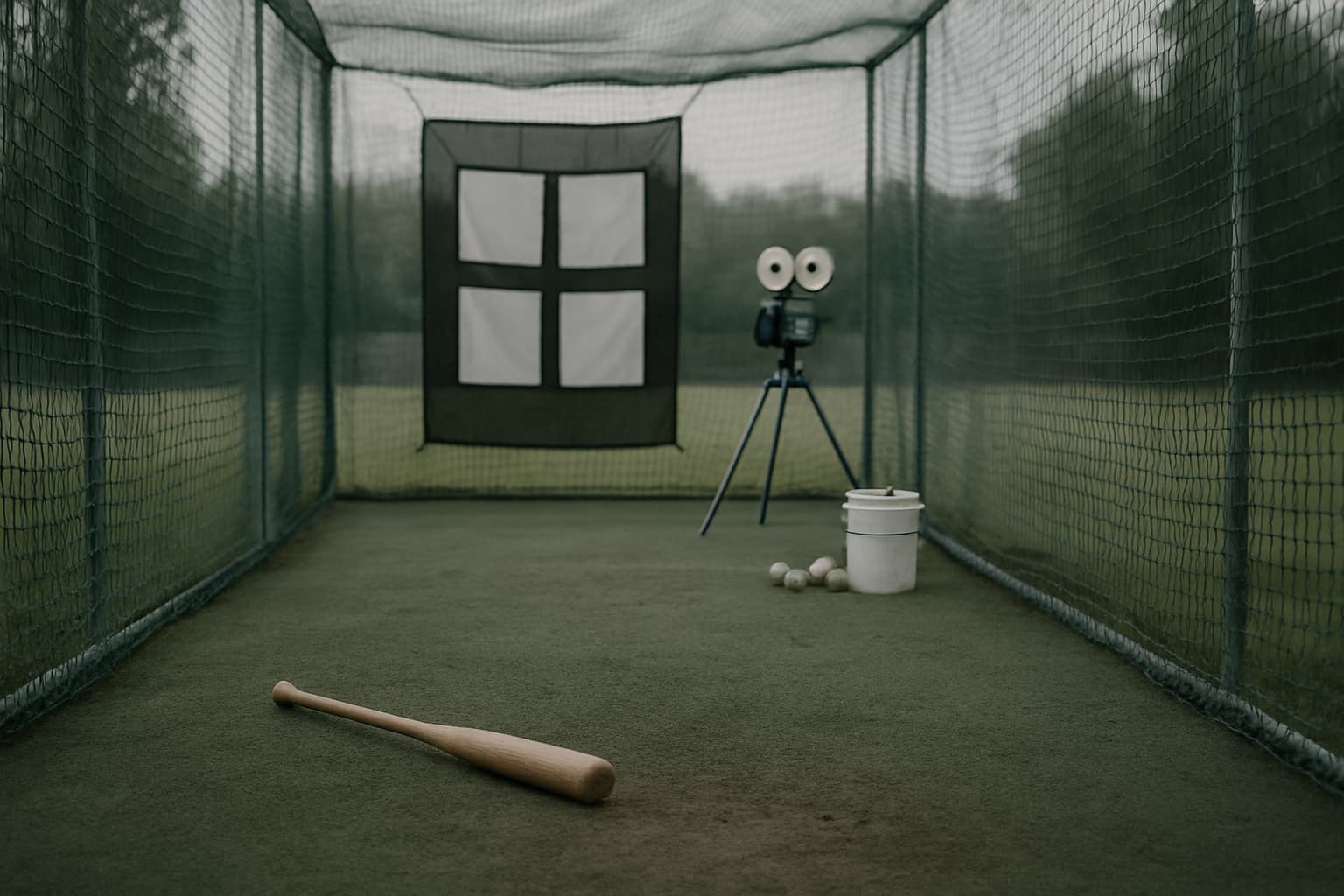
Every hitter wants more power — but power doesn't come from swinging harder. It comes from sequencing your body so energy transfers cleanly from the ground to the barrel. Here's how real power is built.
Power Is a Chain, Not a Muscle
The biggest hitters generate force from the ground up: legs and hips fire first, the torso rotates, and the barrel arrives last. When that sequence is right, a smaller hitter can out-slug a bigger one. When it's out of order — arms first — power leaks everywhere.
Build From the Ground Up
- Use your legs: a strong, stable front side to hit against is what lets your hips rotate with force.
- Lead with the hips: the belt buckle should turn toward the pitcher before the hands come through.
- Keep the barrel back: let the hips create separation from the upper body — that stretch is stored power.
Hit the Ball Out Front
Power lives at the right contact point — slightly out in front of the plate, where your arms can extend and the barrel is moving fastest. Hitting deep in the zone with bent arms saps power. Tee work at the correct contact point trains this directly.
Swing Up Through the Ball
A slight upward swing path that matches the downward plane of the pitch produces backspin and carry. This isn't an uppercut — it's a shallow, on-plane path that stays through the ball longer.
Power Drills
- Walk-through drill: step into the swing to feel ground force and momentum.
- Hip-turn tee work: exaggerate hip rotation on tee swings to groove the sequence.
- Heavy/overload swings: a slightly heavier bat or trainer (used in moderation) builds strength and reinforces using the body.
Don't Forget Strength
Off the field, rotational power, leg strength, and grip strength all translate to exit velocity. Power on the field starts in the weight room and the cage.
The Bottom Line
More power = better sequencing, the right contact point, and an on-plane path — not a harder swing. Groove it with focused cage reps. Book cage time to build your power swing →
Keep exploring on CageList
- Structure your next cage session
- Browse batting cage drills
- Get better off a pitching machine
- Find batting cages near you
Practice structure that makes this stick
For How to Hit for More Power: Drills and Mechanics That Work, a player should turn the idea into a repeatable cage plan. Start with a warm-up round, move into one focused drill, then finish with a short challenge round that feels closer to a game. The challenge can be simple: hard contact to the middle, take pitches outside the plan, or execute a two-strike swing for ten reps.
That structure keeps the session from becoming random swings. It also helps parents and coaches see whether the drill is working. When the player needs more reps, CageList search can help find a nearby space that matches the session.
When to use a cage for this
How to Hit for More Power: Drills and Mechanics That Work becomes easier to apply when the player has a controlled place to repeat the movement. A cage removes defensive distractions and lets the hitter focus on timing, contact quality, pitch selection, or mechanics. Short sessions can be especially useful because players can make one adjustment, test it, and come back later without needing a full team practice.
That is why CageList connects training advice to nearby cages. Better access creates more chances to practice with intent.
Find a baseball league near you
Put your work into a real season — men's leagues, Little League, and travel teams, all in one guide.
Related Guides
View all articles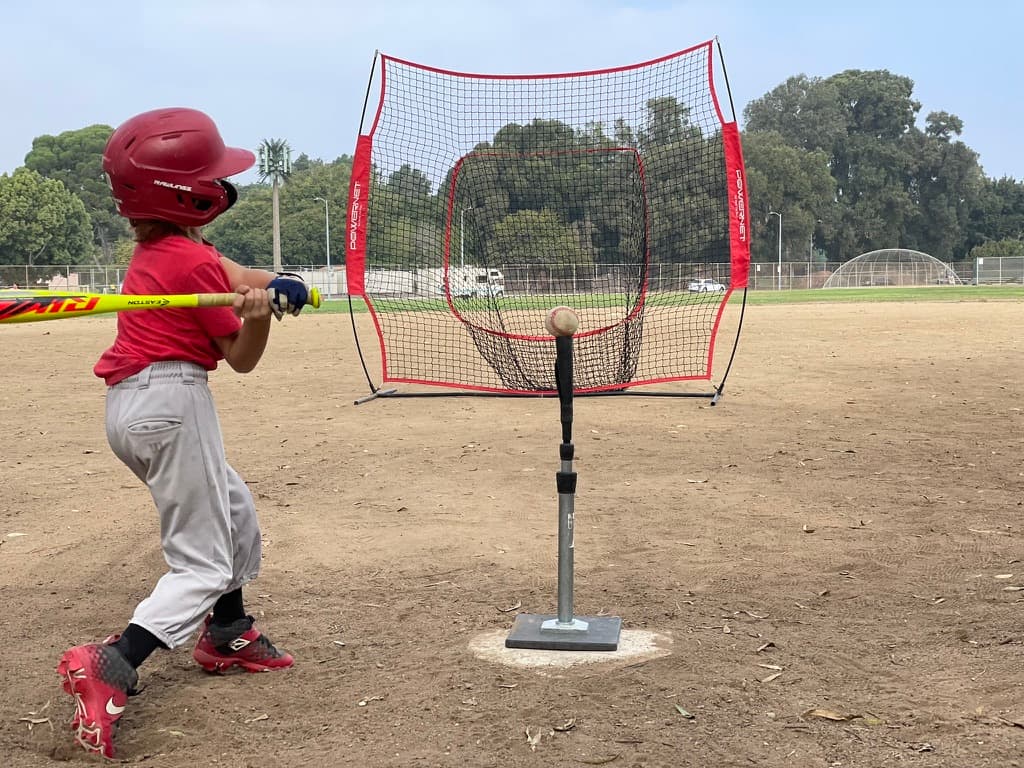
Training & Hitting
Practicing Hitting at Home Between Cage Sessions
You can not book a cage every day, but you can still get quality swings at home. Here is how to build a simple at-home hitting routine between rentals.
Training & Hitting
How to Run a Hustle Ball Class: Coach Pitch, Close Games, Teachable Moments
A coach's how-to for Hustle Ball™ — manage pace with coach pitch, keep games close, rotate positions, and teach without killing the energy.
Training & Hitting
Hustle Ball: Why One Practice a Week Should Feel Like a Real Game
MADE Baseball's Hustle Ball™ — coach-pitch live play that keeps kids loving the game. Why one weekly practice should feel like a real game, not only drills or tournaments.
Run a travel team? Get your free page.
Baseball or softball. Claim a free directory page, post tryouts, and share cagelist.com/@yourteam with families.
Find your league
Free directories of real leagues and clubs near you — then book a batting cage to get your reps in before opening day.
1,000 organizations

Join the backyard batting cage community
Talk builds, gear, hosting and player development with cage owners, coaches, parents and baseball families.