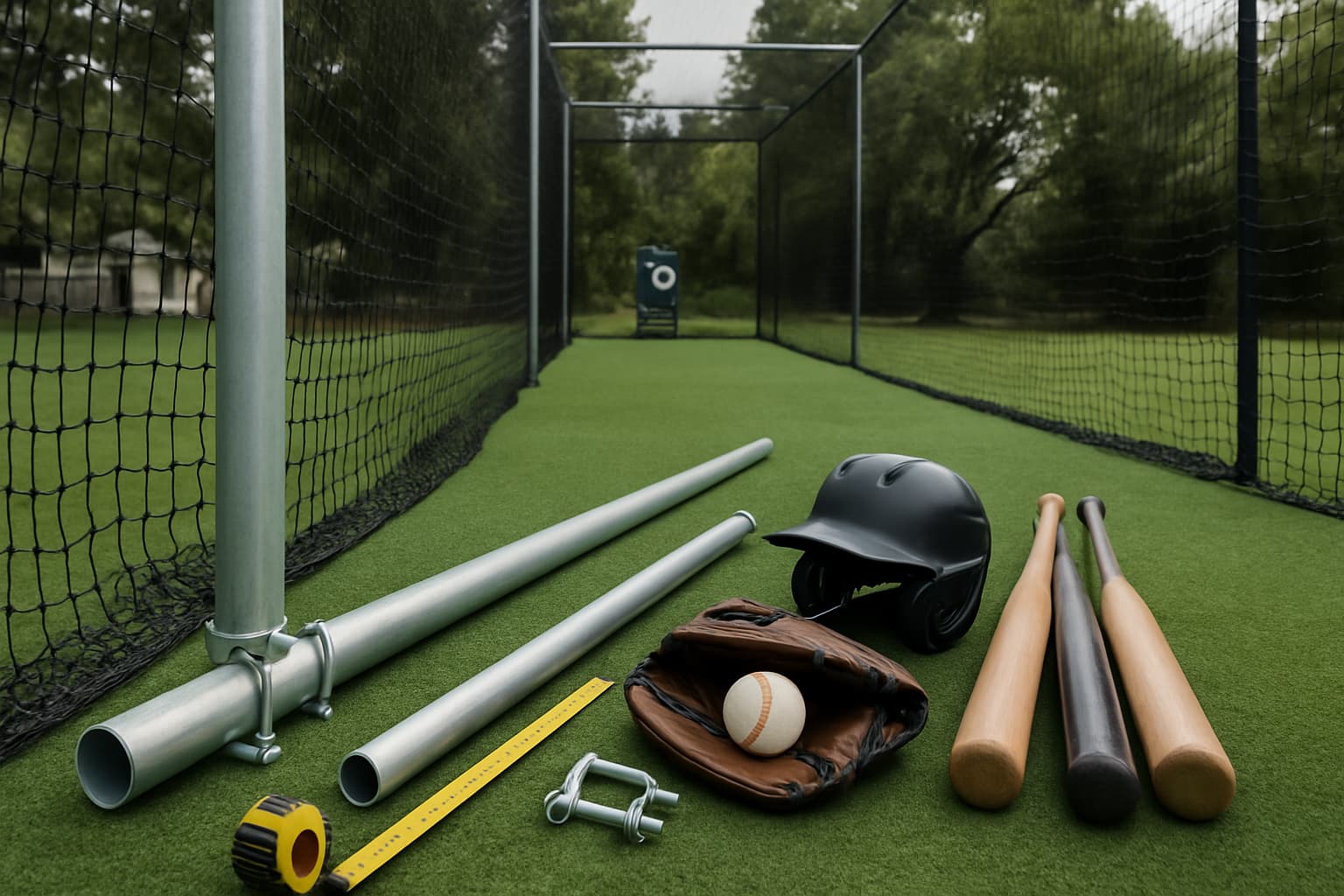
A backyard batting cage is one of the most practical training investments a baseball or softball family can make. Done right, it gives your player daily reps at home — no facility reservation, no driving, no waiting. Done really right, it can earn you money as a rental on CageList.
This guide covers everything: space requirements, frame types, netting selection, surface options, lighting, and the cost breakdown by build tier. Whether you're planning a simple pipe-and-net setup or a covered, rental-ready facility, this is the complete roadmap.
Step 1: Plan Your Space
Before you buy anything, measure. Batting cage dimensions follow standard pitching distances and swing clearance — not arbitrary numbers.
Minimum dimensions for a usable cage
- Length: 55 feet for baseball (accommodates full pitching machine distance or live pitching). 35–40 feet works for youth or softball with a machine set closer.
- Width: 12–14 feet minimum. 14 feet is the industry standard. Under 12 feet feels cramped for left-handers or wide swings.
- Height: 10 feet minimum. 12 feet is standard for adults. Lower ceilings catch high pitches and pop-ups wrong.
The most common backyard build is 12×14×70 or 12×14×55. If you plan to list on CageList, 70-foot cages rent at a premium because they accommodate live pitching and full overhand throwing distances.
Check setbacks and HOA rules first
Before ordering materials, call your city or county planning office and check your HOA docs. Permanent structures — anything with a concrete footer — often require a permit. Temporary freestanding cages usually don't, but "temporary" has a fuzzy definition that varies by jurisdiction.
Rule of thumb: above-ground pipe with no permanent footers = typically no permit. Poured concrete footers + steel posts = likely a permit. When in doubt, get confirmation in writing.
Step 2: Choose Your Frame
The frame is the skeleton. It determines durability, longevity, and maintenance cost. Four realistic options for a backyard build.
Option 1: Steel EMT conduit (DIY pipe frame)
The most common DIY build. 1–3/8" galvanized EMT conduit from any hardware store, connected with specialized batting cage frame fittings. A complete DIY frame kit for a 12×14×70 cage runs $300–$800.
Best for: Budget builders, DIYers with moderate skill, temporary or movable setups.
Downsides: Requires 4–8 hours of assembly, moves in high wind if not properly staked, doesn't look "finished."
Option 2: Heavy gauge steel (schedule 40 pipe)
More rigid and permanent than EMT. Requires welding or heavy fittings. Used in commercial builds or when you want the cage to feel completely solid.
Best for: Permanent installs, high-wind areas, covered structures.
Downsides: Higher material cost, harder to modify, usually requires professional help.
Option 3: Prefabricated kits
Companies like Cimarron, Fortress, and Galileo sell complete cage kits with frame, net, and hardware. Prices range from $400 to $2,500 depending on size and quality. Most use 1–3/8" or 1–5/8" galvanized poles.
Best for: First-time builders who want a complete package without sourcing parts separately.
Downsides: Kit netting is often the weakest link — upgrade the net separately.
Option 4: Wood frame
4×4 or 6×6 treated lumber posts with horizontal framing. Looks the best, integrates naturally with a backyard landscape, and can support a proper roof.
Best for: Permanent covered structures, aesthetic-focused builds, homeowners who want it to look like a real property improvement.
Downsides: Most expensive frame option, requires rot-resistant treatment, subject to lumber price swings.
Step 3: Pick Your Netting
This is the most important purchase in the entire build. Cheap netting fails in two seasons, lets balls escape at bad angles, and creates real liability — especially if you rent the cage. Do not cut corners here.
What to look for
- Material: UV-stabilized nylon for permanent outdoor installs. Nylon holds up; untreated polyester degrades. Polyester is fine for indoor or covered setups.
- Twine gauge: #36 nylon is the minimum for backyard use. #42 or #60 for higher-impact applications or commercial-grade setups.
- Mesh size: 1-3/4" standard. Keeps baseballs and softballs contained, doesn't trap fingers, and doesn't impede sightlines.
- UV treatment: Non-negotiable for outdoor builds. Untreated netting degrades visibly in 2–3 seasons. UV-stabilized netting lasts 5–10+ years.
For a full breakdown with specific product comparisons, see our Complete Batting Cage Netting Guide.
Step 4: Choose Your Surface
The floor affects safety, performance, and how the cage looks in rental photos. Options range from free to a meaningful cost add.
- Native dirt or grass: Free, uneven over time, muddy after rain, creates maintenance issues. Fine for casual family use, not ideal for rentals.
- Decomposed granite: $200–$600 depending on cage size. Compacts well, drains, inexpensive. Popular in dry climates.
- Rubber mats: $300–$900 for a 12×14 footprint. Durable, easy to install, industry-standard in commercial cages.
- Artificial turf: $800–$3,500 installed. Looks premium, handles weather well, rents at the highest rates on CageList. If you're listing, turf is a booking multiplier.
- Concrete: Hard on joints, bad footing for cleats, unforgiving if someone falls. Only viable as a base layer under rubber mats.
Detailed comparison: Best Batting Cage Surfaces Guide.
Step 5: Open-Top or Covered?
An open-top cage is the default backyard build. A covered structure adds cost but delivers year-round usability, weather protection for equipment, and the highest rental rates on CageList.
Open-top cage
Standard netting on four sides and the top. Works well in dry climates and for seasonal family use. Design with proper net tension so rain doesn't pool and sag the net.
Covered structure
A roof — usually metal panels on a steel or wood frame — protects from rain, UV, and wind. A covered cage is functional year-round in almost any climate. Cost adds $3,000–$15,000+ depending on size and materials.
Full breakdown: How to Build a Covered Batting Cage Under $25,000.
Step 6: Add a Pitching Machine or L-Screen
L-screen for live pitching
A portable L-screen gives a live pitcher safe protection when throwing from inside the cage. Cost: $80–$300. This is non-negotiable if anyone pitches from within the cage enclosure. Do not skip it.
Pitching machine
Machines range from basic single-wheel lobbers ($200) to dual-wheel machines ($1,500–$4,000+) that can throw curveballs, sliders, and changeups at realistic velocities. A quality pitching machine dramatically increases what you can charge on CageList and what your player gets from every session.
Full buyer's guide: Pitching Machine Buyer's Guide.
Step 7: Plan Lighting for Indoor or Evening Use
If your cage will be in a garage, covered structure, or used after dark, you need adequate, well-positioned light.
- Target minimum: 50 foot-candles at the hitting zone.
- LED shop lights at 4,000–5,000K (daylight color temperature) hung 8–10 feet high work well.
- Avoid bare bulbs directly in the batter's sightline — glare disrupts pitch tracking, especially for breaking balls.
- Budget: $200–$500 for plug-in LED setup; $800–$2,000 for a wired dedicated circuit installed by an electrician.
Total Build Cost by Tier
- Budget ($500–$2,000): DIY EMT pipe frame, entry or mid-grade netting, dirt or gravel surface, no covering, no electrical.
- Mid-range ($3,000–$8,000): Quality frame or prefab kit, commercial netting (#36 nylon), rubber mats or turf, L-screen or entry pitching machine.
- Premium ($10,000–$25,000): Steel or wood frame with permanent footings, premium turf, #42 nylon net, quality dual-wheel pitching machine, basic covered roof, LED lighting.
- Premium+ ($25,000–$40,000+): Full covered structure, top-spec turf and netting, high-end pitching machine, professional electrical, clean landscaping integration. Top-tier CageList listings.
Deep dive: Backyard Batting Cage Cost Guide.
Should You List It on CageList?
If you're investing $5,000 or more in a build, listing on CageList is one of the fastest ways to offset costs. Backyard cages on CageList typically earn $25–$75/hour. Hosts with quality setups — turf, pitching machine, covered structure — regularly earn $500–$2,000/month in rental income.
The most important rental-readiness checkboxes:
- Turf or rubber mats (no dirt floors)
- Commercial-grade netting with no visible wear
- Functional pitching machine or L-screen provided
- Safe, clear access from parking to the cage
- Clean, organized listing photos
We paid off our entire cage build in the first six months of hosting on CageList. Now it's pure income that covers our son's travel ball fees.
Ready to list? Start your CageList listing and see what your cage could earn.
Get the numbers
Get your free batting cage cost estimate
Enter your email and we'll send you an itemized build breakdown — frame, netting, turf, lighting, and install — plus what a cage like yours could earn if you rent it out.
No spam, unsubscribe anytime. Prefer the interactive tool? Open the full cost calculator.
Already have a cage?
Rent it out when you're not hitting
Players, parents, and coaches near you are looking for cage time. Listing is free, you set your own price and hours, and you approve every booking.
Related Guides
View all articles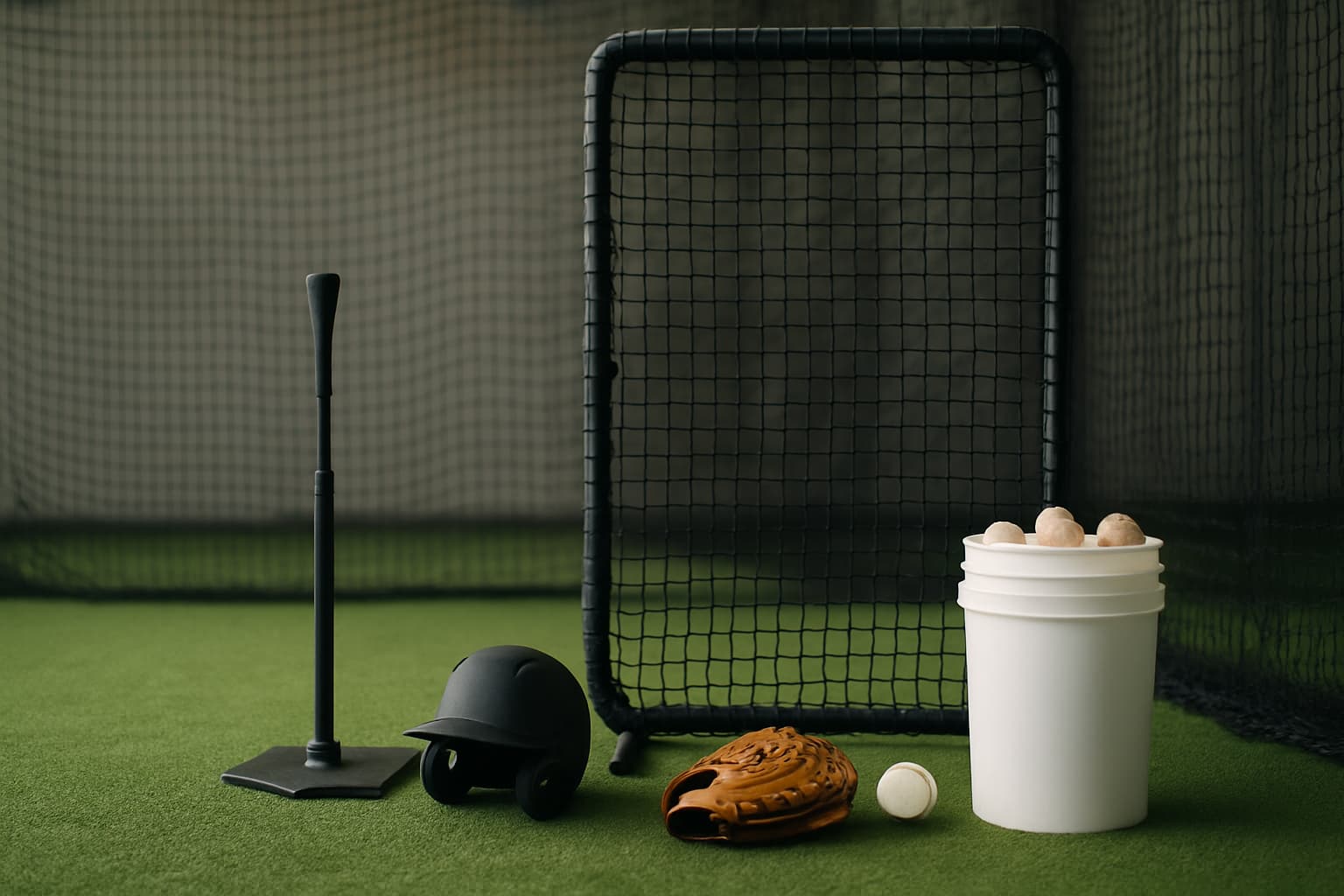
Build a Batting Cage
Backyard Batting Cage Kits, Compared: What You Really Get at Each Price (2026)
Every price tier of backyard batting cage, honestly compared — the companies, the netting grades, the realistic lifespan, and what a cage that survives real hitters (or paying renters) actually needs.
Build a Batting Cage
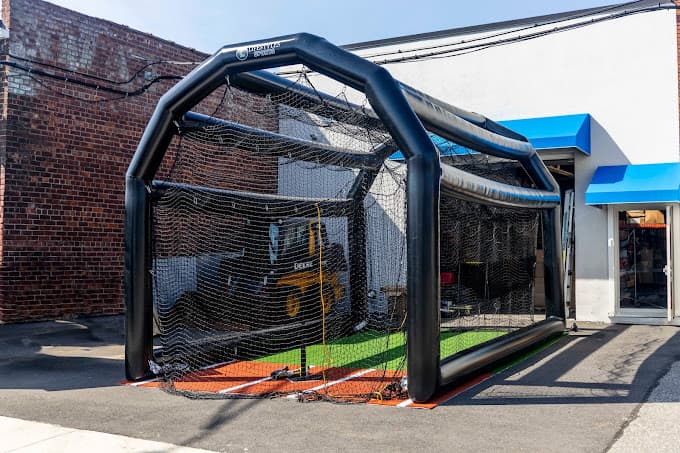
Inflatable Batting Cages: What They Cost, and Whether They Pay for Themselves
Inflatable batting cages run from $1,500 party units to $10,000 branded commercial builds, and only one manufacturer publishes a real price. What each tier costs, why $3,999 is not the price of a cage, and the booked hours it takes to pay one off.
Build a Batting Cage
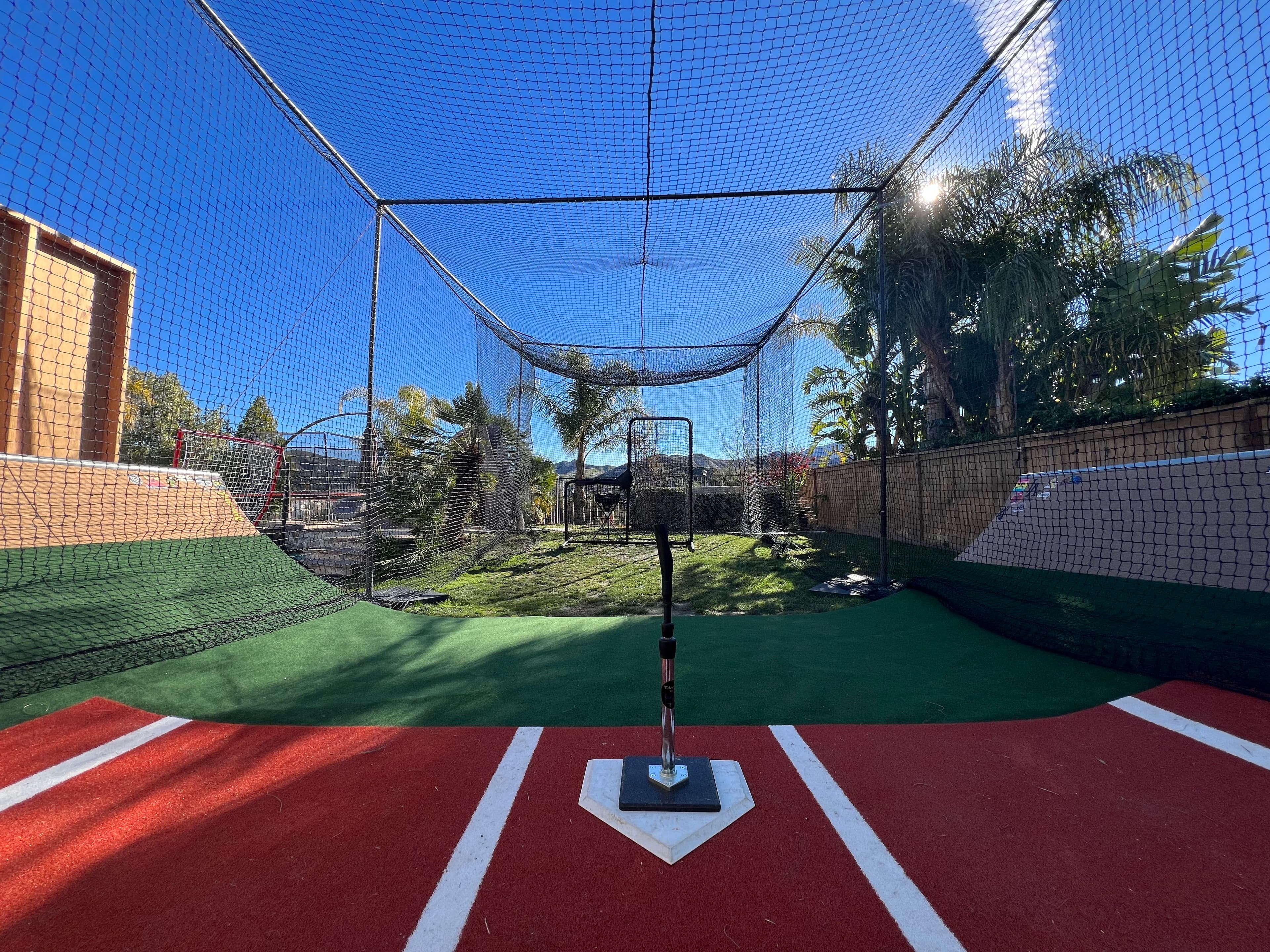
27 Types of Batting Cage: A Photo Field Guide to Every Backyard Setup in America
Barn conversions, driveway slivers, retractable tunnels, ranch cages and climate-controlled outbuildings. A photo field guide to 27 kinds of batting cage, built from 214 real bookable listings on CageList, with what each one costs and who it is for.
Run a travel team? Get your free page.
Baseball or softball. Claim a free directory page, post tryouts, and share cagelist.com/@yourteam with families.
Find your league
Free directories of real leagues and clubs near you — then book a batting cage to get your reps in before opening day.
1,000 organizations

Join the backyard batting cage community
Talk builds, gear, hosting and player development with cage owners, coaches, parents and baseball families.