You have the students and the schedule. What you lack is a place to stand. A private lesson needs a cage or a patch of grass, a net and an hour of quiet, and finding that hour is a different job from coaching. This post covers the search, and the conversation with whoever controls the space. For credentials, structure and taxes, see becoming a private coach and the business-side checklist.
Know what a lesson needs first
Write your list before you call anyone. Most lessons need a space that stops a batted ball, room for you to see the swing, a fixed weekly time, parking for a parent, light in winter and somewhere to film. A coach who can teach fielding on grass has more options than one who needs a cage with a machine, so know which you are.
Where coaches actually find space
Backyard and private cages
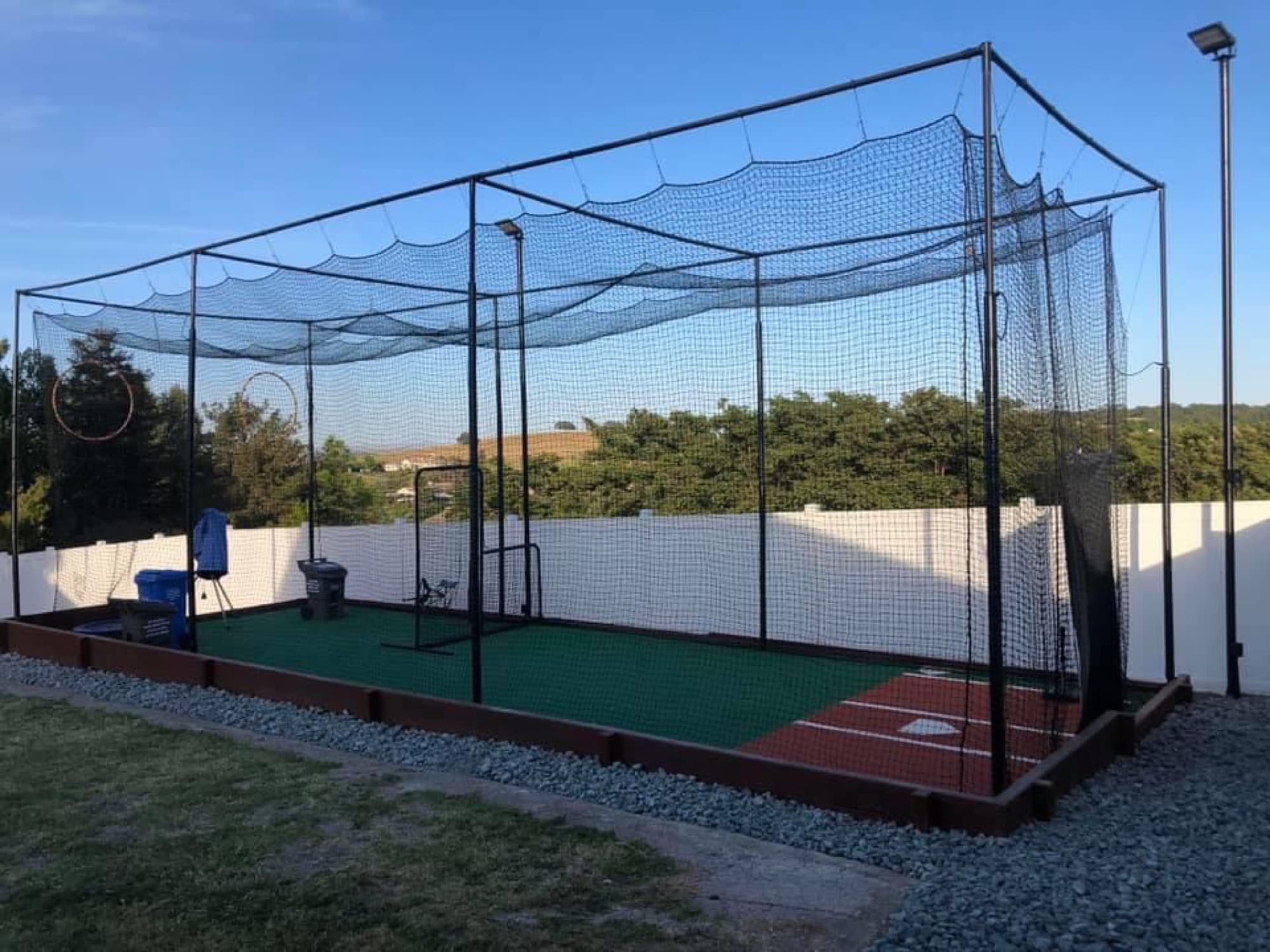
Plenty of families built a cage and use it a few hours a week. An owner may welcome a coach who books the same slot every week, since the host guide calls that kind of coach steady midweek demand. CageList's host guide lists private hitting coaches as a partnership to pursue, with a lesson-space arrangement at a partner rate. See cages you can book by the hour on the private lessons page, or browse by state on the browse page.
Academies and training facilities
These are the obvious first call. Ask whether they rent time to outside coaches at all, and whether you pay rent or a fee per lesson. Some run their own lesson program and will say no. Others have dead hours at 2 p.m. on a Tuesday. Keep it close, because a long drive turns every cancelled lesson into a lost evening.
Parks and municipal fields
A public field feels free. For a paid lesson it often is not. Some cities treat a coach who charges money as commercial use, and the rules are written by your city or county, so read your own parks department's page. Two examples, both read on 2026-11-23:
- The City of Palm Beach Gardens, Florida, has a private sports instruction program. Instructors must finish an application, show proof of a county business tax license, pass a background screen and provide an insurance certificate. The page says unlicensed instruction can bring fines, and that each instructor may train up to three players at once. It also says the instructor may need a separate facility permit for fields.
- The City of Austin, Texas, runs a permit process for commercial trainers on dedicated parkland (its page names fitness consultants, dog trainers and group fitness instructors) and says permits are required whether or not per-class fees are charged. It sends commercial youth programming through a separate Contract Instructor Process. Whether a baseball lesson falls under it is a question for the city.
Your city may be easier or much stricter. Call, and ask for the answer in writing. The Palm Beach Gardens procedures and the Austin commercial use page show what a real permit process looks like.
Schools, churches and community gyms
An off-season gym or a fellowship hall can work for tee and soft-toss lessons. Ask who handles building use, because it is often not the person at the door, and whether they have a facility-use form. A yes from a friendly volunteer is not the same as a yes from whoever signs off.
Little League and club cages
Some leagues own cages with no listing, no price and no process, only a board member who can say yes. If you know the league president, a direct, polite ask is worth it. We wrote about how that goes in I Was a Coach With Nowhere to Coach.
What to ask a host or facility before you commit
Do not agree on a handshake until you have these answers. Write them down, and send them back in a short message so both sides have the same version.
- Is paid instruction allowed here? Some owners, leases and homeowner rules say no.
- What exactly am I renting? One cage or the whole building? Is the machine or are balls included?
- Is it the same slot every week? Recurring time is what lets you sell a weekly lesson.
- How am I charged? Hourly, per lesson, monthly or a split. Ask for the whole number.
- What happens on a cancellation or a rainout? Know whether you pay for the hour if the student does not show.
- Do you need proof of insurance, a waiver or a signed agreement?
- Who do I call when something goes wrong?
If you book a CageList host, the host guide on safety and liability says each guest signs a digital waiver at checkout. That covers a booked guest. It does not replace your own insurance or an agreement about lessons, so ask the host about anything unclear.
Insurance and permission basics
This is general information, not legal or insurance advice. Confirm everything with your own insurance agent and, if a contract is involved, a lawyer in your state.
The U.S. Small Business Administration describes general liability insurance as covering financial losses from things like bodily injury and property damage, along with legal defense costs, and describes professional liability as covering malpractice, errors and negligence for businesses that provide services. Read it on the SBA business insurance page. A kid who takes a ball off the shin or rolls an ankle is the situation you are insuring for.
- Do not assume your personal policies cover paid coaching. Ask an agent about general liability for sports instructors, including lessons at places you do not own.
- Venues often want paper. Palm Beach Gardens asks for an insurance certificate and a $1 million general liability policy naming the city as additional insured. Ask your insurer how to add a venue and what it costs, and ask the venue for its exact wording.
- Get permission in writing. A short email repeating the terms beats a text.
For reference, CageList asks its coaches to carry general liability of at least $500,000 per occurrence and $1,000,000 aggregate, and says it carries no business insurance for coaches. Your insurer and venue may want different limits, so treat that as a data point.
How to ask for the space
People say yes to a short, specific, low-risk request.
Hi, I'm a private baseball coach working with kids ages 8 to 14. I'm looking for a cage to use on Tuesday and Thursday afternoons, about four lessons a week, one student at a time. I carry liability insurance and can send you a certificate. Do you rent time to outside coaches, and what would that cost? I'd be glad to start with one trial week.
Be ready to take a no. The next call may be the yes. If you are the host with an idle cage, the same logic applies, and CageList's local partnerships guide says one good coach or travel team partnership can fill a big chunk of a calendar.
What to expect to pay, and how to find out
There is no single price, because a backyard cage in a small town, a city permit and a big-metro academy are different markets. You can learn your local rate in about an hour:
- Call two or three academies and ask what outside coaches pay, and whether it is rent or a fee per lesson.
- Look at listed cage rates near you. Hosts on CageList set their own hourly rate and the price is shown on the listing page. When we looked on 2026-11-23, the sample of six cages on the private lessons page showed hourly rates from $20 to $50. That is six listings on one day, not an average, and your area will differ.
- Ask your parks department what its commercial permit costs. The Palm Beach Gardens page lists an annual private instruction fee, and every city sets its own.
- Do the math: your lesson rate, minus space cost, insurance and travel. Check what a no-show costs you.
On the CageList side, the coach page says one booking page can cover more than one location, and that a venue's per-lesson fee is shown to the family before they pay. Apply on the become a coach page.
Why CageList exists
CageList's founder gave baseball lessons in Los Angeles for years and has written that the hardest part was never the coaching, it was finding a place to do it, and that the good cages went to people who knew somebody. CageList started with backyard cages because most sit empty for nearly all the hours they could be used. It is one place to look and book. It will not solve every town, and in some areas you will still be calling around. The full story is in I Was a Coach With Nowhere to Coach.
Frequently asked questions
Can I give paid lessons at a public park?
Maybe. Palm Beach Gardens and Austin have permit processes for instructors, and other cities differ. Ask your parks department in writing.
Do I need my own insurance to rent a cage for lessons?
Many venues ask for proof, and CageList asks its coaches to carry their own liability cover. Check with an insurance agent and your venue.
What should I offer a host or facility owner?
A regular slot, hours per week, proof of insurance, a reference and a short trial.
How do I find out what space costs in my area?
Call a few academies, check listed hourly rates, and ask your parks department what its permit costs. Compare at least three.
Can I use a backyard cage for lessons?
If the owner allows it. Ask whether paid instruction is permitted at that address, and check zoning and insurance first.
Book a batting cage near you
CageList helps players, parents, coaches, and teams find private cage time without the runaround.
Related Guides
View all articles
Academy, Backyard Cage, Field: What Each Means on CageList
A plain guide to academies, sports performance gyms, backyard cages, fields, coaches, leagues, camps and what each badge means.
6 min readRead
How Much to Charge for Baseball Lessons: A Rate Formula
A way to set a private lesson rate from your own numbers: lessons per week, cage rental, travel, self-employment tax and cancellations, checked against published market ranges.
7 min readRead
Baseball Coaching Jobs: From Volunteer to Paid
Baseball coaching jobs usually start as volunteer work. Here are the real routes to getting paid, what the pay data says, and the credentials to get first.
7 min readRead
Run a travel team? Get your free page.
Baseball or softball. Claim a free directory page, post tryouts, and share cagelist.com/@yourteam with families.
Find your league
Free directories of real leagues and clubs near you. Then book a batting cage to get your reps in before opening day.
1,893 organizations
 leagues in 49 statesAdult hardball near you: MSBL, NABA and independent leagues.Browse men's leagues
 leagues in 49 statesYouth baseball and softball leagues, organized by state.Browse little leagues
 programs in 41 statesTravel and club programs in your region. Find one, or list yours free.Browse travel teams
Join the backyard batting cage community
Talk builds, gear, hosting and player development with cage owners, coaches, parents and baseball families.