You coach your kid's team for free, and somewhere around the third season you start to wonder whether anyone gets paid for this. They do, but the path is less obvious than a job board makes it look. This guide walks through the real routes, what each one pays in general terms, and what you need in your bag before you apply.
What baseball coaching jobs actually pay
The U.S. Bureau of Labor Statistics groups this work under coaches and scouts. Its Occupational Outlook Handbook page lists a median annual wage of $47,320 for May 2025 and about 298,800 jobs in 2025. It also says part-time work is common, and that full-time coaches may work more than 40 hours a week for several months during the season.
Treat that median as a midpoint, not a promise. It covers every sport and every level, from a part-time youth instructor to a full-time college staff member. BLS lists a bachelor's degree as the typical entry education, but it also notes that requirements range from no formal credential to a degree or higher.
Route 1: Volunteer youth or Little League coach
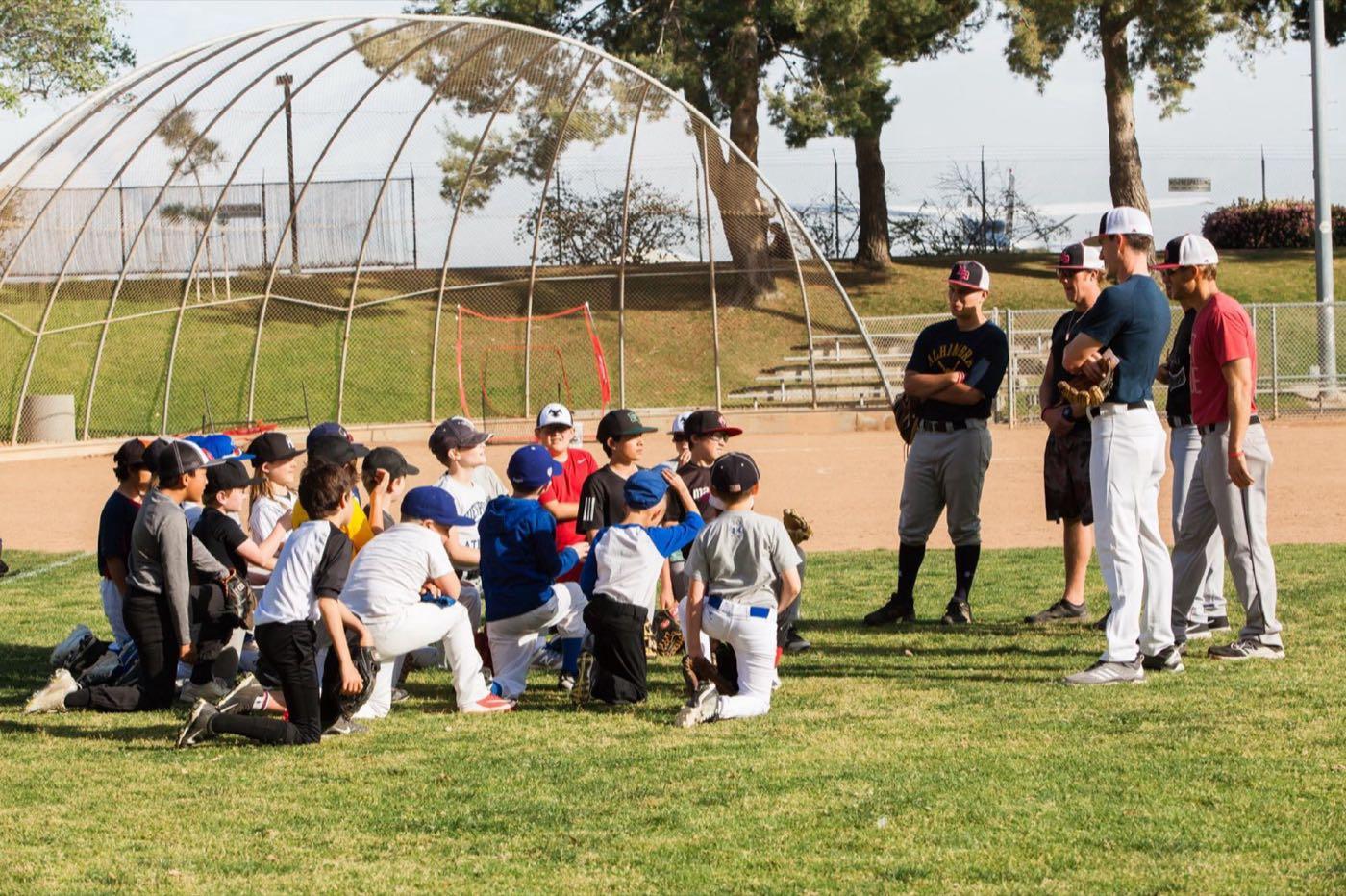
This is where almost everyone starts, and it is the cheapest way to find out whether you like coaching other people's kids. It rarely pays. What it gives you is reps: running a practice, handling parents, building a lineup, and managing a dugout of nine-year-olds.
Expect a background check. Little League's background check page says the check must be completed annually and before the person takes up duties for the season. It must include a nationwide criminal search, a search of the National Sex Offender Registry, the U.S. Center for SafeSport Centralized Disciplinary Database, and the Little League International Ineligible List. The requirement also covers more than head coaches.
If you are brand new, our first practice checklist for new coaches and the coach resources page are good places to build your plan before day one.
Route 2: Travel and club teams
Travel and club organizations sometimes pay head coaches, assistants or pitching and hitting instructors. Others run on parent coaches and split tournament costs. Pay varies by organization, so ask directly what the arrangement is, who handles insurance, and whether the role is a stipend, a share of team fees, or unpaid. Your volunteer record is your resume here.
Route 3: High school assistant
High school programs can offer a paid coaching role, often a seasonal stipend, and what is offered varies by state and school. BLS notes that public high school coaches may need certification or mandatory education courses, and that coaches who are also teachers must meet state licensing requirements, including a background check.
The common training step is the Fundamentals of Coaching course from the NFHS Learning Center. It is a self-paced online course of about 12 hours, and it ends with a certificate of completion. The page itself tells coaches to check with their state association to see whether the course meets state requirements, so confirm that before you pay for anything. Rules differ state by state, and your athletic director will know what your state wants.
The practical way in is to talk to the head coach, volunteer at a camp or a fall practice, and show up reliably.
Route 4: College volunteer or graduate assistant
College is the hardest door to open, and the rules have been shifting. The NCAA dropped its "volunteer" baseball coach title and allowed more paid coaches after a class action by unpaid coaches. Front Office Sports reported a $49.25 million settlement covering coaches who served between November 29, 2018 and July 1, 2023. Staffing limits and titles change, so check the current NCAA manual or ask a compliance office before you assume a role exists.
Graduate assistant jobs are tied to enrolling in a graduate program, so they suit recent players who want a degree and a foot in the door at the same time. Reach out to coaches directly, attend their camps, and be willing to start with video, equipment and recruiting tasks before you get on the field.
Route 5: Private lessons
This is the route you control. You set your rate, pick your hours and build a client list by results and word of mouth. It is also the route where you run a small business, with scheduling, payments, liability and a place to teach. We cover the details separately in how to become a private baseball and softball coach and the lessons business checklist, so we will not repeat them here.
Route 6: Academy or facility instructor, and camps
Training facilities and academies hire instructors, often part-time and often on evenings and weekends. If you can run a group session, give a good private lesson and talk to parents, you are useful to a facility owner. Camps and clinics are the lowest-risk way to try this. A summer or day-off camp gives you paid or semi-paid coaching hours, a reference and a look at how a facility operates. Pay in this lane varies widely, so ask for the rate before you accept.
Route 7: Professional and independent baseball
Pro roles exist, and BLS includes scouts in the same occupation group as coaches. They are hard to get, so we do not cover them in depth here. For most readers the realistic plan is to build a record at the youth and high school levels first, and treat pro baseball as something that can happen later.
Credentials worth getting
- Background check. Expect to pass one at nearly every level. Little League runs it every year.
- First aid and CPR. BLS says certification often requires that coaches be at least 18 and trained in CPR and first aid.
- Abuse prevention training. The U.S. Center for SafeSport offers online courses on abuse prevention and reporting, plus live trainings. Some leagues and organizations ask for it. Ask what yours requires.
- Coaching education. The American Baseball Coaches Association lists a video library of over 1,000 on-demand coaching clinics, a magazine, a weekly podcast and webinars as part of membership.
- NFHS course for anyone aiming at high school work, as above.
A simple path from volunteer to paid
Pick one level and stay a full season. Collect a reference from a league president, athletic director or facility owner. Add the credentials above. Then take a paid piece of work that is small enough to be low risk, such as a camp, a few weekly lessons or a high school assistant stipend. After that, grow one lane at a time. Most people end up with a mix, such as a school season, a few private clients and a camp or two.
Why CageList exists
Finding a place to train can be a problem for a coach. A private lesson needs a cage, a field or an indoor space. CageList lists batting cages you can browse by location, a place to find coaches, and a way for owners to list their cage.
FAQ
Can you make a living coaching baseball?
Some people do, but many pay packages are part-time or seasonal. BLS reports a median of $47,320 a year for coaches and scouts in May 2025 across all sports, and notes that part-time work is common. Most full livings come from stacking several roles.
Do you need a college degree to coach baseball?
Not always. BLS lists a bachelor's degree as typical entry education but says requirements range from no formal credential to a degree or higher. Youth and private coaching rarely ask for one. High school and college roles are more likely to.
Do you need certification to coach high school baseball?
It depends on your state and school. BLS says public high school coaches may need certification or mandatory education courses. The NFHS Learning Center offers a coaching course, and the course page advises checking with your state association.
Can I coach without being a former player?
Yes, especially at the youth level. Good communication, preparation and patience count a lot. Study the game through clinics and coaching education, and be honest about what you do not yet know.
What is the fastest way to get paid?
Camps, group clinics and private lessons often get you paid sooner than school or college jobs. Start with a short, clearly priced offer and build from the first few families.
Turn the talk into reps
Every one of these comes back to the same thing: getting on the field and putting in the work. Find cage time near you and go do it.
Related Guides
View all articlesCosmic Baseball 2027 Tour: A Fan Guide for Baseball Families
Cosmic Baseball is touring 45 cities in 2027. An unofficial fan guide to the free ticket lottery, the odd rules, glowing gear and what to wear.
5 min readRead
What the Brewers' World Series Win Means for Youth Players
The Brewers won the 2026 World Series. Here is what the path to a championship does and does not teach families about player development.
7 min readRead
Who Is Going to Umpire Your Kid's Game?
The national number of officials has recovered, but local youth games are still short. Why umpires quit, what leagues can do, and what parents can do on Saturday.
8 min readRead
Run a travel team? Get your free page.
Baseball or softball. Claim a free directory page, post tryouts, and share cagelist.com/@yourteam with families.
Find your league
Free directories of real leagues and clubs near you. Then book a batting cage to get your reps in before opening day.
1,893 organizations
 leagues in 49 statesAdult hardball near you: MSBL, NABA and independent leagues.Browse men's leagues
 leagues in 49 statesYouth baseball and softball leagues, organized by state.Browse little leagues
 programs in 41 statesTravel and club programs in your region. Find one, or list yours free.Browse travel teams
Join the backyard batting cage community
Talk builds, gear, hosting and player development with cage owners, coaches, parents and baseball families.