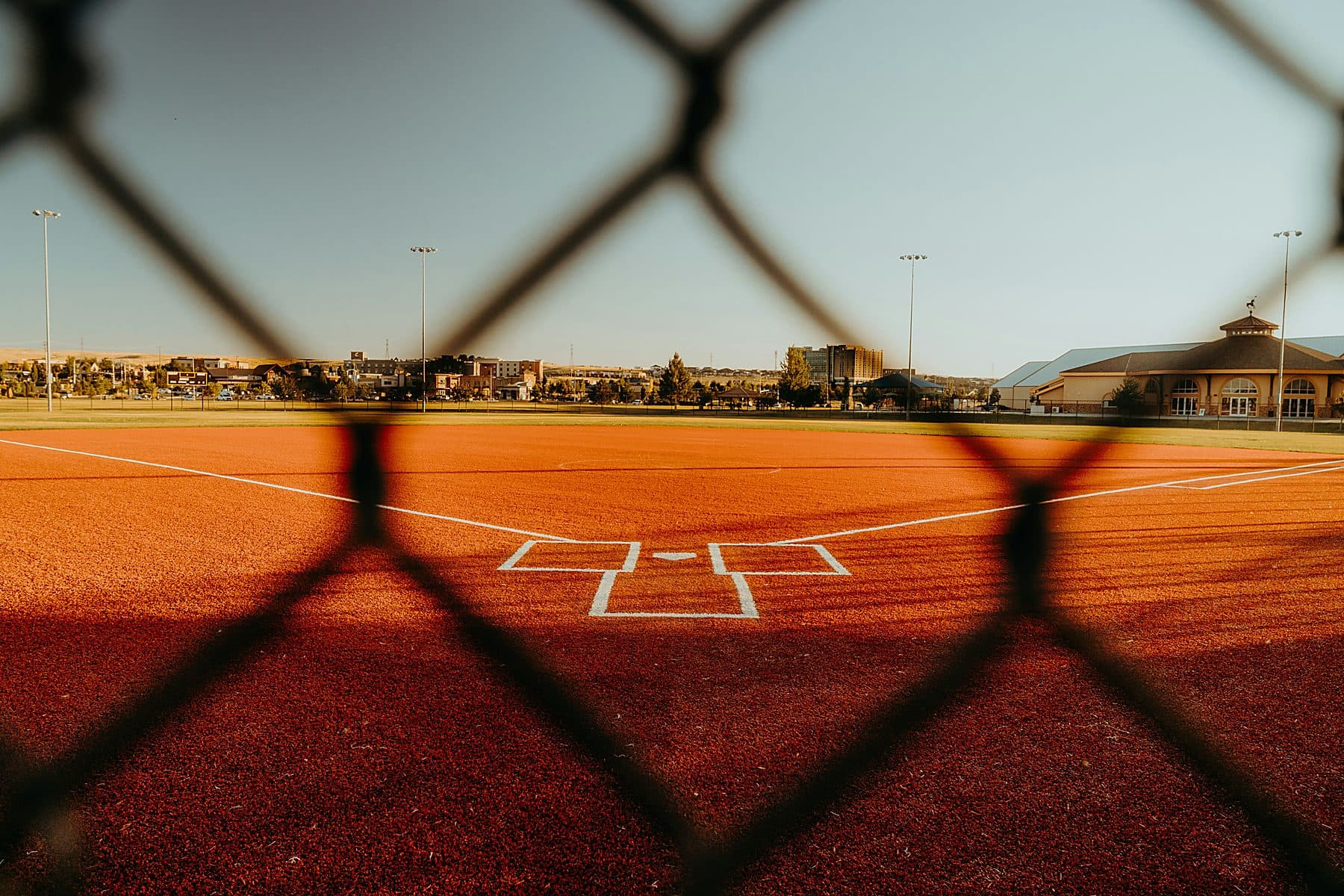
Part 3 of 3 in a series on the people who call the game. Part 1: Everybody Thinks the Umpire Is Bad. Part 2: Why the Umpire Gave Them That Call.
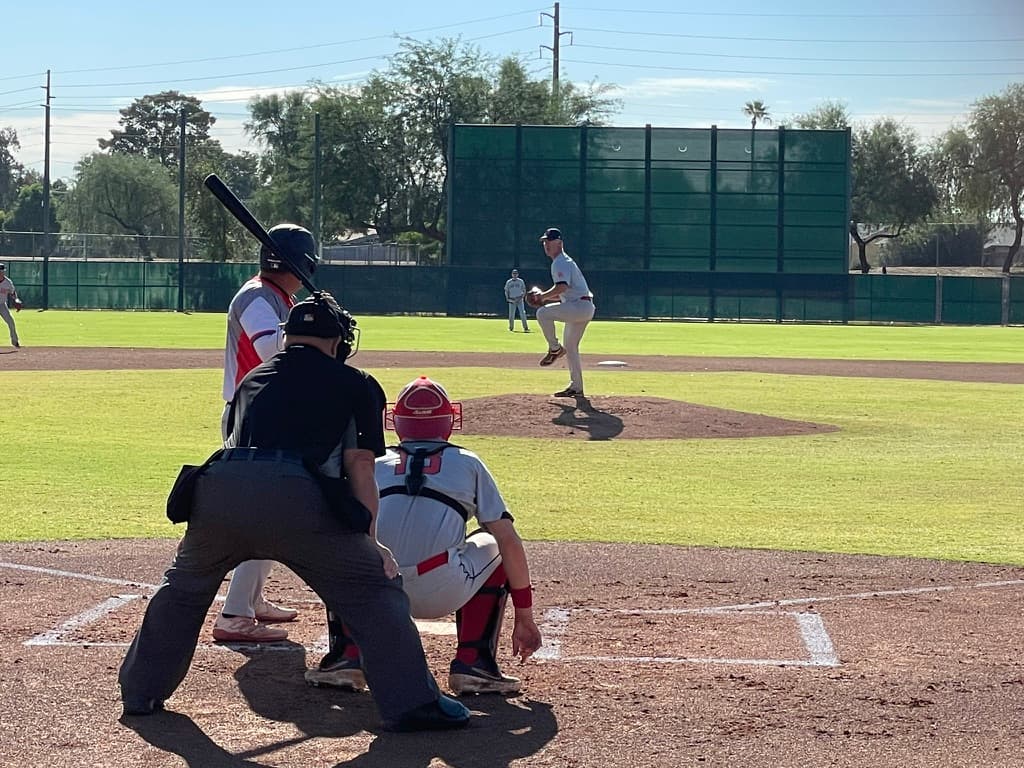
Here is how a youth baseball game can end. The teenager in the mask leaves after the third inning, and nobody replaces him. Two coaches look at each other. Somebody has to stand behind the mound and call balls and strikes, and nobody wants it.
I want to be honest before I scare you. The national number of officials has actually recovered. Local youth games are still short. Both things are true, and the second one is the one your kid feels.
Let me say the honest part first
The National Federation of State High School Associations counted 237,811 registered high school officials in 2024-25 across 36 member associations. That is up 14,432 in a year and about 8% above 2018-19. Baseball was 1% above its pre-pandemic level. So if somebody tells you there is no one left, the national data says otherwise.
The dip was real, though. In 2022 the same group said about 50,000 officials had left since 2018-19, from about 240,000 to 200,000, with many near retirement when COVID forced the issue. And even after the rebound, NFHS says a significant nationwide need remains.
So the headline is not "no umpires." It is that the workforce is old, the first-year umpires are leaving, and local youth games feel it first.
Where it really hurts
In a 2023 survey of 35,813 officials, the average age was 56.68, up from 53.29 in 2017. And 79.06% said they took on more assignments because of shortages. That is a lot of people covering extra games.
The local stories are the ones that stick. The Old Dominion Umpire Association near Richmond said in July 2026 that it needs at least 30 recruits, and some fields use one umpire instead of two. An umpire director in Bellingham, Massachusetts, said "We can't have a game" without an umpire. The Whatcom County Umpires Association in Washington had 22 umpires last season and might be down to about 15 or 16.
That is the shape of it. Not an empty country. A lot of small places with one person missing.
How a game gets an umpire
Here is something I learned on a Sunday in October 2026, in a men's league game in Florida, from the umpire working it. He told me he played high school ball and a little Division II, then got into umpiring. His games come through a website called Arbiter, and I asked whether umpires pick up extra shifts. He said it depends on the umpire.
Our manager said high school fields are rented through Arbiter too.
I looked it up. Arbiter makes referee scheduling software that matches officials to games by skills and availability and checks eligibility before assigning. It replaces spreadsheets, phone calls and emails. I do not have a number for how many umpires start where he did, a former player who ended up in the gear. It is a story I heard once, and I find it believable.
Umpires do not magically appear. Somebody assigns them. Somebody has to be on the list.
Why they quit
If I had to bet on one reason, it is us.
Old Dominion's commissioner says fan and coach behavior, including berating, is the top obstacle to recruiting and keeping younger umpires. NFHS says almost 80% of officials quit after the first two years and cites unruly parents. I could not find the study behind that figure, so take it as NFHS's claim. The same piece says 62.3% of more than 2,000 athletic directors named aggressive parents and adult fans as the least-liked part of the job.
In the 2023 survey, more than half of officials had feared for their safety and nearly 12% had been physically assaulted. Barry Mano of the National Association of Sports Officials told the Philadelphia Inquirer that parents are less held back by social norms than they used to be, and that officials get insulted online too. See the Inquirer's report.
I wrote in part one about a 13-year-old in Colorado and the adults who fought over his call. I do not want to repeat it. I want you to notice that it keeps showing up.
What I see online
I follow a lot of baseball pages, and I constantly see the horror stories on social media. Umpires punched, pushed, screamed at. Parents yelling at an 18-year-old umpire is despicable, and in the clips I see, the parents are often just straight wrong.
It goes both ways, and I would be lying if I left that out. Some umpires carry a chip on their shoulder after years of dealing with bad parents. If you know what to look for, you can spot it from far away. I understand how they got there. It still makes the next game worse for everybody.
What the law is starting to do
NASO's 2026 scorecard counts 24 states with assault or harassment laws that protect officials, 22 of them criminal and 2 civil, and both Washington and West Virginia passed new laws in 2026. A law is a floor, not a culture. It tells you where society has drawn the line. We should not need it at a Little League game.
What leagues can do
Pay what you can, and know the norm. Rates run from about $20 at 8U to $50 at 15U at American Legion Youth Baseball to $85 in northern Nevada in 2025 to $110 at TAPPS in Texas in 2026-27 for a varsity game, in the places I checked. Little League expects volunteers and advises against paying. Pay is not the only reason people stay, but a thank-you that comes with gas money is better than a thank-you alone.
Recruit teenagers, and give them a first game with a mentor. UMPS CARE offers a free six-week course for teens, connects graduates to assignors and helps with gear. American Legion Youth Baseball sets its minimum umpire age at 13. A kid who umpires a 7U game with a veteran nearby learns the job and the game at the same time.
Write a code of conduct and enforce it by removing people. A rule nobody enforces is a poster. Deptford Little League in New Jersey told parents who acted up they could not attend unless they umpired three games themselves. Treat that as one league's response, not a model for everyone. I like the instinct.
What parents can do
Five lines for Saturday.
- Thank the umpire on your way out, every time.
- Never comment on a call in the stands. Not even a mutter.
- If your kid wants to try it at 13, say yes and go watch their first game, quietly.
- Tell the parent next to you, calmly, to ease off.
- Remember your kid is watching how you treat someone who is working for gas money.
What to do about a truly bad call
Even on the worst call, keep your mouth shut. Teach the kids that umpires are not always very good, that they will face adversity in this game, and that you hope it was not on purpose.
If a call is truly ridiculous, there is a better route than yelling. Many games are on video now. A strike called on a ball in the dirt, or an obvious out called safe, can go to the umpire's boss, the assignor or the organizer. In my view an umpire who repeats that kind of call should not keep getting hired. I know that is a pain for the assignor, who then has to find another umpire. It is still the right place for the complaint to land, not on a teenager's face behind the plate.
Expect to be wrong sometimes: the election math
Think of it like an election. A president who wins with 55% has won big. An umpire who gets 55 to 60% of the close calls, five and a half or six out of ten, is having a good day. I mean the hard ones, the calls that could go either way.
That is my own way of thinking about it, not a measured rate. Teach your players never to expect even 50%. Expect the umpire to miss some. Have thick skin, do not complain, keep playing better, and stay humble. The vast majority of umpires are giving you 100%.
Where I'm coming from, and what I can't tell you
I spent one high school season umpiring and a handful of Little League games at PV East in Paradise Valley East, Arizona, and I was nervous every one. I am also a coach and a former pro player, and I know what it is to feel a call go against you.
What I cannot tell you is why any one person you know quit. I only have the research above, plus a conversation on a Sunday. I will not invent a number to make the point sharper.
The last thing
In part one I said without umpires, baseball doesn't exist. I meant it. It is not a line about umpires. It is a line about us.
The answer to "who is going to umpire your kid's game?" is the teenager who sticks with it, the retiree who still shows up, and the former player who gets into it through Arbiter. They stay when we make it worth staying.
CageList is built around where the game connects: players, teams, coaches, facilities and the people who call the game. Leagues already list where and when they play. If you run one, list your team, look at the Little League page, or browse the leagues and teams already here. I am not promising a product. I am telling you which part of the connection I keep thinking about.
If you want where I am coming from on all this, start with The Sunday I Wanted to Lose.
Isaac Hess is a coach, a former pro player and the founder of CageList.
Cover photo by Emmanuel Munoz on Unsplash.
Turn the talk into reps
Every one of these comes back to the same thing: getting on the field and putting in the work. Find cage time near you and go do it.
Related Guides
View all articles
Why the Umpire Gave Them That Call
The umpire is not a camera. He is a person on a long day who also saw how you just acted. What the research says about calls, and what to teach your player instead.
7 min readRead
Everybody Thinks the Umpire Is Bad
Without umpires, baseball does not exist. Isaac Hess on the one season he wore the mask, what the job pays, what a day looks like and what we say to the people in the gear.
8 min readRead
Earn the $500 Bat
A $500 bat is a fair purchase for a serious player. The problem is the order. Isaac Hess on the push-up test and why effort comes before gear.
5 min readRead
Run a travel team? Get your free page.
Baseball or softball. Claim a free directory page, post tryouts, and share cagelist.com/@yourteam with families.
Find your league
Free directories of real leagues and clubs near you. Then book a batting cage to get your reps in before opening day.
1,894 organizations
 leagues in 49 statesAdult hardball near you: MSBL, NABA and independent leagues.Browse men's leagues
 leagues in 49 statesYouth baseball and softball leagues, organized by state.Browse little leagues
 programs in 41 statesTravel and club programs in your region. Find one, or list yours free.Browse travel teams
Join the backyard batting cage community
Talk builds, gear, hosting and player development with cage owners, coaches, parents and baseball families.