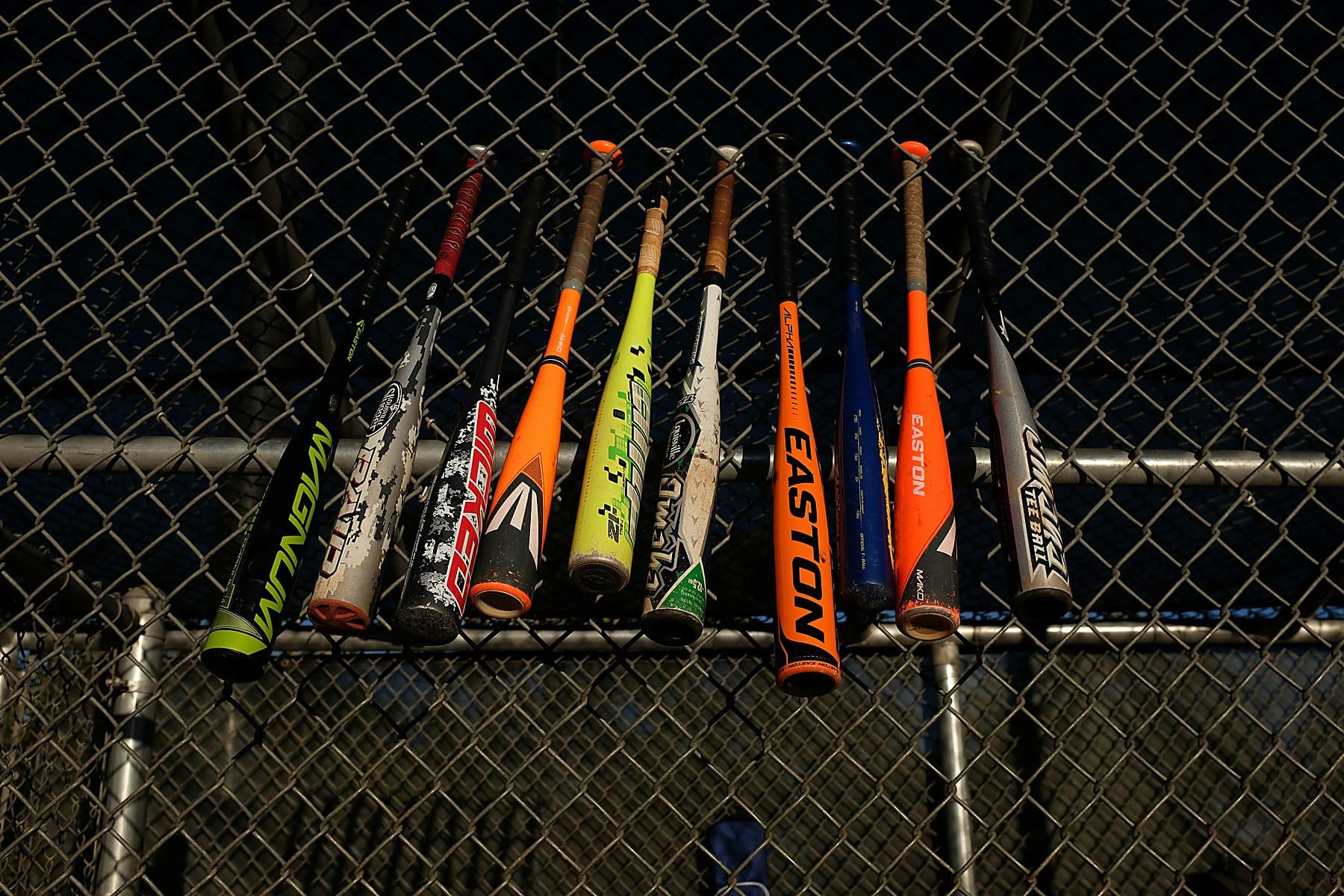
I do not care about mocking parents. That is not what this is.
I care about waking up well-intended ones. The mom who works a double so her son has the best equipment. The dad who researches bats for three weeks because he wants his kid to have every chance. You love your kid. I know.
So let me tell you what I tell my own daughter, who is four.
"How are we going to earn it?"
I tell her: you can have anything you want in the world, but you have to earn it. There is nothing you cannot get. If you do not know how to earn it, find a way, and I will help if you ask.
Say she tells me she wants a $500 bat. I do not say no. I say, let's get it. How are we going to earn it?
She taps her head and thinks. Push-ups, she says.
That is it. That is the whole seed. A four-year-old learning that wanting something and getting something are connected by work, and that her dad is on her side while she does the work. I am planting the champion seed, and I would rather plant it at four than try to dig it in at fourteen.
I am not anti-gear
I want to be clear, because this part gets twisted. I believe you get what you pay for. I buy quality. If you are serious, a good bat is a fair purchase.
Premium composite bats run roughly $300 to $500, with the top BBCOR models about $500. That is the top of the market, and some families pay it. No judgment on the money.
My problem is the order. A kid should not get a $500 bat before he understands what it costs, or before he has earned it. When it arrives first, a few things go wrong. He does not value it, because things that are not earned are not valued. He starts to believe the bat is the swing. And he skips humility, which is the one thing a ballplayer cannot skip.
I think that sends a kid down the wrong psychological road. That is my opinion and I hold it firmly. I wrote a version of it in Big Travel Ball: buy the gear last.
What I tell my players
On my teams, I tell them there is no team we cannot beat.
I mean it. It is a level playing field, even against a twelve-year-old who throws hard. We do not want an easy draw. We want to face the best, because that is where you find out what you have.
You cannot say that to a kid and also hand him gear in place of work. If you believe you can beat anyone, you have to know you did the work to deserve the chance. Otherwise you are hoping.
The push-up test
So here is my test, and it is simple. If you are serious and you want the $500 bat, you cannot be unable to do push-ups.
If you can do ten, good. We are talking.
You cannot be a doctor without studying. You cannot build a house without ever swinging a hammer. You cannot fly to the moon without astronaut training. And you should not ask for the best bat in the bag if you have not done the thing that makes the bat matter.
It is not about the push-ups. Push-ups are free. It is about whether your kid has ever done something hard on purpose to get something he wanted.
Why I care this much
In my view, nobody reaches the big leagues without understanding humility, process, grind and earning things. It is too hard to get there any other way. So a kid who learns that lesson early is not just a better teammate at ten. He is building the thing that has to be there at eighteen, and twenty-five.
And at twelve, your kid does not need to be the best player on the field. He needs to get stronger, bring home good grades and be someone a coach wants around. The ranking can wait. The habits cannot.
Buying the gear first is a shortcut, and I do not believe the shortcut works. The kid ends up with a nice bat and no idea why he is holding it.
For the well-meaning parent
Here is what I would do tomorrow if I were you. None of this costs money.
Name the price. Tell your kid what the bat costs in plain dollars, and what it costs you in hours of work. Kids understand that faster than we expect.
Ask the question. When your kid asks for something big, say what I say. Let's get it. How are we going to earn it? Then let him come up with the answer. The answer he picks matters less than the fact that he picks one.
Pick the work that builds the player. Push-ups, getting stronger, good grades, showing up on time, being coachable. Earning a bat by doing the things a baseball player actually needs is the best deal in the game.
Watch the order. Effort first, gear second. If the bat is already in the bag and the work has not started, it is not too late. Start the work now.
Where the reps happen
This is a big part of why I started CageList. The earning happens in the cage, in the backyard, on a dirt field with a coach who knows the kid is capable of more.
If you want your player to do work worth the bat, find a coach who teaches the game the right way, or look at lessons for kids. Then find a cage near you and get the reps in.
Then, when the push-ups are done and the work is real, buy the bat. He will know what it cost.
Isaac Hess is a coach, a former pro player and the founder of CageList.
Cover photo by Quilia on Unsplash.
Turn the talk into reps
Every one of these comes back to the same thing: getting on the field and putting in the work. Find cage time near you and go do it.
Related Guides
View all articles
The Baseball Gods Are Real
Game 7 of the 2025 World Series came down to one stumble, one throw and one foot. Isaac Hess on why he believes the baseball gods give the calls to the people who earn them.
7 min readRead
Why the Umpire Gave Them That Call
The umpire is not a camera. He is a person on a long day who also saw how you just acted. What the research says about calls, and what to teach your player instead.
7 min readRead
I Was a Coach With Nowhere to Coach. So I Built CageList.
For years I gave baseball lessons in Los Angeles, and the hardest part was never the coaching. It was finding a place to do it. Isaac Hess on why he built CageList.
6 min readRead
Run a travel team? Get your free page.
Baseball or softball. Claim a free directory page, post tryouts, and share cagelist.com/@yourteam with families.
Find your league
Free directories of real leagues and clubs near you. Then book a batting cage to get your reps in before opening day.

Join the backyard batting cage community
Talk builds, gear, hosting and player development with cage owners, coaches, parents and baseball families.