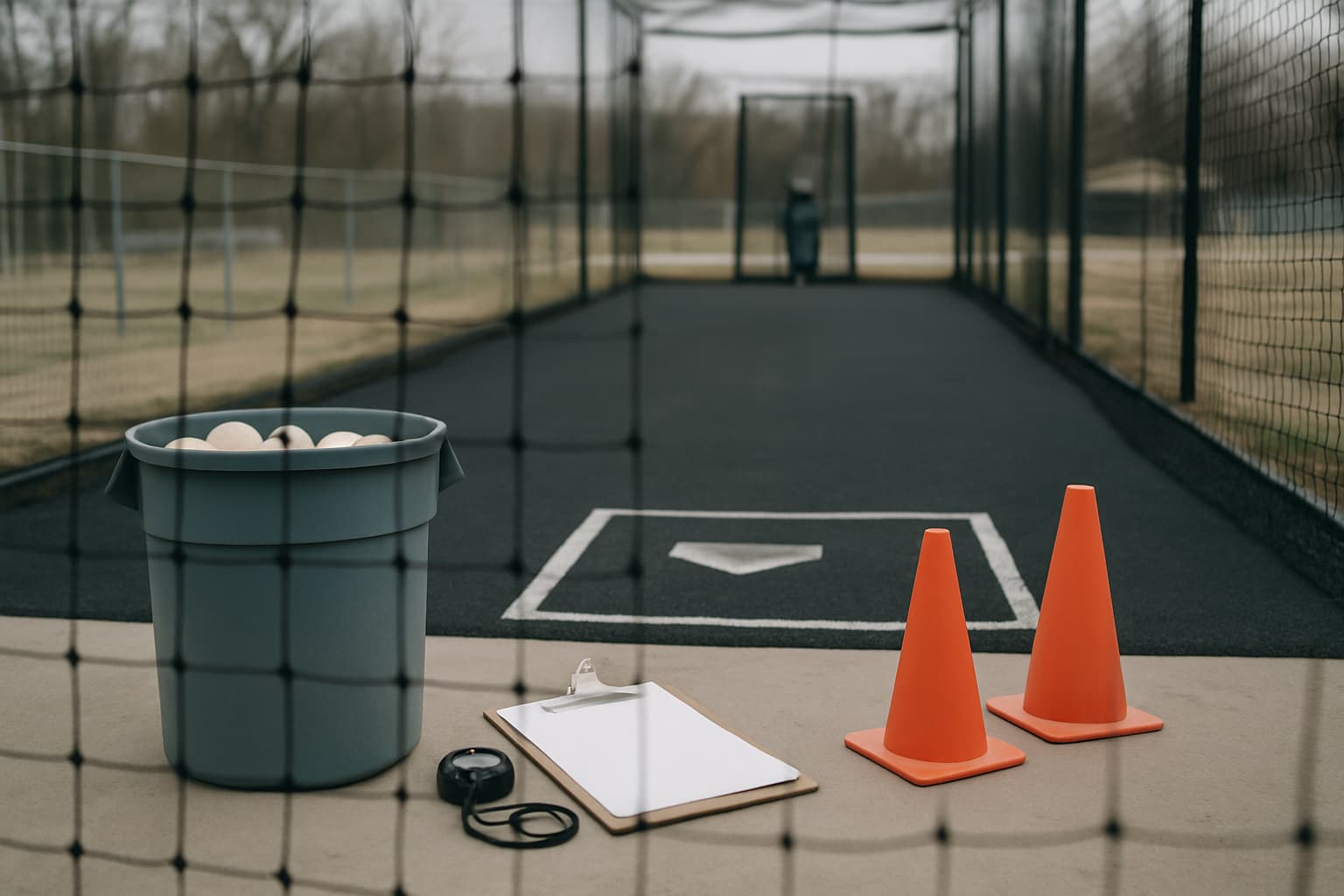
Hitting a baseball or softball is one of the most challenging skills in all of sports. For beginners, mastering the fundamentals is the key to long-term improvement. Here's a structured guide to the core hitting techniques every new player should learn.
1. The Grip
Hold the bat with the "door-knocking knuckles" (middle knuckles) aligned for most players. Avoid gripping too tight — a tension-free grip allows for faster bat speed and better feel at contact. The bat should rest in the fingers, not the palm.
2. The Stance
Stand in an athletic position with feet shoulder-width apart. Knees slightly bent, weight balanced or slightly back-loaded. Keep your head level and eyes on the pitcher. Avoid overcomplicating your stance — consistency is more important than style.
3. The Load
As the pitcher begins their motion, shift your weight slightly to your back foot. This "loads" energy that will transfer forward into the swing. The load should be subtle and timed with the pitcher's delivery.
4. The Stride
Take a short, controlled step toward the pitcher as the ball is released. The stride foot lands softly on the ball of the foot. Avoid striding too far — it shifts your weight forward prematurely and causes you to lunge at pitches.
5. Hip Rotation
Hitting power comes from the lower half. Drive your back hip forward and rotate your hips toward the pitcher. Think "squish the bug" with your back foot — your back heel should come off the ground through the swing.
6. Bat Path and Contact
The bat should travel on a slight downward or level path into the hitting zone. Contact should happen out in front of the plate for outside pitches and deeper for inside pitches. Stay short to the ball and extend through contact.
7. Follow-Through
A complete follow-through — where the bat finishes high on the opposite shoulder — ensures full power transfer and proper mechanics. Don't stop your swing at contact.
Building Muscle Memory
The fastest way to improve hitting mechanics is consistent, high-quality reps. A batting cage gives you a controlled environment for repetition. Even 100 swings per day at the correct mechanics will show dramatic improvement within weeks.
Final Thoughts
Master one fundamental at a time. Don't try to fix everything at once. Video yourself swinging and compare to players whose mechanics you admire. And get to the cage regularly — there's no substitute for reps.
Keep exploring on CageList
- Structure your next cage session
- Browse batting cage drills
- Get better off a pitching machine
- Find batting cages near you
Practice structure that makes this stick
For Hitting Techniques for Beginners: Mastering the Fundamentals, a player should turn the idea into a repeatable cage plan. Start with a warm-up round, move into one focused drill, then finish with a short challenge round that feels closer to a game. The challenge can be simple: hard contact to the middle, take pitches outside the plan, or execute a two-strike swing for ten reps.
That structure keeps the session from becoming random swings. It also helps parents and coaches see whether the drill is working. When the player needs more reps, CageList search can help find a nearby space that matches the session.
When to use a cage for this
Hitting Techniques for Beginners: Mastering the Fundamentals becomes easier to apply when the player has a controlled place to repeat the movement. A cage removes defensive distractions and lets the hitter focus on timing, contact quality, pitch selection, or mechanics. Short sessions can be especially useful because players can make one adjustment, test it, and come back later without needing a full team practice.
That is why CageList connects training advice to nearby cages. Better access creates more chances to practice with intent.
Find a baseball league near you
Put your work into a real season — men's leagues, Little League, and travel teams, all in one guide.
Related Guides
View all articles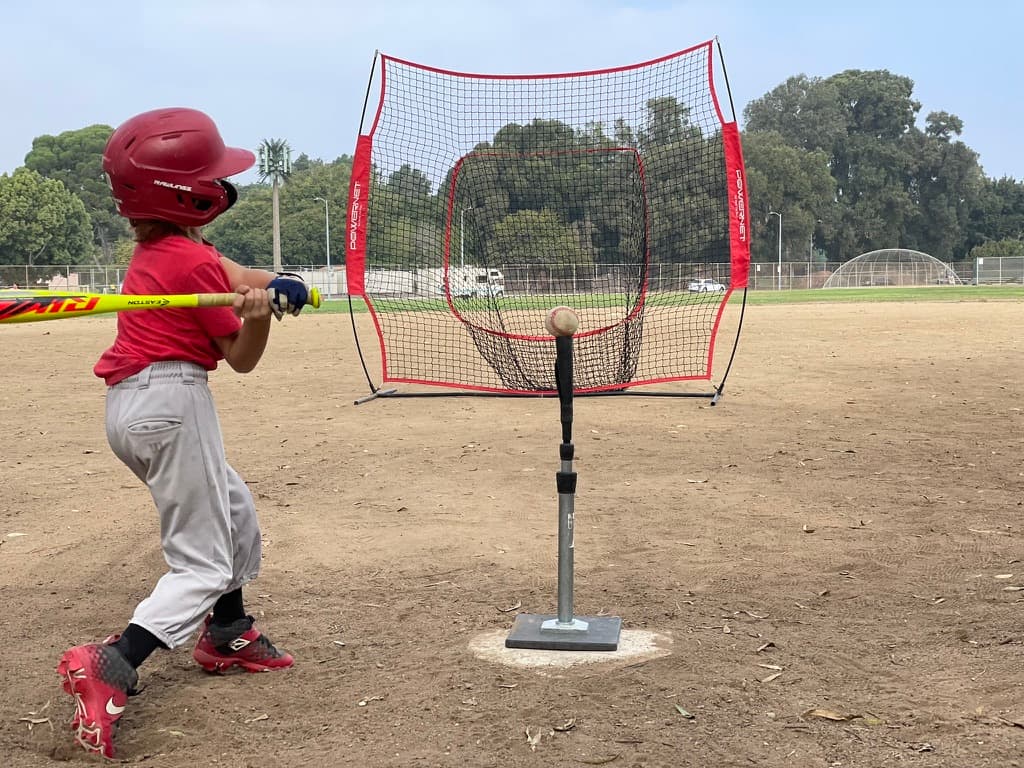
Training & Hitting
Practicing Hitting at Home Between Cage Sessions
You can not book a cage every day, but you can still get quality swings at home. Here is how to build a simple at-home hitting routine between rentals.
Training & Hitting
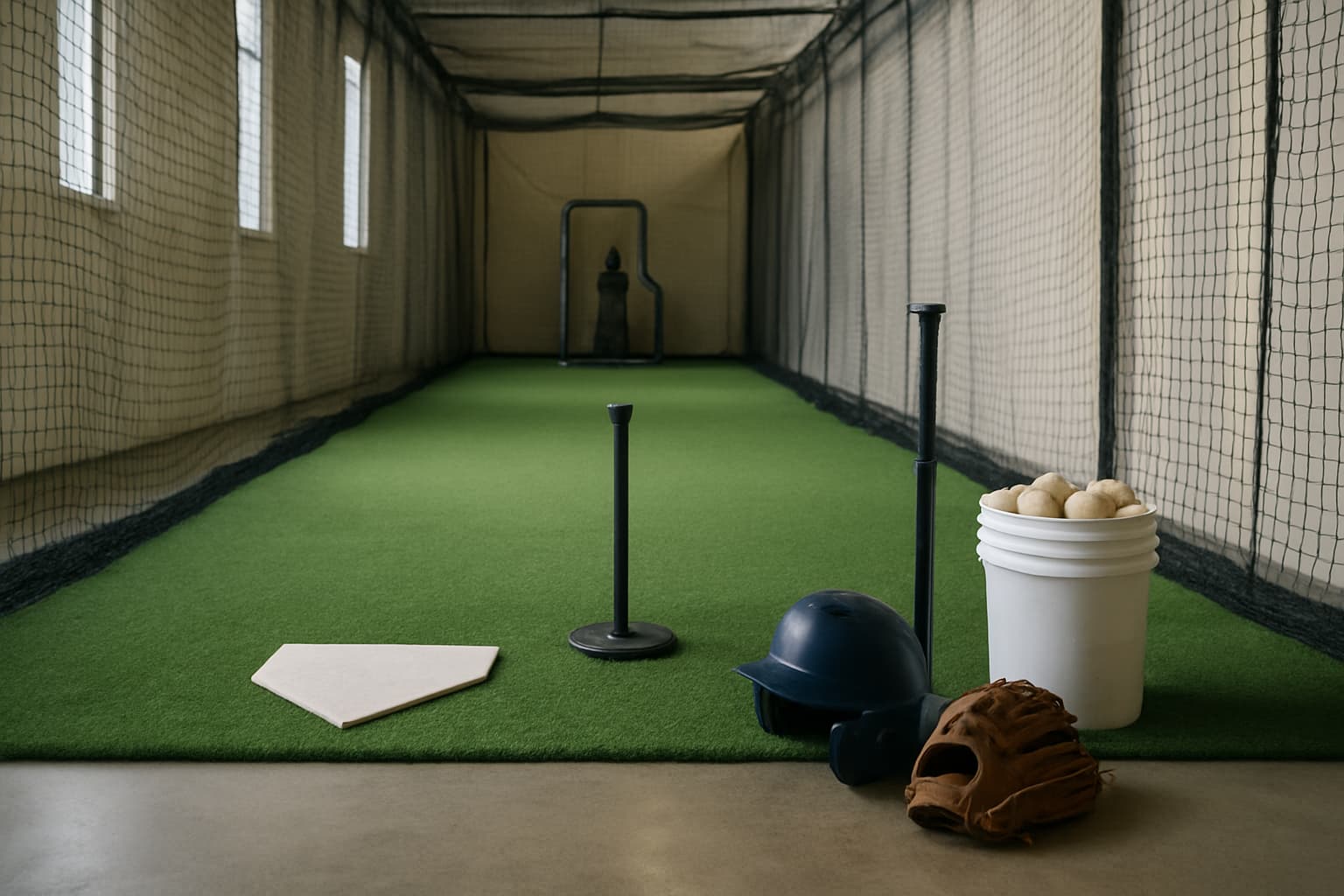
How to Run a Hustle Ball Class: Coach Pitch, Close Games, Teachable Moments
A coach's how-to for Hustle Ball™ — manage pace with coach pitch, keep games close, rotate positions, and teach without killing the energy.
Training & Hitting
Hustle Ball: Why One Practice a Week Should Feel Like a Real Game
MADE Baseball's Hustle Ball™ — coach-pitch live play that keeps kids loving the game. Why one weekly practice should feel like a real game, not only drills or tournaments.
Run a travel team? Get your free page.
Baseball or softball. Claim a free directory page, post tryouts, and share cagelist.com/@yourteam with families.
Find your league
Free directories of real leagues and clubs near you — then book a batting cage to get your reps in before opening day.
1,000 organizations

Join the backyard batting cage community
Talk builds, gear, hosting and player development with cage owners, coaches, parents and baseball families.