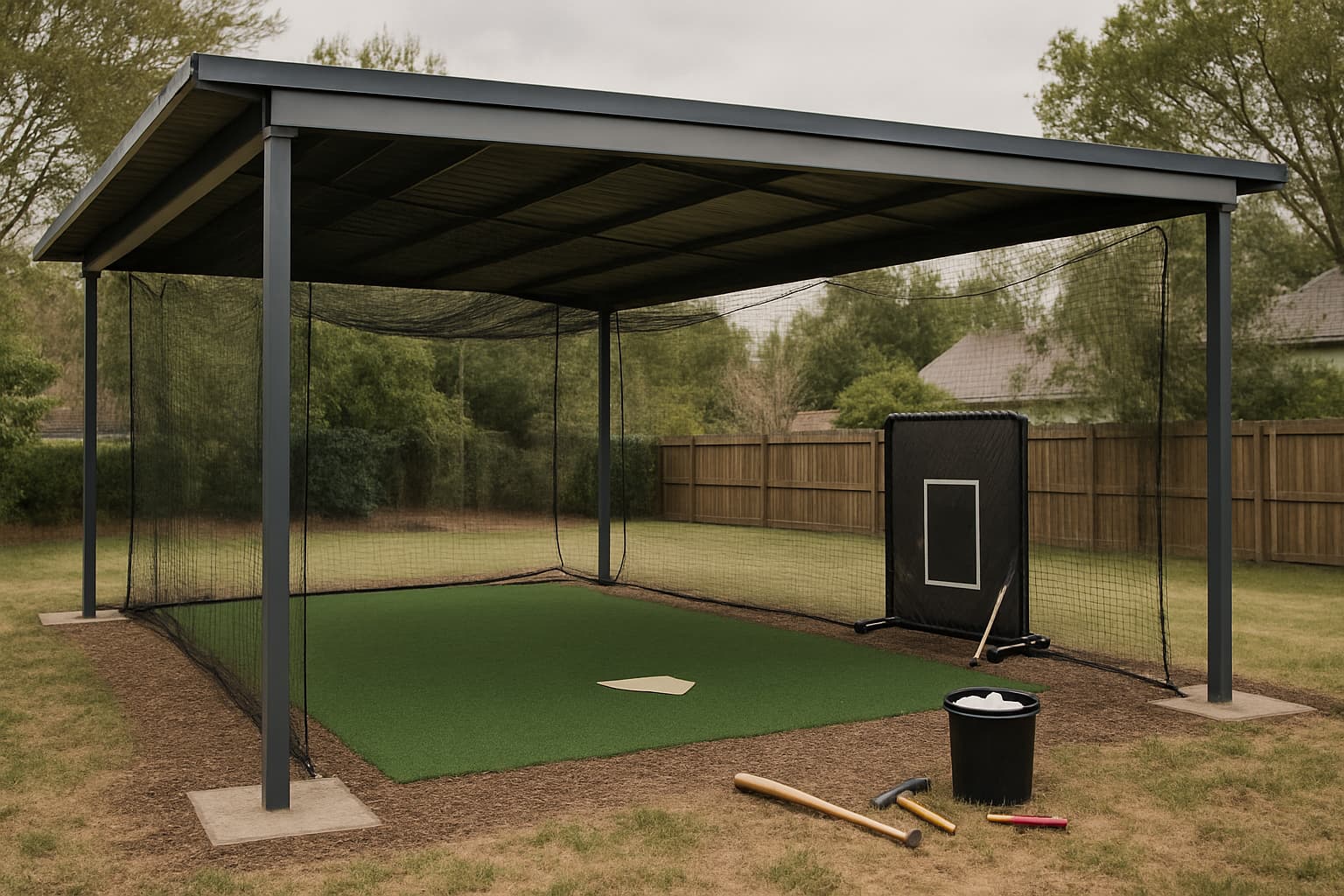
The installation quote usually lands somewhere between "that's half the cage again" and "that's more than the cage." So the DIY question is legitimate — and the answer isn't one-size-fits-all. It depends on which cage you're building, which skills you own, and which of the installer's jobs you can honestly replicate. Here's the decision, laid out straight.
What You're Actually Paying an Installer For
Professional installation isn't assembly labor — flat-pack muscle is the cheap part. The fee buys four harder things: site work (grading, drainage assessment, base compaction — the invisible layer that decides whether the cage is level in year three); footings (holes below frost line, properly cured concrete, posts that stay plumb); tensioning (cable and net systems squared and tightened so the net hangs true — the difference between a crisp cage and a saggy one); and accountability (when a post leans next spring, it's their phone that rings). Our frame guide covers why the footing and tension details matter so much.
The Honest DIY Assessment
Genuinely DIY-able: fiberglass kit cages — they're designed for it. No concrete, forgiving tolerances, a weekend with two adults. If that's your build, save the money without guilt. DIY-able with skills: steel frames on flat ground, if you've set fence posts, poured concrete, and own a transit or laser level. Budget two to three weekends and rent an auger. Hire it: sloped or poorly draining sites, long-span steel with intermediate posts, turf-over-base floors (compaction is equipment-dependent — see the surface guide), and any build where a mistake means re-pouring concrete.
The Numbers
Professional install typically adds $1,500–$5,000 to a backyard build depending on site and structure — real money against the totals in our cost breakdown. DIY spends instead in tools ($200–$500 in rentals and purchases), materials waste (first-timers over-order or re-buy, reliably 5–10%), and time (30–60 hours for a steel build you've never done before). For kit cages the DIY savings are nearly pure; for full steel-and-turf builds the gap narrows fast.
The Hybrid Most Builds Should Consider
Split the job at the concrete line: hire out site prep, footings, and base compaction — the skill- and equipment-heavy 30% — then assemble frame, net, and accessories yourself. You keep most of the savings and outsource all of the ways a build goes permanently wrong. Before committing either way, book an hour in a couple of well-built private cages nearby and look hard at their footings, tension hardware, and floors: seeing two finished builds calibrates your self-assessment better than any checklist. Whichever route you choose, our DIY build guide maps the full sequence from site prep to first swing.
Seven Questions That Sort Good Installers From Cheap Ones
If you do hire, the estimate call is your quality filter. Ask: How deep do you set footings here, and is that below our frost line? (Vague answer, wrong installer.) Who handles utility marking? (The answer must be "we call 811," not "you should check.") What base preparation is included under turf, and compacted to what depth? How do you tension the net — passes or corners? What does the workmanship warranty cover, for how long, and is it written? Can I see two local builds older than three years? (Every installer has photos of last month's work; the three-year-old cage is the honest portfolio.) And finally: what will you NOT do? A pro who says "we don't pour slabs, we sub that out" is telling you where their real competence lives — which is exactly what you're paying to know.
Frequently Asked Questions
How long does professional installation take?
Typically 1–3 days on site once materials arrive — plus the scheduling lead time, which in spring can be weeks. Plan the build for the off-season.
Can one person install a kit cage?
Assembly wants two people for pole raising and net hanging. The rest is solo-friendly.
What's the most common DIY mistake?
Skipping ground prep — building on unleveled, uncompacted ground. Every downstream problem (leaning posts, sagging nets, puddles) starts there.
Do installers warranty their work?
Reputable ones warranty workmanship (commonly a year or more) separate from the manufacturer's material warranty. Get both in writing.
Get the numbers
Get your free batting cage cost estimate
Enter your email and we'll send you an itemized build breakdown — frame, netting, turf, lighting, and install — plus what a cage like yours could earn if you rent it out.
No spam, unsubscribe anytime. Prefer the interactive tool? Open the full cost calculator.
Already have a cage?
Rent it out when you're not hitting
Players, parents, and coaches near you are looking for cage time. Listing is free, you set your own price and hours, and you approve every booking.
Related Guides
View all articles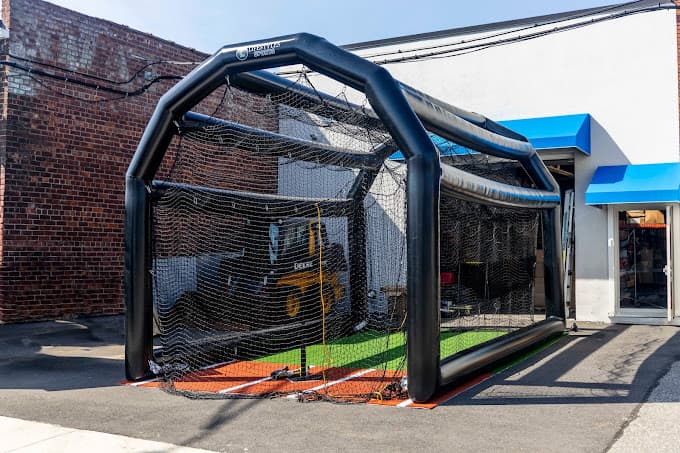
Build a Batting Cage
Inflatable Batting Cages: What They Cost, and Whether They Pay for Themselves
Inflatable batting cages run from $1,500 party units to $10,000 branded commercial builds, and only one manufacturer publishes a real price. What each tier costs, why $3,999 is not the price of a cage, and the booked hours it takes to pay one off.
Build a Batting Cage
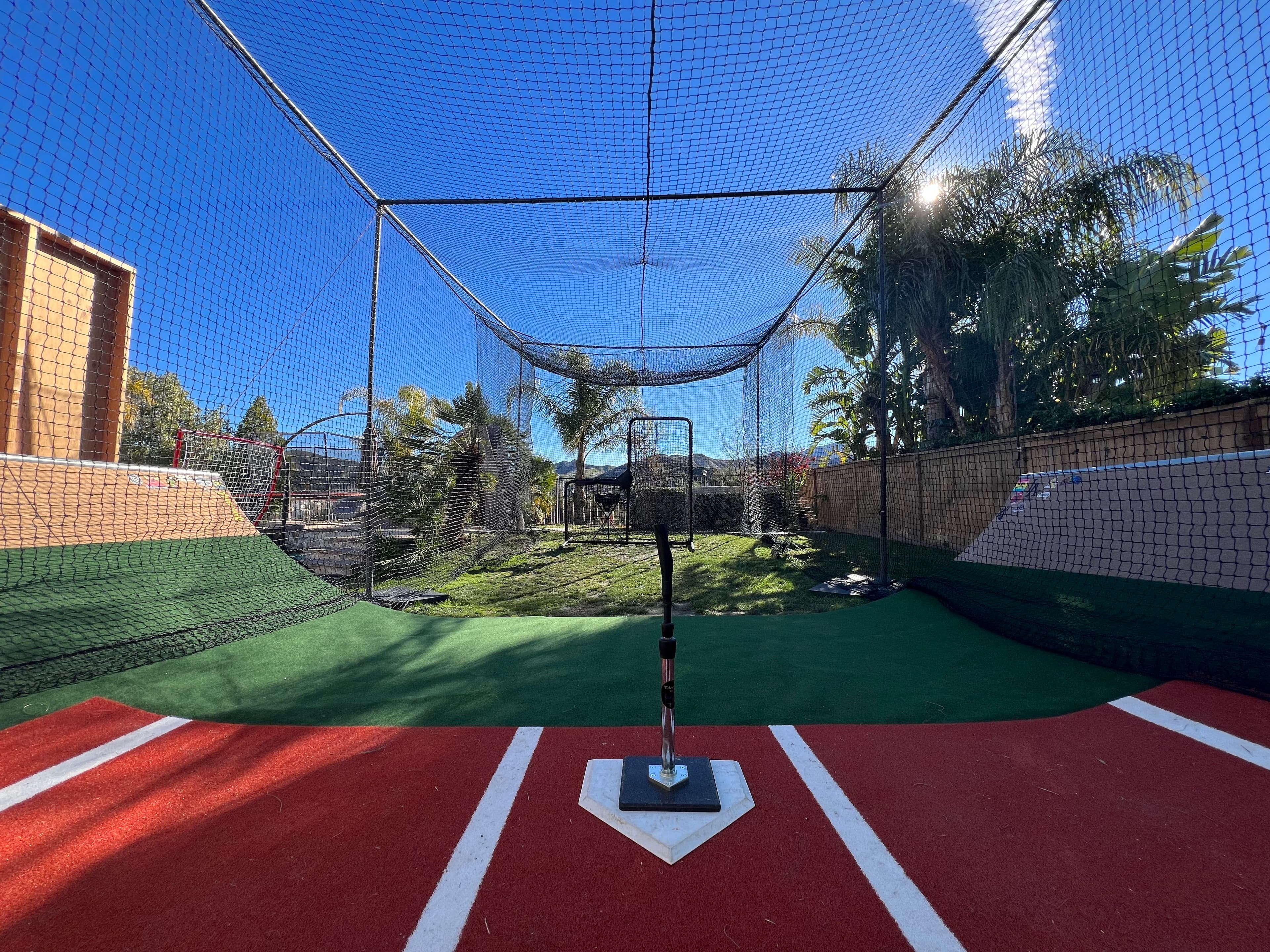
27 Types of Batting Cage: A Photo Field Guide to Every Backyard Setup in America
Barn conversions, driveway slivers, retractable tunnels, ranch cages and climate-controlled outbuildings. A photo field guide to 27 kinds of batting cage, built from 214 real bookable listings on CageList, with what each one costs and who it is for.

Build a Batting Cage
Backyard Batting Cage Kits, Compared: What You Really Get at Each Price (2026)
Every price tier of backyard batting cage, honestly compared — the companies, the netting grades, the realistic lifespan, and what a cage that survives real hitters (or paying renters) actually needs.
Run a travel team? Get your free page.
Baseball or softball. Claim a free directory page, post tryouts, and share cagelist.com/@yourteam with families.
Find your league
Free directories of real leagues and clubs near you — then book a batting cage to get your reps in before opening day.
1,000 organizations


Join the backyard batting cage community
Talk builds, gear, hosting and player development with cage owners, coaches, parents and baseball families.