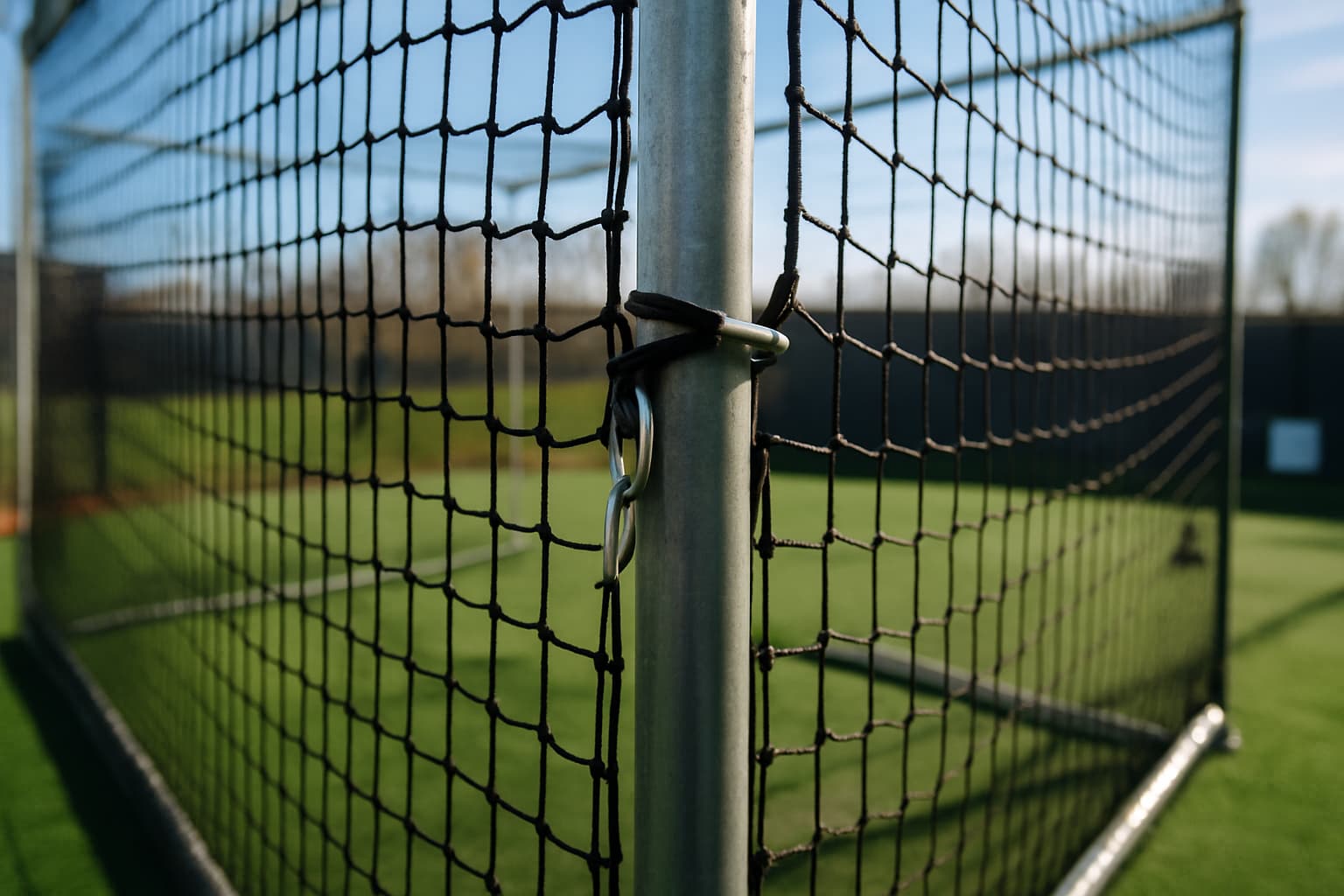
Cage height looks like the boring dimension until the first machine session, when line drives start riding the ceiling net and every ball off the top of the cage kills the rhythm. Here's how to choose between 10 and 12 feet outdoors, what indoor ceilings really require, and when height is worth paying for.
What Height Actually Does
Height buys three things. First, swing clearance: tall players finishing high with a long bat need head-room — a 6'2" high schooler in a 10-ft cage is fine, but his uppercut finish and the net will meet occasionally. Second, ball-flight room: machine work and hard front toss produce rising line drives, and the difference between 10 and 12 feet is the difference between those balls flying free for 40 feet versus slapping the ceiling at 25. Reading true ball flight is half the feedback hitting practice offers. Third, net longevity: ceilings that get hit constantly wear first.
10 Feet vs. 12 Feet Outdoors
Choose 10 ft when the hitters are 12-and-under, the cage is mainly for tee and soft-toss work, wind exposure is a factor (shorter cages handle gusts far better), or the budget is tight — height is surprisingly expensive because it drives pole length, net area, and footing loads all at once. Choose 12 ft for high-school-and-up players, regular machine velocity, or any cage where evaluating ball flight matters. If you're building once for a player who'll grow into it, 12 feet is the future-proof call — our cost guide shows the delta is real but rarely the budget-breaker people assume.
Indoor Ceilings: The Honest Minimums
Garages and basements make great cages with realistic expectations. Eight feet of ceiling supports tee work and flat soft toss for most players — swings stay under it, but ball flight reads as "line drive or not" and nothing more. Ten feet is comfortable for nearly all training. Below eight feet, use it for contact work with restricted-flight balls and rent full flight when you need it: private full-height cages nearby book by the hour, which is exactly how small-ceiling households split their training.
Height Interacts With Everything Else
Taller cages need proportionally stronger frames — a 12-ft fiberglass kit sways where a 10-ft version stands firm, which is part of the frame-material decision in our poles and frame guide — and more net area, which nudges you toward the right twine weight in our netting guide. Plan all three together and the cage feels designed; plan them separately and it feels assembled.
Quick Sizing Cheat Sheet
For the reader who wants the answer without the reasoning: 8U–10U, tee and toss work only — 10 ft is plenty, save the money. 11U–13U, adding machine work — 10 ft functions, 12 ft is the better buy if the player will use this cage into high school. High school and up — 12 ft, full stop; ball-flight feedback is part of the training at this level. Softball note: fastpitch rise balls climb, and hitters working against movement appreciate the taller ceiling even at 14U. Indoor conversions — take whatever the building gives you: 8 ft supports contact work, 10 ft supports nearly everything, and below 8 ft plan on restricted-flight balls and a rental habit for full-flight sessions. When in doubt between heights, price both frames before deciding — the 12-ft premium is often smaller than assumed, and nobody has ever complained about too much headroom.
Frequently Asked Questions
Is 10 feet tall enough for a batting cage?
For youth players and tee/soft-toss work, yes. For high-school velocity and machine training where ball flight matters, 12 feet earns its cost.
What's the minimum ceiling for an indoor cage?
Eight feet for tee work and controlled toss with most players; ten feet for comfortable general training.
Does a taller cage need a different net?
Not a different gauge, but more square footage and often a heavier total weight — check that the frame's rated capacity keeps up.
Can I raise a cage later?
With steel frames, sometimes — pole extensions and new footing checks. With kits, realistically no; you'd re-buy. Build the height you'll need in year three.
Get the numbers
Get your free batting cage cost estimate
Enter your email and we'll send you an itemized build breakdown — frame, netting, turf, lighting, and install — plus what a cage like yours could earn if you rent it out.
No spam, unsubscribe anytime. Prefer the interactive tool? Open the full cost calculator.
Already have a cage?
Rent it out when you're not hitting
Players, parents, and coaches near you are looking for cage time. Listing is free, you set your own price and hours, and you approve every booking.
Related Guides
View all articles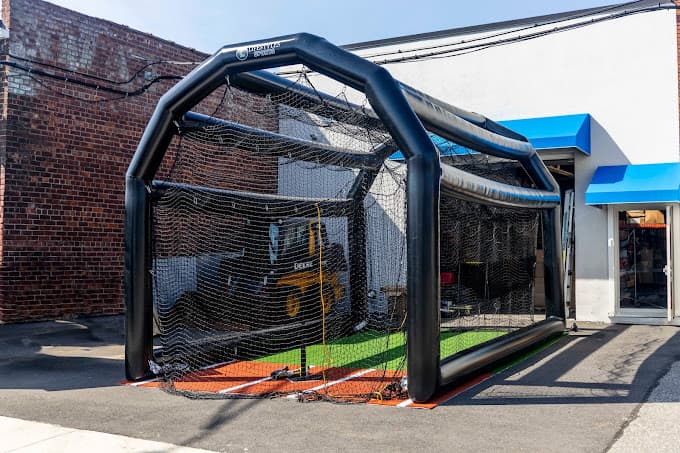
Build a Batting Cage
Inflatable Batting Cages: What They Cost, and Whether They Pay for Themselves
Inflatable batting cages run from $1,500 party units to $10,000 branded commercial builds, and only one manufacturer publishes a real price. What each tier costs, why $3,999 is not the price of a cage, and the booked hours it takes to pay one off.
Build a Batting Cage
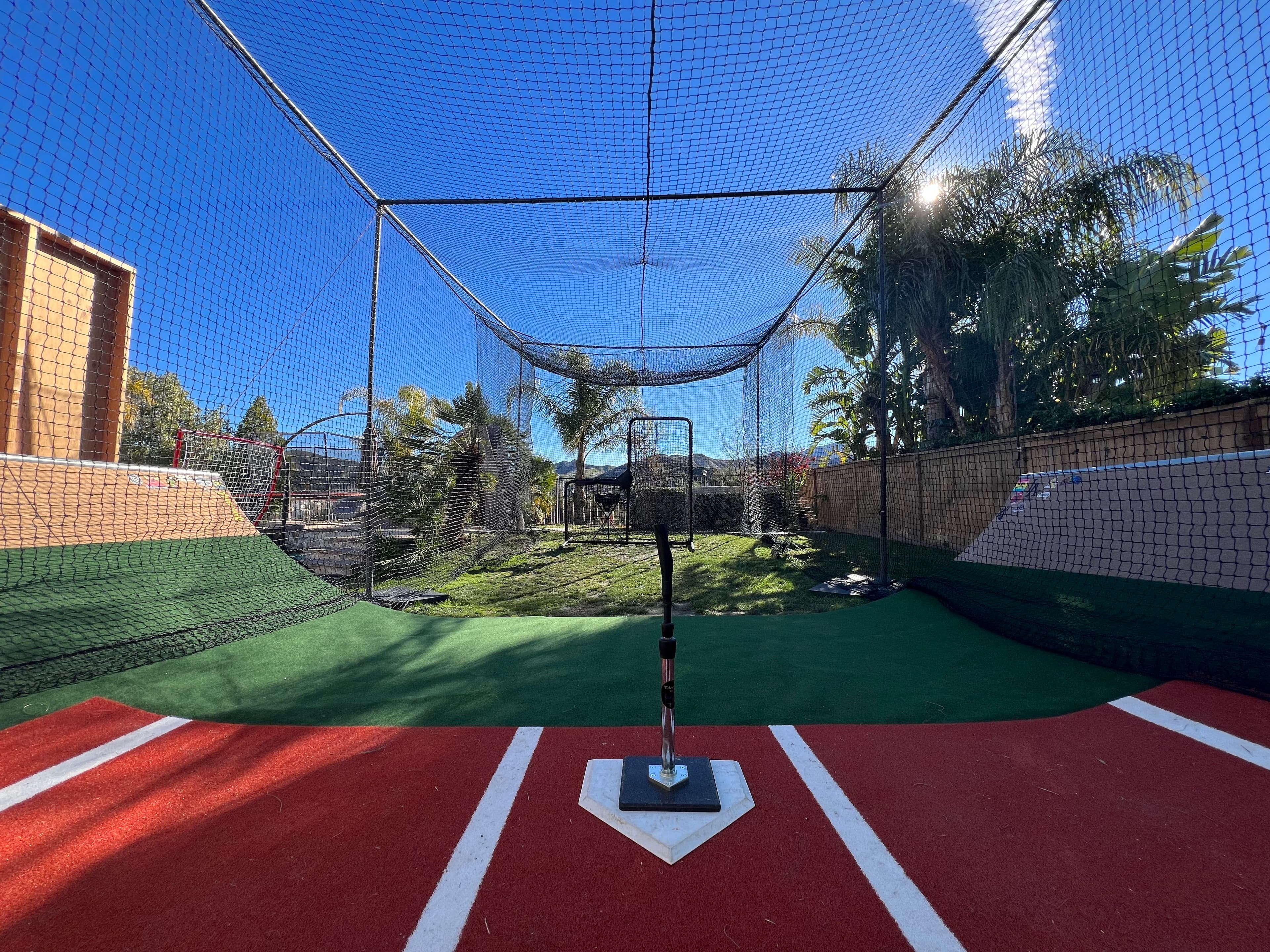
27 Types of Batting Cage: A Photo Field Guide to Every Backyard Setup in America
Barn conversions, driveway slivers, retractable tunnels, ranch cages and climate-controlled outbuildings. A photo field guide to 27 kinds of batting cage, built from 214 real bookable listings on CageList, with what each one costs and who it is for.
Build a Batting Cage
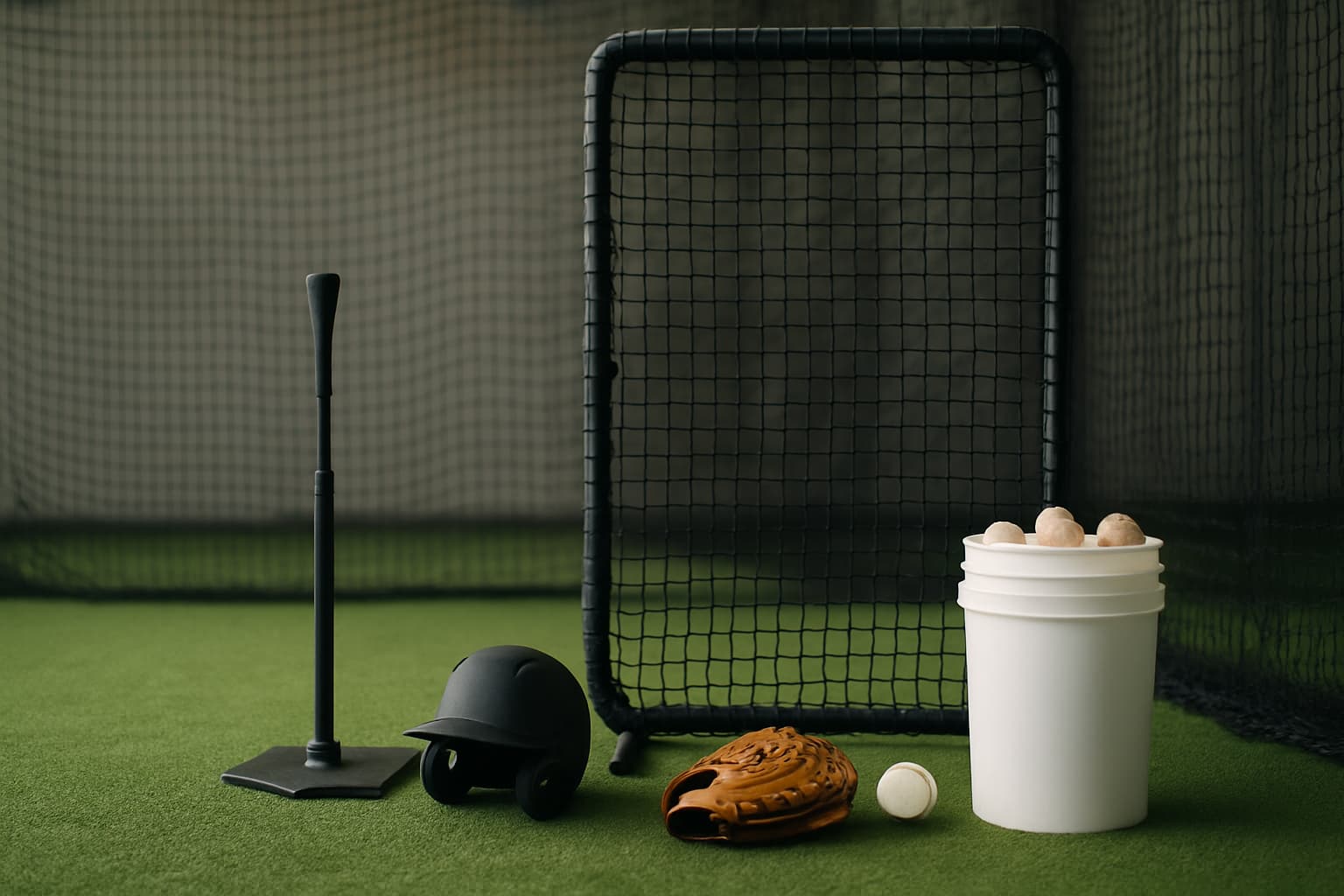
Backyard Batting Cage Kits, Compared: What You Really Get at Each Price (2026)
Every price tier of backyard batting cage, honestly compared — the companies, the netting grades, the realistic lifespan, and what a cage that survives real hitters (or paying renters) actually needs.
Run a travel team? Get your free page.
Baseball or softball. Claim a free directory page, post tryouts, and share cagelist.com/@yourteam with families.
Find your league
Free directories of real leagues and clubs near you — then book a batting cage to get your reps in before opening day.
1,000 organizations


Join the backyard batting cage community
Talk builds, gear, hosting and player development with cage owners, coaches, parents and baseball families.