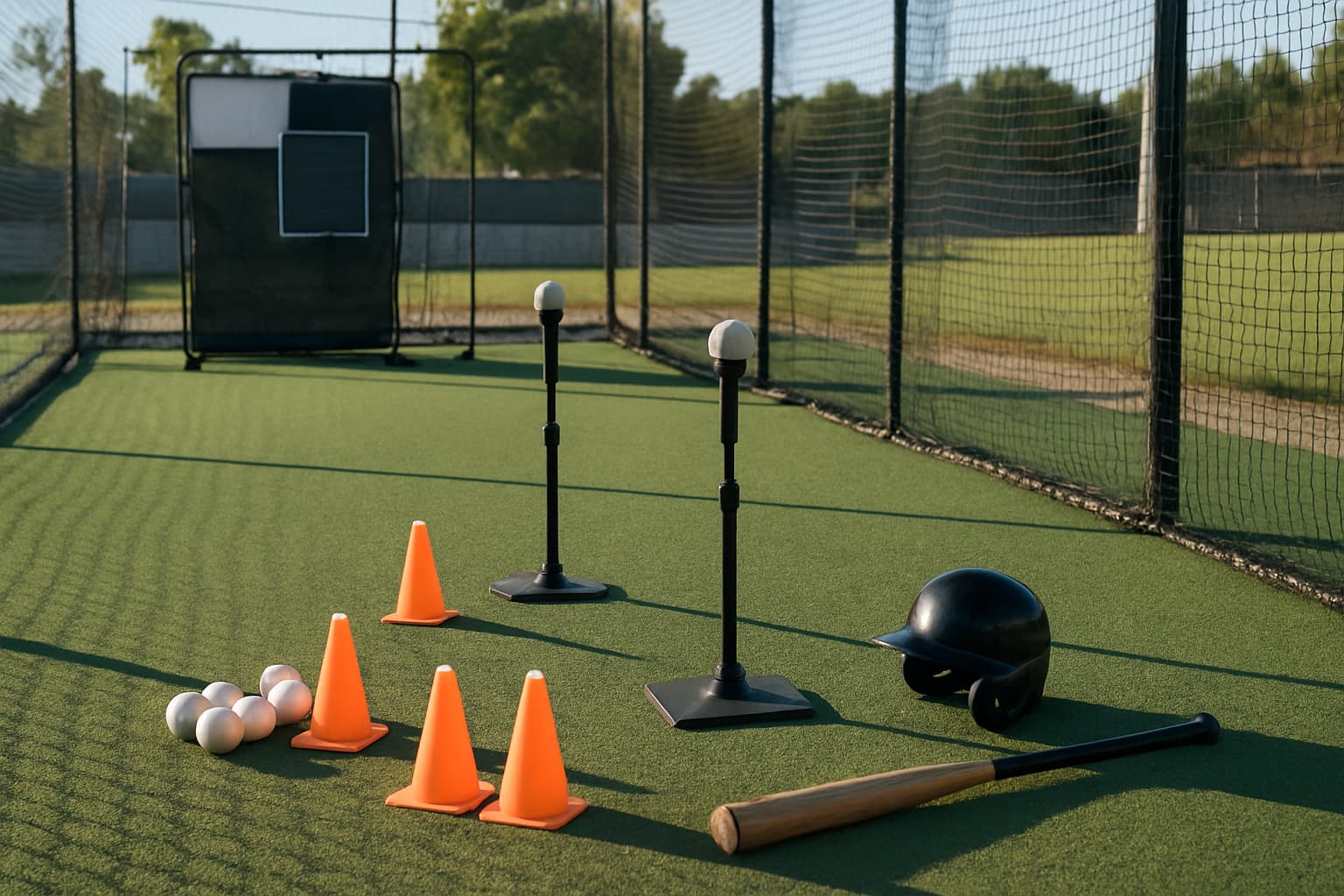
Batting practice is only as valuable as the intention behind it. Showing up and swinging isn't enough — purposeful practice with the right drills and mindset is what separates improving hitters from stagnating ones. Here are 10 ways to elevate your batting practice sessions.
1. Set a Specific Goal for Each Session
Before you pick up a bat, know what you're working on. "Get better" isn't a goal. "Drive pitches to the opposite field" or "work the inner-third on breaking balls" are goals. Intentionality turns repetition into improvement.
2. Use a Pitching Machine with Pitch Variety
Hitting nothing but straight fastballs from a single-wheel machine limits development. Upgrade to a two- or three-wheel machine that throws curveballs and changeups. The pitch recognition reps are invaluable.
3. Incorporate Tee Work First
Even professional hitters warm up on a tee. Tee work isolates mechanics without the pressure of tracking a pitch. Use it at the start of every session for 20–30 swings to groove your path and contact point.
4. Film Yourself from Multiple Angles
Your feel and your actual mechanics often don't match. Film your swing from the side and behind. Review after each session and compare to a player whose mechanics you admire. Adjust next session based on what you see.
5. Practice Hitting to All Fields
Most hitters have a natural pull tendency. Spend 30% of your machine reps intentionally hitting to the opposite field. Use an inside-out swing path and aim at the second baseman (for right-handers) or shortstop.
6. Use the "Opposite Color Ball" Drill
Have someone hold two different colored balls and announce a color as they release. The hitter must identify the color before swinging. This trains pitch recognition and eye focus.
7. Work Different Pitch Locations Systematically
Don't just hit comfortable pitches. Set up your machine or have a feeder throw to specific zones: high, low, inside, outside. Methodically improve your ability to handle all pitch locations.
8. Add Weighted Ball Swings
5–10% of your swings with an overload ball (11–12 oz) builds forearm strength and bat speed. Follow with regular balls to reinforce the fast-twitch feel. This is called contrast training.
9. Practice Under Game-Like Pressure
Give yourself outcomes. "Two-out, bases loaded, need a hit." Visualize the situation before each pitch. This trains the mental side and makes cage work transfer better to game performance.
10. End with Your Best Swings
Don't grind through fatigue swings at the end of a session. Finish when you're still making quality contact — ideally on a positive note. Your brain ingrains the last thing you practiced, so make those reps count.
Find the Right Cage
Great batting practice requires a great cage. Find professional-quality private batting cages near you on CageList — with pitching machines, lighting, and everything you need to train like a pro.
Keep exploring on CageList
- Structure your next cage session
- Browse batting cage drills
- Get better off a pitching machine
- Find batting cages near you
Practice structure that makes this stick
For 10 Ways to Take Your Batting Practice to the Next Level, a player should turn the idea into a repeatable cage plan. Start with a warm-up round, move into one focused drill, then finish with a short challenge round that feels closer to a game. The challenge can be simple: hard contact to the middle, take pitches outside the plan, or execute a two-strike swing for ten reps.
That structure keeps the session from becoming random swings. It also helps parents and coaches see whether the drill is working. When the player needs more reps, CageList search can help find a nearby space that matches the session.
Find a baseball league near you
Put your work into a real season — men's leagues, Little League, and travel teams, all in one guide.
Related Guides
View all articles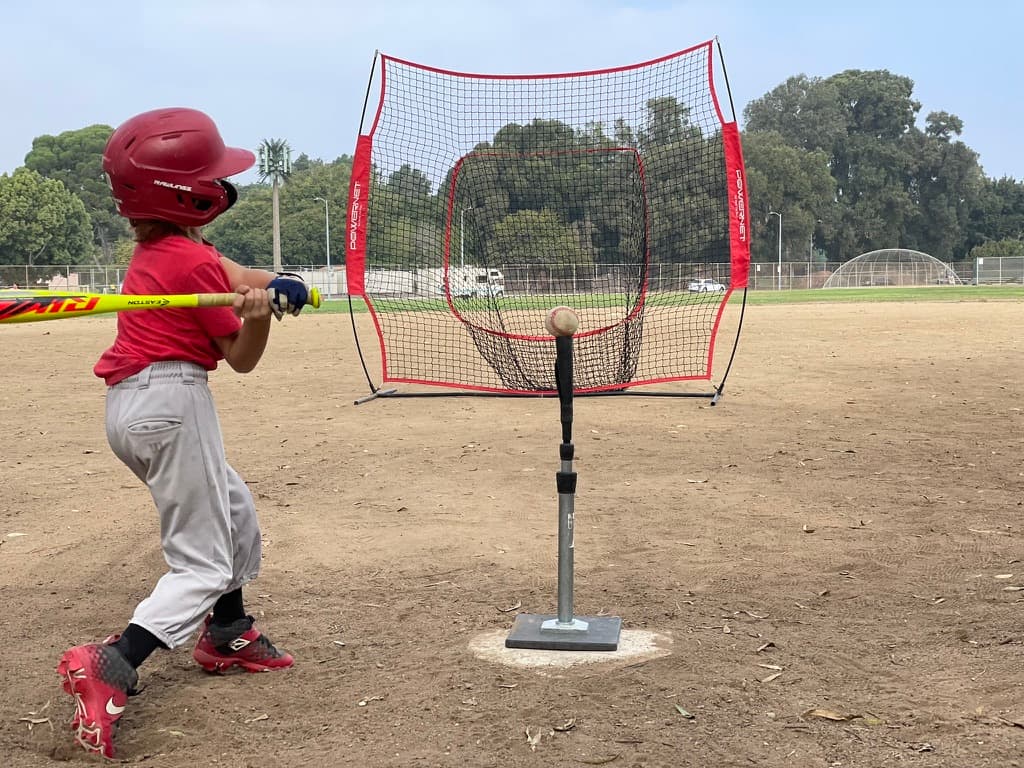
Training & Hitting
Practicing Hitting at Home Between Cage Sessions
You can not book a cage every day, but you can still get quality swings at home. Here is how to build a simple at-home hitting routine between rentals.
Training & Hitting
How to Run a Hustle Ball Class: Coach Pitch, Close Games, Teachable Moments
A coach's how-to for Hustle Ball™ — manage pace with coach pitch, keep games close, rotate positions, and teach without killing the energy.
Training & Hitting
Hustle Ball: Why One Practice a Week Should Feel Like a Real Game
MADE Baseball's Hustle Ball™ — coach-pitch live play that keeps kids loving the game. Why one weekly practice should feel like a real game, not only drills or tournaments.
Run a travel team? Get your free page.
Baseball or softball. Claim a free directory page, post tryouts, and share cagelist.com/@yourteam with families.
Find your league
Free directories of real leagues and clubs near you — then book a batting cage to get your reps in before opening day.
1,000 organizations

Join the backyard batting cage community
Talk builds, gear, hosting and player development with cage owners, coaches, parents and baseball families.