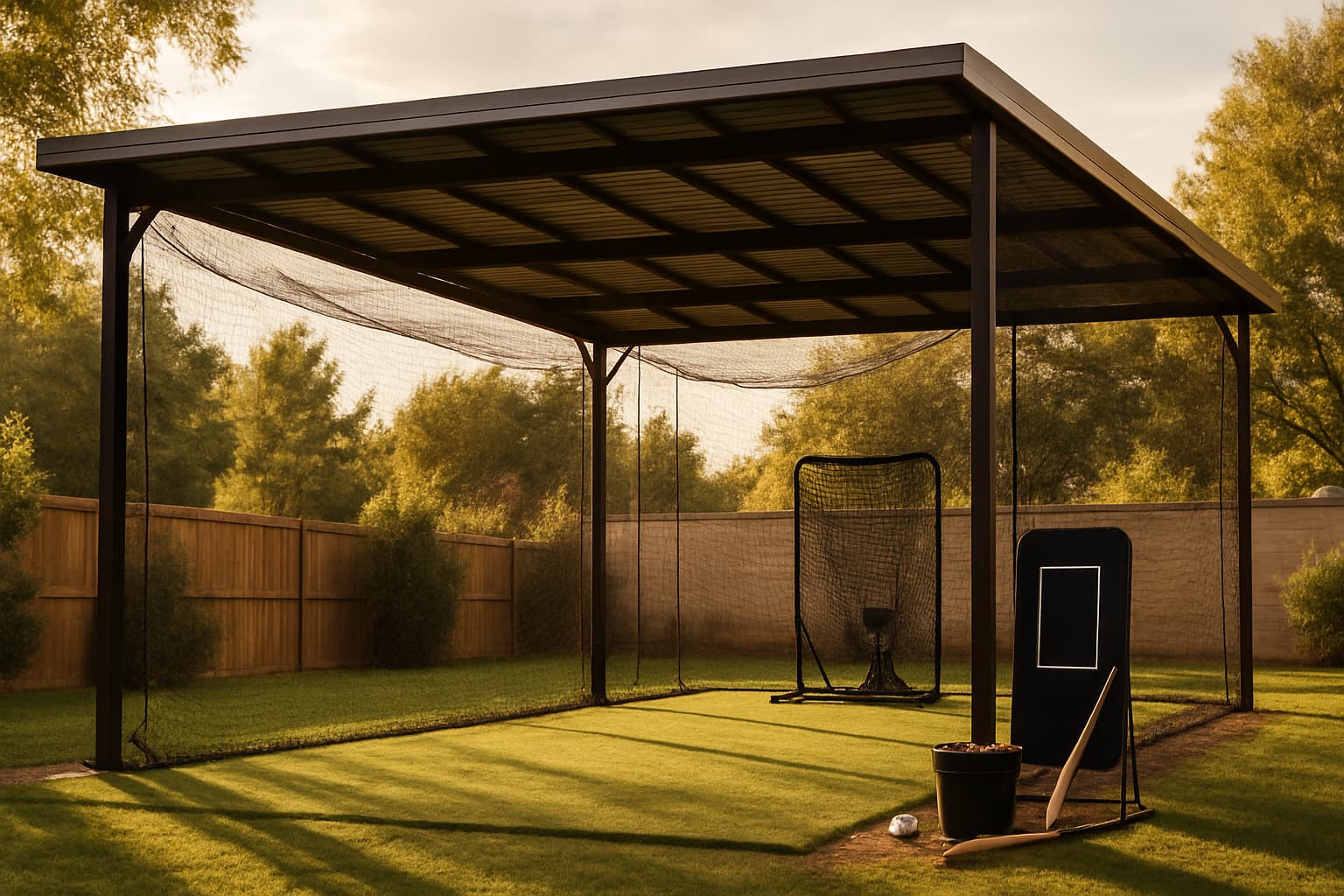
Backyard batting cages have quietly gone from rare luxury to one of the most popular home athletic upgrades in America. Here's what's driving the trend — and what it means for families, players, and the future of cage time.
From Novelty to Normal
A decade ago, a backyard cage was unusual. Today, drive through neighborhoods with active baseball and softball families and you'll spot them everywhere. Better, more affordable kits and a generation of dedicated travel-ball families have made the home cage mainstream.
What's Driving It
- The cost of training: facility time, lessons, and travel add up fast. A home cage turns a recurring expense into a one-time investment.
- Convenience: reps on your schedule, in your backyard, beat driving across town and waiting for a lane.
- Year-round development: serious players want to hit whenever, not just during season.
- Better gear: quality nets, frames, and machines are more accessible than ever.
The Underused-Asset Opportunity
Here's the twist: most backyard cages sit empty most of the week. That's thousands of dollars of equipment used a few hours at a time. A growing number of owners now rent their cages to nearby hitters — covering the build cost and connecting their local baseball community.
What It Means Going Forward
As home cages multiply, access is becoming less about who can afford a facility membership and more about what's available nearby. That's a healthier, more local model for the sport — and exactly the future CageList is building toward.
The Bottom Line
Backyard cages are mainstream, driven by cost, convenience, and year-round development — and the next chapter is turning all that idle cage time into shared, bookable access. Find cage time near you →
Keep exploring on CageList
- Search batting cages near you
- Read the batting cage practice guide
- Plan a batting cage build
- List your cage on CageList
Why this matters for the CageList ecosystem
CageList is building the batting cage resource layer for players, parents, coaches, hosts, builders, and facility owners. Helpful content should not live separate from the marketplace; it should point readers toward the next useful action, whether that is finding cage time, planning a build, improving a practice routine, or listing a cage.
That is how CageList becomes the name people associate with batting cages: every article should answer a real question and connect the reader to a useful CageList surface.
Why CageList keeps investing here
Batting cages sit at the intersection of training, local sports, backyard hosting, facility operations, and player development. The more useful each article becomes, the more CageList can serve as the default place people start when they think about cage time, cage builds, or better baseball and softball reps.
Why this trend matters for players
The reason backyard batting cages are becoming a larger part of baseball and softball training is simple: repetition is easier when the practice location is close, affordable, and flexible. A family may still use a full academy for instruction, but a nearby cage can fill the gaps between lessons, tournament weekends, and team practices. CageList is built around that behavior. The more complete the directory becomes, the easier it is for hitters to compare private cages, public facilities, fields, and training spaces in one place instead of jumping between search results.
For hosts, the opportunity is also practical. A clean cage with clear rules, good photos, and reliable availability can serve local hitters without operating like a full facility. That is the long-term advantage CageList can create: more access for players, more visibility for owners, and a clearer map of where baseball and softball practice actually happens.
Find a baseball league near you
Men's leagues, Little League, and travel teams near you — then book cage time to get ready for the season.
Related Guides
View all articlesCageList News
CageList Is Now an Authorized JUGS Sports Dealer
CageList is now an authorized JUGS Sports dealer. Real JUGS machines, nets, screens, and practice balls, sold and shipped directly at real JUGS pricing.
List Your Cage
Can Your Little League Rent Out Its Batting Cage?
Most leagues own a cage that sits idle most of the year. Opening it up is usually allowed — it depends on who owns the ground, what your use agreement says, and what your liability policy covers. Here is how to check all three.
Find & Rent Batting Cages
What You Actually Get at a HitTrax Cage in Dick's Sporting Goods
Dick's runs two different services in the same HitTrax cage, and they cost very different amounts. Here is what you get, what it costs, and when a real cage is the better call.
Run a travel team? Get your free page.
Baseball or softball. Claim a free directory page, post tryouts, and share cagelist.com/@yourteam with families.
Find your league
Free directories of real leagues and clubs near you — then book a batting cage to get your reps in before opening day.
1,000 organizations
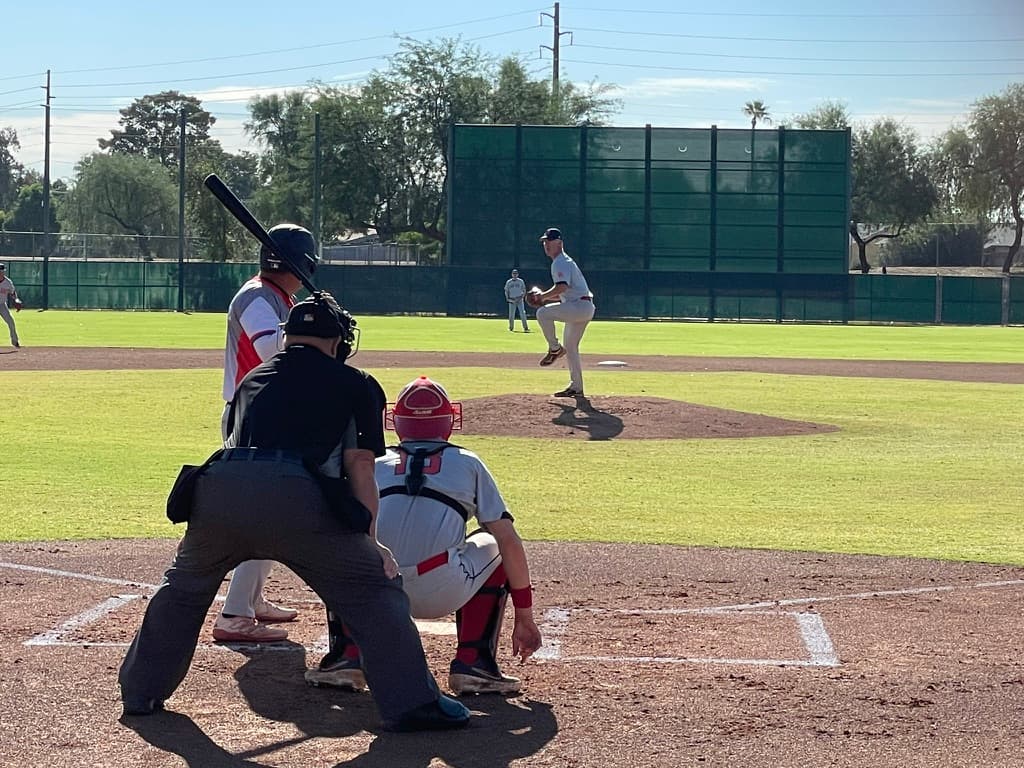
Join the backyard batting cage community
Talk builds, gear, hosting and player development with cage owners, coaches, parents and baseball families.