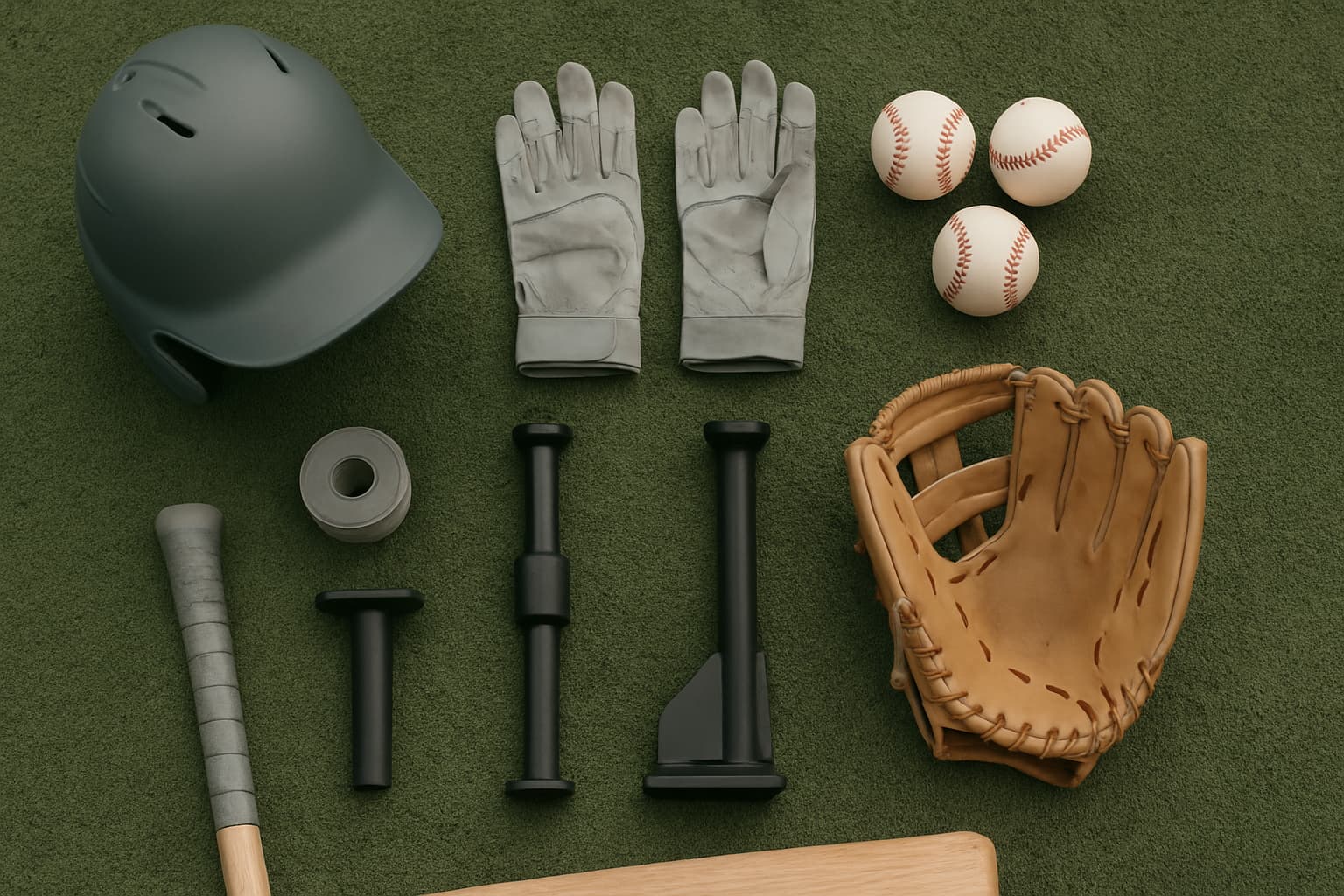
Nothing ends a practice — or a season — faster than a line drive finding the person throwing it. Protective screens are the cheapest insurance in baseball, and choosing the right ones makes a cage safer and more productive. Here is what every hitter, parent, and cage owner should know.
The L-Screen: Your First Line of Defense
An L-screen protects a live pitcher or coach throwing batting practice. The "L" cutout lets the arm come through to throw while the net shields the body. For a cage, a sturdy L-screen is non-negotiable any time someone is throwing to a hitter.
What to Look For
- Frame gauge: heavier steel tubing resists bending from repeated hits.
- Net quality: a thick, knotted net (think #42 or heavier) lasts far longer against hard contact.
- Padding and stability: padded frames and a wide base keep the screen safe and planted.
Other Screens That Earn Their Keep
Pitching Machine Screens
A screen that sits in front of a pitching machine protects the machine and gives the feeder a place to hide while loading. Essential for any cage running a machine.
Sock Net / Caddy Screens
Compact screens with a "sock" that catches the ball are great for soft toss and short-distance front toss, keeping balls contained in tight spaces.
Protective Screens for Fielding
Square and half-cage screens shield players during infield and soft-toss drills — useful for teams running multiple stations in one cage.
Sizing and Placement
Match screen height to your hitters; taller hitters and harder throwers need taller screens. In the cage, position the L-screen close enough to simulate game distance while keeping the thrower fully behind the net at release.
The Bottom Line
Buy a heavy-duty L-screen with a thick knotted net, add a machine screen if you run a machine, and inspect every net before each session. It is the lowest-cost, highest-return safety gear in the building. Browse screens and cage gear in the CageList gear directory →
Keep exploring on CageList
- Compare batting cage quality tiers
- Learn how to hit off a pitching machine
- Try batting cage drills
- Find a cage to test your setup
How to choose equipment that actually fits your cage
For L-Screens and Protective Screens: The Complete Guide, the right choice depends on age, skill level, ball type, available space, and how often the gear will be used. A product that works for one family may be the wrong fit for a team facility or a rental-ready backyard cage. Durability, replacement parts, storage, and setup time matter almost as much as the headline feature.
Think about the session first. Younger players need equipment that builds confidence and keeps reps moving. Advanced hitters may need more realistic speed, spin, or feedback. Hosts and facility owners should also think about what guests can use safely without constant explanation. The best equipment makes the cage easier to use, not harder.
Where CageList helps
Use CageList listings to compare how real cages describe machines, screens, tees, balls, and protective gear. Those details can help you decide what belongs in your own setup and what renters or players actually expect to see.
Buyer check before you spend
Before buying equipment, confirm the cage dimensions, ball type, player age range, and who will set up and put away the gear. The best purchase is usually the one that gets used consistently, stores cleanly, and does not create safety confusion for players or guests.
For hosts, equipment should also be easy to describe in a listing. If a parent can understand what is included before booking, the cage feels more trustworthy and more useful.
Build a better cage setup with the right equipment
Compare cage upgrades with practical advice for nets, turf, pitching machines, balls, and safety gear.
Related Guides
View all articles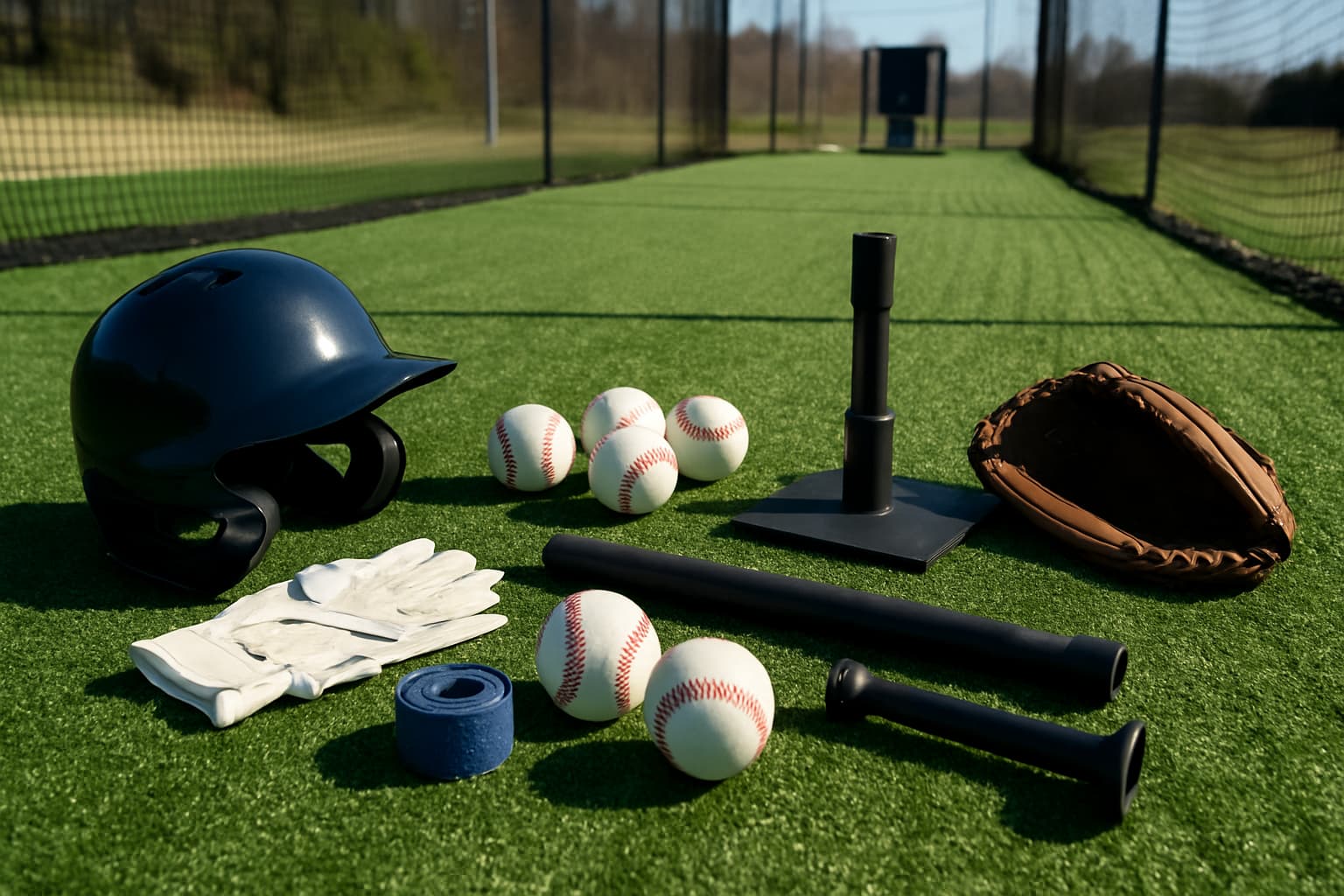
Batting Cage Equipment
SKLZ Pitching Machine Review: Worth It at $80?
The SKLZ Pitching Machine is one of the cheapest real auto-feed machines on the market. Here is an honest look at what $80 gets you, the rest of the SKLZ lineup, and how it compares to Heater Sports Crusher and Personal Pitcher Pro.
Batting Cage Equipment
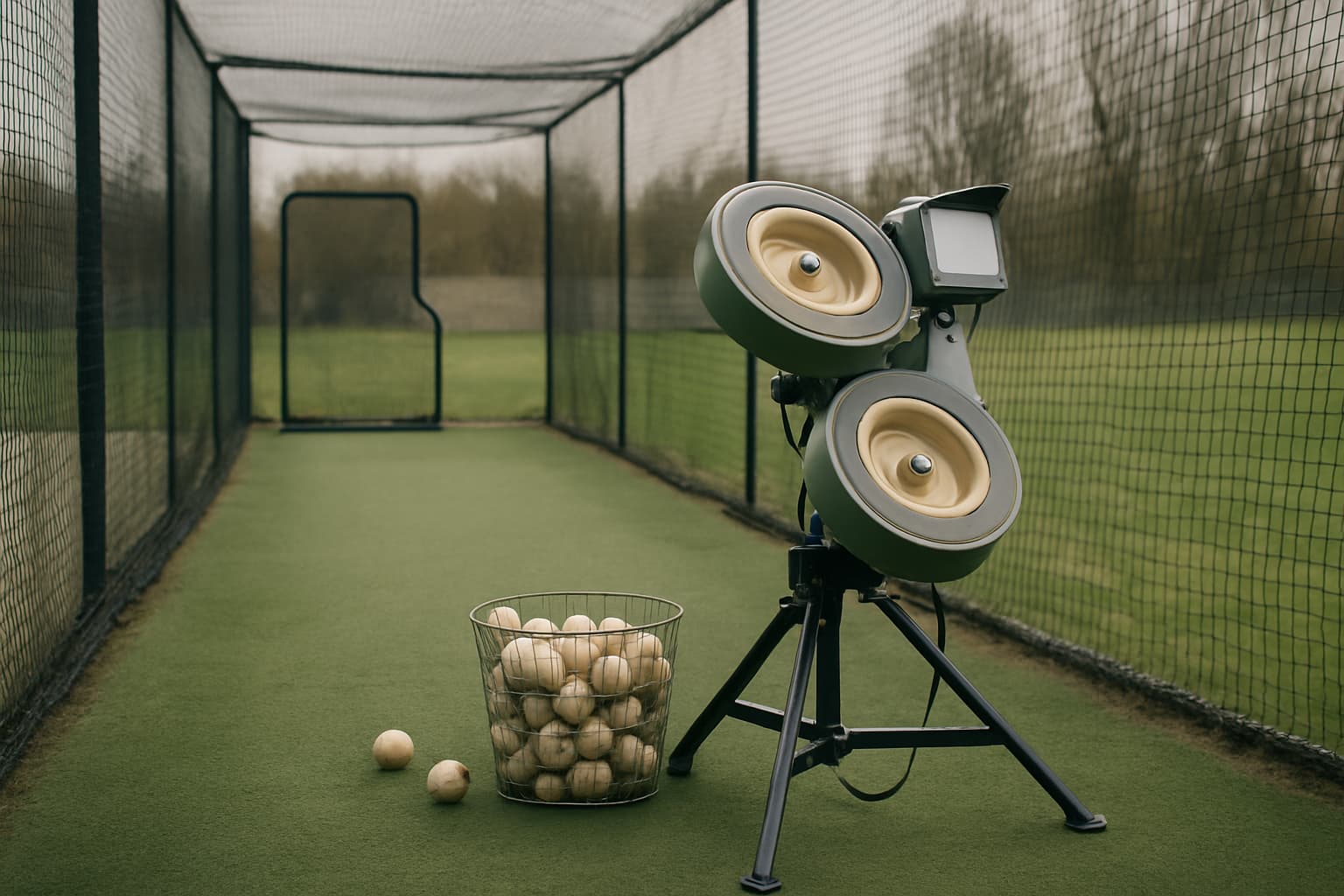
Heater Sports Pro Pitching Machine Review: The Best First Machine?
The Heater Sports Pro is one of the most common first pitching machines. Here is what its ~$500 price actually gets you, and how it compares to Louisville Slugger's Blue Flame and the Zooka ZS740.
Batting Cage Equipment
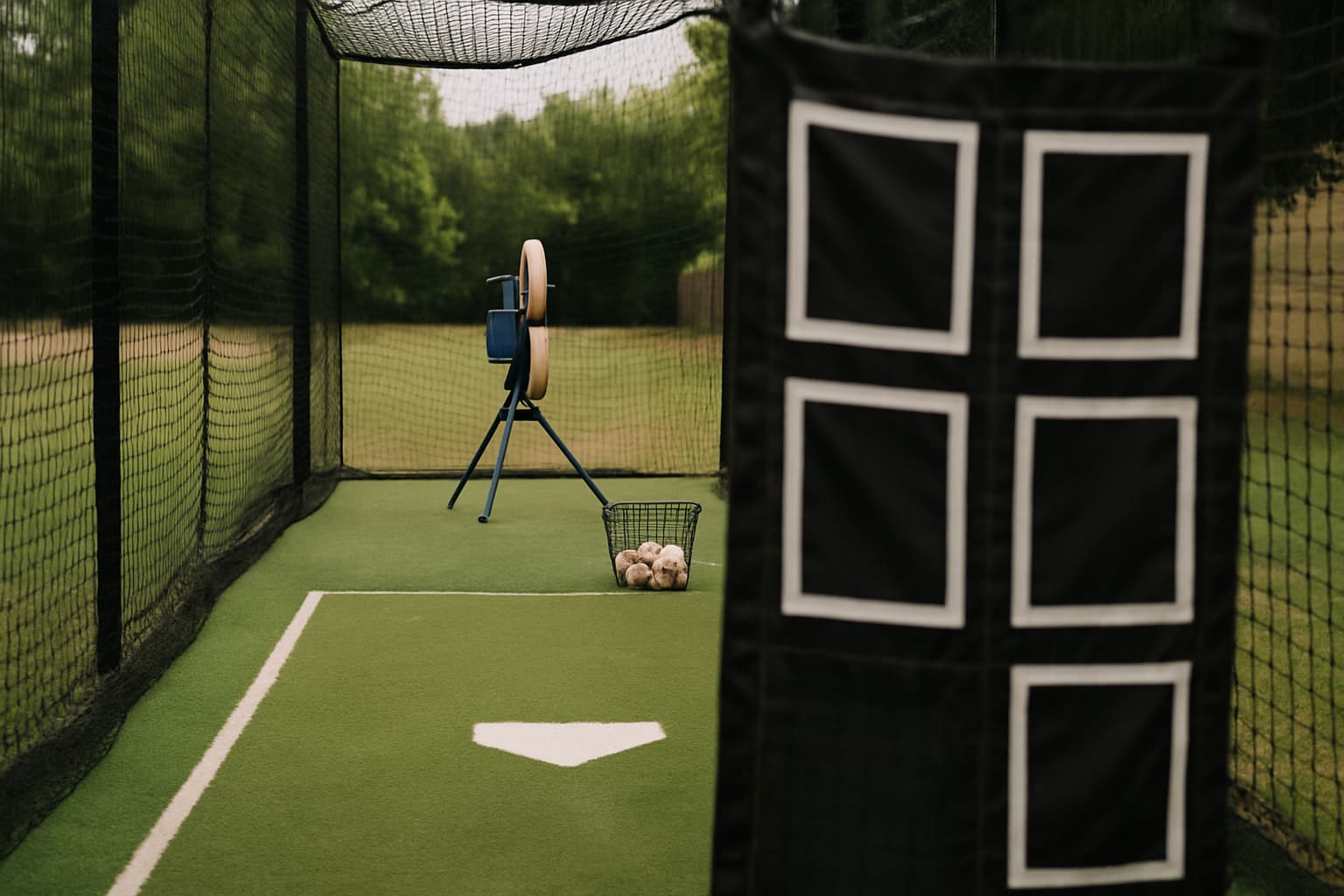
JUGS BP3 Review: The Pitching Machine That Actually Earned Us a Sale
The JUGS BP3 is the first pitching machine that earned CageList a real, confirmed commission. Here is what makes it different — Grip-Tite tires, automatic changeup switching, one-dial pitch selection — and how it compares to Hack Attack.
Run a travel team? Get your free page.
Baseball or softball. Claim a free directory page, post tryouts, and share cagelist.com/@yourteam with families.
Find your league
Free directories of real leagues and clubs near you — then book a batting cage to get your reps in before opening day.
1,000 organizations
Join the backyard batting cage community
Talk builds, gear, hosting and player development with cage owners, coaches, parents and baseball families.