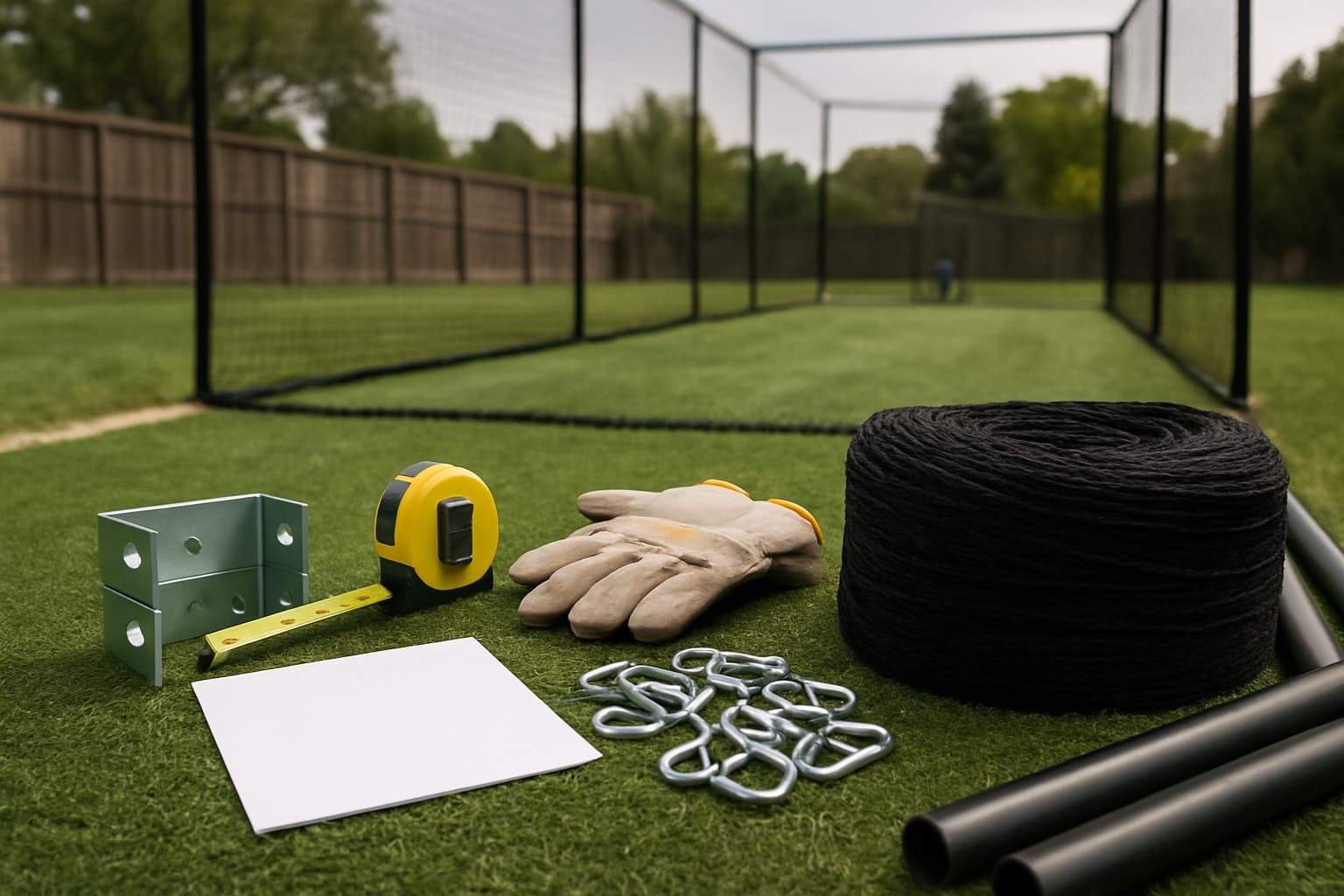
Loose or improperly secured netting is one of the top causes of batting cage failures — balls escaping, netting sagging, and structural issues. Proper attachment of your netting is just as important as the quality of the net itself. Here's a complete guide.
Methods for Attaching Netting to the Frame
Snap Hooks and Bungee Cords
The most common and versatile attachment method. Use heavy-duty snap hooks rated for outdoor use. Attach bungee cords every 12–18 inches along the frame for even tension distribution.
Tie Wire or Zip Ties
For permanent installations, galvanized tie wire provides a rigid connection. Zip ties work for lighter-duty cages but degrade in UV and should be replaced annually.
Rope Lashing
Traditional rope lashing through the top border rope of the net and around the frame pipe creates a very secure, adjustable connection. Use UV-resistant polypropylene rope.
Top Border Rope
Quality netting comes with a border rope sewn into all four edges. This rope distributes the load across the net rather than pulling on individual mesh openings. Always attach to the border rope, never to the mesh itself.
Tensioning Techniques
- Start attachment at the center of each side and work outward to the corners
- Apply even tension — a sagging net will collect debris and stress certain spots
- The net should be taut but not stretched to its limit
- Allow 2–3 inches of sag at mid-span for a properly tensioned cage
Corner Attachment
Corners receive the highest stress loads. Use carabiner clips or heavy-duty corner rings at all four top corners. For cages over 50 feet, add additional corner bracing to the frame.
Ground-Level Attachment
For fully enclosed cages, the bottom edge of the netting should be secured to ground stakes or a bottom rail. This prevents balls from rolling under the net and animals from entering.
Inspection Schedule
- Check all attachment points monthly
- Replace any broken bungees or snap hooks immediately
- Retension after major weather events
Final Thoughts
Proper netting security is a one-time investment of time that pays off in safety and longevity. If you're renting your cage on CageList, secure netting is a liability issue — take it seriously.
Keep exploring on CageList
- Compare batting cage quality tiers
- Learn how to hit off a pitching machine
- Try batting cage drills
- Find a cage to test your setup
Fit the gear to the hitter
For How to Properly Secure Your Batting Cage Netting, the right equipment choice depends on the hitter and the space. Younger players need confidence, simple setup, and safe reps. Older players may need more realistic speed, better feedback, or equipment that can handle heavier use. Hosts also need gear that renters can understand quickly.
Before buying, compare what real listings include on CageList. If the best local cages all mention a specific machine, tee, screen, lighting setup, or ball type, that is useful buying intelligence.
Best fit for CageList hosts
How to Properly Secure Your Batting Cage Netting is also relevant for hosts who want their cage to feel complete without overbuying. The right equipment should be durable, easy to explain, and appropriate for the players likely to use the space. Hosts should avoid gear that creates confusion, safety questions, or long setup time for guests.
When equipment is simple and clearly described, the listing feels more trustworthy and renters understand what kind of practice session they can plan.
Bottom line
How to Properly Secure Your Batting Cage Netting should leave the reader with a practical next step. For CageList, that means connecting the advice back to better practice access: compare nearby cages, understand what each space is best for, and choose the option that helps the player get more useful reps.
Shop This Guide
CageList picks that match what this article covers — no extra searching required.
Affiliate disclosure: As an Amazon Associate, CageList earns from qualifying purchases.


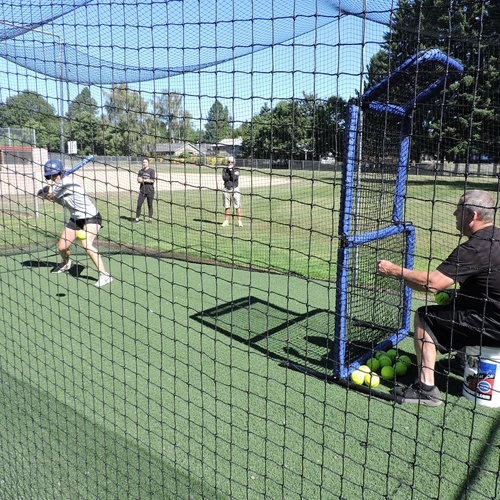

Build a better cage setup with the right equipment
Compare cage upgrades with practical advice for nets, turf, pitching machines, balls, and safety gear.
Related Guides
View all articlesBatting Cage Equipment
JUGS BP1 vs BP2 vs BP3 vs mini3: Which One Fits Your Cage
JUGS BP1, BP2, BP3, and mini3, compared on the numbers that actually matter: real pitch speed range and weight, straight from JUGS's own spec pages.
Batting Cage Equipment
Buying a JUGS Machine Online? Here's How to Tell a Real Dealer From a Reseller
Not every JUGS listing online is what it looks like. Here's how to tell an authorized dealer from a reseller before you spend $2,000+ on a pitching machine.
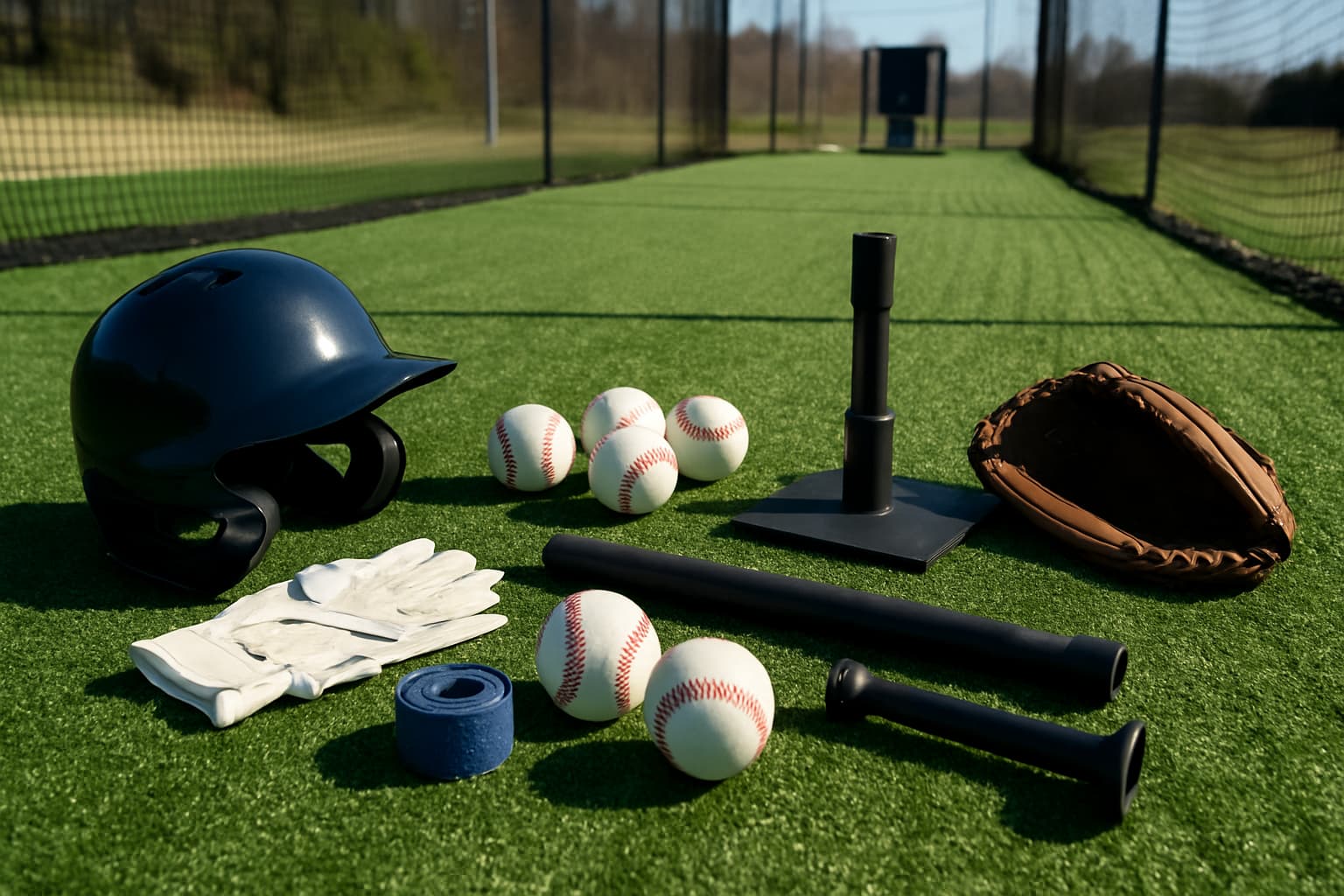
Batting Cage Equipment
SKLZ Pitching Machine Review: Worth It at $80?
The SKLZ Pitching Machine is one of the cheapest real auto-feed machines on the market. Here is an honest look at what $80 gets you, the rest of the SKLZ lineup, and how it compares to Heater Sports Crusher and Personal Pitcher Pro.
Run a travel team? Get your free page.
Baseball or softball. Claim a free directory page, post tryouts, and share cagelist.com/@yourteam with families.
Find your league
Free directories of real leagues and clubs near you — then book a batting cage to get your reps in before opening day.
1,000 organizations
Join the backyard batting cage community
Talk builds, gear, hosting and player development with cage owners, coaches, parents and baseball families.