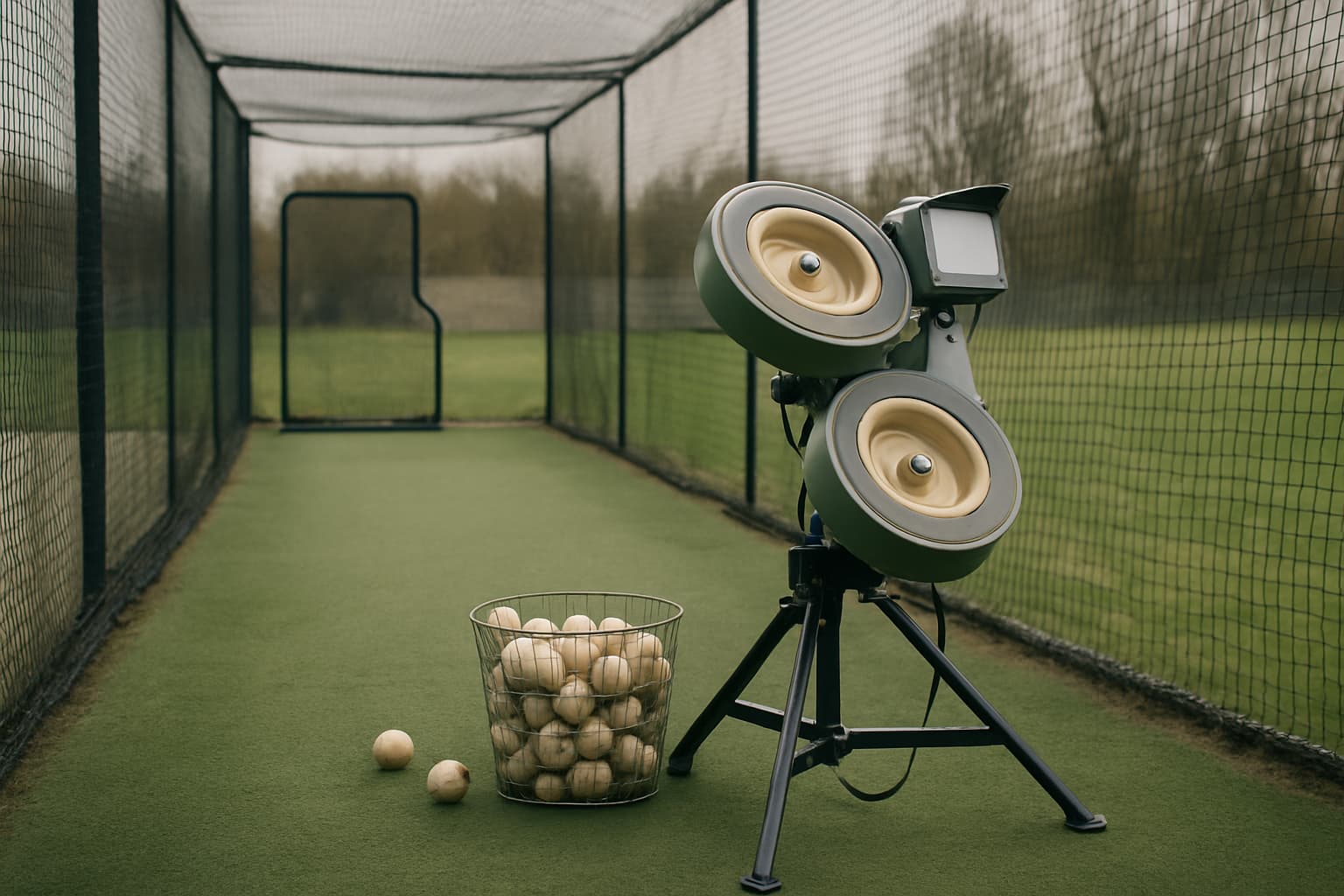
A quality pitching machine is one of the best investments a batting cage owner can make — and one of the most confusing purchases. With dozens of models at wildly different price points, how do you choose? Here's a complete buyer's guide for 2024.
Step 1: Know Your Player's Level
The biggest mistake is buying a machine for your player's current level instead of where they'll be in 3 years. Machines are a long-term investment. For a 10-year-old playing travel ball, think ahead to age 13-14 and buy accordingly.
- Ages 5–10: Arm-speed machines or compressed air (25–50 mph)
- Ages 11–14: Single or dual-wheel machines (30–80 mph)
- Ages 15+: Dual or 3-wheel machines (40–100+ mph)
Step 2: Choose Your Machine Type
1-Wheel Machines
Simplest and most affordable. Throws fastballs well but limited pitch variety. Good for: Youth training, budget buyers. Examples: ATEC Casey, Jugs Jr.
2-Wheel Machines
More versatile — can throw breaking balls by adjusting wheel speeds independently. Good for: Intermediate players who want pitch variety. Examples: ATEC M1, Jugs MVP.
3-Wheel Machines
The professional standard. Accurate, consistent, and can throw any pitch type. Good for: Serious hitters, cage owners who rent. Examples: Hack Attack, Sports Attack Junior.
Arm-Style Machines
Simulates real pitching motion for better timing practice. Good for: Players working on timing and rhythm. Examples: Iron Mike MP-6.
Step 3: Budget Accordingly
- $300–$800: Entry-level, single-wheel machines. Youth use only.
- $800–$2,000: Mid-range dual-wheel machines. Good for most families.
- $2,000–$4,500: Professional 3-wheel machines (Hack Attack). Best investment long-term.
Step 4: Check Ball Compatibility
Most machines are compatible with either real baseballs or dimpled pitching machine balls — not both. Confirm compatibility before purchase. Dimpled ball machines are cheaper but require a separate ball inventory.
Step 5: Consider Portability
If you need to move the machine in and out of the cage, check the weight and wheel size. The Hack Attack weighs 115 lbs with a wheel kit — manageable for two people.
Top Picks for 2024
- Best overall: Hack Attack ($3,500) — the industry standard for serious use
- Best mid-range: ATEC M2 ($1,800) — versatile and reliable
- Best youth: ATEC Casey ($900) — durable, easy to use
- Best for timing work: Iron Mike MP-6 ($2,500) — nothing simulates pitchers better
Final Thoughts
Buy for the long term. A quality pitching machine used on a cage listed on CageList pays for itself quickly in rental income — renters specifically seek out cages with quality machines.
Keep exploring on CageList
- Compare batting cage quality tiers
- Learn how to hit off a pitching machine
- Try batting cage drills
- Find a cage to test your setup
Fit the gear to the hitter
For How to Buy the Best Pitching Machine in 2024, the right equipment choice depends on the hitter and the space. Younger players need confidence, simple setup, and safe reps. Older players may need more realistic speed, better feedback, or equipment that can handle heavier use. Hosts also need gear that renters can understand quickly.
Before buying, compare what real listings include on CageList. If the best local cages all mention a specific machine, tee, screen, lighting setup, or ball type, that is useful buying intelligence.
Best fit for CageList hosts
How to Buy the Best Pitching Machine in 2024 is also relevant for hosts who want their cage to feel complete without overbuying. The right equipment should be durable, easy to explain, and appropriate for the players likely to use the space. Hosts should avoid gear that creates confusion, safety questions, or long setup time for guests.
When equipment is simple and clearly described, the listing feels more trustworthy and renters understand what kind of practice session they can plan.
Build a better cage setup with the right equipment
Compare cage upgrades with practical advice for nets, turf, pitching machines, balls, and safety gear.
Related Guides
View all articlesBatting Cage Equipment
Buying a JUGS Machine Online? Here's How to Tell a Real Dealer From a Reseller
Not every JUGS listing online is what it looks like. Here's how to tell an authorized dealer from a reseller before you spend $2,000+ on a pitching machine.
Batting Cage Equipment
JUGS BP1 vs BP2 vs BP3 vs mini3: Which One Fits Your Cage
JUGS BP1, BP2, BP3, and mini3, compared on the numbers that actually matter: real pitch speed range and weight, straight from JUGS's own spec pages.
Batting Cage Equipment
SKLZ Pitching Machine Review: Worth It at $80?
The SKLZ Pitching Machine is one of the cheapest real auto-feed machines on the market. Here is an honest look at what $80 gets you, the rest of the SKLZ lineup, and how it compares to Heater Sports Crusher and Personal Pitcher Pro.
Run a travel team? Get your free page.
Baseball or softball. Claim a free directory page, post tryouts, and share cagelist.com/@yourteam with families.
Find your league
Free directories of real leagues and clubs near you — then book a batting cage to get your reps in before opening day.
1,000 organizations
Join the backyard batting cage community
Talk builds, gear, hosting and player development with cage owners, coaches, parents and baseball families.