
If your child plays Little League, Cal Ripken, or most rec ball, their bat must carry the USA Baseball stamp — not USSSA. Getting this one detail right (and the size) is the difference between a legal, confidence-building bat and an expensive doorstop. Here's how to choose.
USA Baseball vs. USSSA: Don't Mix Them Up
This is the most common — and most expensive — mistake parents make. USA Baseball bats are built to perform like wood (a deadened "USABat" standard) and are required by Little League, Cal Ripken/Babe Ruth, AABC, and many rec leagues. USSSA bats are hotter and used in most travel/club ball. They are not interchangeable, and an umpire will pull an illegal bat from the lineup. Always confirm your league's standard before buying.
Sizing: Length and Drop
USA bats commonly run drop -10 or -11 for younger players (weight in ounces is 10–11 less than length in inches). Lighter is better for developing hitters because bat speed and control matter more than mass.
- Ages 5–7: 25"–27", drop -11 or -12.
- Ages 8–10: 27"–29", drop -10 or -11.
- Ages 11–12: 29"–31", drop -10, moving to -8 for stronger kids.
Alloy vs. Composite
For USA bats, alloy (aluminum) is a great value: durable, ready out of the wrapper, and consistent in cold weather. Composite barrels feel softer on the hands and offer a slightly bigger sweet spot, at a higher price. For most Little Leaguers, a quality one-piece alloy is the sweet spot of price and performance.
The Bottom Line
Confirm the USA stamp, buy light enough to swing fast today, and don't pay for "room to grow." A bat your child can control beats a bat they have to muscle. Find youth bats and gear in the CageList directory →
Keep exploring on CageList
- Compare batting cage quality tiers
- Learn how to hit off a pitching machine
- Try batting cage drills
- Find a cage to test your setup
How to choose equipment that actually fits your cage
For Best USA Baseball Bats for Little League: A Buyer's Guide, the right choice depends on age, skill level, ball type, available space, and how often the gear will be used. A product that works for one family may be the wrong fit for a team facility or a rental-ready backyard cage. Durability, replacement parts, storage, and setup time matter almost as much as the headline feature.
Think about the session first. Younger players need equipment that builds confidence and keeps reps moving. Advanced hitters may need more realistic speed, spin, or feedback. Hosts and facility owners should also think about what guests can use safely without constant explanation. The best equipment makes the cage easier to use, not harder.
Where CageList helps
Use CageList listings to compare how real cages describe machines, screens, tees, balls, and protective gear. Those details can help you decide what belongs in your own setup and what renters or players actually expect to see.
Buyer check before you spend
Before buying equipment, confirm the cage dimensions, ball type, player age range, and who will set up and put away the gear. The best purchase is usually the one that gets used consistently, stores cleanly, and does not create safety confusion for players or guests.
For hosts, equipment should also be easy to describe in a listing. If a parent can understand what is included before booking, the cage feels more trustworthy and more useful.
Build a better cage setup with the right equipment
Compare cage upgrades with practical advice for nets, turf, pitching machines, balls, and safety gear.
Related Guides
View all articles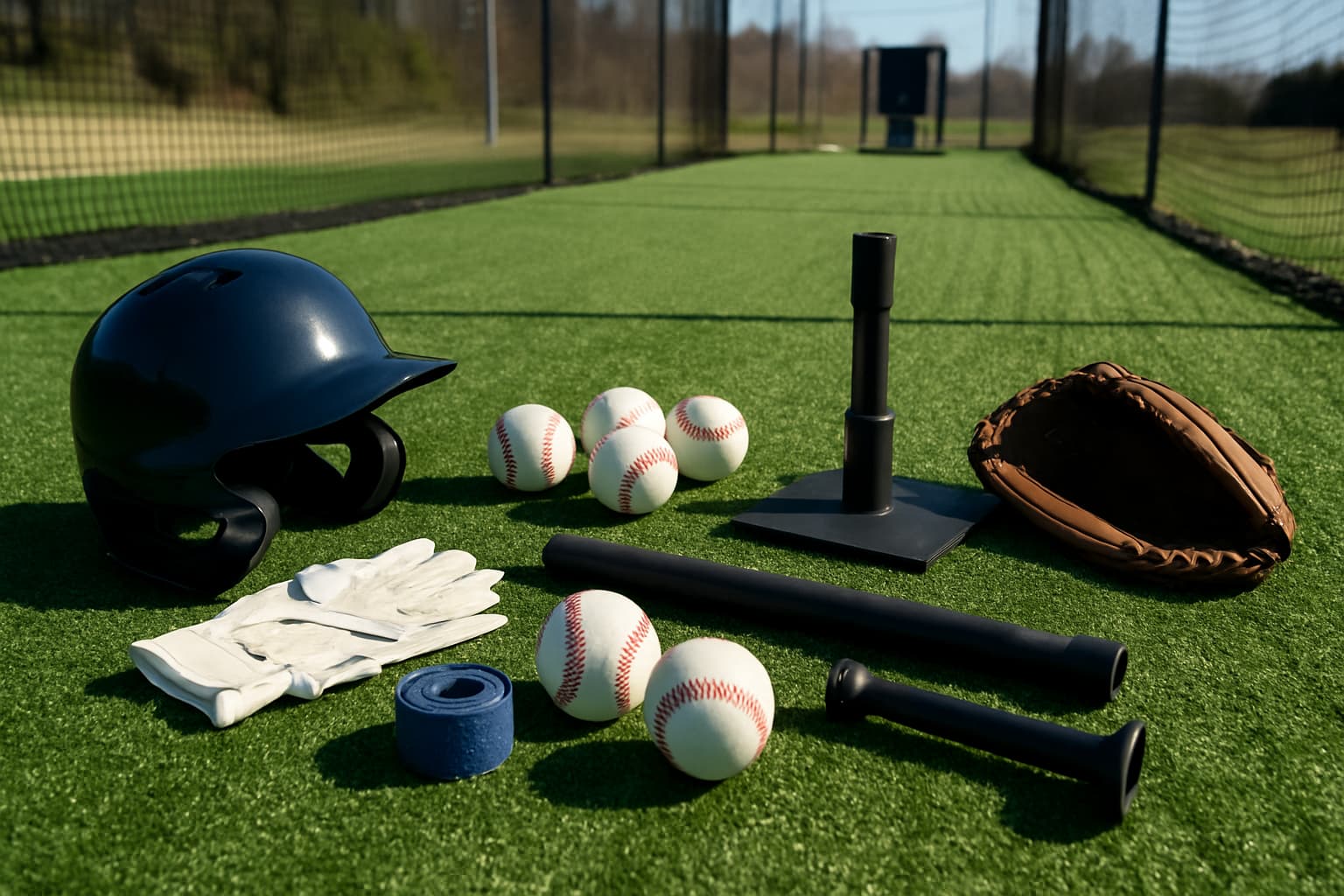
Batting Cage Equipment
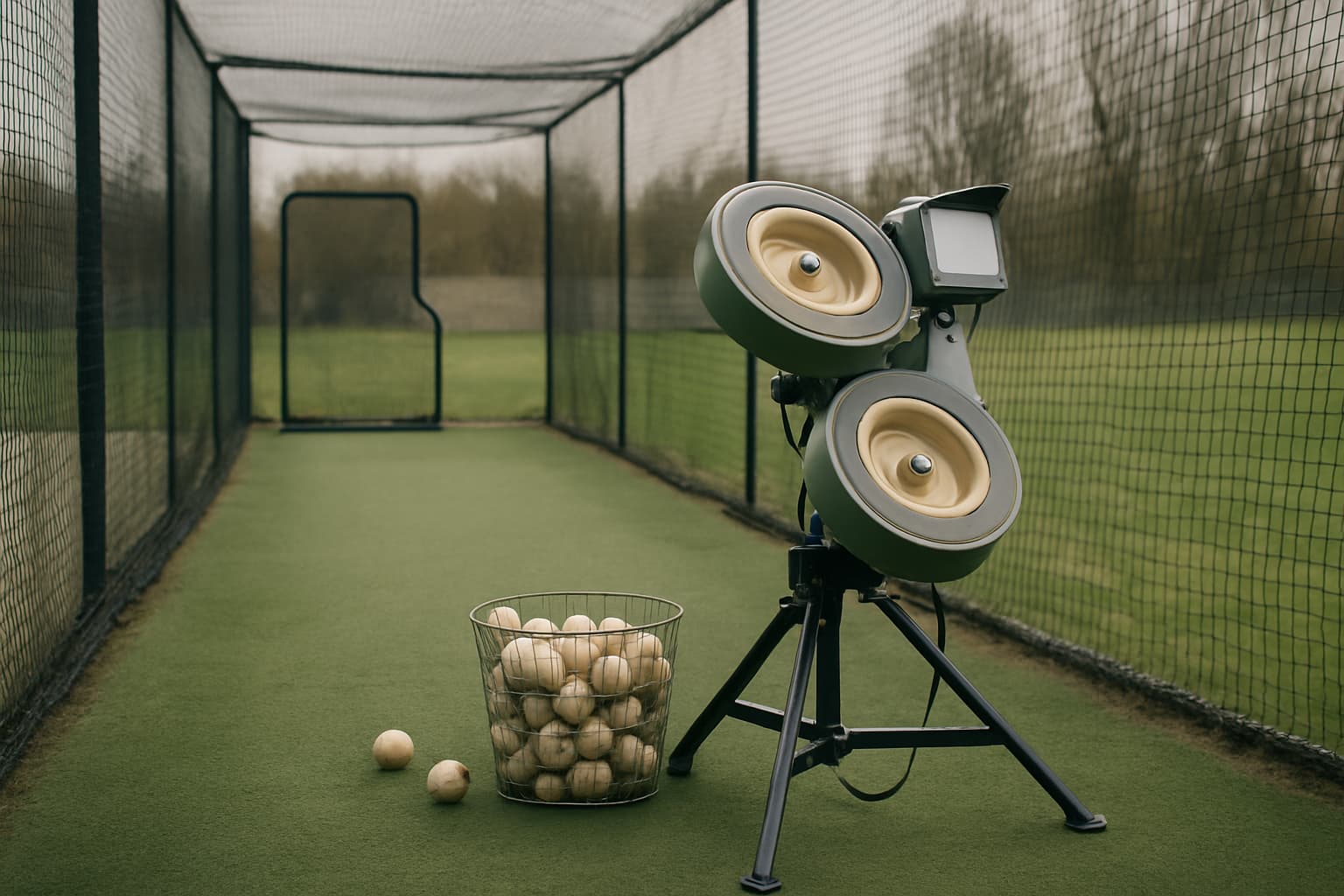
SKLZ Pitching Machine Review: Worth It at $80?
The SKLZ Pitching Machine is one of the cheapest real auto-feed machines on the market. Here is an honest look at what $80 gets you, the rest of the SKLZ lineup, and how it compares to Heater Sports Crusher and Personal Pitcher Pro.
Batting Cage Equipment
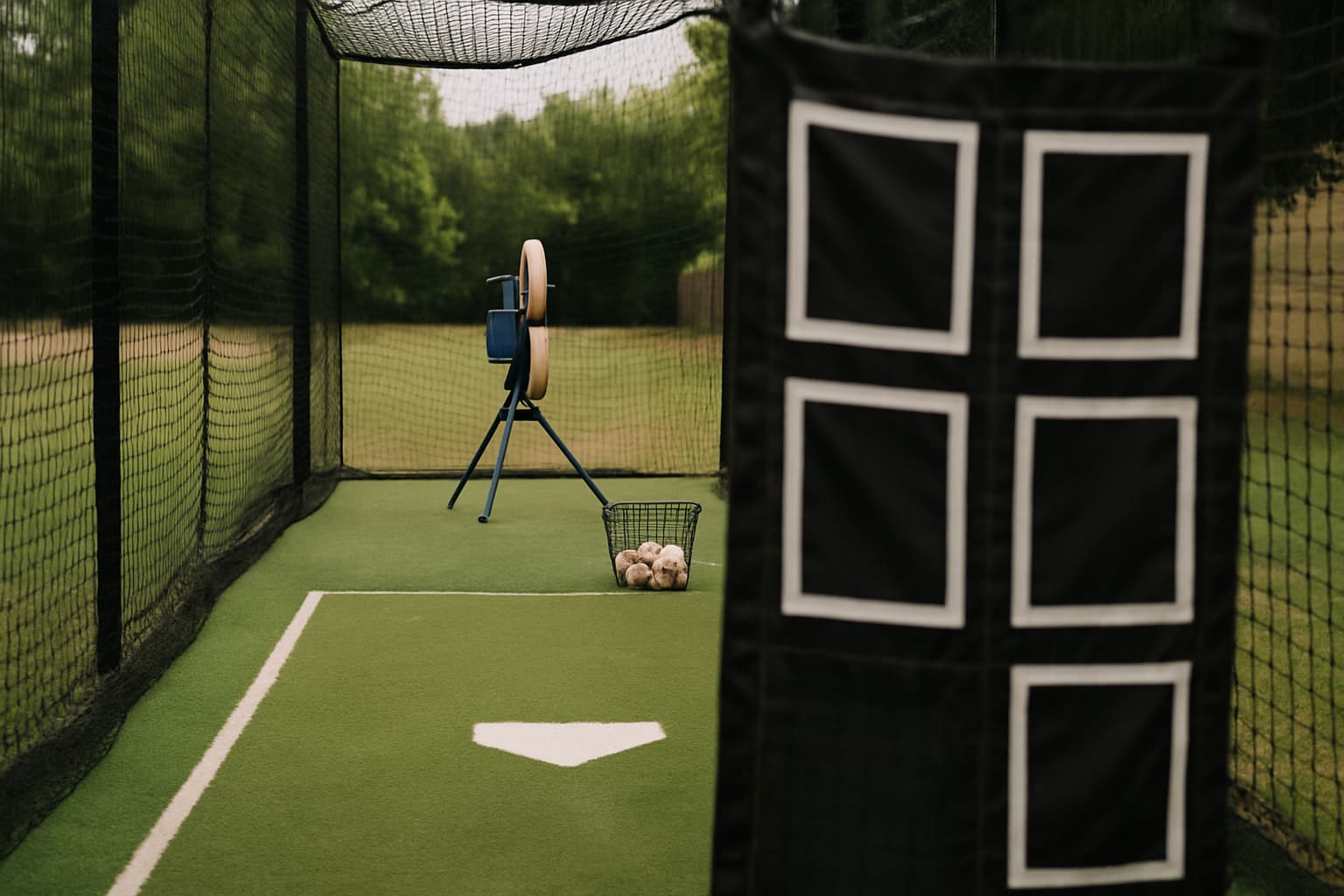
Heater Sports Pro Pitching Machine Review: The Best First Machine?
The Heater Sports Pro is one of the most common first pitching machines. Here is what its ~$500 price actually gets you, and how it compares to Louisville Slugger's Blue Flame and the Zooka ZS740.
Batting Cage Equipment
JUGS BP3 Review: The Pitching Machine That Actually Earned Us a Sale
The JUGS BP3 is the first pitching machine that earned CageList a real, confirmed commission. Here is what makes it different — Grip-Tite tires, automatic changeup switching, one-dial pitch selection — and how it compares to Hack Attack.
Run a travel team? Get your free page.
Baseball or softball. Claim a free directory page, post tryouts, and share cagelist.com/@yourteam with families.
Find your league
Free directories of real leagues and clubs near you — then book a batting cage to get your reps in before opening day.
1,000 organizations
Join the backyard batting cage community
Talk builds, gear, hosting and player development with cage owners, coaches, parents and baseball families.