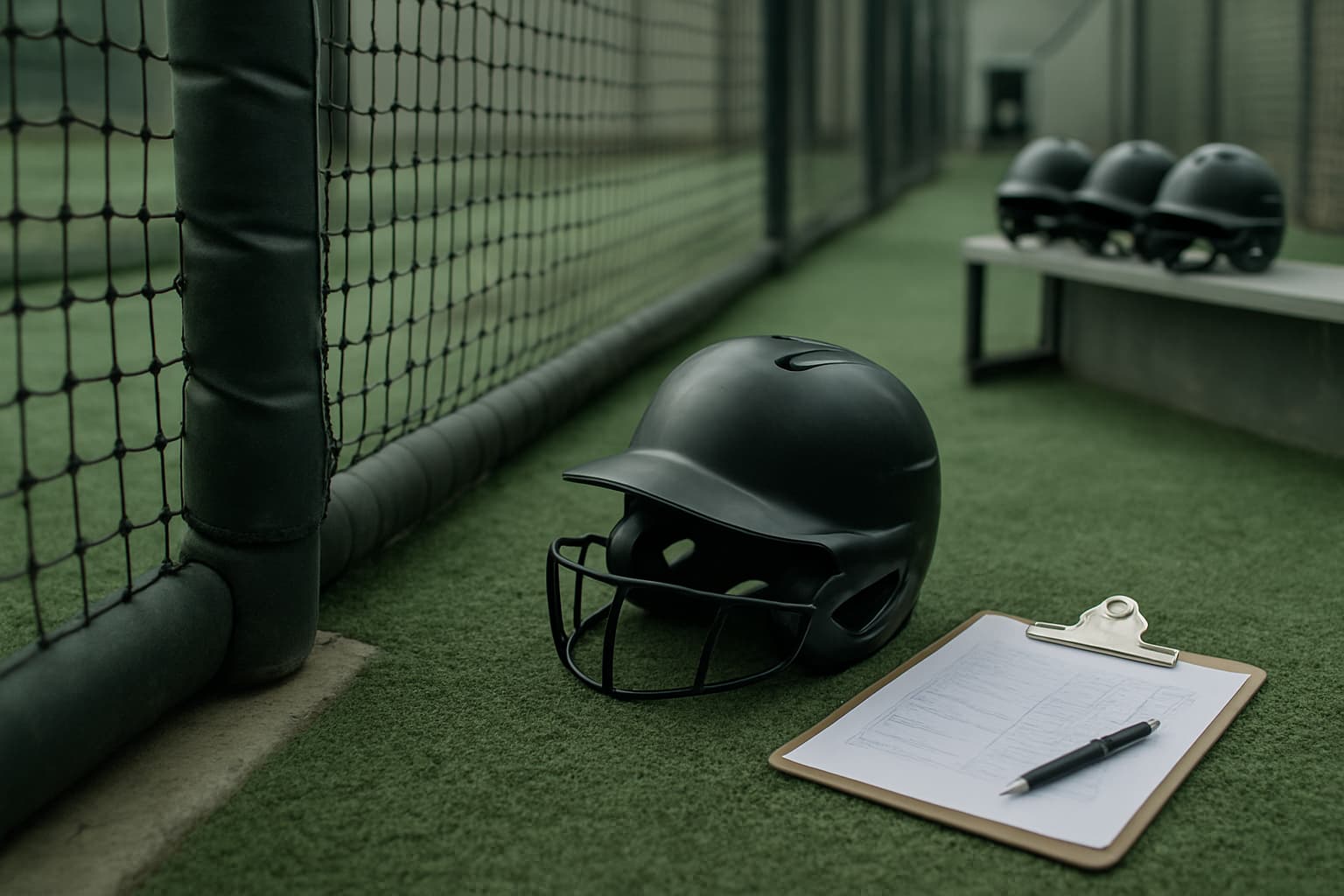
The batting helmet is the one piece of gear where "good enough" is the wrong standard and "most expensive" isn't the right one either. Fit is the product. Here's how helmet sizing actually works, what the certification stamps mean, when to add a face guard, and when a helmet is done protecting anyone.
Fit: The Whole Ballgame
A helmet protects when it stays put through a swing, a sprint, and a slide. The fit test takes ten seconds: with the helmet level on the head (not tipped back), it should sit snug enough that shaking the head doesn't shift it, the ears align with the ear holes, and the brim sits about an inch above the eyebrows. A helmet that wobbles transfers impact instead of spreading it. Measure the head circumference with a soft tape and buy the size chart, not the age on the box — kids' heads vary wildly within an age group.
What the Stamps Mean
Look for NOCSAE certification — it's the standard leagues require, and it's stamped inside the shell. For fastpitch and many youth baseball leagues, face guards must also be NOCSAE-certified as a helmet-guard combination. A helmet without a legible certification stamp doesn't exist as far as league rules are concerned, whatever it cost.
Face Guards and Jaw Guards
Fastpitch: face guards are mandatory in most leagues and correct everywhere — the reaction distance at 43 feet makes them non-optional. Youth baseball: increasingly common and cheap insurance while pitchers are wild and reaction skills are developing. Jaw guards (the one-sided extensions popularized at the college level) suit older baseball players who want cheek/jaw coverage without a full cage. Whatever you add, it must be the model made for that helmet — universal-fit guards that require drilling void certifications.
When a Helmet Is Done
Replace after any significant impact (foul ball off the shell counts), when cracks or compressed padding appear, when the fit is outgrown, or roughly every few seasons of heavy use as padding degrades — check the manufacturer's guidance inside the shell. Hand-me-down helmets are fine if the shell, padding, and stamp all check out; helmets with unknown impact history are not.
Cage Habits That Make Helmets Matter
The cage is where helmet discipline is built or lost. Machine sessions demand helmets without exception — machines misfire, and deflections off frames are real (it's rule four in our cage safety guide). Make the helmet part of the routine in every setting, including private cage rentals where nobody official is watching — that's precisely where the habit proves itself. Keep a spare in the team bag (sized for the smallest player, since they're the ones who forget), and store helmets out of hot car trunks, which age padding faster than use does.
Storage and Care: Helmets Age in the Bag
Helmet padding has two enemies, and neither is the fastball: heat and compression. A helmet living in a car trunk through a Texas or Georgia summer loses padding resilience measurably faster than one stored indoors — the foams that spread impact are heat-sensitive, and a July trunk is an oven. Compression is subtler: helmets crushed under bat bags and cooler weight develop permanently flattened padding at the contact points, which converts a snug fit into a loose one without a single impact. The care routine is thirty seconds: helmet rides on top of or clipped outside the bag (the same exterior-clip logic from our equipment bag guide), wiped dry after sweaty sessions, stored indoors between tournaments. Sweat-soaked padding also breeds the smell every dugout knows — a periodic wipe with diluted gentle soap, air-dried fully, handles it without degrading the foam the way harsh cleaners do.
Frequently Asked Questions
How do I know a helmet fits right?
Level on the head, snug through a head-shake, ears aligned with ear holes, brim about an inch above the brows. If it moves, size down or adjust padding.
Are expensive helmets safer?
Above the certification floor, extra money buys comfort, ventilation, and durability more than protection. A $40 certified helmet that fits beats a $150 one that wobbles.
Does my kid need a face guard for baseball?
Many youth leagues require or recommend them, and they're cheap insurance through the wild-pitching years. For fastpitch, they're effectively mandatory.
Can two kids share a helmet?
Only if it genuinely fits both, which is rare. Shared team helmets are why every dugout has one kid whose helmet spins when he runs.
Build a better cage setup with the right equipment
Compare cage upgrades with practical advice for nets, turf, pitching machines, balls, and safety gear.
Related Guides
View all articles
Batting Cage Equipment
SKLZ Pitching Machine Review: Worth It at $80?
The SKLZ Pitching Machine is one of the cheapest real auto-feed machines on the market. Here is an honest look at what $80 gets you, the rest of the SKLZ lineup, and how it compares to Heater Sports Crusher and Personal Pitcher Pro.
Batting Cage Equipment
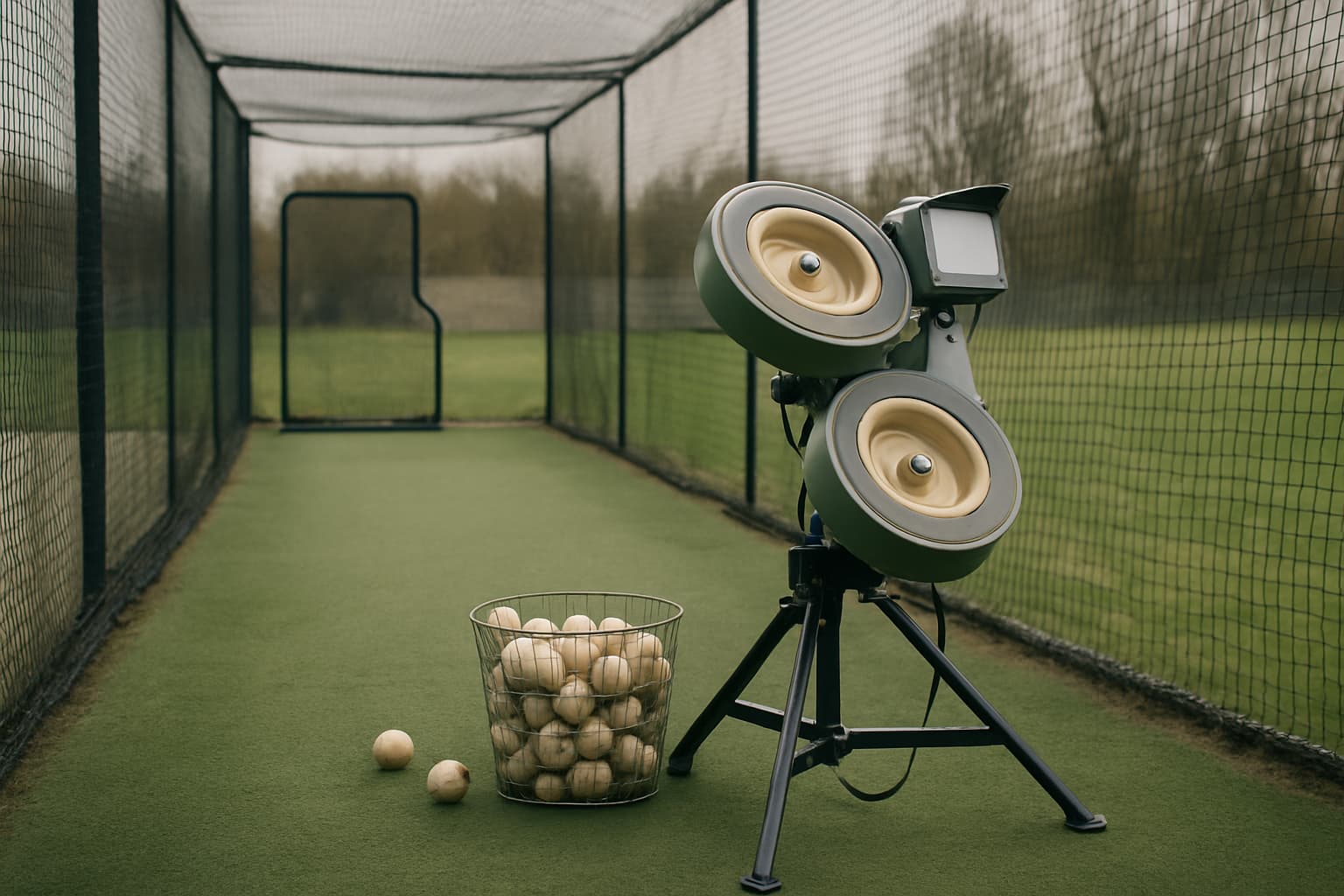
Heater Sports Pro Pitching Machine Review: The Best First Machine?
The Heater Sports Pro is one of the most common first pitching machines. Here is what its ~$500 price actually gets you, and how it compares to Louisville Slugger's Blue Flame and the Zooka ZS740.
Batting Cage Equipment
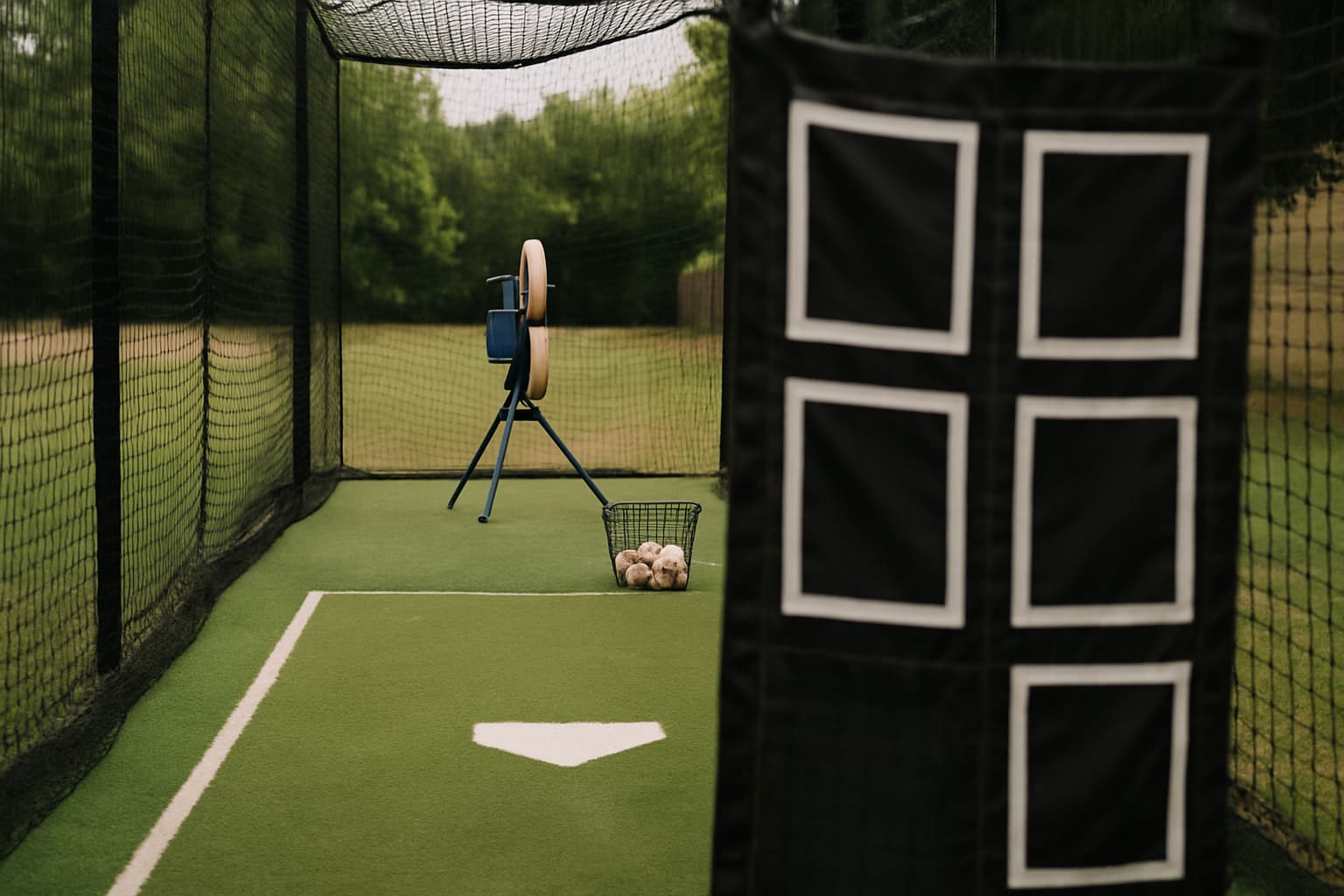
JUGS BP3 Review: The Pitching Machine That Actually Earned Us a Sale
The JUGS BP3 is the first pitching machine that earned CageList a real, confirmed commission. Here is what makes it different — Grip-Tite tires, automatic changeup switching, one-dial pitch selection — and how it compares to Hack Attack.
Run a travel team? Get your free page.
Baseball or softball. Claim a free directory page, post tryouts, and share cagelist.com/@yourteam with families.
Find your league
Free directories of real leagues and clubs near you — then book a batting cage to get your reps in before opening day.
1,000 organizations
Join the backyard batting cage community
Talk builds, gear, hosting and player development with cage owners, coaches, parents and baseball families.