
A batting cage business plan should explain more than how many lanes you want to build. It should show who the facility serves, how the space makes money, what it costs to operate, how bookings will be managed, and what makes the cage different from every other training option in the area. A strong plan helps owners avoid expensive assumptions before they sign a lease, buy equipment, or hire staff.
The plan does not need to be a hundred pages. It needs to be specific enough to test the idea. Facility owners can also use guest-side demand on CageList and host resources on CageList host resources to understand what players, teams, and coaches already look for when they book practice space.
Define the customer and use case
Start with the primary customer. Is the facility for individual hitters, private instructors, travel teams, softball programs, little leagues, adult slowpitch players, or all of the above? Each customer uses space differently. A private instructor may need one lane and reliable scheduling. A team may need multiple lanes, warm-up space, and longer blocks. Families may want easy evening and weekend availability.
Do not write "everyone" as the target market. A facility that tries to serve every use case equally often serves none of them well. Use local league calendars, school programs, tournament density, and competitor research to decide where demand is strongest.
Map the revenue streams
Lane rentals may be the base, but most facilities need multiple revenue streams. Consider memberships, team rentals, private lessons, clinics, camps, birthday events, equipment sales, coaching packages, and off-peak specials. Each stream should have a price, expected volume, staffing need, and margin estimate.
Connect revenue assumptions to pricing strategy. If memberships are central, compare them with drop-in rentals using membership vs. pay-per-use pricing. If team rentals are the anchor, think through recurring blocks and coach relationships using repeat team bookings.
Understand startup and operating costs
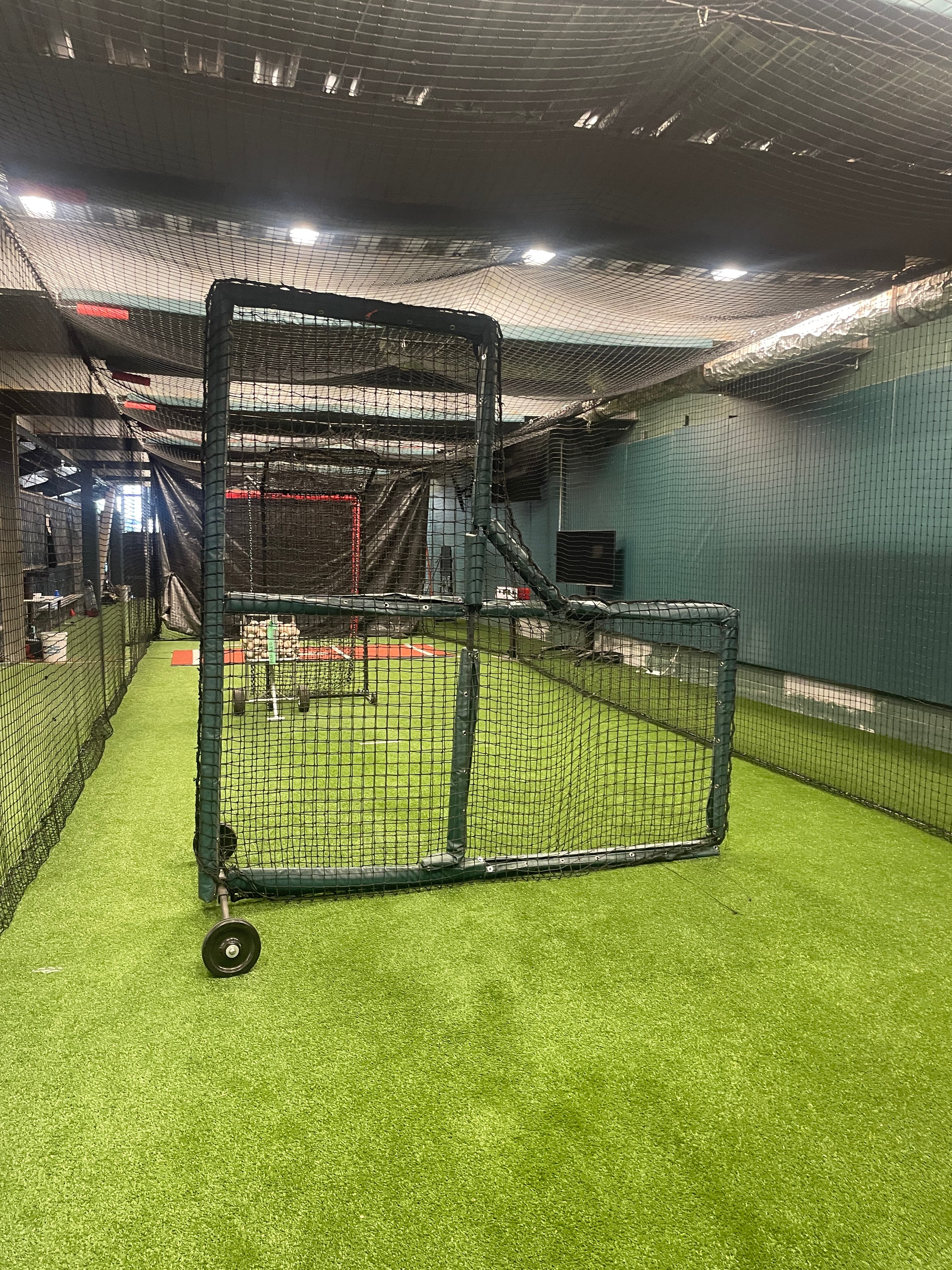
Startup costs may include lease deposits, buildout, turf, netting, frames, machines, balls, screens, lighting, HVAC, insurance, permits, signage, software, and professional services. Operating costs include rent, utilities, payroll, maintenance, cleaning, payment processing, marketing, taxes, and equipment replacement.
Owners should build conservative estimates and include a cash cushion. A cage facility can look profitable on lane revenue alone until rent, payroll, and slow months are included. Compare your assumptions with the cost to open an indoor batting cage facility and batting cage insurance basics.
Plan operations before opening
Operations decide whether the business feels professional. The plan should cover hours, staffing, check-in, waivers, cancellation rules, refunds, cleaning, machine maintenance, safety inspections, customer support, and emergency procedures. It should also define how bookings are made and how double-booking is prevented.
Software choices matter here, but software cannot fix unclear policies. Write the operating rules first, then choose tools that support them. For the tool stack, see software every cage facility needs.
Build the marketing plan
A facility needs demand before opening day. List the channels: Google Business Profile, local SEO, social media, school and league partnerships, instructor relationships, email, community events, and CageList visibility. The plan should include launch offers, content ideas, review collection, and a monthly marketing rhythm.
Marketing should match the customer. Coaches care about recurring team blocks. Parents care about safety, convenience, and price. Instructors care about reliable space and equipment. Use getting found online and social media marketing for batting cages to turn the plan into action.
FAQ
Do small cage businesses need a formal business plan?
Yes. Even a lean plan helps owners test demand, costs, pricing, and operations before spending heavily.
What is the most important section?
The financial model and customer definition are critical because they reveal whether the facility can generate enough demand at sustainable margins.
How often should owners update the plan?
Review it monthly during launch and at least quarterly after opening. Booking patterns, costs, and customer mix change quickly.
Put your cages in front of more local hitters
CageList is built to help cage owners reach players, parents, coaches, and teams looking for time.
Related Guides
View all articles
Facility Owners
How Batting Cage Facilities Fill Their Empty Weekday Hours
Most batting cage facilities sit half-empty on weekday mornings. Here is how to turn that idle daytime into steady, low-effort recurring revenue.

List Your Cage
Can Your Little League Rent Out Its Batting Cage?
Most leagues own a cage that sits idle most of the year. Opening it up is usually allowed — it depends on who owns the ground, what your use agreement says, and what your liability policy covers. Here is how to check all three.
Find & Rent Batting Cages
What You Actually Get at a HitTrax Cage in Dick's Sporting Goods
Dick's runs two different services in the same HitTrax cage, and they cost very different amounts. Here is what you get, what it costs, and when a real cage is the better call.
Run a travel team? Get your free page.
Baseball or softball. Claim a free directory page, post tryouts, and share cagelist.com/@yourteam with families.
Find your league
Free directories of real leagues and clubs near you — then book a batting cage to get your reps in before opening day.
1,000 organizations


Join the backyard batting cage community
Talk builds, gear, hosting and player development with cage owners, coaches, parents and baseball families.