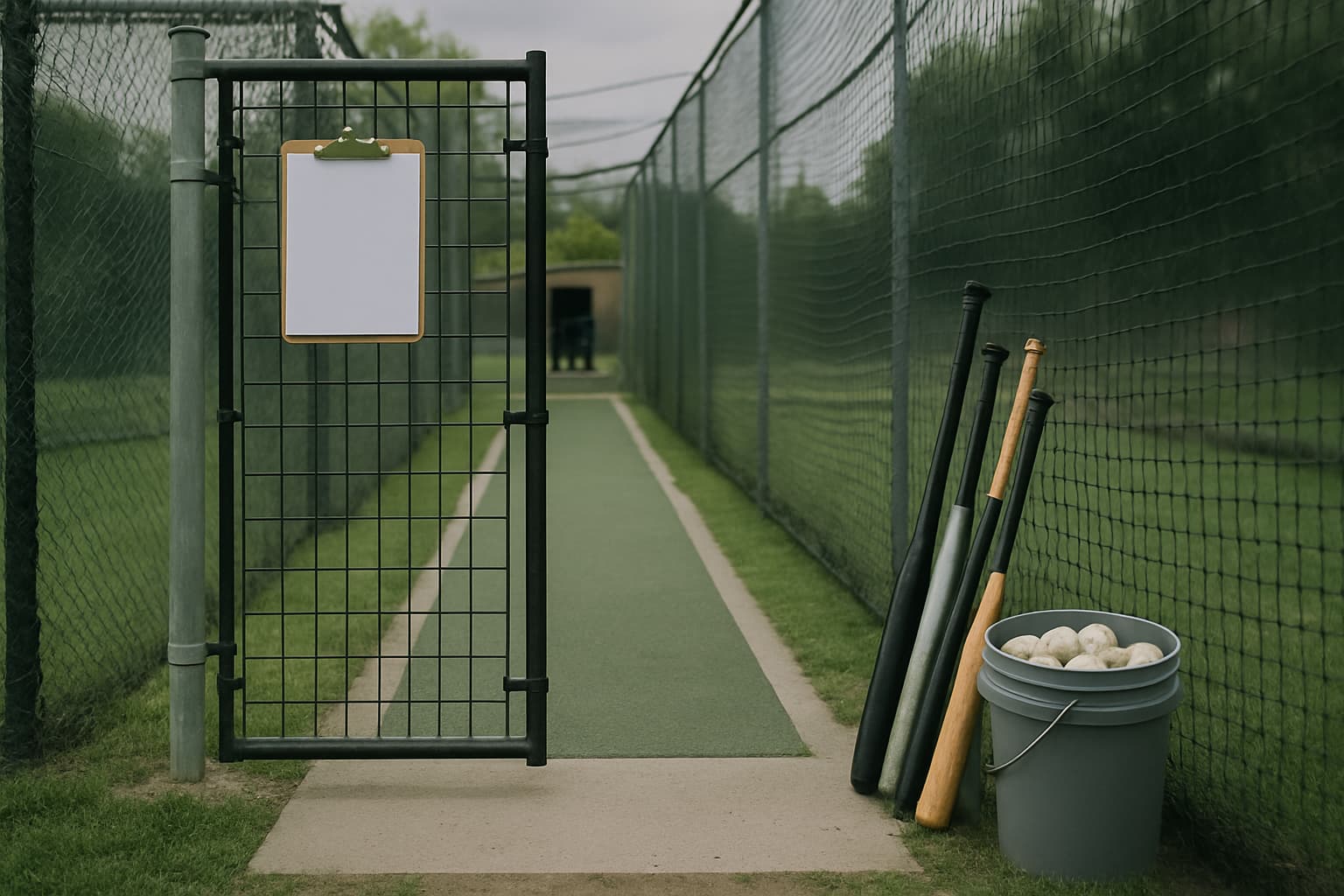
The moment someone other than your family swings a bat on your property for money, insurance stops being optional. The good news: cage-business coverage is straightforward once you know what to ask for. Here's the plain-English version.
Why You Need It
Baseballs are fast and bats are heavy. Even in a safe, well-run cage, accidents happen — a foul ball, a slip, a stray swing. Liability insurance protects your business and personal assets if someone is injured and makes a claim.
The Coverage That Matters
- General liability: the core policy — covers bodily injury and property damage claims from customers.
- Commercial property: protects your cages, machines, and building from damage or theft.
- Product/equipment considerations: if you rent equipment, ask how it's covered.
- Workers' comp: required in most places if you have employees.
Backyard vs. Facility
A backyard host renting occasional cage time has different needs than a full facility. Some homeowner policies exclude business activity entirely, so never assume your existing policy covers paid rentals — ask your agent directly, in writing.
How to Get Covered
- Talk to an agent experienced with sports/recreation or small business.
- Describe exactly what you do — paid cage rentals, lessons, machines, who's on site.
- Confirm the policy covers your specific activities and get the limits in writing.
- Pair it with a signed waiver on every booking.
The Bottom Line
Get general liability that explicitly covers paid cage rentals, add property coverage for your gear, use waivers on top, and never assume a homeowner policy covers business use. It's the cheapest peace of mind you'll buy. List your facility on CageList →
Keep exploring on CageList
- List or claim a facility
- Read host and facility resources
- See how players find cages
- Explore CageList partnerships
How facilities can use CageList as a growth channel
Facility owners are not only competing with other indoor training centers. They are competing with backyard cages, school fields, team practices, and the player’s limited weekly schedule. CageList helps facilities show up where high-intent players are already comparing options, especially when a family searches for batting cages near them and wants to understand the full local market.
A strong facility page should make the offer obvious: number of cages, sports supported, machine access, lesson availability, team rental options, membership details, cancellation rules, and whether first-time guests can book easily. The more specific the profile, the more qualified the lead.
CageList facility lens
Facilities can win by being transparent and easy to compare. If a player needs coaching, tech, multiple lanes, or all-weather reliability, the facility should say that clearly and link those benefits to the booking path.
FAQ
Should a facility list if it already has a website?
Yes. CageList is a discovery layer: it helps players find the facility while they are actively comparing nearby cage options.
What information improves facility leads?
Photos, cage count, pricing clarity, training options, age fit, team rental info, and accurate contact or booking paths.
Facility action step
Look at the page from a first-time parent’s perspective. If the parent cannot quickly understand who the facility serves, what the cages include, how scheduling works, and why it is better than nearby alternatives, the profile needs more detail. CageList should make that comparison easy.
Questions to ask before you open
Insurance decisions should match the way the cage is actually used. A private backyard cage, a staffed training facility, a team rental space, and a lesson business can all carry different risk profiles. Before accepting rentals, owners should ask what activities are covered, whether guests or instructors change the coverage needs, and what documentation should be kept after each booking.
CageList does not replace professional insurance advice, but a strong listing can reduce confusion by setting expectations clearly. Rules, equipment notes, supervision requirements, and accurate photos help guests understand the space before they arrive. That clarity is good for conversion and good for risk management.
Put your cages in front of more local hitters
CageList is built to help cage owners reach players, parents, coaches, and teams looking for time.
Related Guides
View all articles
Facility Owners
How Batting Cage Facilities Fill Their Empty Weekday Hours
Most batting cage facilities sit half-empty on weekday mornings. Here is how to turn that idle daytime into steady, low-effort recurring revenue.

List Your Cage
Can Your Little League Rent Out Its Batting Cage?
Most leagues own a cage that sits idle most of the year. Opening it up is usually allowed — it depends on who owns the ground, what your use agreement says, and what your liability policy covers. Here is how to check all three.
Find & Rent Batting Cages
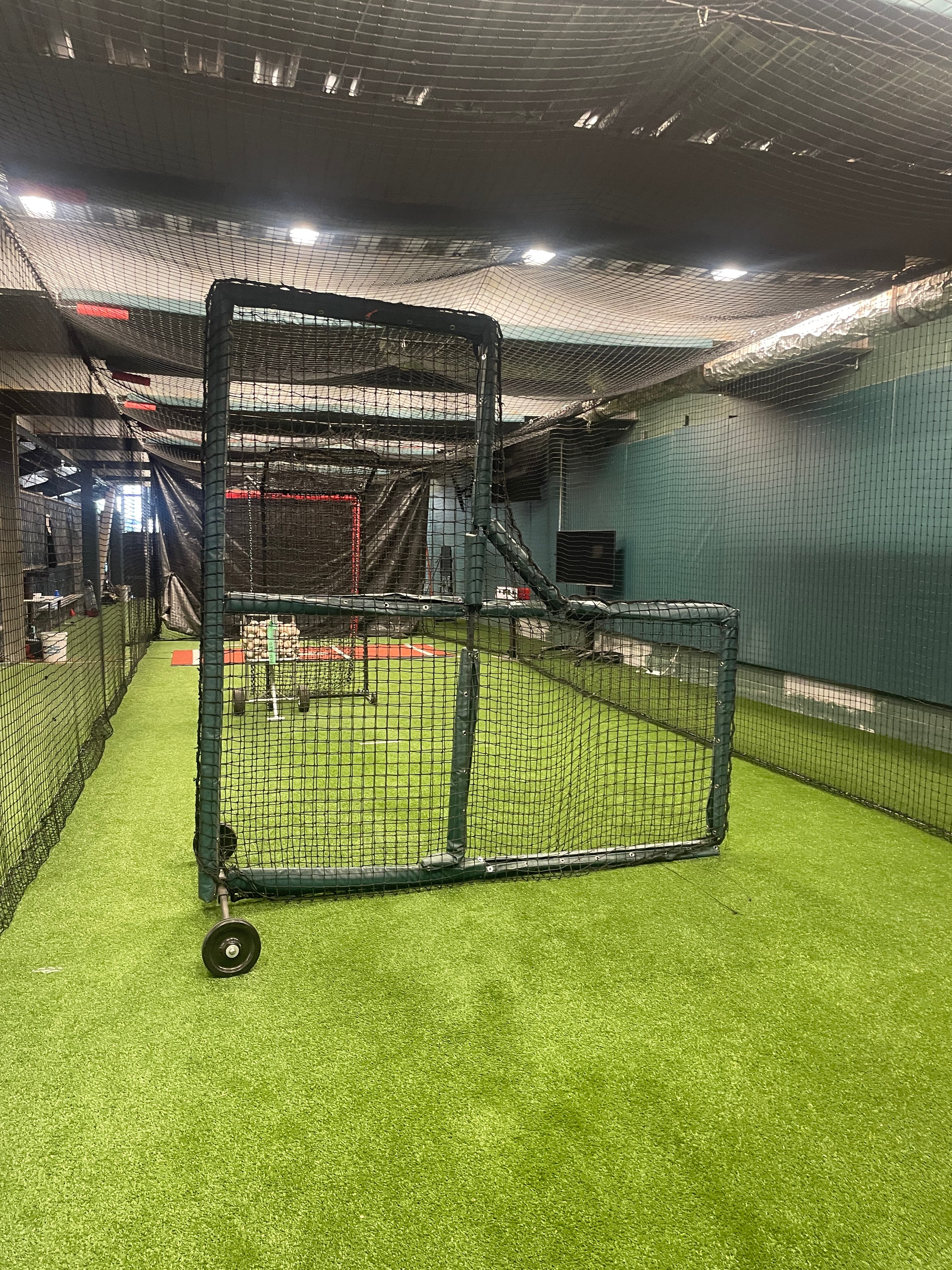
What You Actually Get at a HitTrax Cage in Dick's Sporting Goods
Dick's runs two different services in the same HitTrax cage, and they cost very different amounts. Here is what you get, what it costs, and when a real cage is the better call.
Run a travel team? Get your free page.
Baseball or softball. Claim a free directory page, post tryouts, and share cagelist.com/@yourteam with families.
Find your league
Free directories of real leagues and clubs near you — then book a batting cage to get your reps in before opening day.
1,000 organizations


Join the backyard batting cage community
Talk builds, gear, hosting and player development with cage owners, coaches, parents and baseball families.