
An indoor batting cage facility means year-round revenue, lessons, and weather-proof bookings — but the upfront cost is real. Here's an honest breakdown of what it takes to open one, and how to keep costs sane.
The Big Cost Drivers
1. The Space (Rent or Buy)
Your single biggest ongoing cost. Indoor cages need ceiling height (typically 14+ feet) and length, so warehouse or flex industrial space is common. Lease rates vary wildly by market — this often makes or breaks the model.
2. Build-Out and Cages
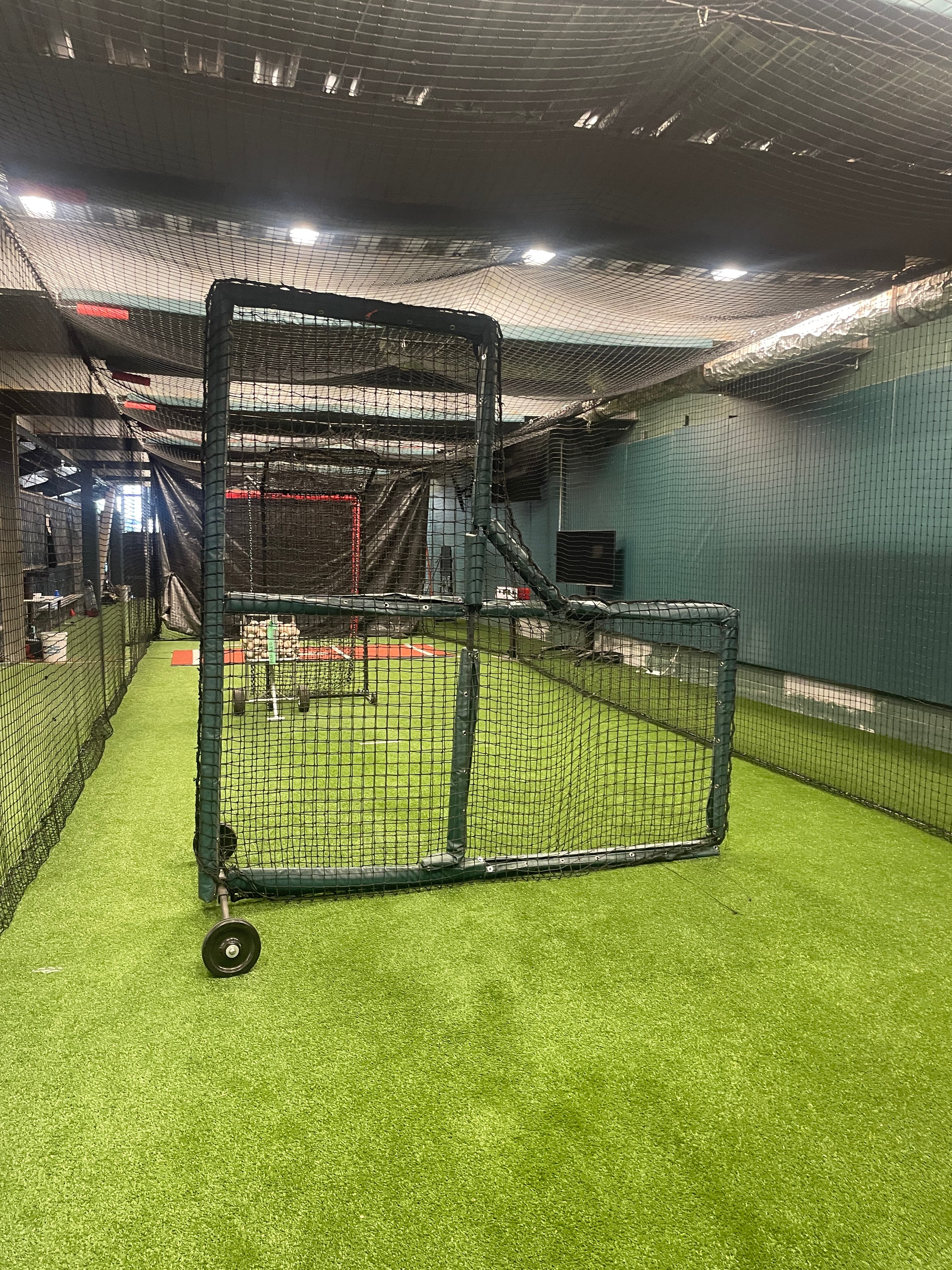
Netting, frames, turf, dividers, lighting, and pitching machines for each lane. A multi-lane build-out is a significant investment, though far less than the real estate over time.
3. Equipment and Tech
Pitching machines, screens, and optionally hitting analytics. Booking/scheduling software and payment processing round it out.
Ongoing Costs
- Rent/mortgage and utilities (heating/cooling a big space adds up).
- Insurance — liability coverage is essential.
- Staffing if you're not running it solo.
- Maintenance — nets, turf, and machines wear with use.
How the Money Comes Back
Indoor facilities earn from cage rentals, memberships, private and group lessons, clinics and camps, team rentals, and sometimes retail. Lessons and memberships are often the real profit centers, not walk-in cage time.
Model It Before You Commit
The single most important step is honest math: your fixed costs, your realistic booked hours, and your rate. A facility that's busy three nights a week looks very different from one booked all day.
The Bottom Line
Indoor facilities can be excellent businesses, but the real estate and build-out are serious commitments — so validate demand and model the numbers first, and consider starting smaller. Model your costs and earnings with the ROI calculator →
Keep exploring on CageList
- List or claim a facility
- Read host and facility resources
- See how players find cages
- Explore CageList partnerships
Facility owner takeaways
For How Much Does It Cost to Open an Indoor Batting Cage Facility?, the strongest operators think in systems. Pricing, staffing, insurance, scheduling, instruction, memberships, and local marketing all affect each other. A facility can have great cages and still struggle if parents cannot understand what to book, when to come, or why the space is different from another option nearby.
The goal is to make every offering easy to compare: cage rental, lessons, team practice, birthday events, camps, and memberships. Each one should have a clear audience, a clear time block, and a clear next action. That makes the business easier for families and coaches to buy from.
Use CageList as distribution
A complete CageList profile can become another discovery channel for facility owners who want to show up when players search for batting cages near them. Link to your strongest booking path, keep details current, and make the listing useful enough that it earns trust before the visitor reaches your website.
Operational detail that compounds
Facility growth usually comes from removing friction. Clear hours, accurate cage descriptions, simple packages, and reliable follow-up make the business easier to buy from. The same details also help a facility profile perform better in search because visitors can quickly tell whether the space fits their session.
CageList gives facilities another place to capture intent from players actively looking for batting cages, lessons, and practice space nearby.
Turn the idea into a better customer path
For How Much Does It Cost to Open an Indoor Batting Cage Facility?, the practical goal is to make the business easier for parents, coaches, and players to understand. A visitor should quickly see what can be booked, who it is for, what is included, and what to do next. That clarity matters whether the facility sells cage rentals, lessons, team blocks, camps, memberships, or events.
A strong CageList facility profile can support that path by capturing high-intent searches from people already looking for batting cages nearby.
Put your cages in front of more local hitters
CageList is built to help cage owners reach players, parents, coaches, and teams looking for time.
Related Guides
View all articles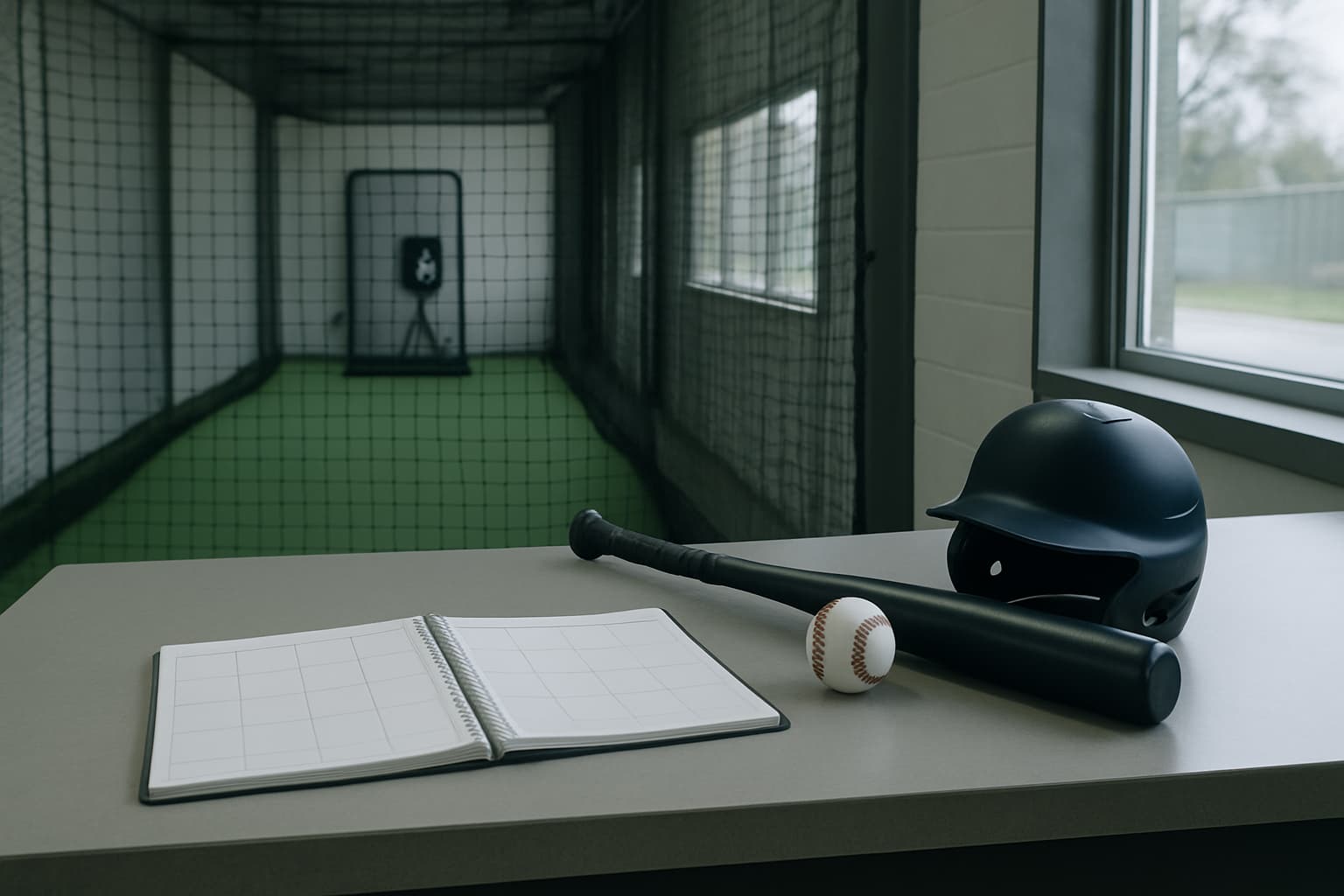
Facility Owners
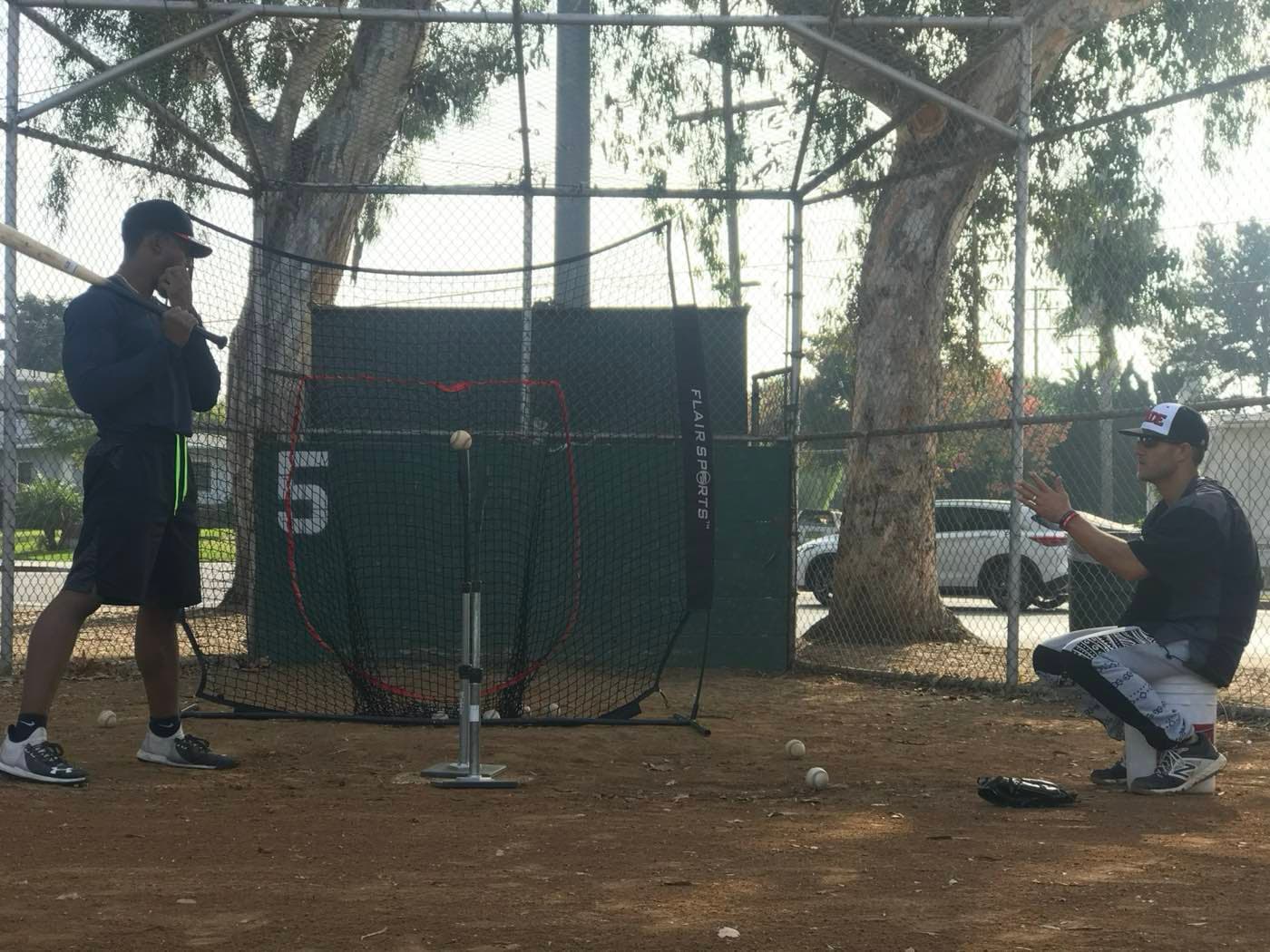
How Batting Cage Facilities Fill Their Empty Weekday Hours
Most batting cage facilities sit half-empty on weekday mornings. Here is how to turn that idle daytime into steady, low-effort recurring revenue.
List Your Cage
Can Your Little League Rent Out Its Batting Cage?
Most leagues own a cage that sits idle most of the year. Opening it up is usually allowed — it depends on who owns the ground, what your use agreement says, and what your liability policy covers. Here is how to check all three.
Find & Rent Batting Cages
What You Actually Get at a HitTrax Cage in Dick's Sporting Goods
Dick's runs two different services in the same HitTrax cage, and they cost very different amounts. Here is what you get, what it costs, and when a real cage is the better call.
Run a travel team? Get your free page.
Baseball or softball. Claim a free directory page, post tryouts, and share cagelist.com/@yourteam with families.
Find your league
Free directories of real leagues and clubs near you — then book a batting cage to get your reps in before opening day.
1,000 organizations


Join the backyard batting cage community
Talk builds, gear, hosting and player development with cage owners, coaches, parents and baseball families.