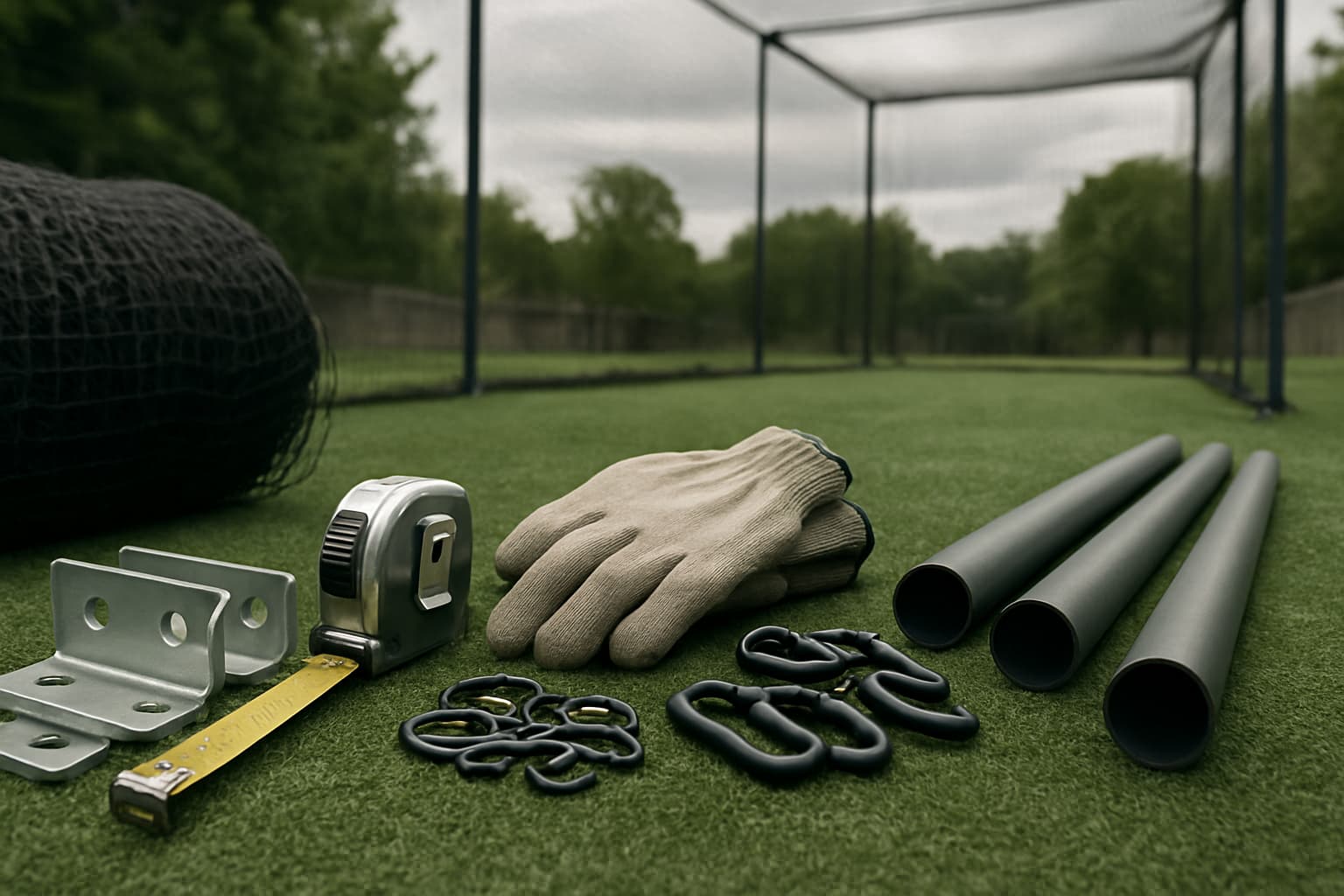
Everyone knows to look for a high ply rating and UV resistance when buying batting cage netting — but there's more to a smart netting purchase than the obvious stuff. Here are five lesser-known factors that make a big difference in long-term performance.
Secret 1: Knotted vs. Knotless Netting Matters More Than Ply
Knotted netting has individual knots at each mesh intersection. Knotless netting has a twisted, woven construction. For batting cages, knotted netting is significantly more durable at impact points — when a ball hits a mesh intersection, the knot absorbs the force rather than stressing the fiber itself. Always choose knotted for batting cages.
Secret 2: Border Rope Quality Determines Attachment Success
The border rope sewn into the perimeter of the netting is what you actually attach to your frame. Cheap netting often has thin, poorly-attached border rope that tears away from the mesh under load. Look for 5/16" or larger braided border rope that's tightly sewn through multiple mesh rows. It makes a noticeable difference in long-term attachment integrity.
Secret 3: Mesh Size Affects Ball Size Compatibility
The standard 1¾" mesh works for both baseball and softball. But if you're exclusively using dimpled pitching machine balls, the smaller diameter means you should stick with 1¾" or smaller — larger mesh can allow dimpled balls to partially pass through or catch awkwardly in the net.
Secret 4: Buy Slightly Larger Than Your Cage
Net manufacturers sell in standard sizes. Always buy netting that's 2–3 feet larger in every dimension than your cage frame. This accounts for the material used in tie-offs, bungee attachment slack, and natural sagging. A net that's exact to your frame dimensions will be too tight and stress attachment points.
Secret 5: Where You Buy Matters for Custom Sizes
Retail netting is sold in standard lengths. For custom cage sizes (55', 62', or odd dimensions), buy direct from a netting manufacturer. Suppliers like Gourock, Net World Sports, or national batting cage suppliers sell cut-to-order netting at competitive prices with much better customization than big-box stores.
Final Thoughts
The difference between a $200 netting job and a $400 netting job is often the difference between replacing netting annually versus every 7–10 years. Make the smart investment upfront.
Keep exploring on CageList
- Compare batting cage quality tiers
- Learn how to hit off a pitching machine
- Try batting cage drills
- Find a cage to test your setup
Fit the gear to the hitter
For 5 Little-Known Secrets to Buying Great Baseball Cage Netting, the right equipment choice depends on the hitter and the space. Younger players need confidence, simple setup, and safe reps. Older players may need more realistic speed, better feedback, or equipment that can handle heavier use. Hosts also need gear that renters can understand quickly.
Before buying, compare what real listings include on CageList. If the best local cages all mention a specific machine, tee, screen, lighting setup, or ball type, that is useful buying intelligence.
Best fit for CageList hosts
5 Little-Known Secrets to Buying Great Baseball Cage Netting is also relevant for hosts who want their cage to feel complete without overbuying. The right equipment should be durable, easy to explain, and appropriate for the players likely to use the space. Hosts should avoid gear that creates confusion, safety questions, or long setup time for guests.
When equipment is simple and clearly described, the listing feels more trustworthy and renters understand what kind of practice session they can plan.
Bottom line
5 Little-Known Secrets to Buying Great Baseball Cage Netting should leave the reader with a practical next step. For CageList, that means connecting the advice back to better practice access: compare nearby cages, understand what each space is best for, and choose the option that helps the player get more useful reps.
Shop This Guide
CageList picks that match what this article covers — no extra searching required.
Affiliate disclosure: As an Amazon Associate, CageList earns from qualifying purchases.


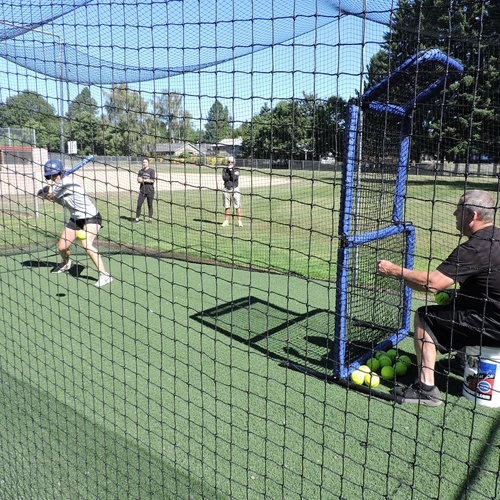

Build a better cage setup with the right equipment
Compare cage upgrades with practical advice for nets, turf, pitching machines, balls, and safety gear.
Related Guides
View all articlesBatting Cage Equipment
JUGS BP1 vs BP2 vs BP3 vs mini3: Which One Fits Your Cage
JUGS BP1, BP2, BP3, and mini3, compared on the numbers that actually matter: real pitch speed range and weight, straight from JUGS's own spec pages.
Batting Cage Equipment
Buying a JUGS Machine Online? Here's How to Tell a Real Dealer From a Reseller
Not every JUGS listing online is what it looks like. Here's how to tell an authorized dealer from a reseller before you spend $2,000+ on a pitching machine.
Batting Cage Equipment
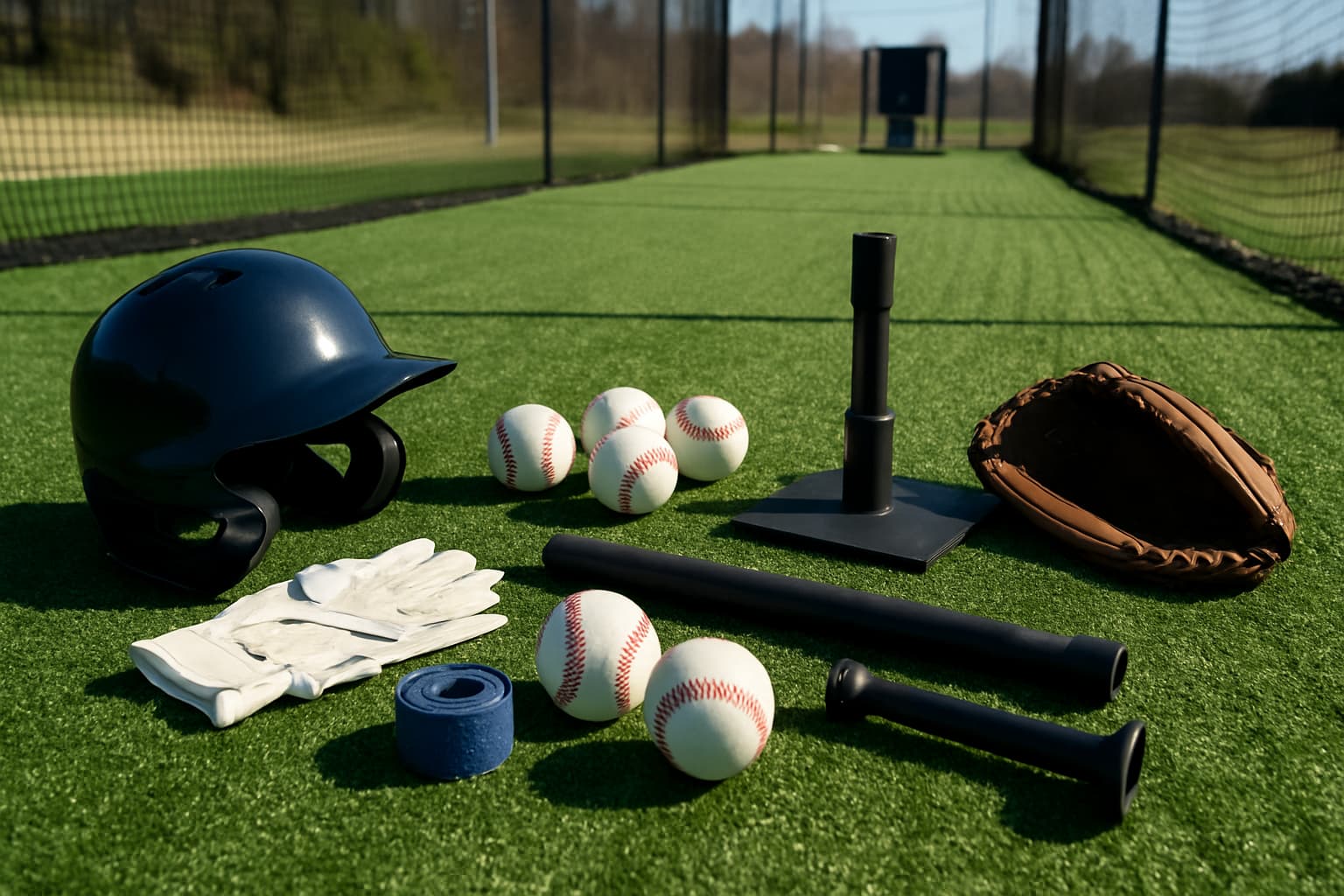
SKLZ Pitching Machine Review: Worth It at $80?
The SKLZ Pitching Machine is one of the cheapest real auto-feed machines on the market. Here is an honest look at what $80 gets you, the rest of the SKLZ lineup, and how it compares to Heater Sports Crusher and Personal Pitcher Pro.
Run a travel team? Get your free page.
Baseball or softball. Claim a free directory page, post tryouts, and share cagelist.com/@yourteam with families.
Find your league
Free directories of real leagues and clubs near you — then book a batting cage to get your reps in before opening day.
1,000 organizations
Join the backyard batting cage community
Talk builds, gear, hosting and player development with cage owners, coaches, parents and baseball families.