Private pitching lessons for kids
What a good lesson teaches, in what order, and what to walk away from. Written by a former pro pitcher who has taught more than 25,000 private lessons.
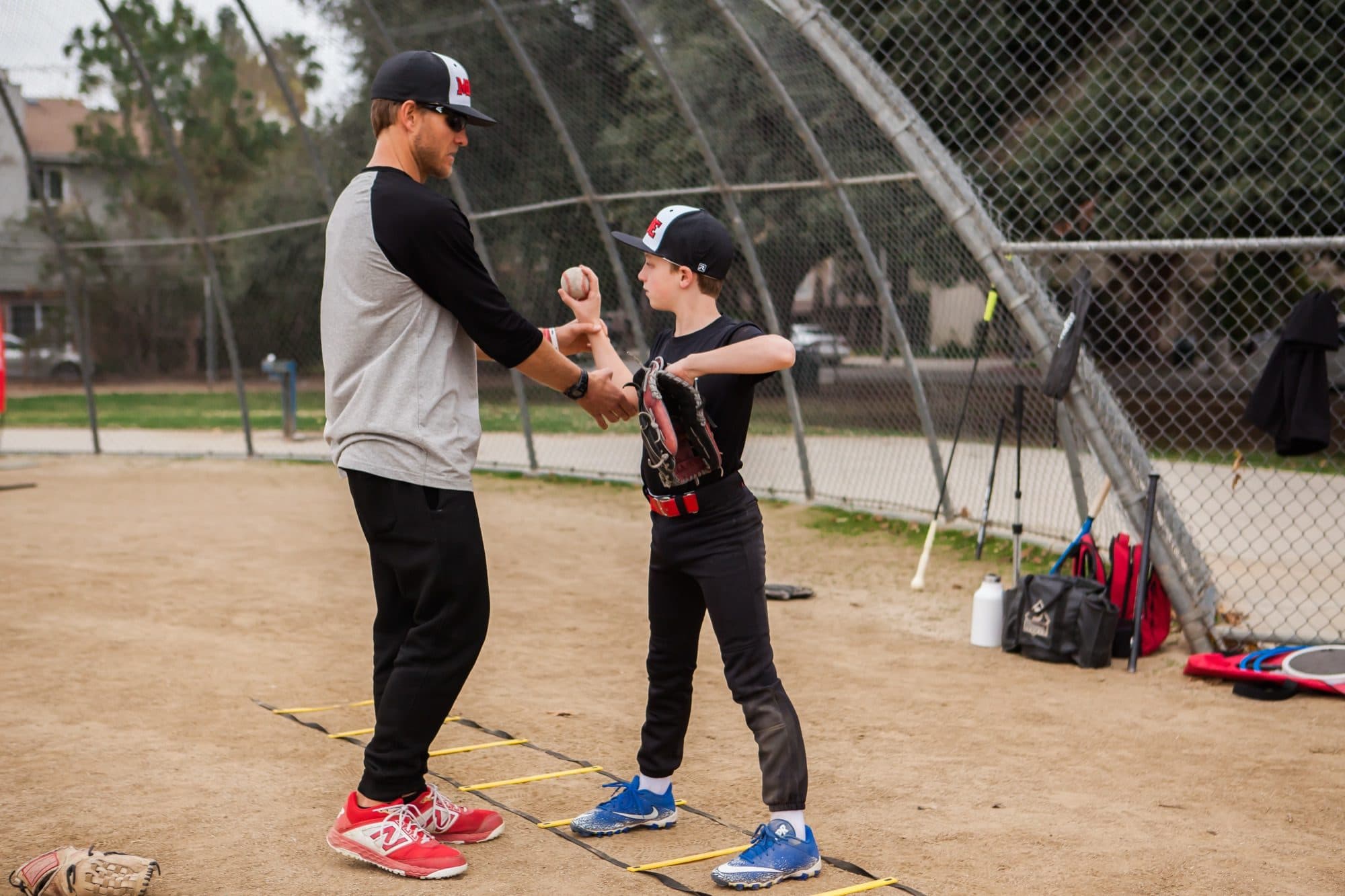
By Isaac Hess, founder of CageList and MADE Baseball. Updated October 4, 2026.
A good private pitching lesson for a young player teaches three things in this order: throwing strikes, a delivery the kid can repeat, and how to take care of the arm. Velocity comes after those, and a coach who leads with it is selling something.
01
The order I teach it in
I pitched professionally for seven years and have taught private lessons full time for 15, mostly to players aged 8 to 13. The order has barely changed: mechanics, then mindset and confidence, then arm care, mobility and recovery, then figuring out what kind of pitcher the kid is (power or finesse), and only then tinkering with grips.
Mechanics is just another word for form. The test I use is simple: can the player do the motion in slow motion without losing balance? If not, speeding it up only practices the mistake faster.
02
Strikes first, and why
For a beginner the most important part of pitching is throwing strikes. Learn how to make the ball spin with a four seam grip and throw it where the catcher is set. For a more advanced pitcher it is fastball command, and command of the off speed pitches too.
I tell every young pitcher the same thing: if you cannot throw a breaking ball for a strike, you should not be throwing one. The best pitch for most kids is the change up, and the best pitch in any count is strike one.
03
Take the sign from day one
A pitcher's routine is the process of taking a sign and coming set on every single pitch. Start it the day kid pitch starts. The catcher gives a fastball down the middle every time, it is repetitive, and it builds the habit that holds up when the game gets loud.
04
What the first lesson should look like
Expect the coach to watch you throw before changing anything. Then expect one or two things to work on, not ten, an explanation of why in words your child understands, and something to practice at home. If the whole hour is a lecture, or a gadget, find someone else.
05
Red flags before you book
Ask these questions. The answers tell you more than a résumé.
- What is the plan for my kid's arm? A coach should talk about pitch counts, rest and building throwing volume up slowly. Follow your league's pitch count rules, and treat soreness as a reason to stop.
- Do you promise velocity? Nobody can promise miles per hour on a growing kid. A coach can promise a plan and a standard.
- Will you teach my kid to throw a curveball now? A young pitcher is better served by a fastball he can locate and a change up. See the strike rule above.
- How do you explain things? Players who know why they are doing something keep doing it when the coach is not standing next to them.
06
How often to take lessons
A lesson is a plan. The reps happen on the other days, mostly playing catch. One hour with a coach plus honest throwing in between does more than three hours a week of standing around a mound. Book one lesson before you buy a pack, and watch the whole hour.
07
Questions parents ask
What age should a child start private pitching lessons?
There is no set age. Most young players are better served by playing catch and learning to throw strikes with their team first. Private pitching work makes sense when a player is actually pitching and wants to be more accurate or fix something specific. Follow your league's pitch count rules at every age.
What is the most important thing in pitching for a beginner?
Throwing strikes. Learn how to make the ball spin with a four seam grip and throw it to the catcher's target. Everything else builds on that.
Should a young pitcher throw a curveball?
My rule is that if a pitcher cannot throw a breaking ball for a strike, he should not be throwing one. For most young pitchers a fastball with command and a change up are the pitches worth spending lesson time on.
How do I find a private pitching coach near me?
Look for a coach who is background checked, explains what they will change and why, and talks about arm care before velocity. On CageList you can read a coach's page, see the price and the places they teach, and book a one hour lesson.
How long is a private pitching lesson?
A private lesson on CageList is 60 minutes, which is long enough for a warm up, focused work and a plan for the week.
Book a lesson with Isaac
Isaac coaches in the Orlando area and books his own lessons on CageList. See his price, where he teaches and open times.