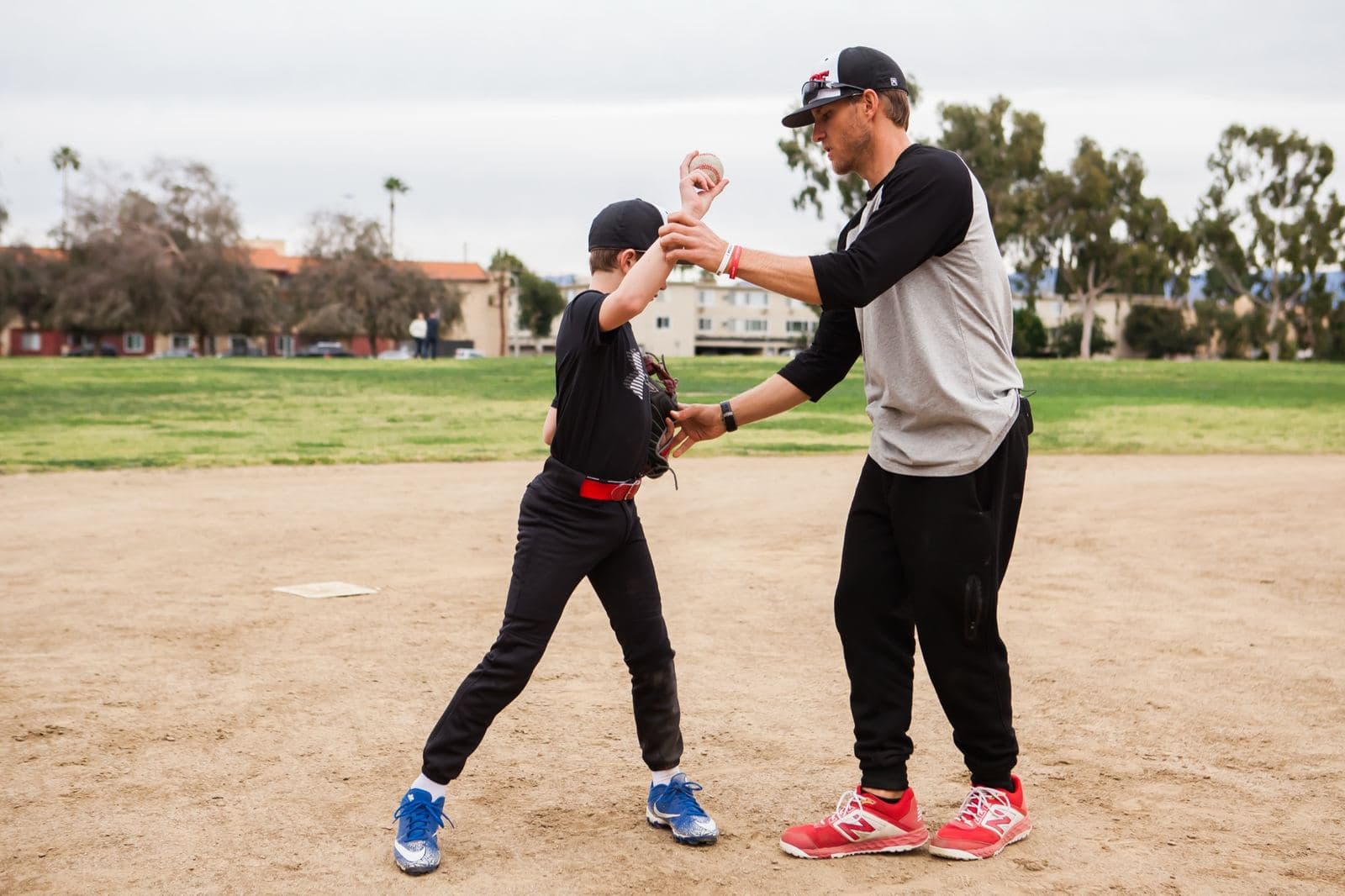
Why two players
Two players keep each other honest, make the hour more fun and pay you more. Here is when it works and when it does not.
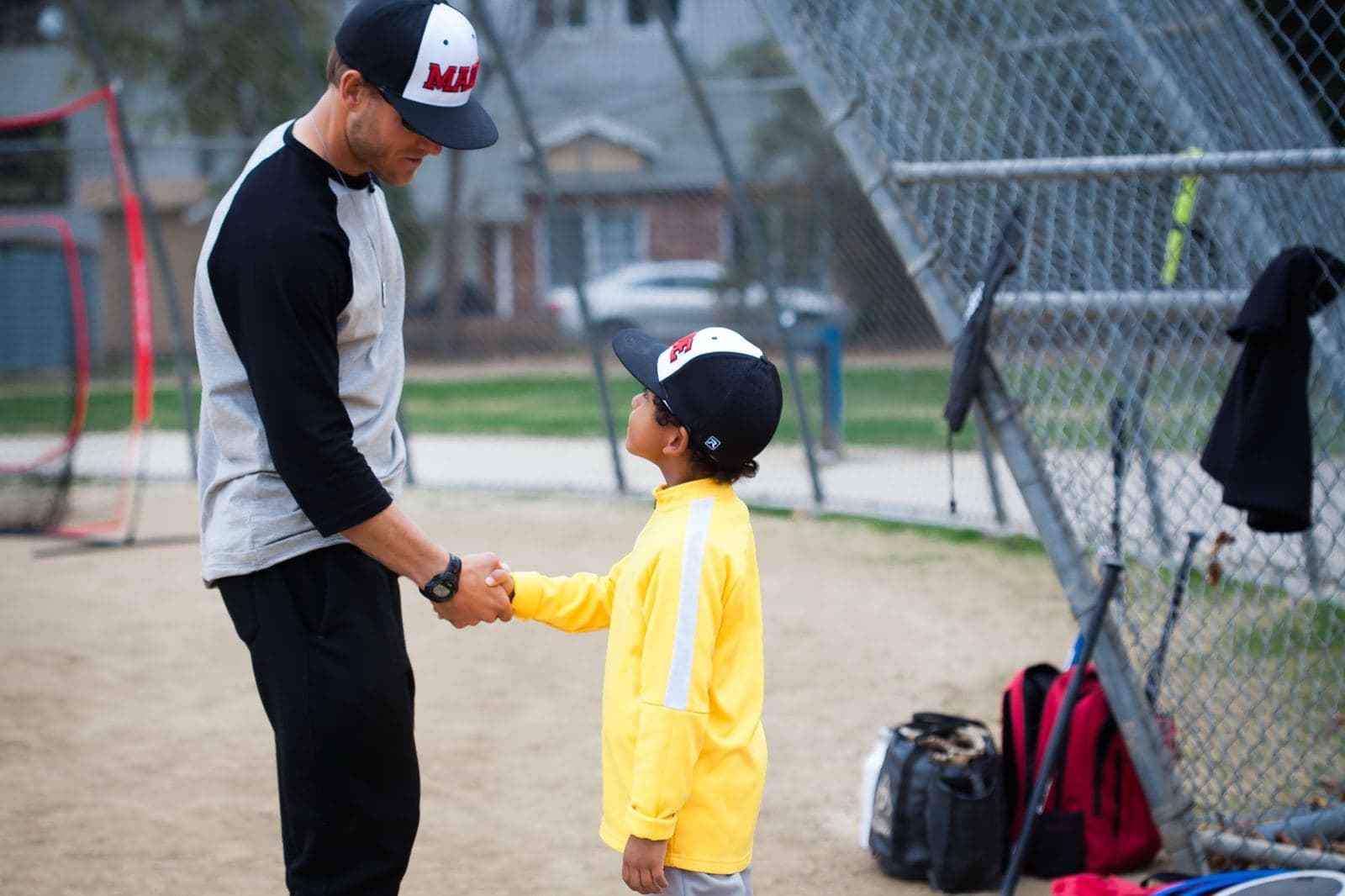
Coach playbook, 2 of 5. You can take up to four players in a lesson. Two is where it works best.
01
Accountability and fun
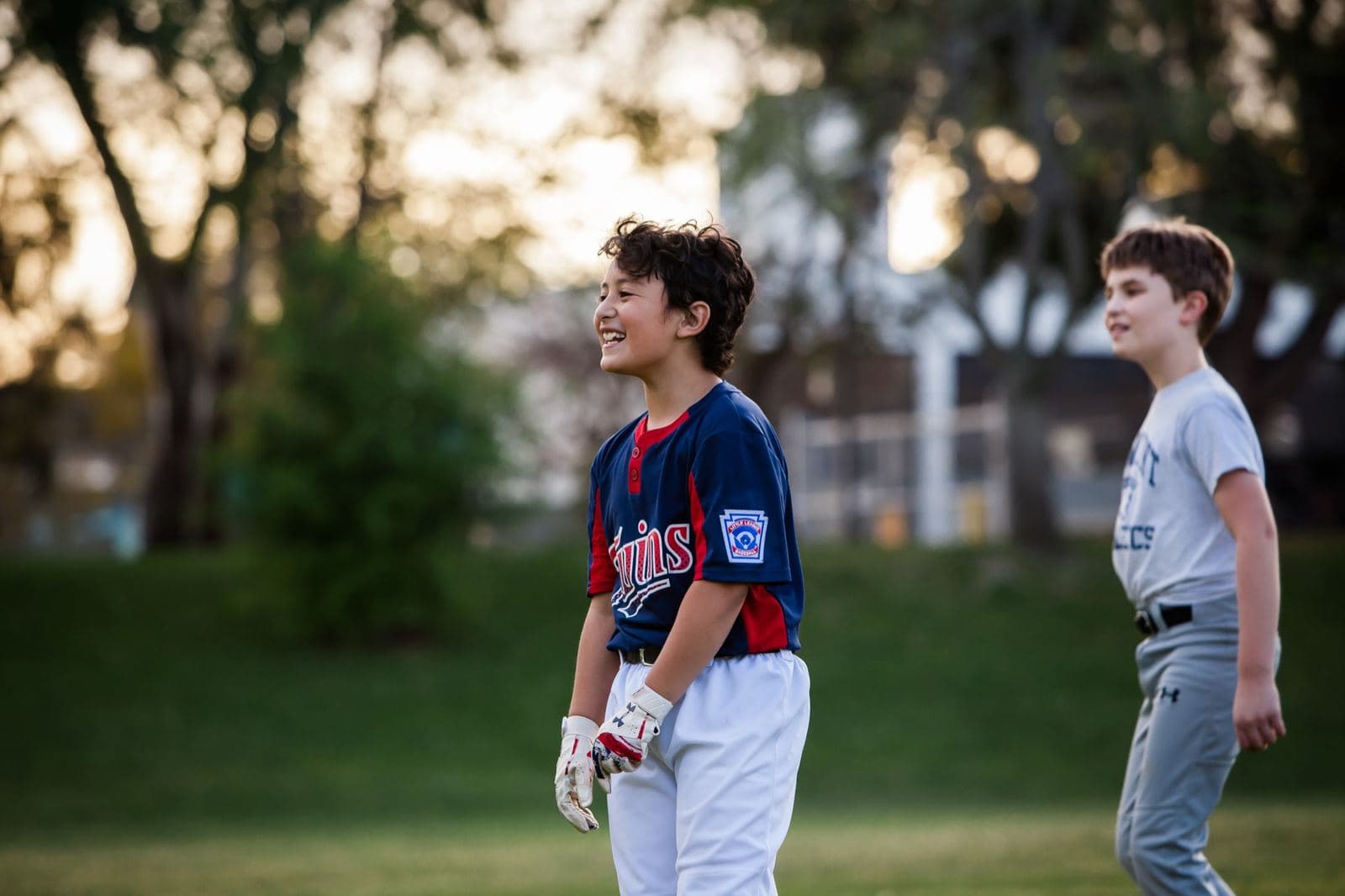
A friend in the cage means someone to compete with and someone to cheer for. Players push harder and stay longer when the other kid is watching.
02
Even numbers beat three
With two, everyone is always either hitting or learning from the other swing. With three, one player stands around. Three and four still work in a cage with a station plan.
03
Cage work and throwing work
Hitting in a cage groups well because players rotate through. Throwing and pitching work is harder in a group: arm care and mechanics need your full eyes. Keep pitchers solo or in pairs at most.
Very different ages can backfire. A twelve year old and an eight year old want different things from the same hour.
04
The math, at $80 an hour
CageList sets the extra-player price. Each extra player adds 40% of your solo rate, and the total is shared evenly.
- 1 player
- $80
- 2 players
- $56 each, $112 total
- 3 players
- $48 each, $144 total
- 4 players
- $44 each, $176 total

Isaac Hess founded CageList after seven years of professional baseball and a coaching career of his own. These are the principles we share with every coach on the platform. They come from his academy, MADE Baseball, CageList's sister company. More of the story at isaachess.com.
Keep reading