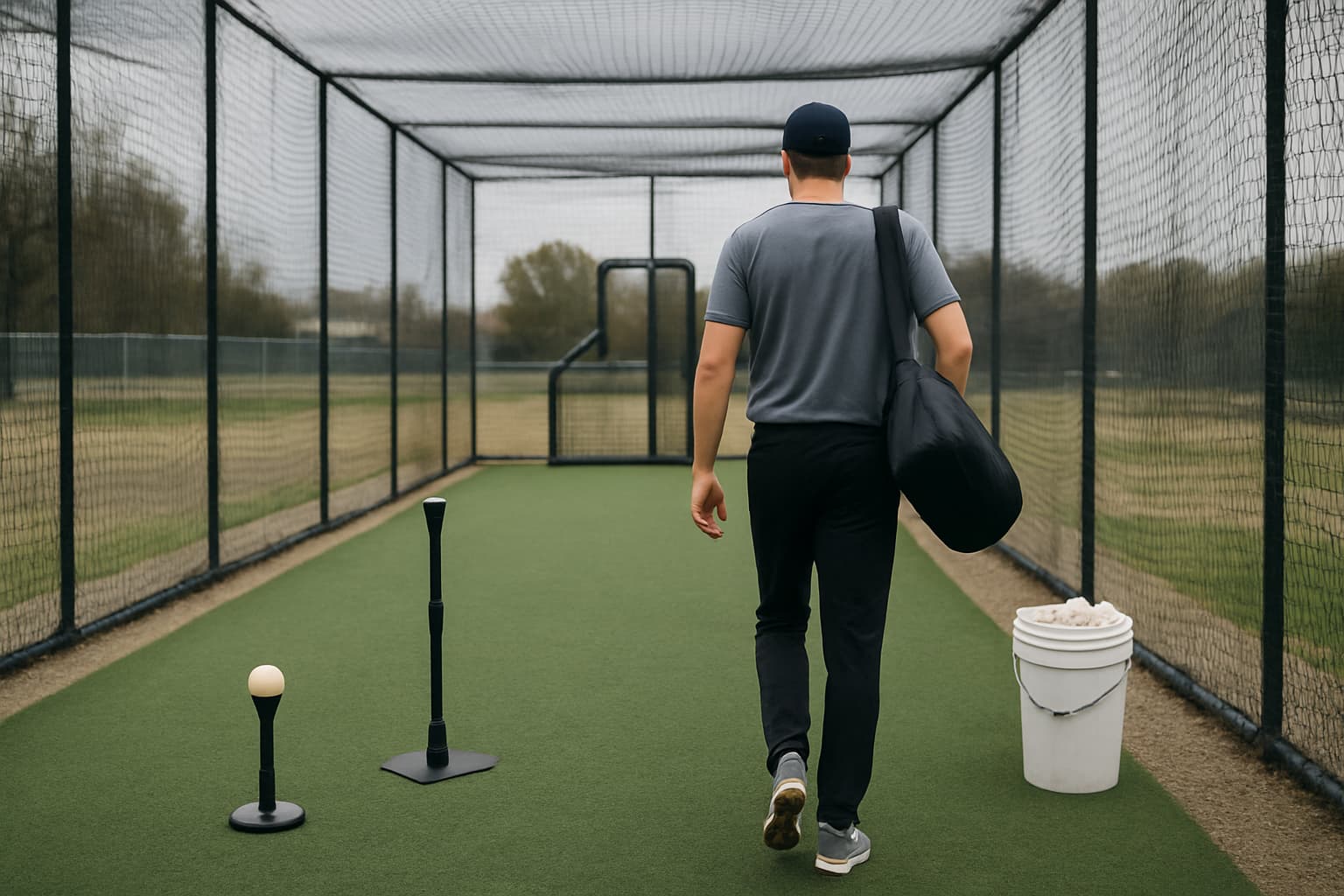
A good batting practice warm-up does more than loosen the arms. It prepares the hitter’s eyes, hips, hands, timing, and attention for the swings that matter. Players who rush straight from the car to full-speed machine work often spend the first half of the session chasing their rhythm. Worse, they may build bad habits because their body was not ready to move well.
Warm-ups do not need to be complicated. They need to be consistent. Before your next cage rental through CageList, build a ten-to-fifteen-minute routine that moves from general body prep to swing-specific timing.
Start with movement, not swings
Begin with two or three minutes of light movement: jogging, skips, side shuffles, or jumping jacks. The goal is to raise body temperature and wake up the legs. Then add dynamic mobility. Use walking lunges, hip openers, torso rotations, arm circles, and band pull-aparts if available. Keep everything smooth. This is not conditioning; it is preparation.
Pay special attention to the hips, thoracic spine, shoulders, forearms, and wrists. Those areas help the hitter rotate, separate, and control the barrel. If a player feels stiff, spend extra time there before picking up a bat.
Rehearse the swing pattern
After movement prep, take dry swings at partial speed. Start with balance: stance, load, stride, hold. Then rehearse slow swings through contact. The hitter should feel posture, direction, and finish without worrying about the ball. Dry swings are also the right time to introduce the day’s cue.
Keep the cue simple. "Stay through the middle," "get ready early," or "finish balanced" is enough. The batting cage practice guide recommends choosing one primary focus so the session does not become a pile of disconnected corrections.
Use tee work as the bridge
Tee work is the bridge between movement and live timing. Start with five to ten easy swings through the middle of the cage. Then move the tee to the location that matches the day’s goal. If the hitter is working opposite field, set the tee deeper. If the hitter is working inside contact, move it slightly out front. If the hitter is preparing for a game, use middle-away line drives to find rhythm.
Do not let tee work become mindless. Each swing should have a target and a finish. If the hitter cannot hit a firm ball off the tee while balanced, full-speed machine work will probably expose the same issue.
Progress to toss before velocity
Front toss or side toss helps the hitter add timing without jumping straight to machine speed. Take a short round of eight to twelve swings. Mix in a few takes so the hitter tracks the ball instead of auto-swinging. If the player is bunting that day, include a few controlled bunt reps before full swings.
This is also a good point to add drill work from the batting cage drills library. Choose one drill that supports the goal: opposite-field front toss, two-tee direction work, or pause-and-go timing. One good drill is better than six rushed drills.
Ramp machine speed gradually
Once the hitter is moving well, start machine work below game speed for a short round. Then move to the intended speed. The first machine round should be about timing and seeing the ball. The next round can be competitive. Players who only see max speed right away often compensate by cheating early, which makes offspeed and location work harder later.
For pregame or tournament settings, keep the ramp shorter. The goal is to feel ready, not tired. Pair this article with how many swings to take per session so the warm-up supports the total workload.
A sample 12-minute warm-up
Use two minutes of movement, three minutes of mobility, two minutes of dry swings, three minutes of tee work, and two minutes of front toss. If you have more time, add a short machine ramp. If you have less time, keep one piece from each category: move, mobilize, rehearse, hit.
The best warm-up is the one a player will actually repeat. Write it down, keep it in the equipment bag, and make it part of every cage session.
FAQ
How long should a batting practice warm-up take?
Most hitters need 10 to 15 minutes. Younger players can use a shorter routine if it still includes movement, mobility, dry swings, and tee work.
Should hitters stretch statically before swinging?
Long static holds are usually better after activity. Before hitting, dynamic mobility and gradual swing progression are more useful.
Can tee work be part of the warm-up?
Yes. Tee work is one of the best ways to move from body prep into swing timing without rushing to full speed.
Find a baseball league near you
Put your work into a real season — men's leagues, Little League, and travel teams, all in one guide.
Related Guides
View all articles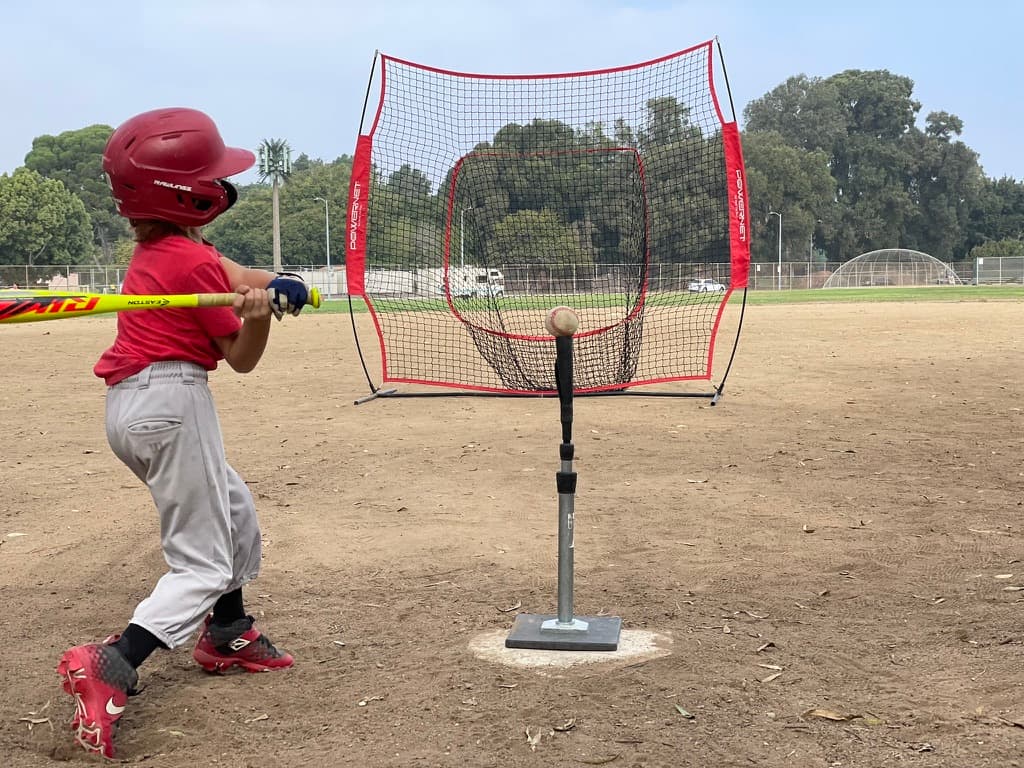
Training & Hitting
Practicing Hitting at Home Between Cage Sessions
You can not book a cage every day, but you can still get quality swings at home. Here is how to build a simple at-home hitting routine between rentals.
Training & Hitting
How to Run a Hustle Ball Class: Coach Pitch, Close Games, Teachable Moments
A coach's how-to for Hustle Ball™ — manage pace with coach pitch, keep games close, rotate positions, and teach without killing the energy.
Training & Hitting
Hustle Ball: Why One Practice a Week Should Feel Like a Real Game
MADE Baseball's Hustle Ball™ — coach-pitch live play that keeps kids loving the game. Why one weekly practice should feel like a real game, not only drills or tournaments.
Run a travel team? Get your free page.
Baseball or softball. Claim a free directory page, post tryouts, and share cagelist.com/@yourteam with families.
Find your league
Free directories of real leagues and clubs near you — then book a batting cage to get your reps in before opening day.
1,000 organizations

Join the backyard batting cage community
Talk builds, gear, hosting and player development with cage owners, coaches, parents and baseball families.