If you have a kid moving from rec ball into travel ball, you've probably hit a wall of unfamiliar names — USSSA, Perfect Game, USA Baseball, AABC, Nations — and one word thrown around like everyone already knows it: sanctioned. This guide explains, in plain English, what sanctioning actually is, who the major bodies are, why travel ball feels so fragmented, and how to decide what's worth it for your family.
What “sanctioned” actually means
A sanctioning body is an organization that sets the rules a tournament or league plays by. When an event is “sanctioned by” a body, that body:
- Defines the playing rules — age cutoffs, roster and pitching limits, game formats, and what equipment (especially bats) is legal.
- Provides or requires insurance — most sanctions bundle or require accident and liability coverage for sanctioned events. A big, under-appreciated part of what you're paying for.
- Runs a tournament and qualifying structure — local and regional events feeding into “state,” “world series,” or national championships.
- Often ranks teams and players — points, national rankings, and (for older ages) exposure to college recruiters.
So “is this tournament sanctioned?” really means: whose rulebook, whose insurance, and whose championship path are we playing under this weekend?
The major sanctioning bodies
There is no single authority over travel baseball. Instead there's a handful of big organizations competing for events and families:
- USSSA (United States Specialty Sports Association) — the volume leader in youth travel tournaments, with its own bat standard (the “USSSA 1.15 BPF” stamp) and a national team-ranking system. Fits most weekend travel teams, roughly 8U–14U.
- Perfect Game (PG) — the leader in showcases, player rankings, and scouting exposure. Fits older, higher-level players chasing college exposure (13U and up).
- USA Baseball — the national governing body for amateur baseball. It sets the USA Bat standard and runs the national-team pipeline — more a standards body than a weekend-tournament runner, but it shapes the rules everyone else uses.
- AABC, Nations, Triple Crown, Pony — regional and national alternatives, each with its own championships and rules, strongest in the regions where they run the local circuits.
- Little League, Babe Ruth / Cal Ripken — the big rec and community-ball sanctions, each with its own tournament and all-star path.
A single team often plays under more than one of these across a season — a USSSA event one weekend, a PG event the next. That's normal, and it's the first clue to why this world feels so scattered.
The rule that trips up every new travel family: bats
Different sanctions allow different bats, and the wrong one gets a kid called out or a team penalized. The three standards you'll hear about:
- USA Bat (USABat) — required by Little League and most rec sanctions.
- USSSA 1.15 BPF — the “USSSA stamp,” used in most USSSA travel events.
- BBCOR — the high-school and college standard, used at older travel ages.
Never buy a bat without checking your specific event's rulebook first. A $300 bat that's legal in one sanction can be illegal in the next — the single most common first-year travel-ball headache.
Why travel ball feels “unsanctioned” — it's fragmentation, not lawlessness
Here's what parents sense but can't always name: travel ball isn't unregulated. It's fragmented. Rec ball has one dominant, nonprofit, unified structure — a local league charters under one national body, with one rulebook and one boundary map. Travel ball has many competing, largely for-profit sanctioning bodies, none of which is “in charge” of the whole thing.
That fragmentation is why no one can give you a single “official” ranking of travel teams, why the same age group can have different rules a weekend apart, and why “is it sanctioned?” has more than one possible answer.
It's not that travel ball skipped sanctioning — it's that several sanctions compete for your entry fee, with no unifying charter over the top. If you've heard the Netflix-and-Blockbuster comparison, this is the core of it: the flexible, well-capitalized, market-driven model keeps pulling committed players out of the single-charter rec model — not because rec ball did anything wrong, but because travel ball's structure rewards concentrating talent, playing year-round, and chasing exposure.
Is travel ball “worth it”? An honest checklist
There's no universal answer, but there is an honest framework. Travel ball is usually worth it when:
- Your kid wants more games, better competition, and year-round reps — not just you.
- You can carry the cost (team fees, tournament entries, travel, gear) and the time (multi-day weekends, long drives) without resentment.
- The coaching and development are real, not just a logo and a schedule.
Rec ball — Little League and its peers — is usually the better fit when you want community, a fixed local season, lower cost, and room for other sports. Plenty of great players do rec for years before travel, and plenty do both. Neither choice is a verdict on your kid.
Where practice space fits — and where CageList comes in
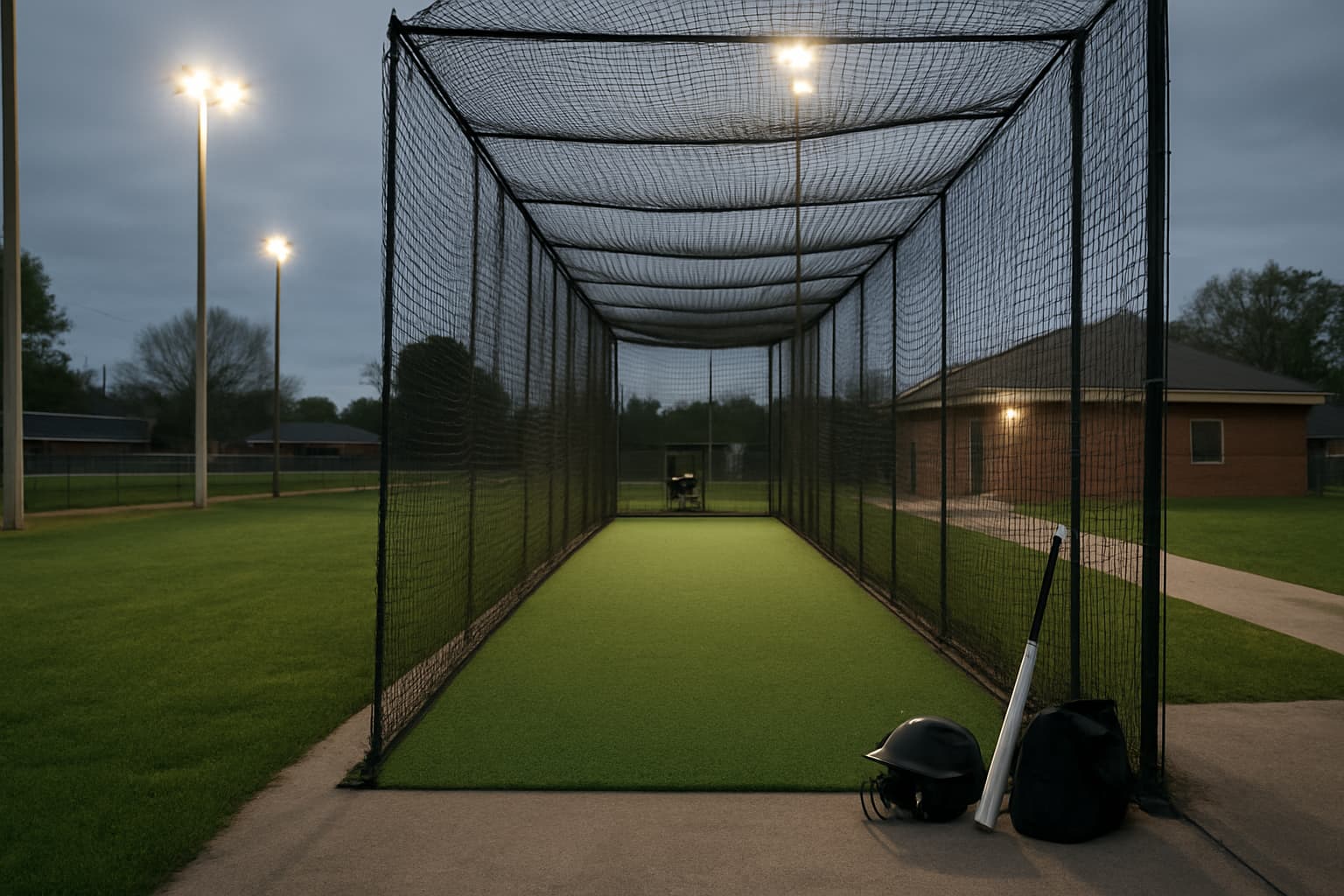
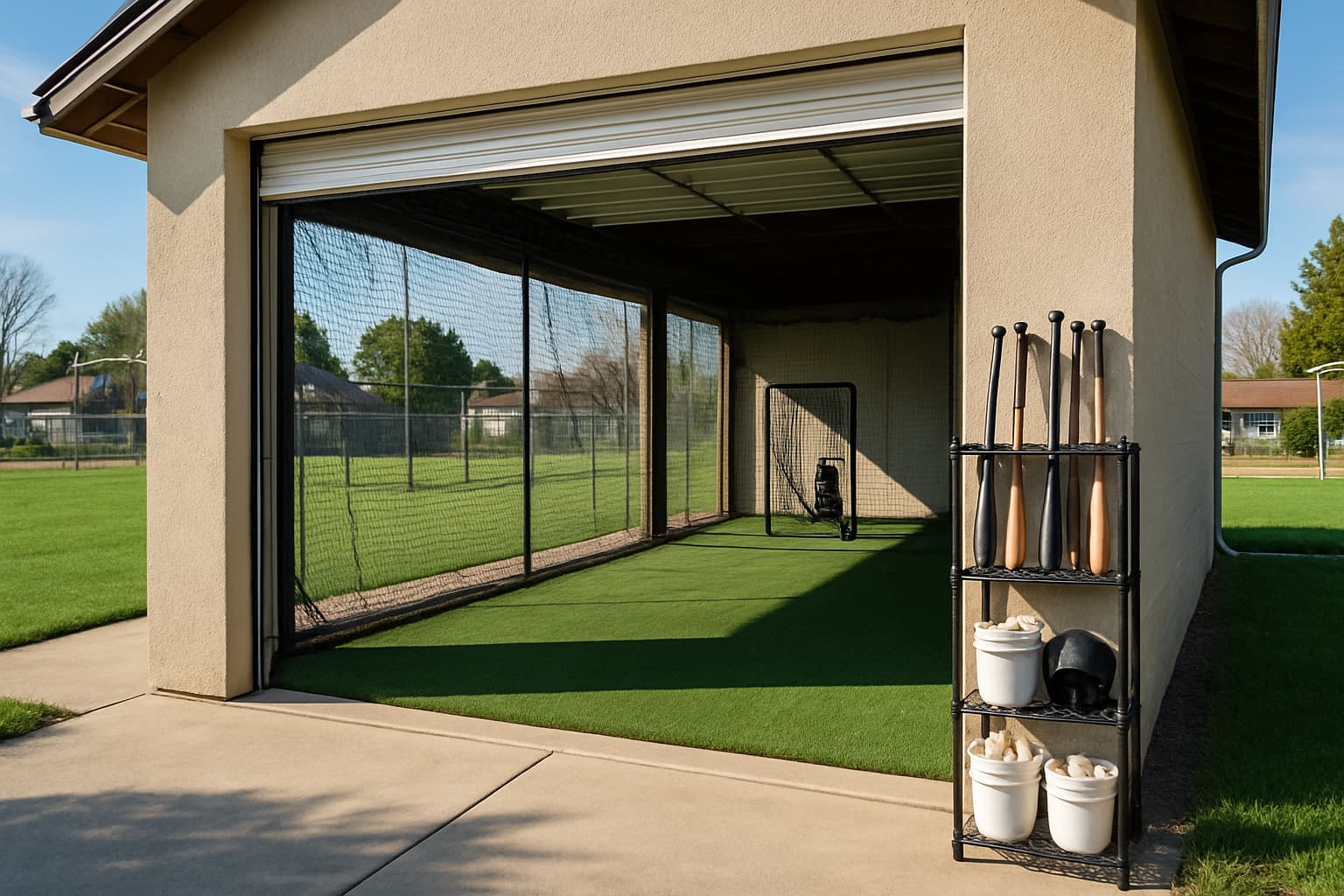
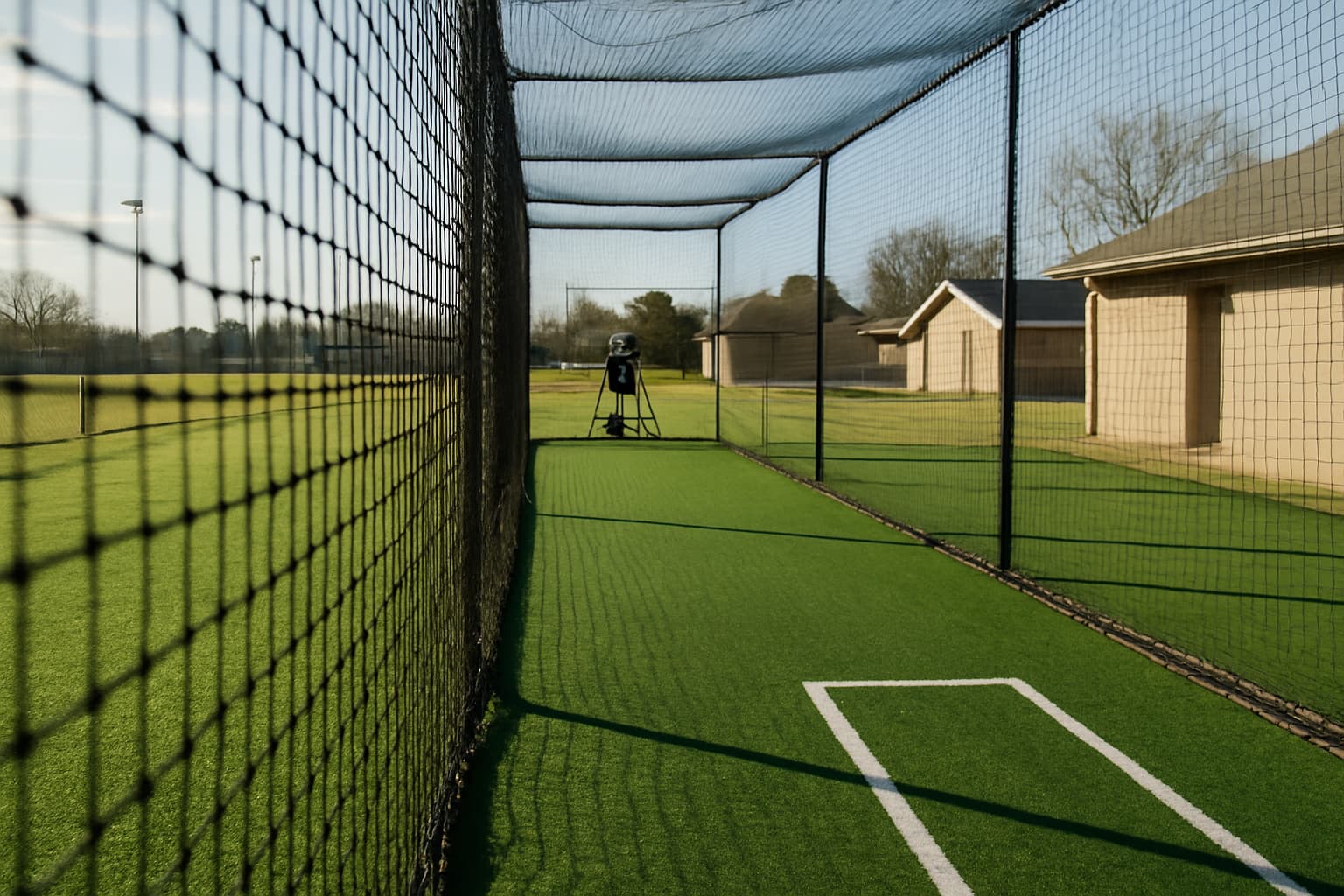
Whatever sanction your team plays under, every travel team has the same off-the-field problem: finding places to hit and practice, especially in the off-season and around weather. Cage and field time is the one need that cuts across every sanctioning body — nobody owns it, and it's usually a scramble of group texts and locked gates.
That's the layer CageList sits under. Instead of being one more sanctioning body, CageList is the neutral booking-and-space network beneath all of them — so a travel family can find and book cage time by the hour no matter whose tournament they're playing this weekend.
- Coaches: put your program on the map with a free recruiting page for your travel team.
- Rec leagues: if you help run a Little League, your own cage can work as a year-round fundraiser.
- New to all of this? Here's the whole picture on CageList.
FAQ
What does “sanctioned” mean in travel baseball? It means a tournament or league runs under a specific organization's rulebook, insurance, and championship structure — for example USSSA or Perfect Game. It tells you which rules, which bats, and which path to a championship apply.
Who is the governing body of travel baseball? There isn't a single one. USA Baseball is the national governing body for amateur baseball and sets standards like the USA Bat rule, but most weekend travel tournaments are run by independent bodies such as USSSA and Perfect Game, which compete with one another.
Is USSSA or Perfect Game better? They serve different needs. USSSA runs the largest volume of youth travel tournaments across most age groups; Perfect Game leads in showcases and recruiting exposure for older players. Many teams play in both.
Do I need a different bat for each one? Often yes. Little League and rec use the USA Bat standard, USSSA travel uses the USSSA 1.15 BPF stamp, and older levels use BBCOR. Always check the specific event's rulebook before buying.
Is travel ball worth the money? It depends on your child's desire, your budget, and the quality of the coaching. It's worth it when the player wants the extra reps and competition and the development is real; rec ball is often the better value when you want community, lower cost, and a fixed local season.