
Soft toss is everywhere — and most of it is wasted. Tossed too hard, from the wrong angle, with no purpose, it grooves bad habits. Done right, soft toss is one of the best bridges between tee work and live hitting. Here's how to do it well.
The Right Way to Toss
The feeder sits safely off to the hitter's side (behind a screen for harder rounds), and flips the ball to the front hip / contact point with a soft, underhand arc — not firing it in. The goal is rhythm and repeatable contact, not a competition.
Drill 1: Standard Rhythm Toss
Flip to the contact point and let the hitter find a smooth load-and-go rhythm. This is your bread-and-butter timing and contact drill.
Drill 2: Inside / Outside Toss
Toss to the inner third, then the outer third, and have the hitter drive each to the correct field. Trains adjustability and barrel control across the zone.
Drill 3: Rapid-Fire Toss
Quick, controlled tosses one after another to build hand quickness and a short, efficient path. Keep it under control — this builds quickness, not chaos.
Drill 4: High / Low Toss
Vary the height to train the swing plane at the top and bottom of the zone, just like tee high/low work but with a moving ball.
Drill 5: One-Hand Toss (Top Hand / Bottom Hand)
Lighter, shorter swings with one hand on a choked-up bat to isolate barrel control and path. Great for ironing out a long swing.
Programming Soft Toss
Use soft toss after tee work as a rhythm bridge, in focused rounds of 8–12 with a reset between. Stop the moment quality drops — tired, sloppy reps undo good ones.
The Bottom Line
Toss to the contact point, with purpose, safely — and soft toss becomes a swing-builder instead of a habit-breaker. Find a cage to run your rounds →
Keep exploring on CageList
- Structure your next cage session
- Browse batting cage drills
- Get better off a pitching machine
- Find batting cages near you
How to turn this into a practice plan
The best training article is useful only if a player can turn it into reps. For Soft Toss Drills That Actually Improve Your Swing, start with one clear goal for the session: cleaner timing, better swing decisions, stronger contact, or more confidence in a specific count. Then choose a cage setup that matches the drill. Tee work and front toss need less space and are easier to repeat alone, while machine work and live instruction are better when the hitter needs game-like speed or outside feedback.
CageList can support that process by helping families find the right environment for the work. A private cage may be perfect for quiet repetition. An academy may be better for guided instruction. A field or team facility may be better when the player needs defensive work or full-team context. Matching the drill to the space is how practice becomes more efficient.
Simple next step
Pick one drill, one measurable goal, and one nearby place to take swings this week. Browse batting cages on CageList when you need a space that fits the session instead of settling for the first generic result.
Common mistake to avoid
With Soft Toss Drills That Actually Improve Your Swing, the common mistake is trying to fix too many things in one session. Better practices usually have fewer goals and more quality reps. Choose one cue, film a few swings if possible, and give the player enough time to feel the adjustment before moving on.
That is another reason nearby cage access matters. When practice is easier to schedule, players can work in shorter, more focused sessions instead of waiting for one long block every few weeks.
Find a baseball league near you
Put your work into a real season — men's leagues, Little League, and travel teams, all in one guide.
Related Guides
View all articles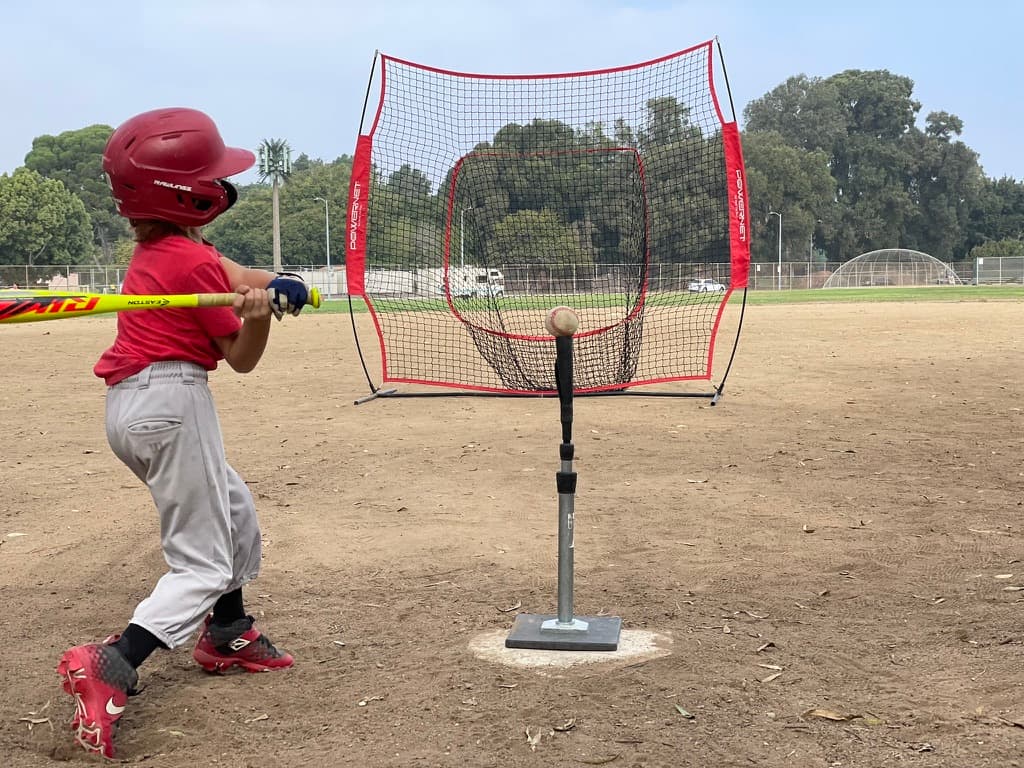
Training & Hitting
Practicing Hitting at Home Between Cage Sessions
You can not book a cage every day, but you can still get quality swings at home. Here is how to build a simple at-home hitting routine between rentals.
Training & Hitting
How to Run a Hustle Ball Class: Coach Pitch, Close Games, Teachable Moments
A coach's how-to for Hustle Ball™ — manage pace with coach pitch, keep games close, rotate positions, and teach without killing the energy.
Training & Hitting
Hustle Ball: Why One Practice a Week Should Feel Like a Real Game
MADE Baseball's Hustle Ball™ — coach-pitch live play that keeps kids loving the game. Why one weekly practice should feel like a real game, not only drills or tournaments.
Run a travel team? Get your free page.
Baseball or softball. Claim a free directory page, post tryouts, and share cagelist.com/@yourteam with families.
Find your league
Free directories of real leagues and clubs near you — then book a batting cage to get your reps in before opening day.
1,000 organizations
Join the backyard batting cage community
Talk builds, gear, hosting and player development with cage owners, coaches, parents and baseball families.