When you decide to put a batting cage on your property, the first real decision is whether to go portable or permanent. Both work. Both have clear use cases. Here is how to choose.
What Is a Portable Batting Cage?
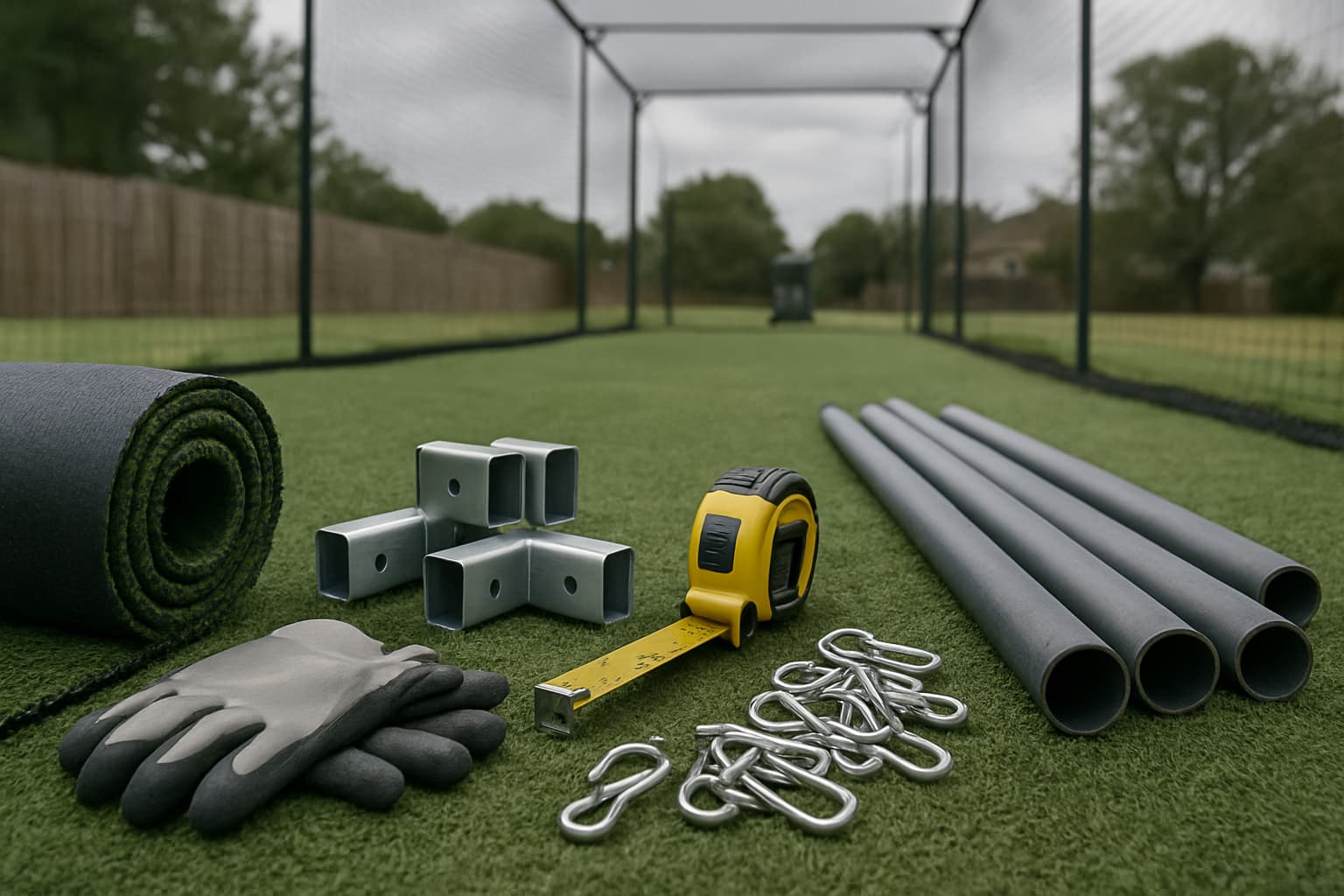
Portable cages use lightweight steel or fiberglass poles that slide together and net panels that attach with hooks or loops. They can be assembled in an hour or two, taken down in less, and stored in a garage or shed off-season. Most use a flat ground frame rather than anchored posts.
Cost range: $300–$1,200 for the cage itself. Pitching machine sold separately.
What Is a Permanent Batting Cage?
Permanent cages use steel pipe or welded frame structures anchored into concrete footings. The frame does not come down seasonally. Netting attaches to the fixed frame and may be removable, but the structure stays. Some permanent setups include a roof panel or shade cover.
Cost range: $1,500–$5,000+ depending on size, material grade, and whether you hire installation.
Portable: Where It Wins
- Renter-friendly: No concrete, no permanent alteration to the property. You can take it when you move.
- Lower upfront cost: You can get a functional 35-foot portable cage for under $600.
- Seasonal flexibility: Store it in winter, set it up in spring. No weathering on the netting year-round.
- Easy to relocate: Move it to a different part of your yard as your setup evolves.
Where Portable Falls Short
- Frame rigidity is lower — strong wind can shift or topple a portable cage that is not staked or weighted.
- Assembly and breakdown take time. If you want to just walk out and hit, a portable cage requires more friction.
- Long-term durability is lower. Most portable frames last 3–7 years before joints weaken.
Permanent: Where It Wins
- Always ready: Walk out and hit. No setup, no takedown. This is the biggest practical advantage for daily users.
- Structural stability: Anchored frames handle wind, weather, and heavy use far better than portable systems.
- Long-term durability: A properly built permanent cage lasts 10–20 years with basic netting replacement.
- Rental income potential: A stable, high-quality permanent setup photographs better, commands higher hourly rates, and books more reliably on CageList.
Where Permanent Falls Short
- You need yard space you are willing to dedicate permanently — once the footings are poured, the cage location is fixed.
- Higher upfront cost and usually requires permits in some municipalities.
- You cannot take it with you if you move.
The Decision
Go portable if: you rent your home, are not sure how long you will stay, want to test whether a home cage fits your routine before committing, or have a tight budget.
Go permanent if: you own your home, practice frequently enough that setup friction matters, want to list the cage on CageList for rental income, or plan to use it for many seasons.
Whether portable or permanent, if your cage is set up and available, it can earn money on CageList. List yours today.
List your batting cageFrequently Asked Questions
Do I need a permit to build a permanent batting cage?
It depends on your municipality. Many jurisdictions require a permit for any structure with concrete footings over a certain size. Check with your local building department before pouring footings.
How long does a portable batting cage last?
Most portable cages last 3–7 years before frame joints weaken or netting degrades significantly. Higher-end portable systems can last longer with proper off-season storage.
Can I rent out a portable batting cage on CageList?
Yes, as long as it is set up, stable, and ready for use at a consistent location. Many CageList hosts use portable or semi-permanent setups successfully.
Keep exploring on CageList
Get the numbers
Get your free batting cage cost estimate
Enter your email and we'll send you an itemized build breakdown — frame, netting, turf, lighting, and install — plus what a cage like yours could earn if you rent it out.
No spam, unsubscribe anytime. Prefer the interactive tool? Open the full cost calculator.
Already have a cage?
Rent it out when you're not hitting
Players, parents, and coaches near you are looking for cage time. Listing is free, you set your own price and hours, and you approve every booking.
Related Guides
View all articles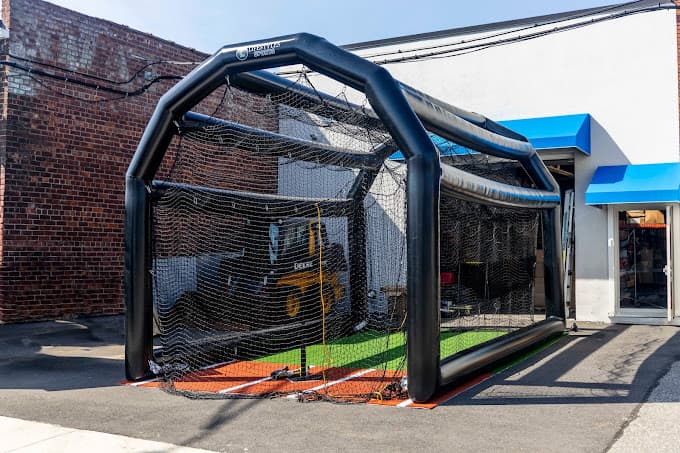
Build a Batting Cage
Inflatable Batting Cages: What They Cost, and Whether They Pay for Themselves
Inflatable batting cages run from $1,500 party units to $10,000 branded commercial builds, and only one manufacturer publishes a real price. What each tier costs, why $3,999 is not the price of a cage, and the booked hours it takes to pay one off.
Build a Batting Cage
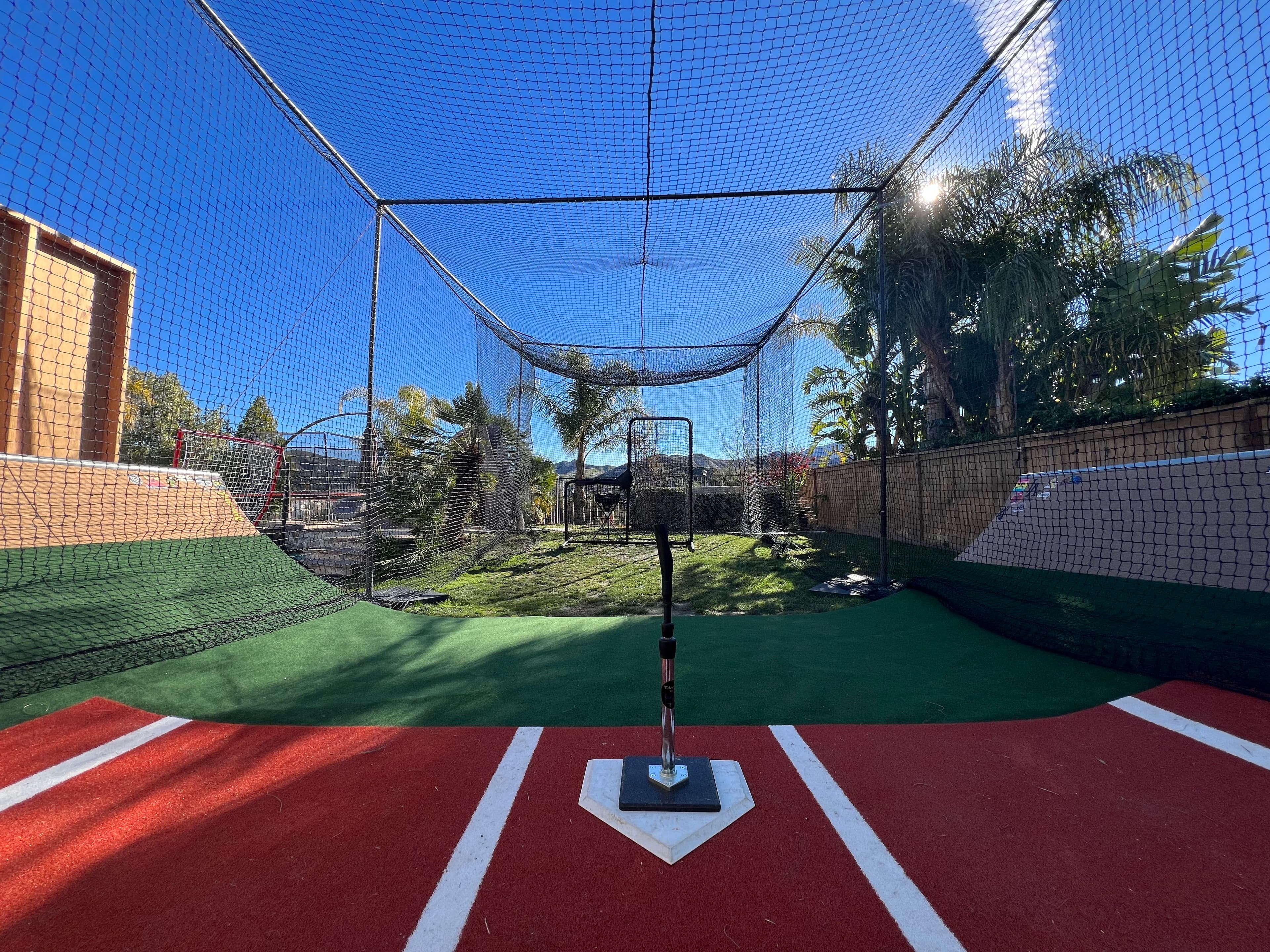
27 Types of Batting Cage: A Photo Field Guide to Every Backyard Setup in America
Barn conversions, driveway slivers, retractable tunnels, ranch cages and climate-controlled outbuildings. A photo field guide to 27 kinds of batting cage, built from 214 real bookable listings on CageList, with what each one costs and who it is for.
Build a Batting Cage
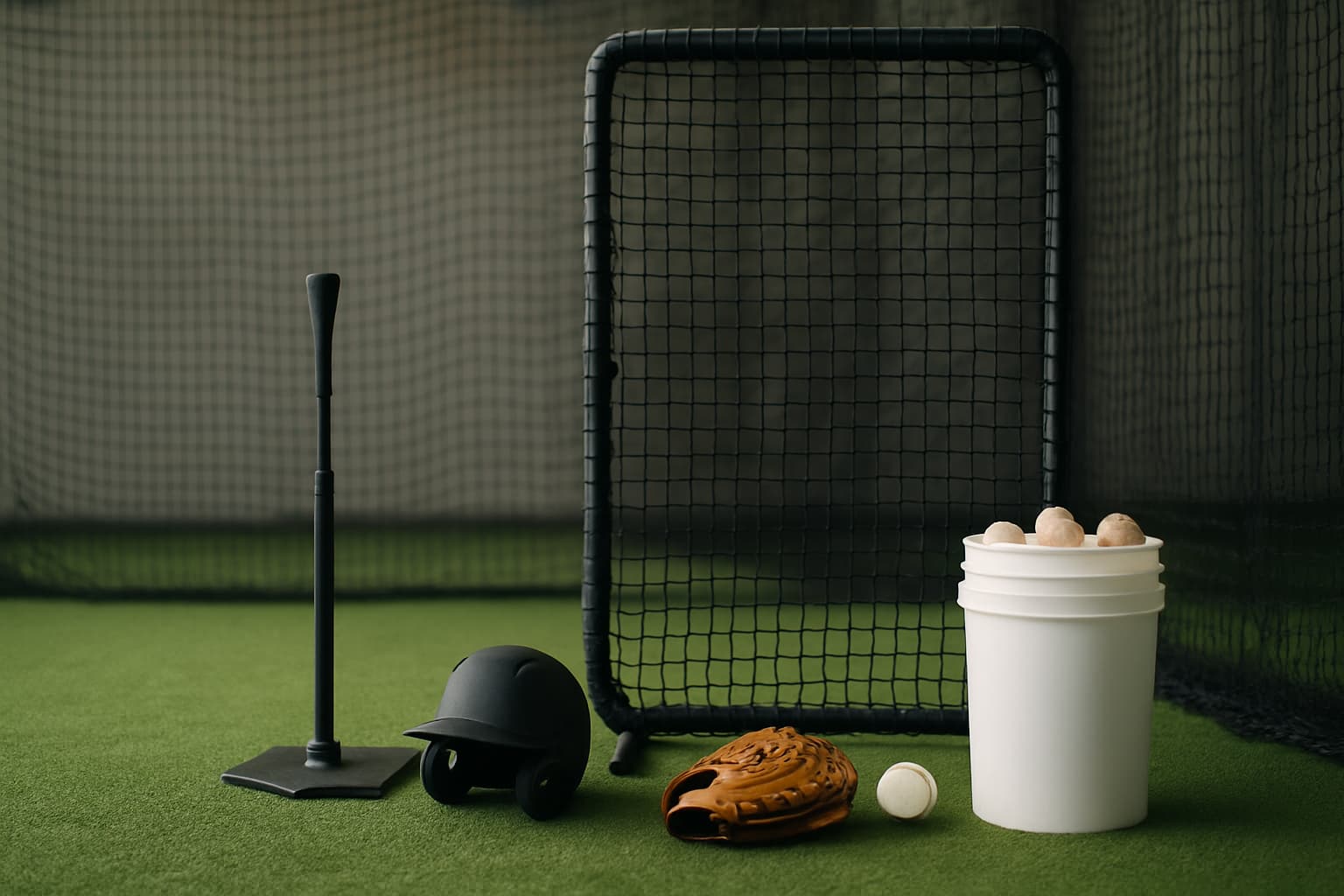
Backyard Batting Cage Kits, Compared: What You Really Get at Each Price (2026)
Every price tier of backyard batting cage, honestly compared — the companies, the netting grades, the realistic lifespan, and what a cage that survives real hitters (or paying renters) actually needs.
Run a travel team? Get your free page.
Baseball or softball. Claim a free directory page, post tryouts, and share cagelist.com/@yourteam with families.
Find your league
Free directories of real leagues and clubs near you — then book a batting cage to get your reps in before opening day.
1,000 organizations

Join the backyard batting cage community
Talk builds, gear, hosting and player development with cage owners, coaches, parents and baseball families.