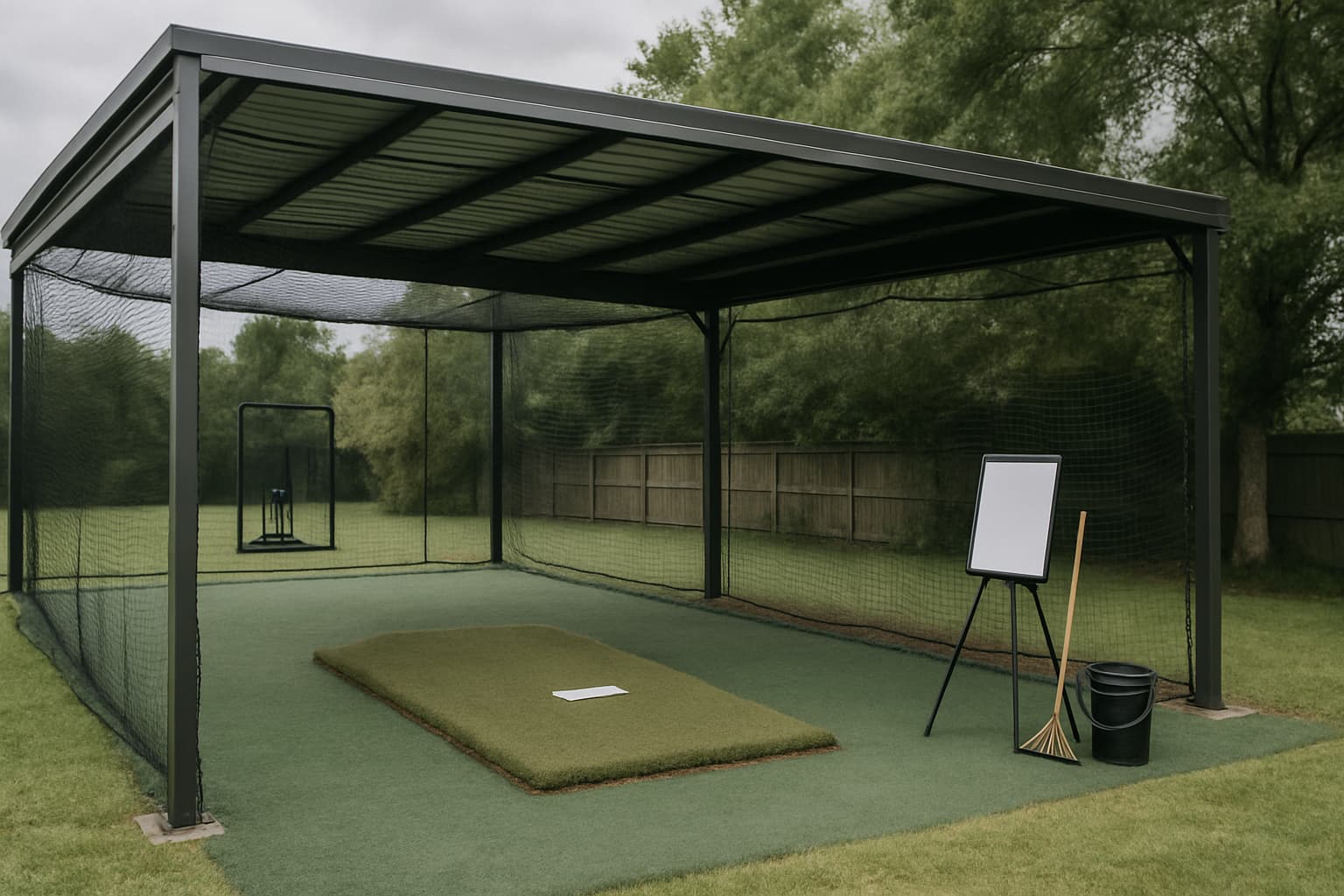
Most people building a batting cage think about netting, a machine, and turf — and forget the mound until a pitcher shows up and asks where it is. If your cage will ever host pitchers, the mound is not an accessory. It is the difference between real bullpen work and a hitter's tunnel that pitchers can only warm up in.
We are baseball people first, so here is the honest, complete guide to pitching mounds — the types, the real regulation numbers, how to choose one for your level and space, and how to keep it safe.
Arm health first: pitching from flat ground repeatedly changes a pitcher's mechanics and timing. The downhill slope of a real mound lets the front side work down and the arm come through on plane — training off flat ground long-term can build habits that don't transfer and add stress. If pitchers use your cage, give them a slope.
Why a Pitching Mound Matters
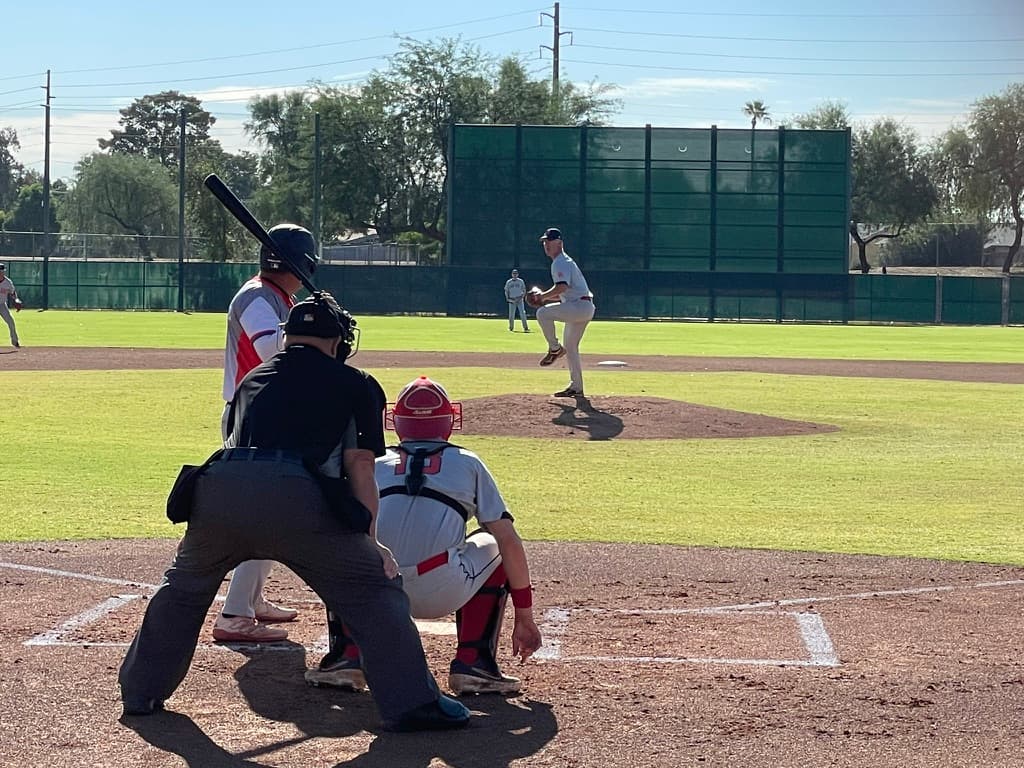
A mound does three things flat ground can't. It creates downhill plane, so the pitcher's momentum and release work with gravity the way they will in a game. It trains real timing between the lower half, the stride, and release. And it protects arm health by letting the delivery finish naturally instead of fighting a flat surface. A hitter can practice on any surface; a pitcher who only ever throws flat is practicing a different skill than the one they'll use on Friday night.
Flat Ground vs. a Mound — When Each Is Right
Flat-ground work has a real place: it's great for command, arm care, and rebuilding mechanics slowly. But it is a supplement. Bullpens, velocity work, and any rep meant to mirror a game belong on a slope. If your cage is hitter-only, you may not need a mound at all — but the moment you want to serve pitchers, coaches, or teams, a portable mound roughly doubles who can book your space.
Types of Pitching Mounds
Portable Full-Length Game Mounds
The most versatile choice. These reproduce the full regulation slope from the rubber all the way down, so a pitcher gets a true game feel, and they move between a cage, a bullpen, and a turf field. Weather-resistant one-piece or folding designs.
Best for: cages and facilities that want game-real reps. Cost: roughly $500–$1,500 depending on height and length.
Bullpen / Practice Platforms
A shorter platform focused on the landing area and slope right around the rubber. Lighter and cheaper than a full game mound, ideal for repeated bullpen sessions, warm-ups, and mechanics work in tight spaces.
Best for: bullpens, garages, and high-rep mechanics work. Cost: roughly $200–$600.
Youth & Two-Piece Mounds (6"–8")
Sized to Little League and youth distances, often in two pieces for easier moving and storage. The right call for younger arms who should not be throwing off a 10" slope yet.
Best for: youth players and mixed-age programs. Cost: roughly $300–$900.
In-Ground Clay Mounds
The gold standard you see at college and pro facilities — a clay surface that's firm but gives slightly at foot strike. Requires excavation, proper slope, and drainage, and it never moves.
Best for: permanent indoor facilities. Cost: $1,500–$5,000+.
Turf-Covered Modular / Foam Mounds
Pre-built mounds with a turf or textured surface that sit on the floor without anchoring. More game-real than bare foam, more portable than clay.
Best for: semi-permanent cage setups. Cost: roughly $300–$1,500.
Regulation Dimensions by Level
Match the mound to the level of the pitcher who will use it — putting a 12-year-old on a 10" mound (or a high schooler on a 6") teaches the wrong timing.
| Level | Mound height | Rubber → home plate |
|---|---|---|
| Little League Majors (age ~12 and under) | 6" | 46 ft |
| Intermediate (50/70) & many 12–13 leagues | ~8" | 50 ft |
| Junior/Senior, High School, College, Pro | 10" | 60 ft 6 in |
On a regulation mound the slope drops 1 inch per foot for six feet, starting 6 inches in front of the rubber; the flat plateau on top is 5 ft wide by 3 ft deep, and the rubber itself is 24" × 6". A good portable mound reproduces that slope — cheap ones fake it, which is why a pitcher can feel the difference immediately.
How to Choose the Right Mound
Four questions settle it:
- Level: pick the height (6"/8"/10") for the pitchers who'll actually use it — not the biggest one.
- Portable or permanent: renting or sharing the space → portable. Dedicated indoor facility → clay is worth it.
- Space: a full-length game mound needs room behind the rubber; tight cages favor a bullpen platform.
- Surface & weather: if it lives outdoors or moves to a field, get a weather-resistant, non-slip surface.
Setup & Safety
Set the front of the rubber at the correct distance for the level, confirm the mound sits flat and doesn't rock, and make sure the landing area has a non-slip surface. On turf or concrete, use a mound with a gripping base or anchor it so it can't slide on follow-through. Keep the catcher behind an L-screen or in full gear, and give the pitcher a clear, debris-free landing zone.
Maintenance
Clay mounds need regular watering, packing, and periodic re-clay. Portable mounds are far simpler: wipe them down, inspect the landing area for surface wear, and replace a worn pad before it becomes a footing hazard. Store portable mounds out of standing water and direct sun when you can.
For CageList Hosts
A portable mound is one of the most-requested features from pitchers, coaches, and teams booking on CageList — and it lets you list your cage for bullpens and pitching lessons, not just hitting. That widens your market and your rate. See how it fits a full build in the batting cage build guide, and run the numbers with the ROI calculator.
Frequently Asked Questions
How tall should a youth pitching mound be?
6 inches for Little League Majors and younger (46 ft), stepping up to about 8 inches for intermediate 50/70 play, and 10 inches once players reach the 60 ft 6 in distance in high school and beyond.
Can you pitch off a portable mound in real games?
Yes — full-length portable game mounds are used for games and bullpens on turf fields and in facilities. Just confirm the height and slope match your league's regulation for the level.
Is a portable mound as good as clay?
For most cages, yes. A quality full-length portable mound gives true game feel without excavation or upkeep. Clay still wins for permanent, high-volume facilities that want the exact big-league surface.
Do younger players really need a mound?
For hitting, no. For pitching development and arm health, a level-appropriate mound matters as soon as a player is throwing regular bullpens — using the right height keeps their mechanics and timing honest.
Final Thoughts
If pitchers will ever use your cage, a mound isn't optional — it's what turns a hitting tunnel into a real training space. Pick the height for your level, choose portable unless you're building something permanent, and get a surface that reproduces the true slope. Do that and you'll serve twice the players and protect their arms while you're at it.
Keep exploring on CageList
Get the numbers
Get your free batting cage cost estimate
Enter your email and we'll send you an itemized build breakdown — frame, netting, turf, lighting, and install — plus what a cage like yours could earn if you rent it out.
No spam, unsubscribe anytime. Prefer the interactive tool? Open the full cost calculator.
Already have a cage?
Rent it out when you're not hitting
Players, parents, and coaches near you are looking for cage time. Listing is free, you set your own price and hours, and you approve every booking.
Related Guides
View all articles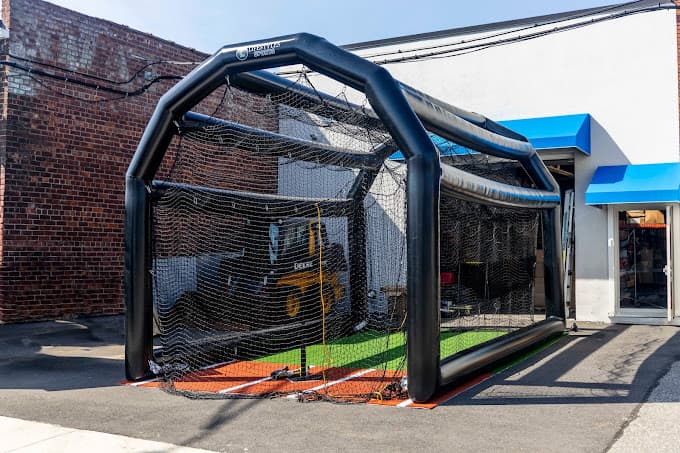
Build a Batting Cage
Inflatable Batting Cages: What They Cost, and Whether They Pay for Themselves
Inflatable batting cages run from $1,500 party units to $10,000 branded commercial builds, and only one manufacturer publishes a real price. What each tier costs, why $3,999 is not the price of a cage, and the booked hours it takes to pay one off.
Build a Batting Cage
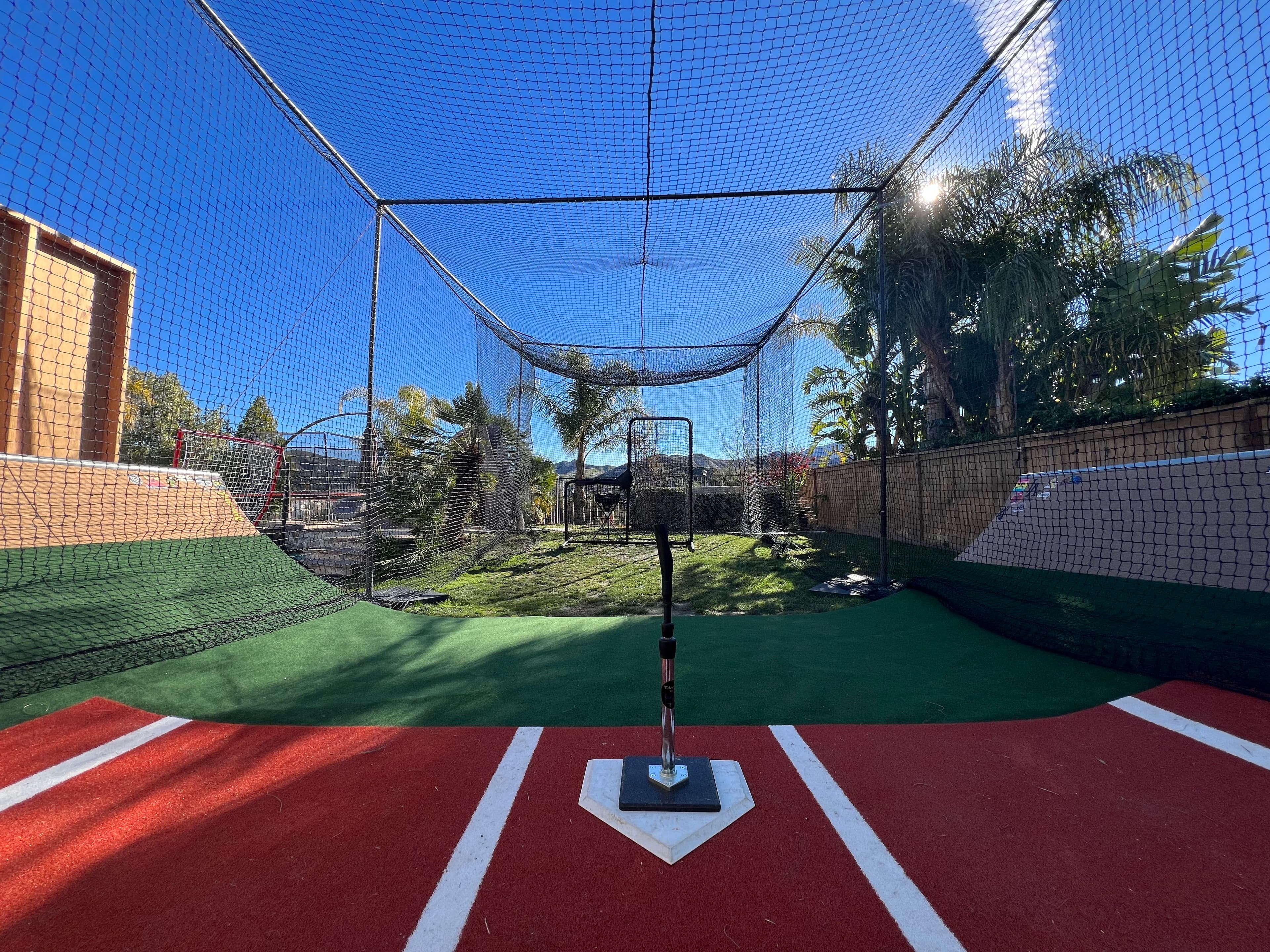
27 Types of Batting Cage: A Photo Field Guide to Every Backyard Setup in America
Barn conversions, driveway slivers, retractable tunnels, ranch cages and climate-controlled outbuildings. A photo field guide to 27 kinds of batting cage, built from 214 real bookable listings on CageList, with what each one costs and who it is for.
Build a Batting Cage
Backyard Batting Cage Kits, Compared: What You Really Get at Each Price (2026)
Every price tier of backyard batting cage, honestly compared — the companies, the netting grades, the realistic lifespan, and what a cage that survives real hitters (or paying renters) actually needs.
Run a travel team? Get your free page.
Baseball or softball. Claim a free directory page, post tryouts, and share cagelist.com/@yourteam with families.
Find your league
Free directories of real leagues and clubs near you — then book a batting cage to get your reps in before opening day.
1,000 organizations


Join the backyard batting cage community
Talk builds, gear, hosting and player development with cage owners, coaches, parents and baseball families.