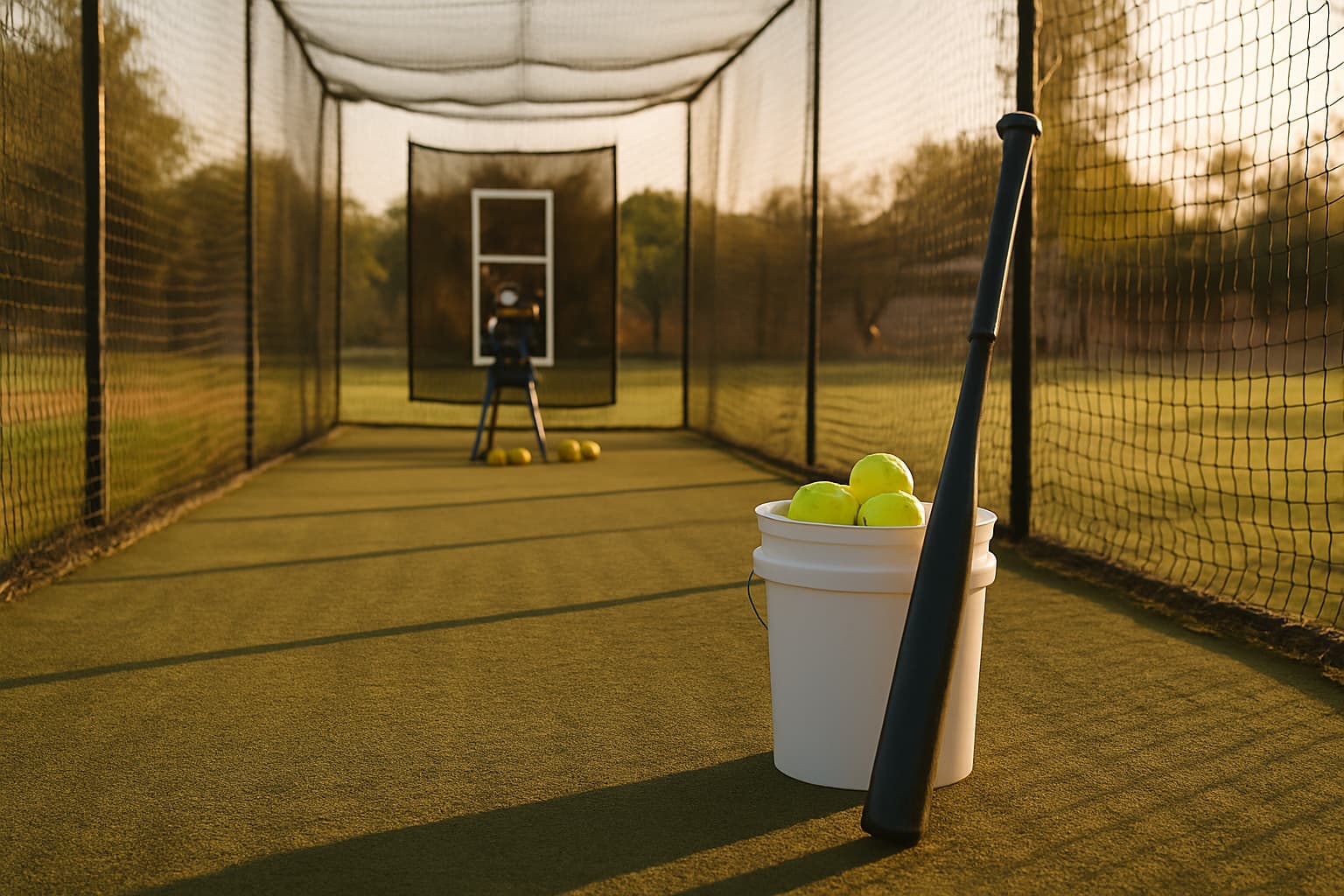
Fastpitch bats are their own world — different barrel diameter, different lengths, and a feel built for the rise-and-drop of fastpitch pitching. Whether you're outfitting a 10U slapper or a high school power hitter, here's how to choose the right fastpitch bat.
What Makes a Fastpitch Bat Different
Fastpitch bats use a 2¼" barrel (slimmer than baseball) and are measured to fastpitch length/weight standards. Most leagues require the ASA/USA Softball certification stamp (now "USA Softball"), with some using USSSA, NSA, or ISA — check your league before buying.
Drop Weight by Player
Fastpitch drops typically range from -8 to -13. Bigger drops (lighter bats) help younger players and slappers generate speed; smaller drops add mass for stronger hitters who want to drive the ball.
- 8U–10U: drop -11 to -13 for bat speed.
- 12U–14U: drop -10 to -11.
- High school / power hitters: drop -8 to -10.
Balanced vs. End-Loaded
Balanced bats keep the weight evenly distributed for faster, more controlled swings — ideal for contact hitters and slappers. End-loaded bats put more mass in the barrel end for hitters who can handle it and want maximum power. Most fastpitch hitters do best with a balanced bat.
Composite vs. Alloy
Composite dominates fastpitch for a reason: a big sweet spot and a flexy, comfortable feel that protects the hands in cold weather. Alloy is cheaper and durable but firmer. For serious players, a quality composite is usually worth it; for new players, a durable alloy is a smart first bat.
The Bottom Line
Confirm the certification stamp, choose a drop that protects bat speed, and lean balanced unless your hitter is a true power bat. Browse fastpitch bats and gear →
Keep exploring on CageList
- Compare batting cage quality tiers
- Learn how to hit off a pitching machine
- Try batting cage drills
- Find a cage to test your setup
How to choose equipment that actually helps hitters
Good batting cage equipment should make reps safer, more repeatable, and easier to organize. The trap is buying the flashiest item before solving the basics: a safe hitting lane, dependable balls, protective screens, a tee, enough space, and a setup that matches baseball or softball distances. Equipment should support the hitter’s practice plan, not distract from it.
For families, durability and ease of setup matter. For teams and facilities, consistency matters more: gear needs to survive frequent use, move quickly between groups, and reduce downtime. For CageList hosts, equipment also affects guest confidence. If a listing clearly explains what is included, players can show up prepared and book the right session length.
CageList equipment lens
Before buying, ask whether the item improves swing volume, safety, feedback, or convenience. If it does not clearly improve one of those, it may be a nice-to-have rather than a priority. The best equipment choices also photograph well and make a listing easier to understand.
FAQ
Should beginners buy advanced training gear?
Usually not first. Beginners benefit most from a tee, safe balls, a clear routine, and enough cage time to repeat good movements.
How do I know if equipment is worth it?
Rent or visit cages with similar equipment when possible, then buy the items that actually change the quality of practice.
Find a CageList cage where you can test equipment and get more reps.
Before you buy
If possible, try similar equipment in a real cage before purchasing. A product that sounds useful online may feel unnecessary once the hitter gets moving, while a simple item like a better tee, safer screen, or more durable ball can improve every session. CageList helps players see what good setups include before they spend.
Build a better cage setup with the right equipment
Compare cage upgrades with practical advice for nets, turf, pitching machines, balls, and safety gear.
Related Guides
View all articles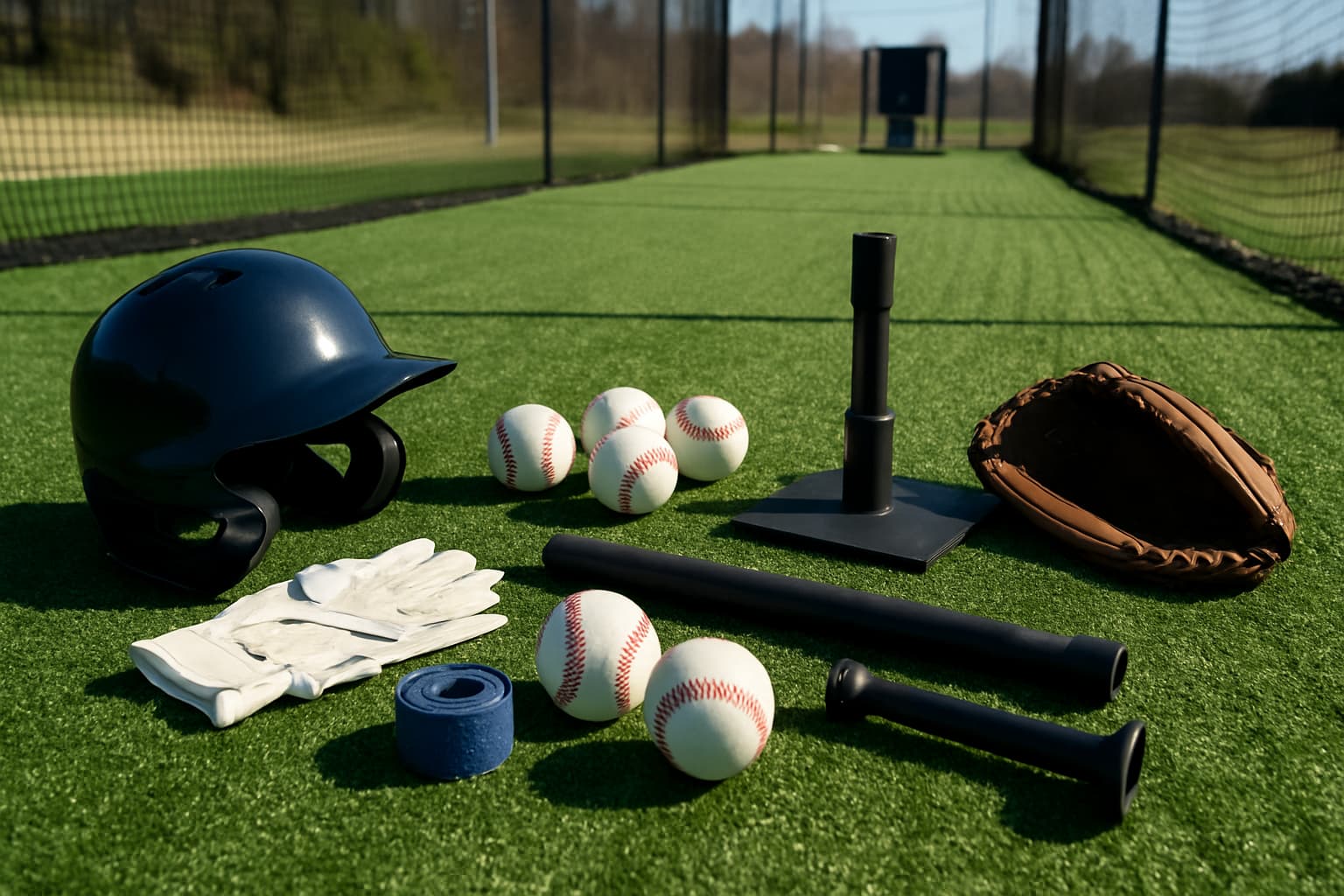
Batting Cage Equipment
SKLZ Pitching Machine Review: Worth It at $80?
The SKLZ Pitching Machine is one of the cheapest real auto-feed machines on the market. Here is an honest look at what $80 gets you, the rest of the SKLZ lineup, and how it compares to Heater Sports Crusher and Personal Pitcher Pro.
Batting Cage Equipment
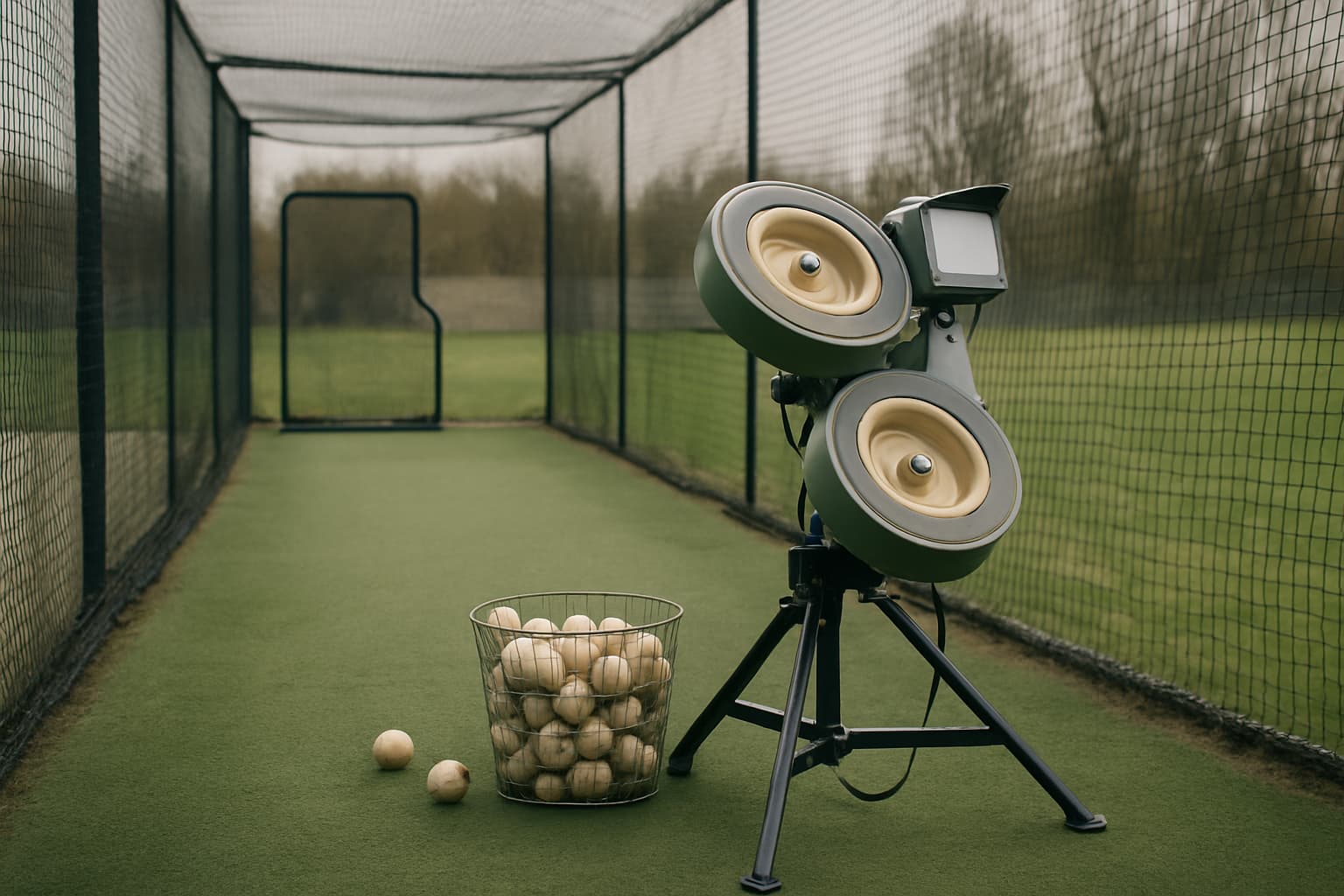
Heater Sports Pro Pitching Machine Review: The Best First Machine?
The Heater Sports Pro is one of the most common first pitching machines. Here is what its ~$500 price actually gets you, and how it compares to Louisville Slugger's Blue Flame and the Zooka ZS740.
Batting Cage Equipment
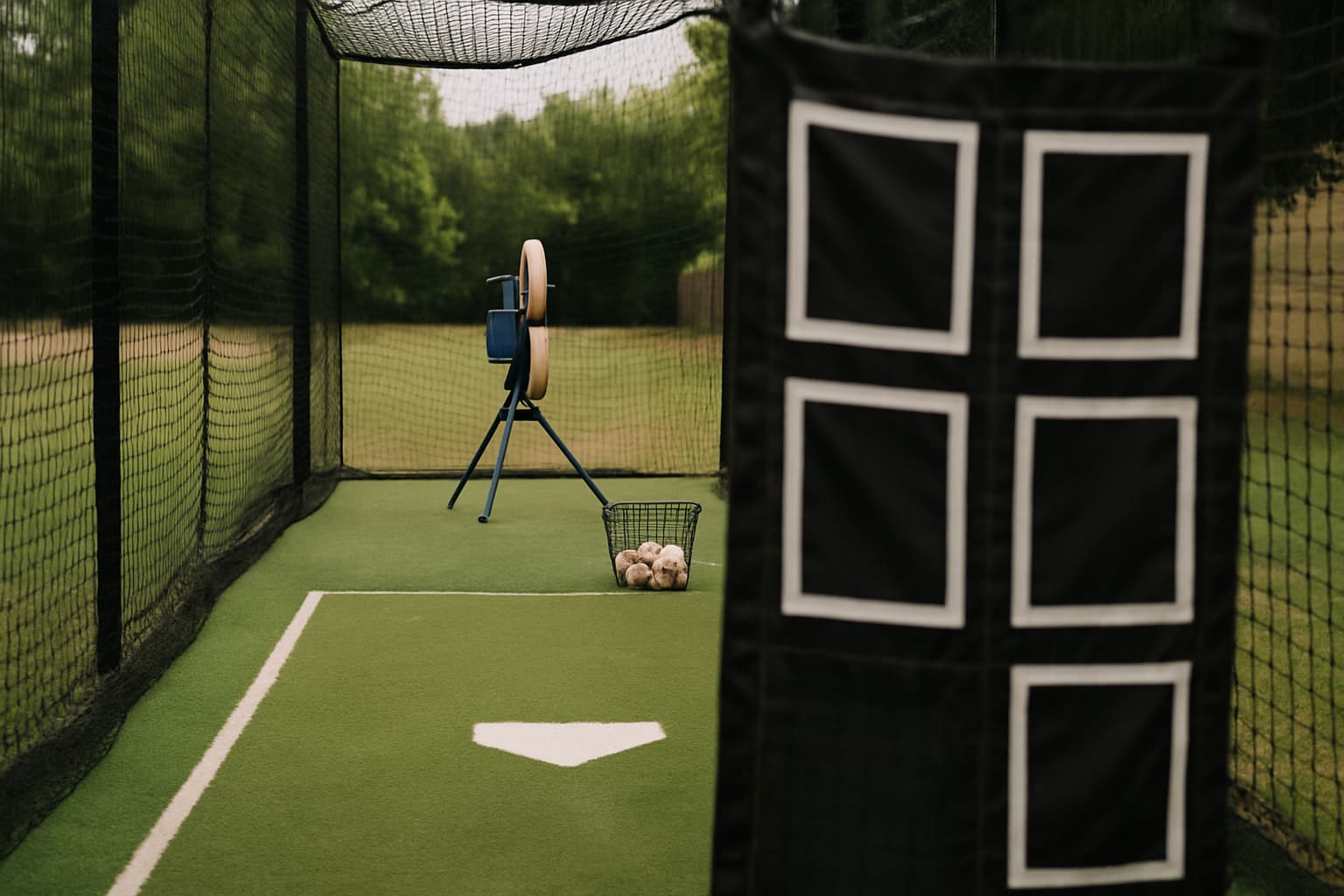
JUGS BP3 Review: The Pitching Machine That Actually Earned Us a Sale
The JUGS BP3 is the first pitching machine that earned CageList a real, confirmed commission. Here is what makes it different — Grip-Tite tires, automatic changeup switching, one-dial pitch selection — and how it compares to Hack Attack.
Run a travel team? Get your free page.
Baseball or softball. Claim a free directory page, post tryouts, and share cagelist.com/@yourteam with families.
Find your league
Free directories of real leagues and clubs near you — then book a batting cage to get your reps in before opening day.
1,000 organizations
Join the backyard batting cage community
Talk builds, gear, hosting and player development with cage owners, coaches, parents and baseball families.