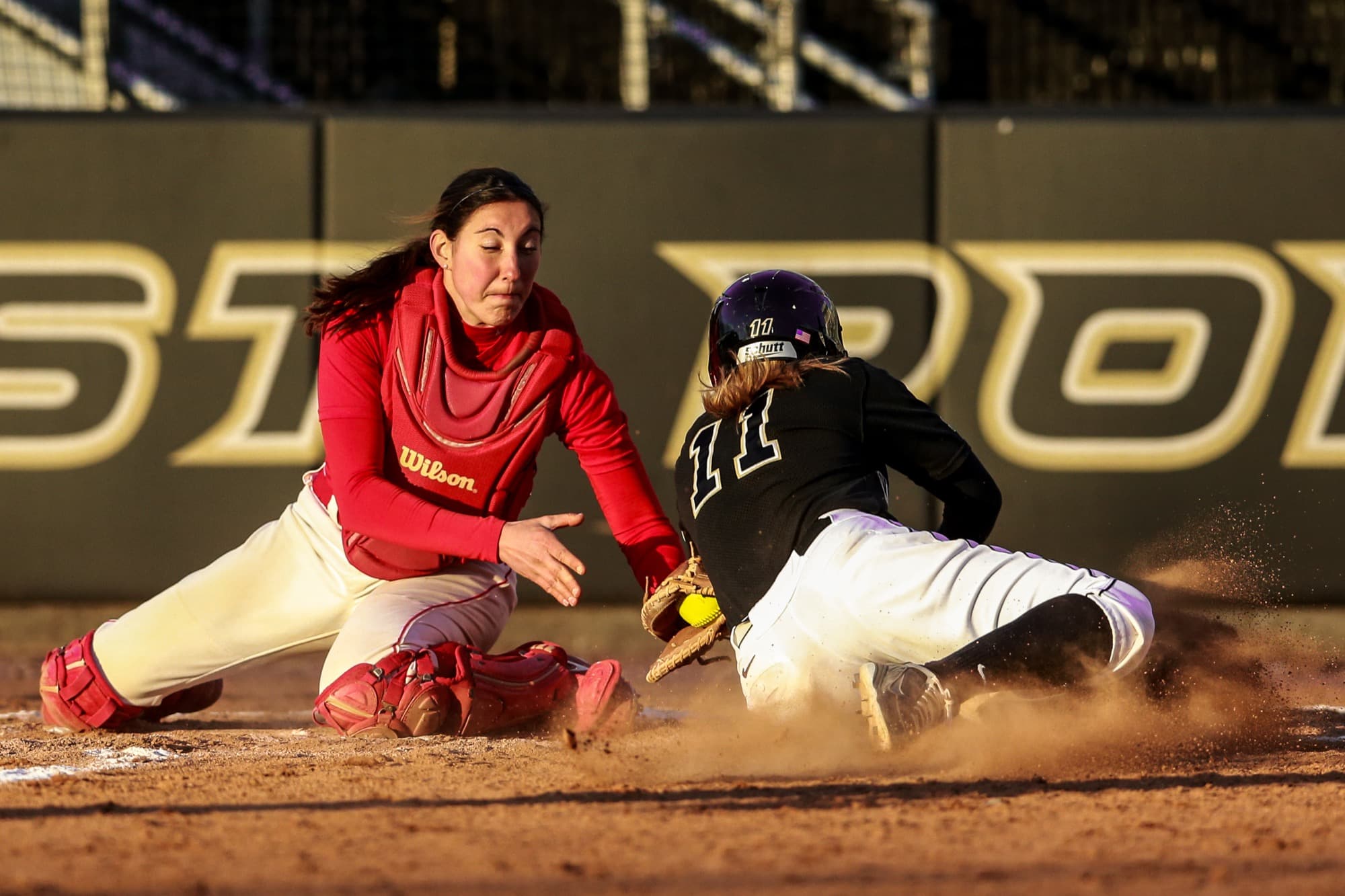
Your daughter has played softball since she was eight. Maybe she is a senior in college now, or a few years out, and the season just ended for the last time. People ask what happens after college softball, and the honest answer is that many players find out the hard way: the schedule disappears, the team disappears, and a question about identity shows up that nobody trained them for.
This guide is for players and parents. It covers the numbers behind the cliff, what professional softball looks like today, and the doors that stay open if you want to stay in the game.
The cliff is built into the numbers
The NCAA publishes the share of high school athletes who go on to compete at NCAA schools. For women's softball, its 2024-25 table lists 338,315 high school participants and 21,916 NCAA participants, which works out to 6.5% overall (NCAA, Probability of Competing Beyond High School). Those college numbers count NCAA schools only. NAIA and junior college players are not in that count.
Getting to college is a big goal for a lot of families, and it can feel like the hard part is over. What gets talked about less is what comes next. The same NCAA page has no softball row for going professional. Its professional section covers baseball, basketball, football, ice hockey and lacrosse, and softball is not among them. So for a softball player, the NCAA does not publish a pro-odds figure to compare against.
That gap is the cliff. A player can go from a calendar built around practice, travel and lifts to an empty one in a single week.
The pro path exists, and it is small
Professional softball is real in the United States, and it is fairly new. The Athletes Unlimited Softball League (AUSL) calls itself "the premier professional women's softball league in the United States," and its inaugural season opened June 7, 2025 with four teams: the Bandits, Blaze, Talons and Volts (AUSL, The Athletes Unlimited Softball League Explained). The same article says each team carried 16 players and played 24 regular-season games in 2025.
The league's official site now lists six teams: the Chicago Bandits, Carolina Blaze, Portland Cascade, Oklahoma City Spark, Utah Talons and Texas Volts, and shows the Utah Talons as the 2026 champions (AUSL). The league moved from a touring format to a city-based one starting in 2026.
Do the math on roster size alone. Six teams with rosters in that range is a small number of jobs for the many players who finish college softball each year. For an elite few, it is a real next chapter. For almost everyone else, it is a great thing to watch and not a plan.
The identity problem nobody warns you about
If you have been "the shortstop" or "the pitcher" since age eight, losing the title can feel like losing a limb. Parents see it too. The car rides, the weekends, the whole friend group, all built around one thing, and now it ends.
A few things tend to help, and none of them are complicated.
- Keep a physical routine. Stopping everything at once can leave a player without a routine. Lifting, running or a rec league keeps the body and the weekly rhythm.
- Name what the sport gave you. Showing up early, taking coaching, losing and coming back the next game. Those go on a resume and into interviews in plain words.
- Do not skip the grief. It is a real loss. Parents can help by listening and not rushing to the next thing.
Careers: where softball skills carry over
There is no softball-specific career ladder, and that is fine. The skills carry into many careers: working in a team, handling pressure, being coachable. Plenty of former players go into the same fields as everyone else with a degree, and some keep one foot in the sport on weekends.
If staying in the game is the goal, coaching is a common door. The Bureau of Labor Statistics tracks coaches and scouts as an occupation. Its handbook lists a median pay of $47,320 per year in May 2025, 298,800 jobs, and projected growth of 6% from 2025 to 2035, with a bachelor's degree as the typical entry-level education (BLS Occupational Outlook Handbook, Coaches and Scouts). That category covers every sport and every level, so treat it as a general picture and not a softball number.
Four ways former players stay in the game
- Private lessons. Hitting, pitching, catching or fielding, one on one or in small groups. We cover the practical side in how to become a private baseball and softball coach.
- Travel or high school coaching. Assistant roles are one way in. The National Fastpitch Coaches Association (NFCA) lists membership categories for college, high school, travel ball and youth coaches, and links to coaching education, clinics and endorsements on its site (NFCA). We did not review the details of any of those programs, so check what each one involves before you sign up.
- Running a program. A clinic series, a small team, or a training group. This is the path with the most work and the most control.
- Playing on. Adult leagues and rec play. Not a career, but it keeps the community.
If you coach hitters, it helps to know where the swing differs from baseball. Our guide on baseball versus softball hitting differences is a good place to start.
Where CageList fits
Softball families hit a cliff after college, and coaching, private lessons and running a program are the next door. The trouble is that a new coach has talent and knowledge and nowhere to use it. Cages can be booked up, facilities can be hard to find, and it is not always easy to see what space is open near you.
That is the fragmentation CageList was built to fix. Coaches can find places to train their players, and people who own a cage or a facility can open it to them. If you are a coach, start at CageList coaches. If you run a team or a program and want to be found, you can list your team. And if you just need a place to hit, browse what is near you.
A simple plan for the first year out
Write down three things you want to keep from the sport: the people, the competition, the teaching. Pick one small step for each. Text two former teammates and set a date. Join a rec league. Offer to help a younger player for an hour a week. A year later, one of those may have grown into something, and you will have a better sense of which door to open further.
The cliff is real. It does not have to be a free fall.
Frequently asked questions
What percent of high school softball players play in college?
The NCAA's 2024-25 table lists 6.5% overall for women's softball, based on 338,315 high school participants and 21,916 NCAA participants. That count covers NCAA schools only.
Is there professional softball after college?
Yes. The Athletes Unlimited Softball League is a professional women's league in the United States. Its inaugural season opened June 7, 2025, and its official site now lists six teams. Roster spots are limited, so most college players will not go this route.
What jobs can a former college softball player do?
Many fields. Coaching is one direct way to stay in the sport. The BLS lists a median pay of $47,320 per year for coaches and scouts in May 2025, across all sports and levels.
How do I start giving private softball lessons?
Start with a skill you know well, find a place to train, and begin with a few players. Our guide on becoming a private baseball and softball coach walks through the steps.
How do I deal with losing my identity as an athlete?
Keep a physical routine, name the skills the sport gave you, and stay connected to teammates.
Cover photo: Tommy Gilligan, U.S. Military Academy (public domain, via Wikimedia Commons).
Turn the talk into reps
Every one of these comes back to the same thing: getting on the field and putting in the work. Find cage time near you and go do it.
Related Guides
View all articles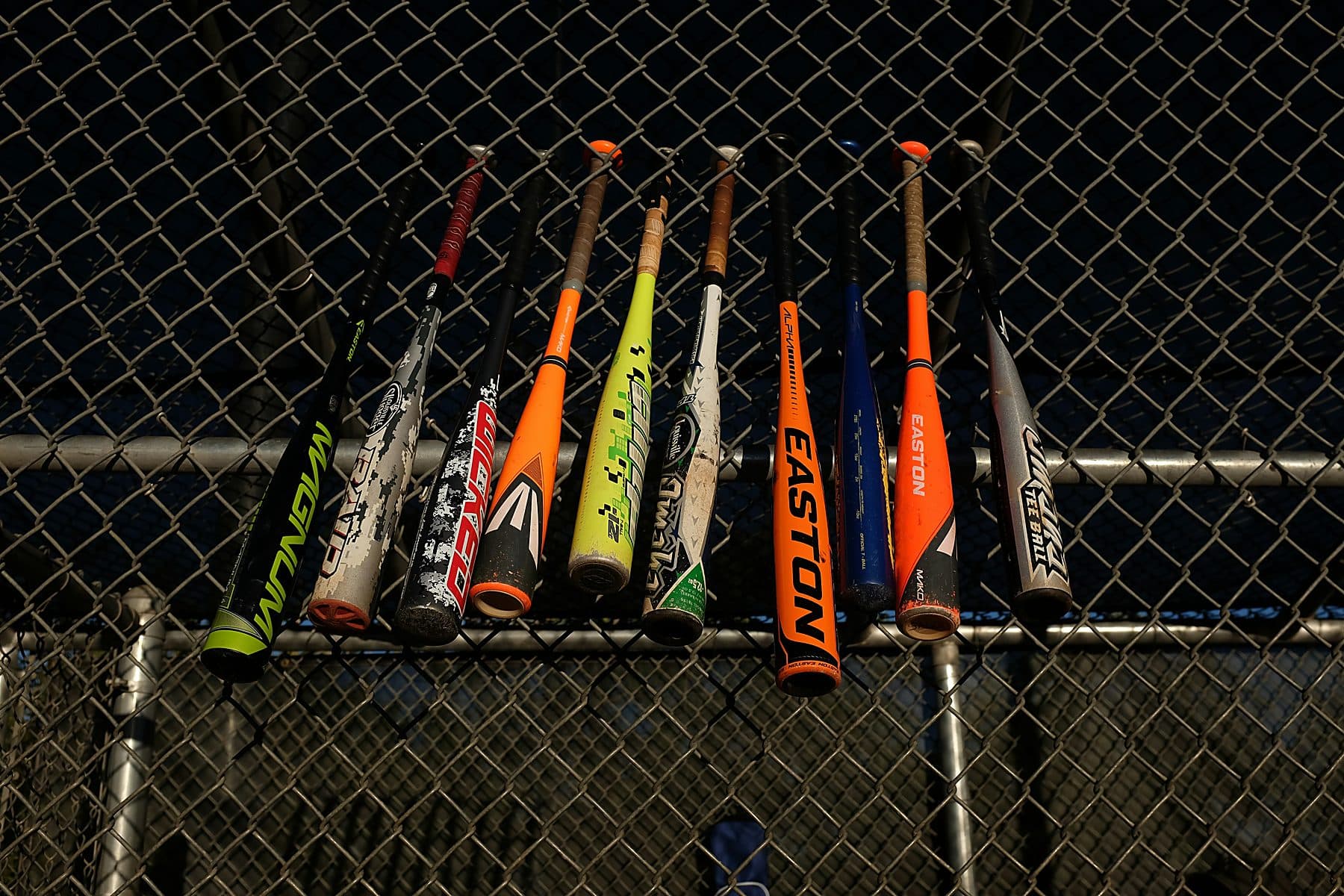
Earn the $500 Bat
A $500 bat is a fair purchase for a serious player. The problem is the order. Isaac Hess on the push-up test and why effort comes before gear.
5 min readRead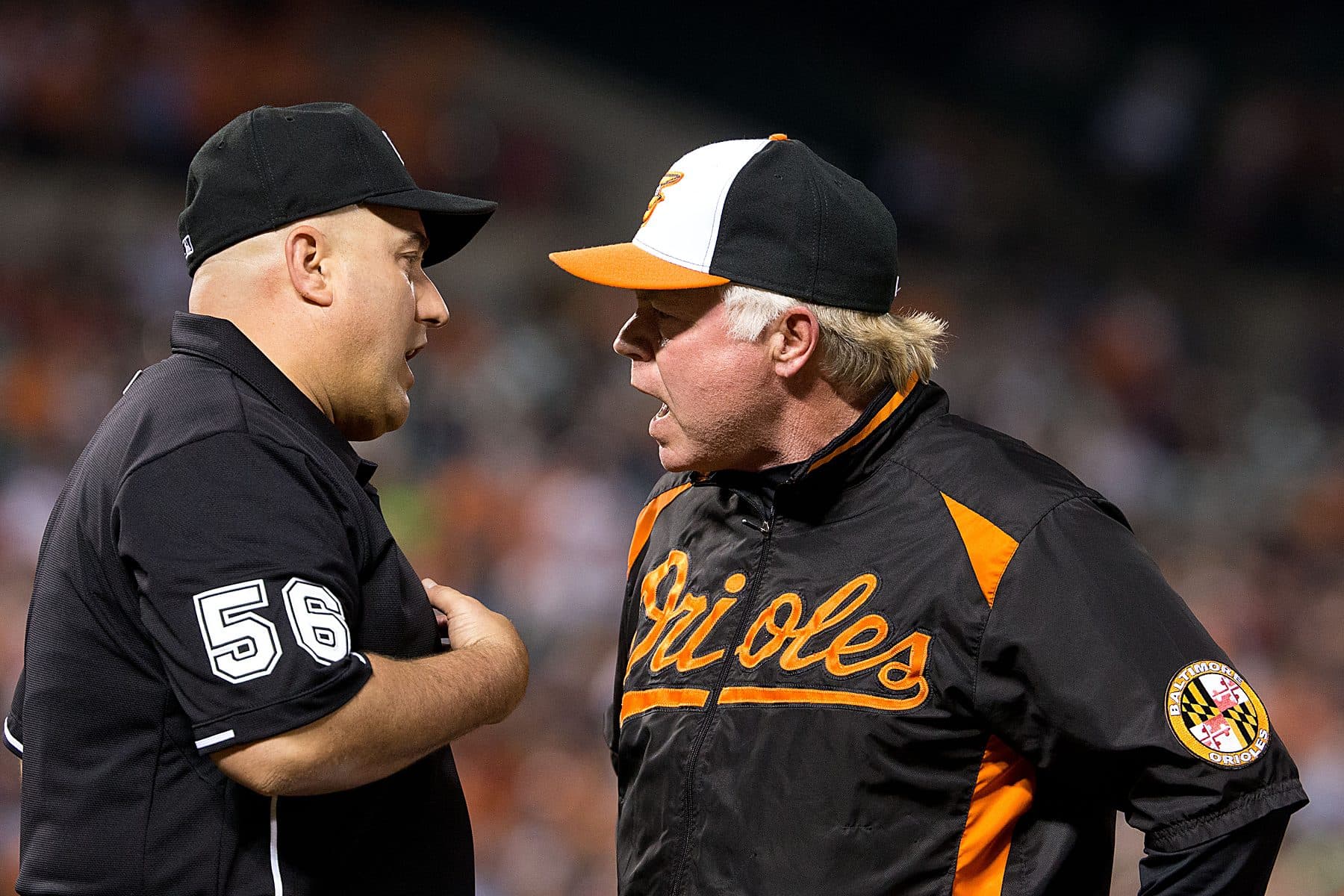
Why the Umpire Gave Them That Call
The umpire is not a camera. He is a person on a long day who also saw how you just acted. What the research says about calls, and what to teach your player instead.
7 min readRead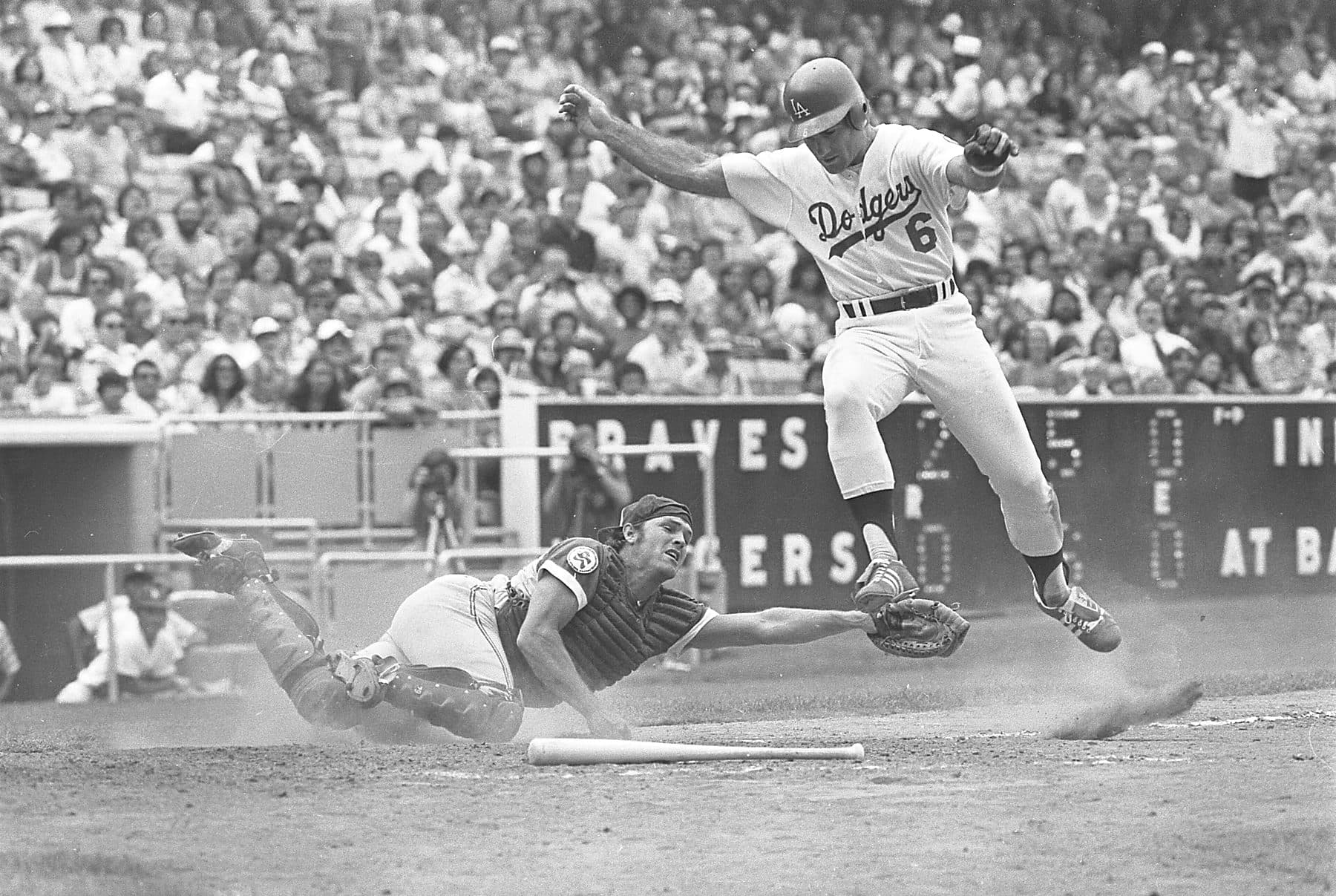
The Baseball Gods Are Real
Game 7 of the 2025 World Series came down to one stumble, one throw and one foot. Isaac Hess on why he believes the baseball gods give the calls to the people who earn them.
7 min readRead
Run a travel team? Get your free page.
Baseball or softball. Claim a free directory page, post tryouts, and share cagelist.com/@yourteam with families.
Find your league
Free directories of real leagues and clubs near you. Then book a batting cage to get your reps in before opening day.
1,893 organizations
 leagues in 49 statesAdult hardball near you: MSBL, NABA and independent leagues.Browse men's leagues
 leagues in 49 statesYouth baseball and softball leagues, organized by state.Browse little leagues
 programs in 41 statesTravel and club programs in your region. Find one, or list yours free.Browse travel teams
Join the backyard batting cage community
Talk builds, gear, hosting and player development with cage owners, coaches, parents and baseball families.