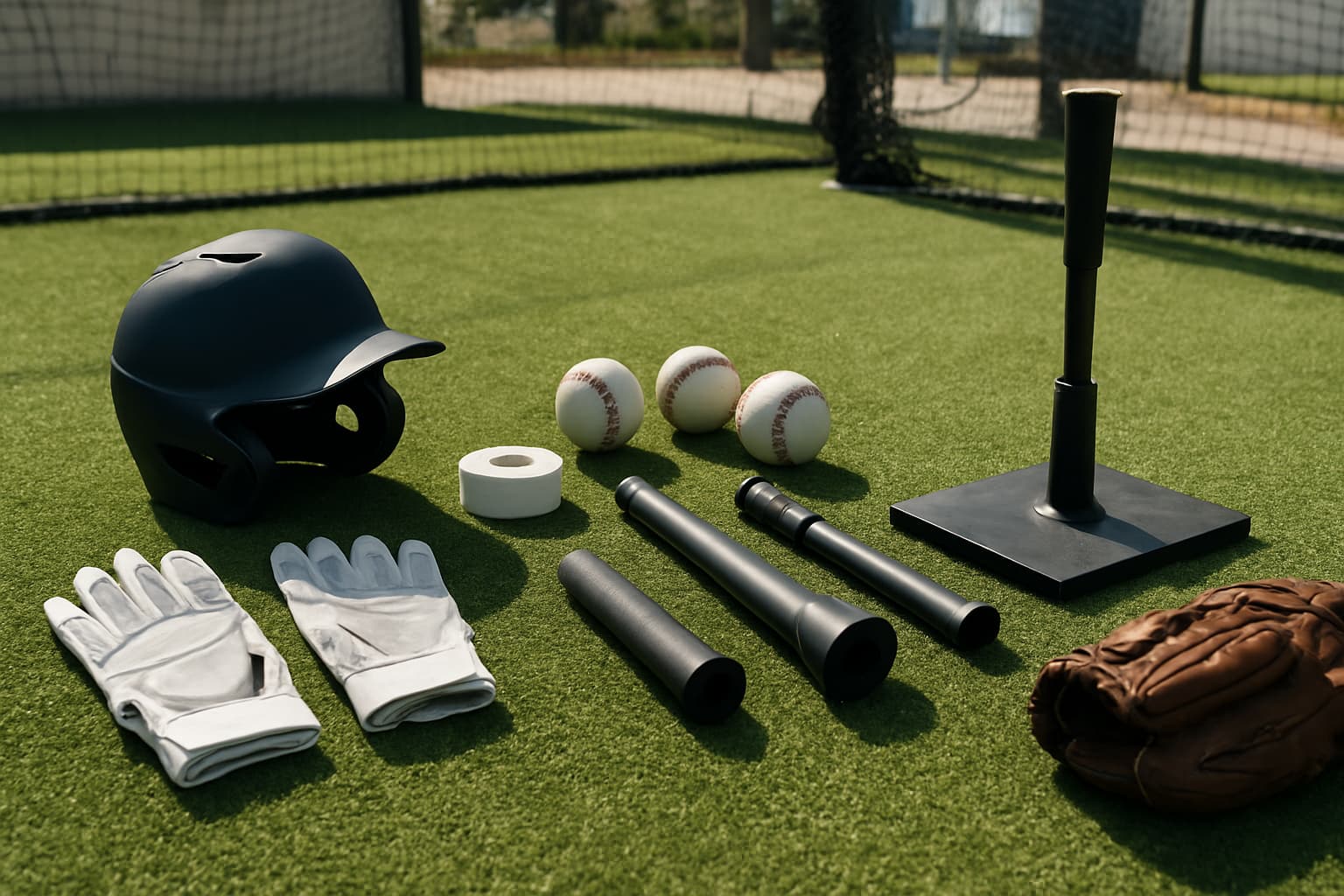
The humble batting tee is the most-used and most-underrated tool in hitting. Every great swing is built on tee work, which means a wobbly, short-lived tee quietly sabotages practice. Here is how to buy one that lasts and actually helps.
Why the Tee Still Wins
A tee removes timing and pitch recognition from the equation so a hitter can isolate mechanics — bat path, contact point, direction. It is the one drill a player can do alone, every day, in a cage or a garage. Spend here; it pays off daily.
The Main Types
Traditional Single-Post Tees
A rubber post on a base. Simple, portable, and cheap. Look for a flexible top that gives on mishits (rigid tops crack and ding bats) and a heavy or wide base that resists tipping.
Tripod and Adjustable Tees
Lightweight and quick to set up, popular for team use. The trade-off is stability — cheaper tripods tip easily during aggressive cuts.
Heavy-Duty / Pro-Style Tees
Weighted, rubber-base tees built to take thousands of swings without sliding. The choice for cages, facilities, and serious daily hitters.
Multi-Position Hitting Stations
Tees with multiple arms or a sliding bar that let a hitter work inside, middle, and outside contact points. Excellent for advanced practice, slightly more to set up.
Matching Tee to Player
- Young players / casual use: a sturdy single-post tee is plenty.
- Daily hitters and travel players: a heavy-duty base tee that won't move.
- Cages and facilities: weighted pro tees or multi-position stations that survive heavy volume.
Ready to buy the one piece of gear every hitter uses? These are our picks — browse more on the training aids page, then level up with our weighted balls and hitting aids guide.
The Bottom Line
Buy the most stable, bat-friendly tee your budget allows — it is the cheapest per-swing investment in hitting you will ever make. Then build a simple daily tee routine and stick to it. Find tees and hitting aids in the CageList gear directory →
Keep exploring on CageList
- Compare batting cage quality tiers
- Learn how to hit off a pitching machine
- Try batting cage drills
- Find a cage to test your setup
How to choose equipment that actually fits your cage
For Best Batting Tees: A Buyer's Guide for Every Budget, the right choice depends on age, skill level, ball type, available space, and how often the gear will be used. A product that works for one family may be the wrong fit for a team facility or a rental-ready backyard cage. Durability, replacement parts, storage, and setup time matter almost as much as the headline feature.
Think about the session first. Younger players need equipment that builds confidence and keeps reps moving. Advanced hitters may need more realistic speed, spin, or feedback. Hosts and facility owners should also think about what guests can use safely without constant explanation. The best equipment makes the cage easier to use, not harder.
Where CageList helps
Use CageList listings to compare how real cages describe machines, screens, tees, balls, and protective gear. Those details can help you decide what belongs in your own setup and what renters or players actually expect to see.
Buyer check before you spend
Before buying equipment, confirm the cage dimensions, ball type, player age range, and who will set up and put away the gear. The best purchase is usually the one that gets used consistently, stores cleanly, and does not create safety confusion for players or guests.
For hosts, equipment should also be easy to describe in a listing. If a parent can understand what is included before booking, the cage feels more trustworthy and more useful.
Build a better cage setup with the right equipment
Compare cage upgrades with practical advice for nets, turf, pitching machines, balls, and safety gear.
Related Guides
View all articles
Batting Cage Equipment
SKLZ Pitching Machine Review: Worth It at $80?
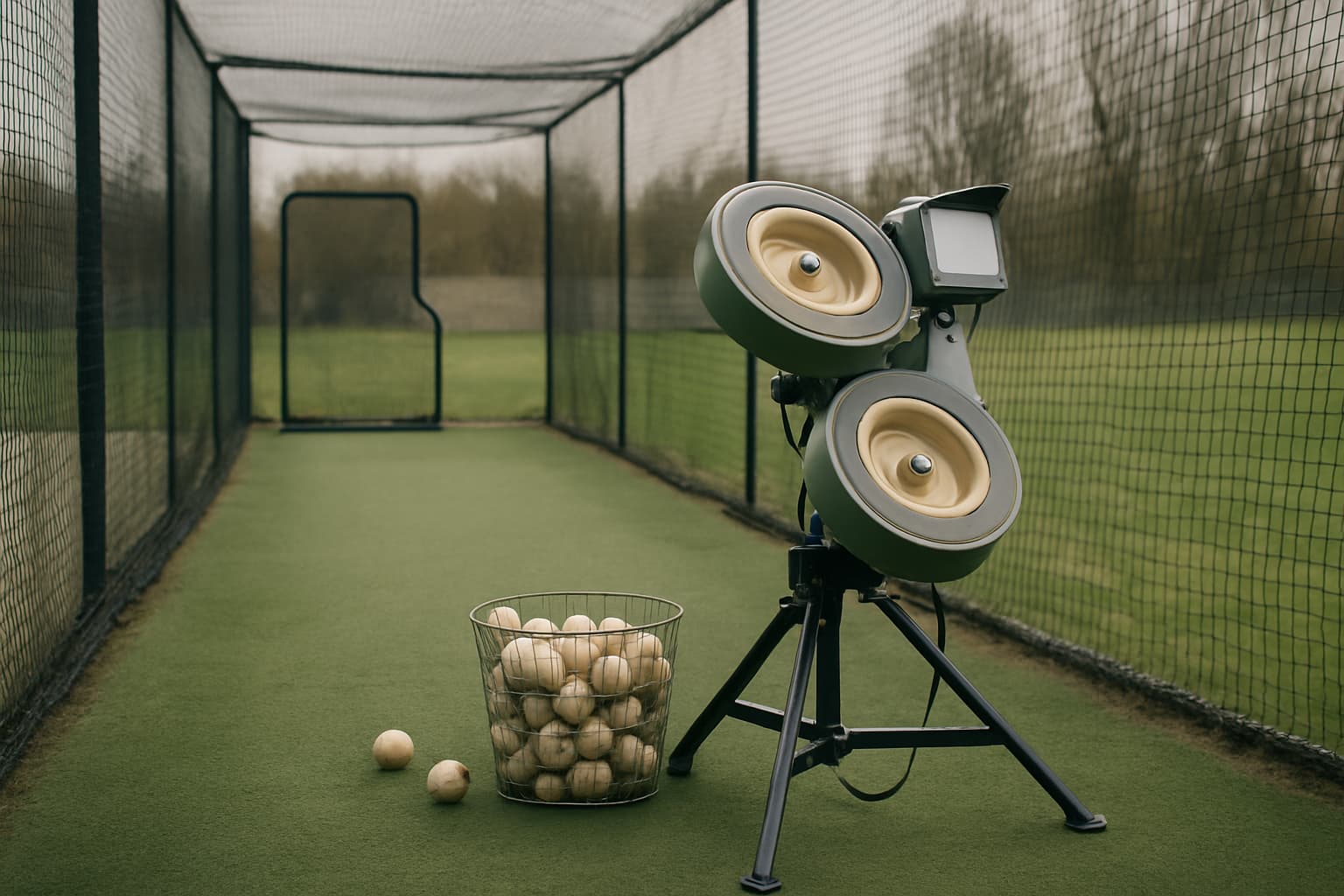
The SKLZ Pitching Machine is one of the cheapest real auto-feed machines on the market. Here is an honest look at what $80 gets you, the rest of the SKLZ lineup, and how it compares to Heater Sports Crusher and Personal Pitcher Pro.
Batting Cage Equipment
Heater Sports Pro Pitching Machine Review: The Best First Machine?
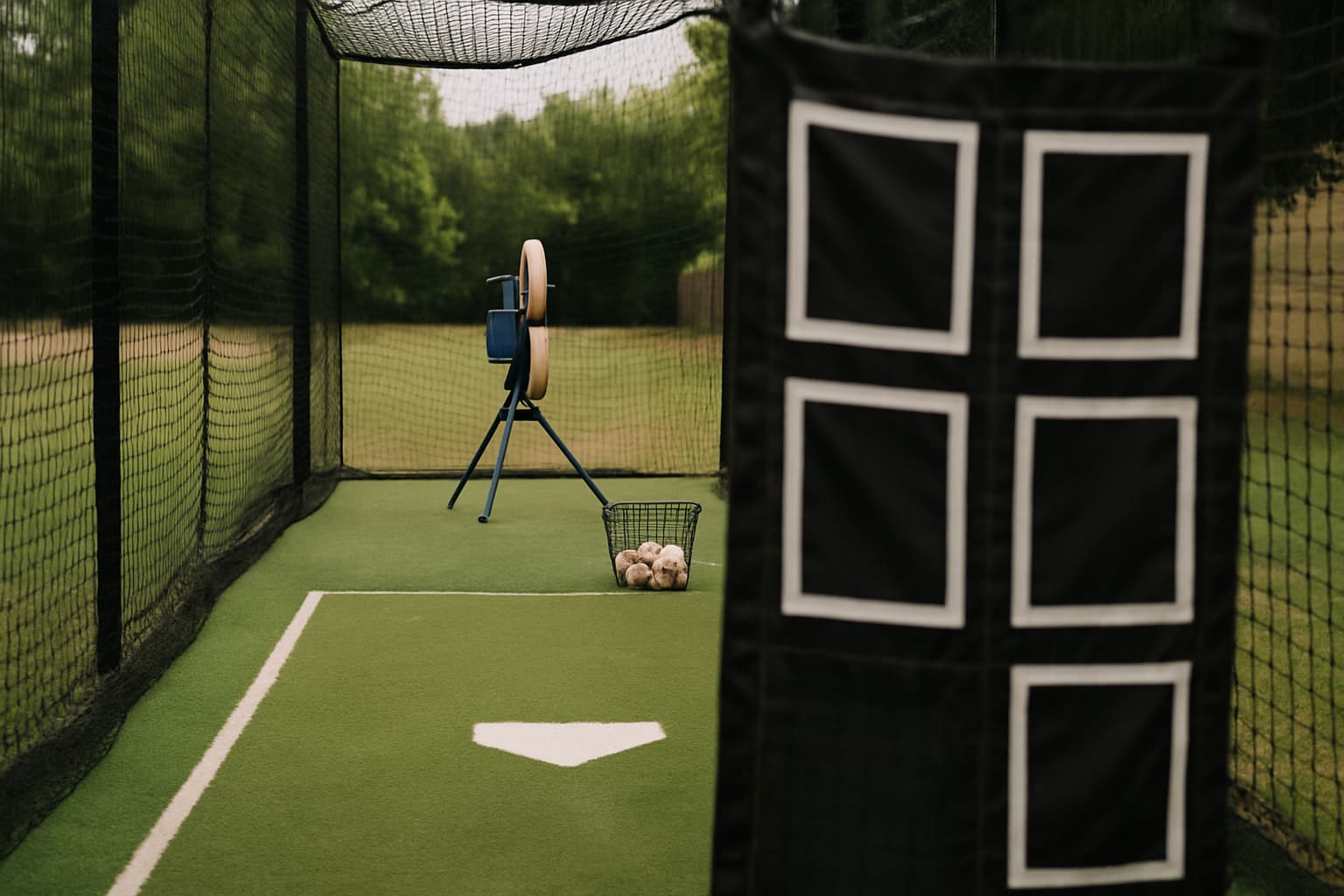
The Heater Sports Pro is one of the most common first pitching machines. Here is what its ~$500 price actually gets you, and how it compares to Louisville Slugger's Blue Flame and the Zooka ZS740.
Batting Cage Equipment
JUGS BP3 Review: The Pitching Machine That Actually Earned Us a Sale
The JUGS BP3 is the first pitching machine that earned CageList a real, confirmed commission. Here is what makes it different — Grip-Tite tires, automatic changeup switching, one-dial pitch selection — and how it compares to Hack Attack.
Run a travel team? Get your free page.
Baseball or softball. Claim a free directory page, post tryouts, and share cagelist.com/@yourteam with families.
Find your league
Free directories of real leagues and clubs near you — then book a batting cage to get your reps in before opening day.
1,000 organizations
Join the backyard batting cage community
Talk builds, gear, hosting and player development with cage owners, coaches, parents and baseball families.