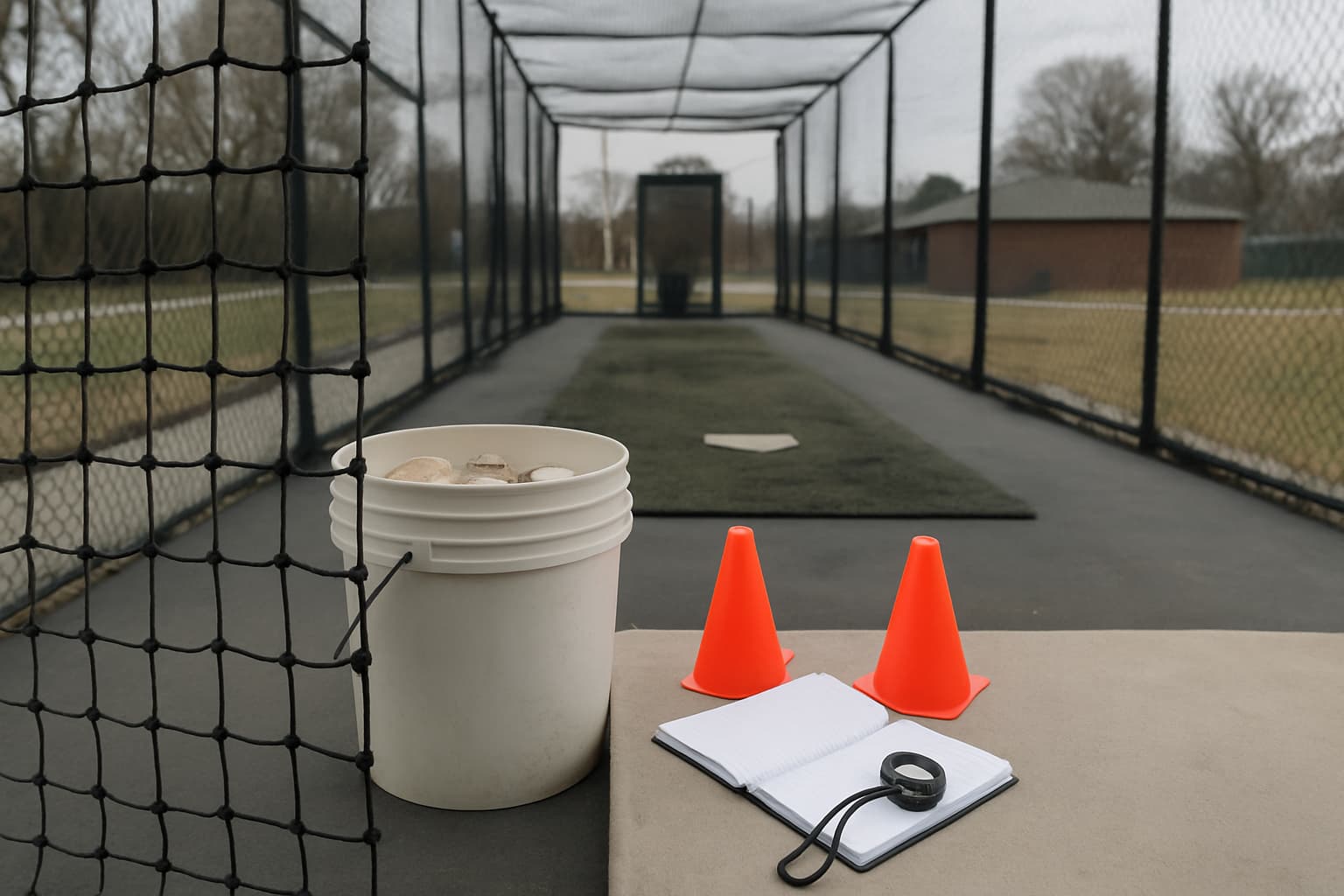
Weighted balls, overload bats, swing trainers, connection aids — the hitting-aid aisle is where baseball parents' money goes to feel productive. Some of it genuinely works, some works only in a structured program, and some is regression dressed as innovation. Here's the honest sort, tool by tool.
Weighted Balls: Powerful, With a Manual
Overload/underload training is legitimate — it's used at every level of pro ball to develop bat speed and, on the pitching side, arm speed. The mechanism is simple: heavier implements build force, lighter ones teach the body to move faster than its habit. The manual matters though. For hitters, weighted-ball contact work (hitting heavier balls off a tee or front toss) builds barrel stability through contact — genuinely useful from about age 12 up. Below that, kids compensate with their hands and arms and groove exactly the disconnection you're trying to prevent. Dose it: one or two rounds inside a normal session, not weighted-everything month.
Overload/Underload Bats: The Real Bat-Speed Tool
Swinging a heavier training bat, then a lighter one, then game weight — measured with any radar or sensor — is the most evidence-backed bat-speed protocol available to amateurs. It works because it's specific and measurable. Do it in short dedicated blocks (six to eight weeks, two sessions weekly) and track swing or exit velocity monthly with a consistent protocol like the one in our radar guide. Random heavy-bat swings on random days build nothing but the feeling of effort.
Connection and Path Aids: Useful for a Specific Fix
Connection balls, swing planes, and constraint trainers earn their price when they target a diagnosed flaw — a cast, a disconnected lower half, an uphill chop. They're prescription tools, not vitamins: match the aid to the flaw (our swing-flaw breakdown is the diagnosis half), use it until the feel transfers, then wean off. A trainer that never leaves the bag was either the wrong prescription or was treating a healthy swing.
What to Skip
Anything promising bat speed without effort, gadgets that add resistance in directions a swing doesn't move, and any aid your player can't explain the purpose of in one sentence. The explanation test is surprisingly reliable — tools work when the athlete knows what they're for.
The Setting Matters as Much as the Tool
Every aid on this list works better in a private cage than a crowded one: weighted-ball rounds need their own space and ball bucket, overload/underload blocks need an uninterrupted station, and constraint drills look weird enough that self-conscious teenagers sandbag them in public. An hour in a private cage with a plan — normal round, weighted round, underload round, normal round, radar the last five — is the format that turns aids into gains. Pair it with the machine-owning-or-renting decision in our pitching machine guide and the home setup covered in the small-space guide, and the full training stack costs less than a season of weekly lessons.
Want the aids that actually move the needle? These are the ones we trust — see more on our training aids page, and build the foundation first with our batting tee buyer's guide.
Frequently Asked Questions
What age can players start weighted-ball hitting work?
Around 12 for most, when they can maintain mechanics under load. Younger players get more from unweighted contact quality work.
Do weighted balls damage bats?
Heavy balls can dent thin-walled alloy and composite game bats. Use an old bat or a dedicated training bat for weighted rounds.
How fast does overload/underload training show results?
Measured monthly, most committed athletes see bat-speed movement inside 6–8 weeks. No measurement, no way to know — which is the point of measuring.
Are swing trainers worth it for beginners?
Mostly no. Beginners need reps and simple cues, not constraints. Aids earn their place once a specific, persistent flaw is diagnosed.
Build a better cage setup with the right equipment
Compare cage upgrades with practical advice for nets, turf, pitching machines, balls, and safety gear.
Related Guides
View all articles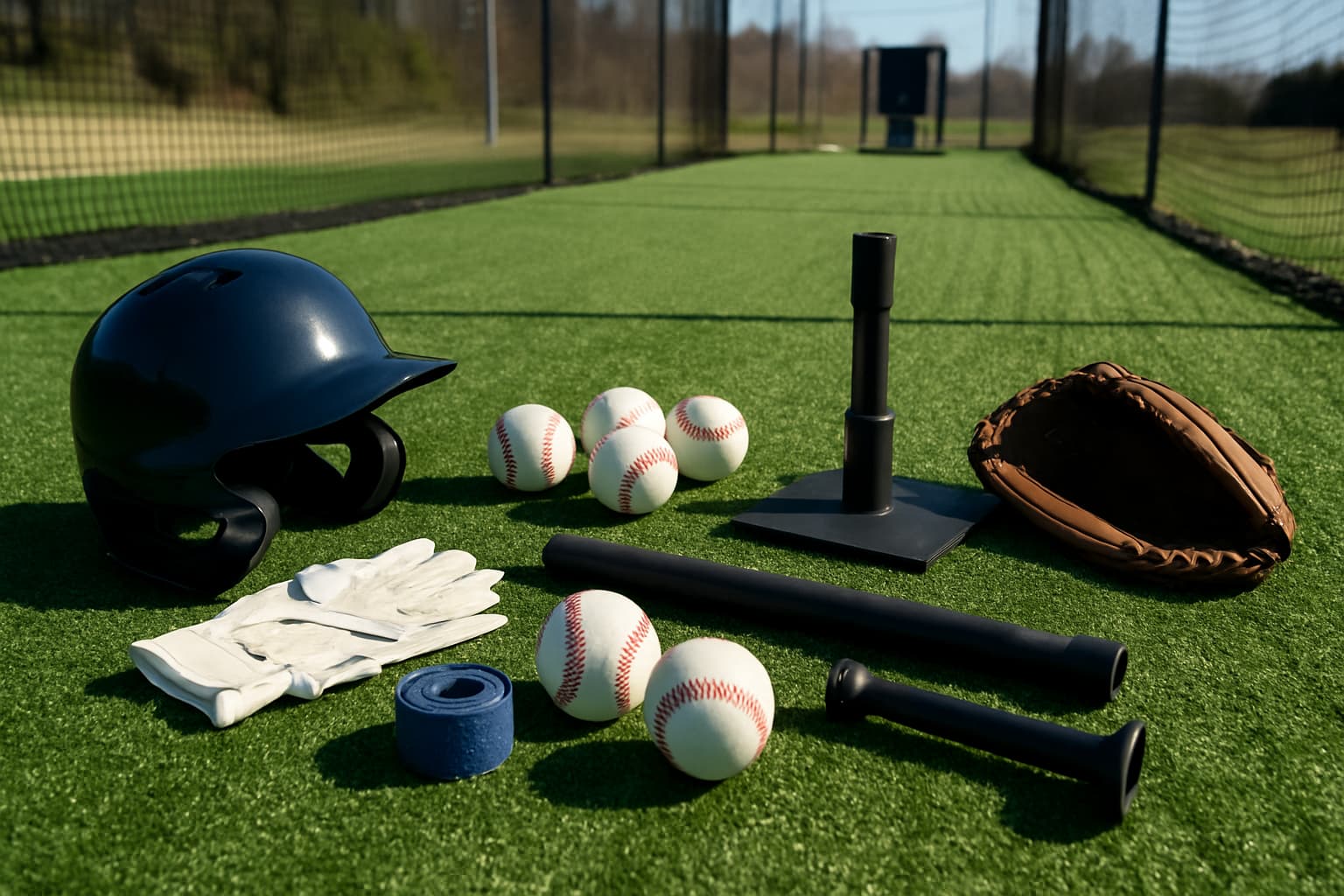
Batting Cage Equipment
SKLZ Pitching Machine Review: Worth It at $80?
The SKLZ Pitching Machine is one of the cheapest real auto-feed machines on the market. Here is an honest look at what $80 gets you, the rest of the SKLZ lineup, and how it compares to Heater Sports Crusher and Personal Pitcher Pro.
Batting Cage Equipment
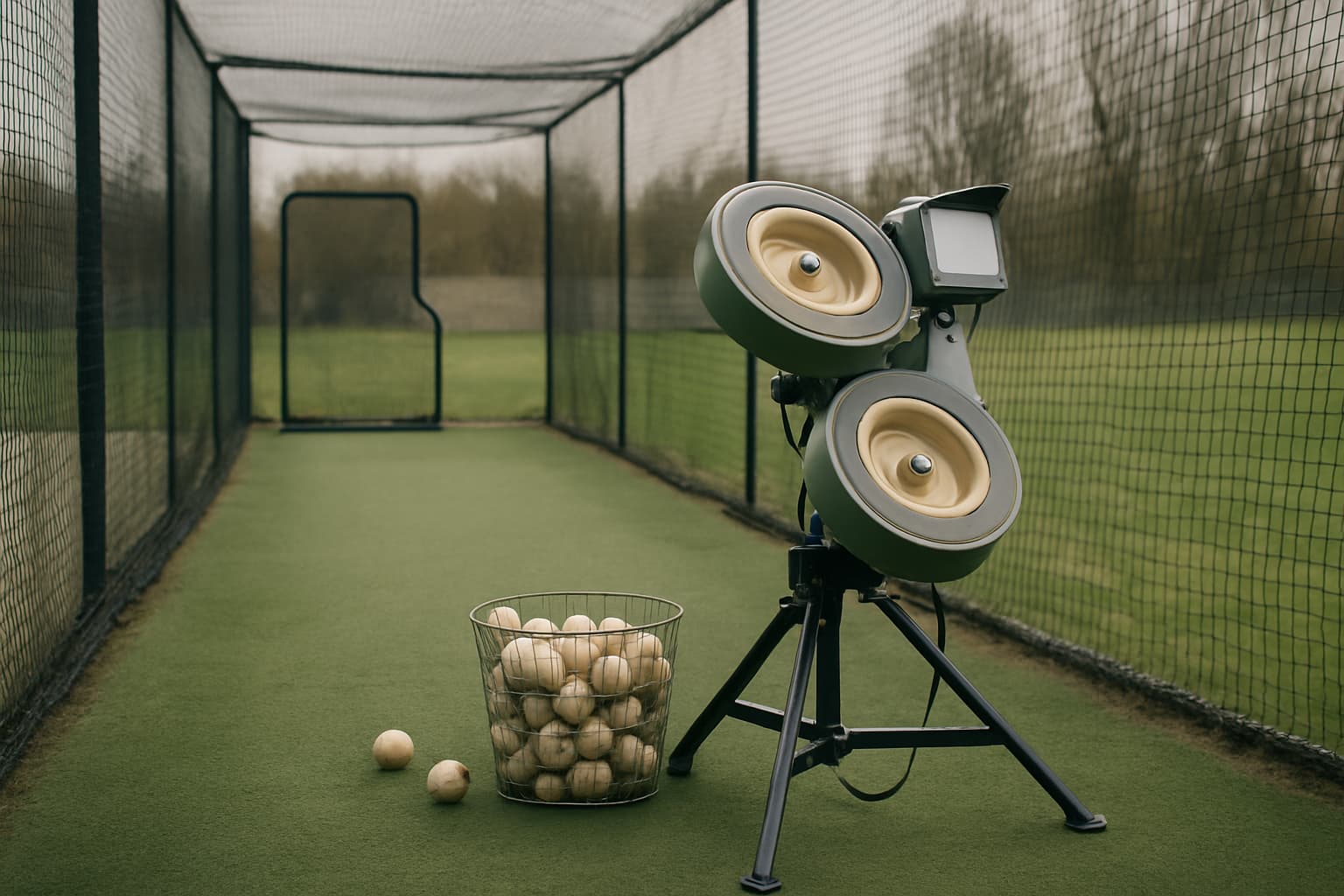
Heater Sports Pro Pitching Machine Review: The Best First Machine?
The Heater Sports Pro is one of the most common first pitching machines. Here is what its ~$500 price actually gets you, and how it compares to Louisville Slugger's Blue Flame and the Zooka ZS740.
Batting Cage Equipment
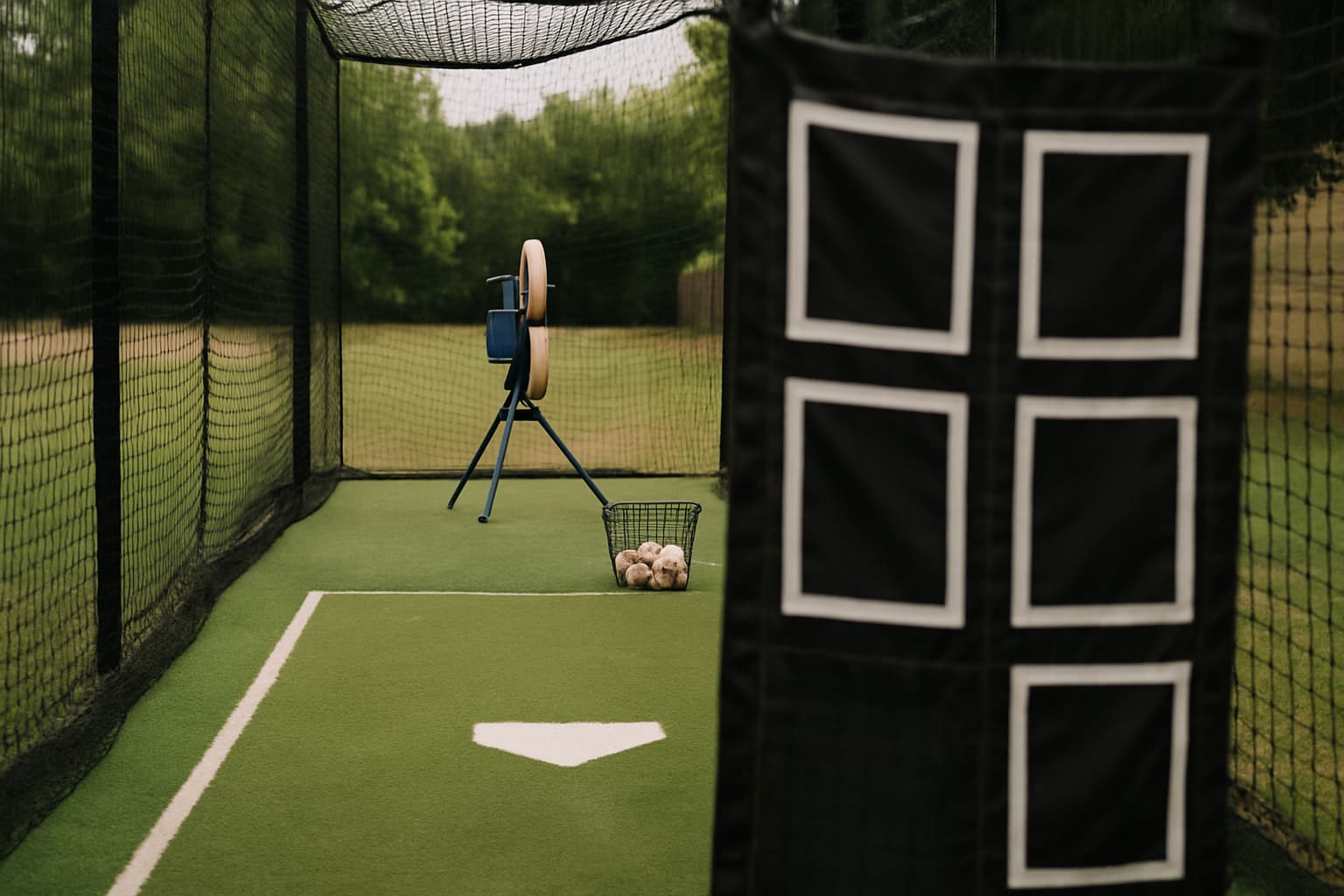
JUGS BP3 Review: The Pitching Machine That Actually Earned Us a Sale
The JUGS BP3 is the first pitching machine that earned CageList a real, confirmed commission. Here is what makes it different — Grip-Tite tires, automatic changeup switching, one-dial pitch selection — and how it compares to Hack Attack.
Run a travel team? Get your free page.
Baseball or softball. Claim a free directory page, post tryouts, and share cagelist.com/@yourteam with families.
Find your league
Free directories of real leagues and clubs near you — then book a batting cage to get your reps in before opening day.
1,000 organizations
Join the backyard batting cage community
Talk builds, gear, hosting and player development with cage owners, coaches, parents and baseball families.