
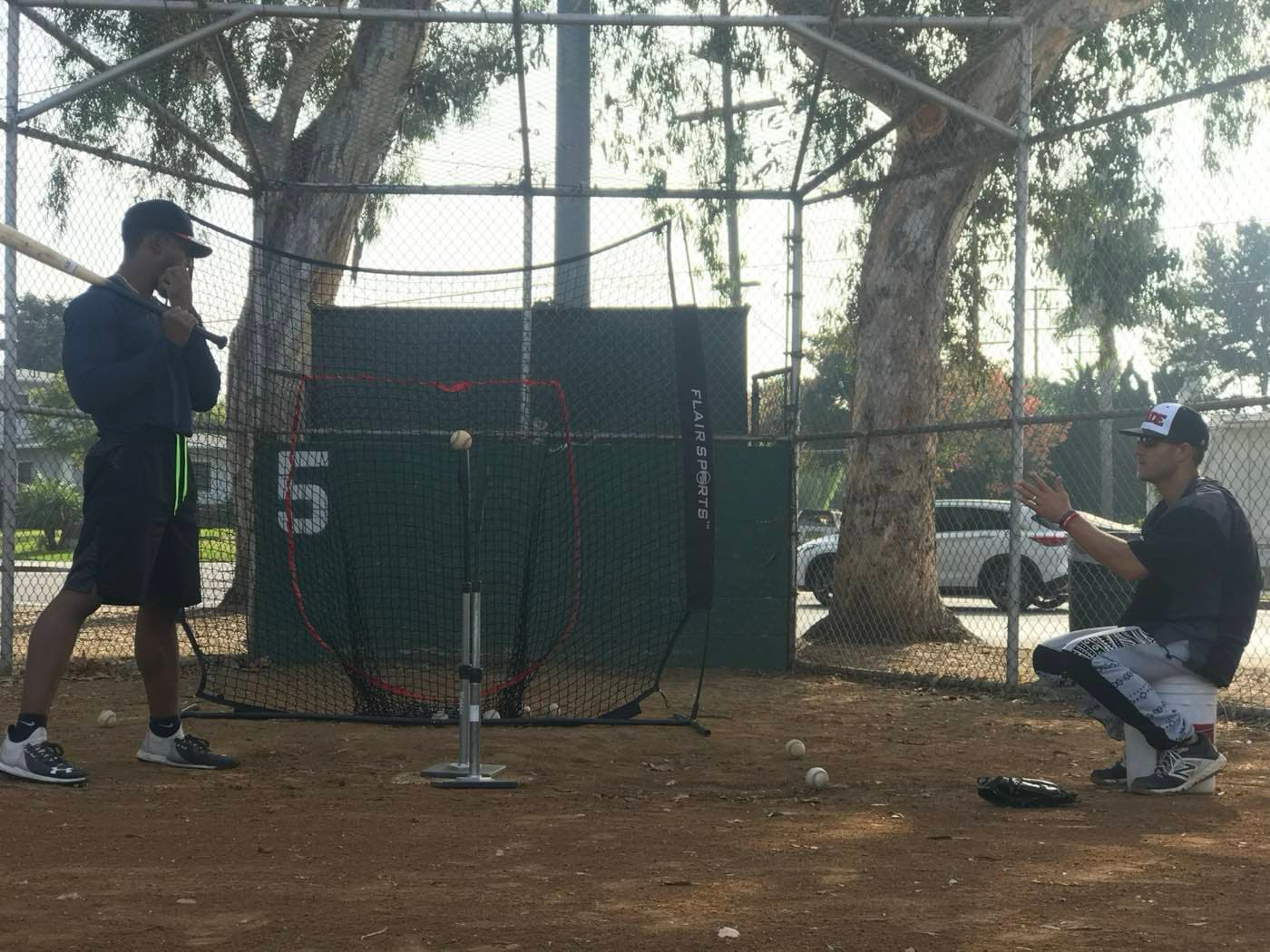
I never planned to make a living in baseball. I was coaching a local team, someone asked if I'd give their kid private lessons for a little extra money in the off-season, and I said yes. A few lessons in, it hit me: I could actually build something here — make real money and have a real impact — doing the thing I love. I've always wanted to be an entrepreneur. That's where it started.
Falling into it — and then choosing it
The lessons snowballed. Word got around, more families reached out, and what began as off-season side money turned into a real thing. Around the same time I was working at a digital advertising agency, learning SEO and how to build websites, and I found I genuinely loved that too. I didn't know it yet, but those two worlds — coaching hitters and building on the internet — were going to come together in a big way later on.
The part nobody sees: you have to be organized
Here's what I learned fast about being your own boss as a baseball guy. If you're good, people want your time — and if a lot of people want your time, you'd better be organized. So many private coaches are flaky. Sometimes it's not entirely their fault; it's genuinely hard to be a disciplined businessperson when you got into this to teach hitting, not to run a calendar. But ultimately it is on you. The coaches who take the business side seriously — who show up, don't cancel, and treat every booking like it matters — build a reputation that books itself.
Talent gets people in the door. Reliability keeps them there. And if you pair that with the skills to actually run the operation — plus the right software to make scheduling and payments easy — you're in great shape. Be well-rounded like that and you really can do this full-time.
What it costs
I won't romanticize it. Being your own boss in baseball means your income swings hard — a rained-out week or a slow winter hits you right in the wallet. You're usually paying to rent the very space you work in, which eats your margin on every single lesson. There's no health insurance, no PTO, no boss to catch your mistakes. You learn to save hard in the good months, because the lean ones always come. And you are the brand — if you're hurt, sick, or burnt out, the whole thing stops. Nobody warns you about that part.
Why I'd never trade it
And yet. There's nothing like the moment a swing finally clicks for a kid you've been grinding with for months — you can't get that feeling at a desk. I own my time. I get paid to live inside the game I'd happily play for free. And I've built years-long relationships with families where I'm part of their story, not a stranger they hired once.
The way I've always seen it, giving a lesson was never really just about baseball. It was about changing the world one hour at a time. Baseball is the portal — the thing a kid uses to build discipline, confidence, and belief in their own greatness. That's what makes betting on yourself worth it.
If you're a young player wondering whether you can make a living doing this: you can. Be great at the craft, be organized like a real business, protect your reputation, and don't be afraid to go find the space to do your work. The demand is out there. I built a whole company on exactly that belief.
— Isaac Hess, Founder of CageList
Find a baseball league near you
Men's leagues, Little League, and travel teams near you — then book cage time to get ready for the season.
Related Guides
View all articlesCageList News
CageList Is Now an Authorized JUGS Sports Dealer
CageList is now an authorized JUGS Sports dealer. Real JUGS machines, nets, screens, and practice balls, sold and shipped directly at real JUGS pricing.
List Your Cage
Can Your Little League Rent Out Its Batting Cage?
Most leagues own a cage that sits idle most of the year. Opening it up is usually allowed — it depends on who owns the ground, what your use agreement says, and what your liability policy covers. Here is how to check all three.

Find & Rent Batting Cages
What You Actually Get at a HitTrax Cage in Dick's Sporting Goods
Dick's runs two different services in the same HitTrax cage, and they cost very different amounts. Here is what you get, what it costs, and when a real cage is the better call.
Run a travel team? Get your free page.
Baseball or softball. Claim a free directory page, post tryouts, and share cagelist.com/@yourteam with families.
Find your league
Free directories of real leagues and clubs near you — then book a batting cage to get your reps in before opening day.
1,000 organizations

Join the backyard batting cage community
Talk builds, gear, hosting and player development with cage owners, coaches, parents and baseball families.