Noise during sessions
Hosts set specific booking windows that match HOA quiet hours. Most backyard cage sessions are quieter than a lawn mower — and hosts are required to set hard stop times.
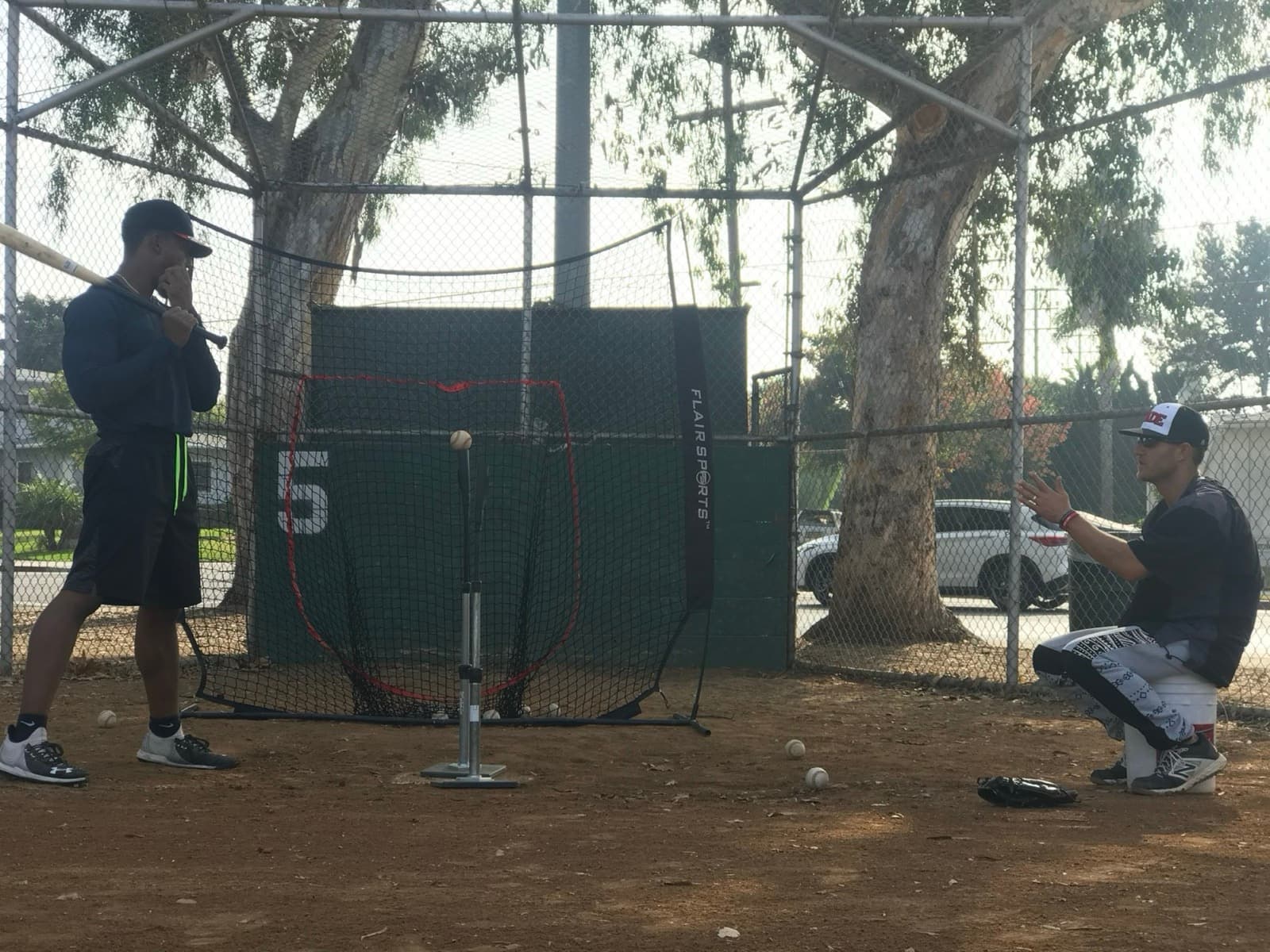
Thousands of backyard batting cages sit in HOA communities. With the right approach — honest communication, reasonable hours, and respectful guests — hosting on CageList and HOA membership can coexist.
Most HOA concerns are practical, not adversarial. Here's how CageList is designed to address the most common ones.
Hosts set specific booking windows that match HOA quiet hours. Most backyard cage sessions are quieter than a lawn mower — and hosts are required to set hard stop times.
Hosts must include explicit parking instructions in every listing. Guests who ignore them can be flagged, removed from the platform, and blocked from future bookings.
Hosts set capacity limits per booking. A single cage session is typically 1–4 people. No events, no parties — bookings are for focused athletic training.
CageList lets hosts set available hours down to the minute. A host in an HOA community can restrict bookings to, say, 9 AM–6 PM Monday–Saturday.
Occasionally sharing a private athletic facility is generally treated the same as occasional short-term rental income. Many hosts consult their local zoning office; we recommend the same.
CageList requires digital waivers for every booking. Hosts are also encouraged to notify their homeowner's insurance provider and add the cage to their policy before listing.
Being proactive and transparent is almost always better than asking permission after the fact. Here's the sequence that works for most hosts.
Your community's Covenants, Conditions & Restrictions govern what activities are allowed. Look for language around home-based businesses, short-term rentals, or commercial activity. Many CC&Rs don't mention athletic facilities at all.
A short, friendly conversation before your first booking goes a long way. Explain what CageList is, show them your proposed hours, and offer to address any concerns in writing.
Let the two or three homes nearest your cage know you plan to host. Share your booking window, your contact number, and what you'd like them to do if something ever bothers them.
Start with a narrow booking window — say, 10 AM to 5 PM — so you can prove to your HOA that activity is modest and predictable. You can always expand later.
If your HOA raises concerns, respond in writing and save the replies. Documentation protects you and demonstrates you're operating in good faith.
If your HOA pushes back, you can pause bookings, tighten your hours, or reduce capacity — all without closing your listing. CageList lets you manage availability any time.
CageList doesn't interpret CC&Rs, local zoning ordinances, or HOA bylaws. Whether a specific HOA allows cage rentals is a question only your HOA board and, if needed, an attorney can answer.
What we do provide: the tools to host in a way that keeps sessions controlled, documented, and easy to manage — so if your HOA has concerns, you can demonstrate exactly how the activity is being run.
Your HOA's CC&Rs and any relevant amendments
Local zoning for short-term use of athletic facilities
Your homeowner's insurance coverage for sports activities
Any permit requirements for existing cage structures
If you represent an HOA and have concerns about a CageList listing in your community, we're glad to help you understand how the platform works and what tools are available to hosts and guests.
Contact CageListThousands of cage owners — including many in HOA communities — host on CageList. The hosts who do it well set clear hours, communicate proactively, and let the results speak for themselves.