
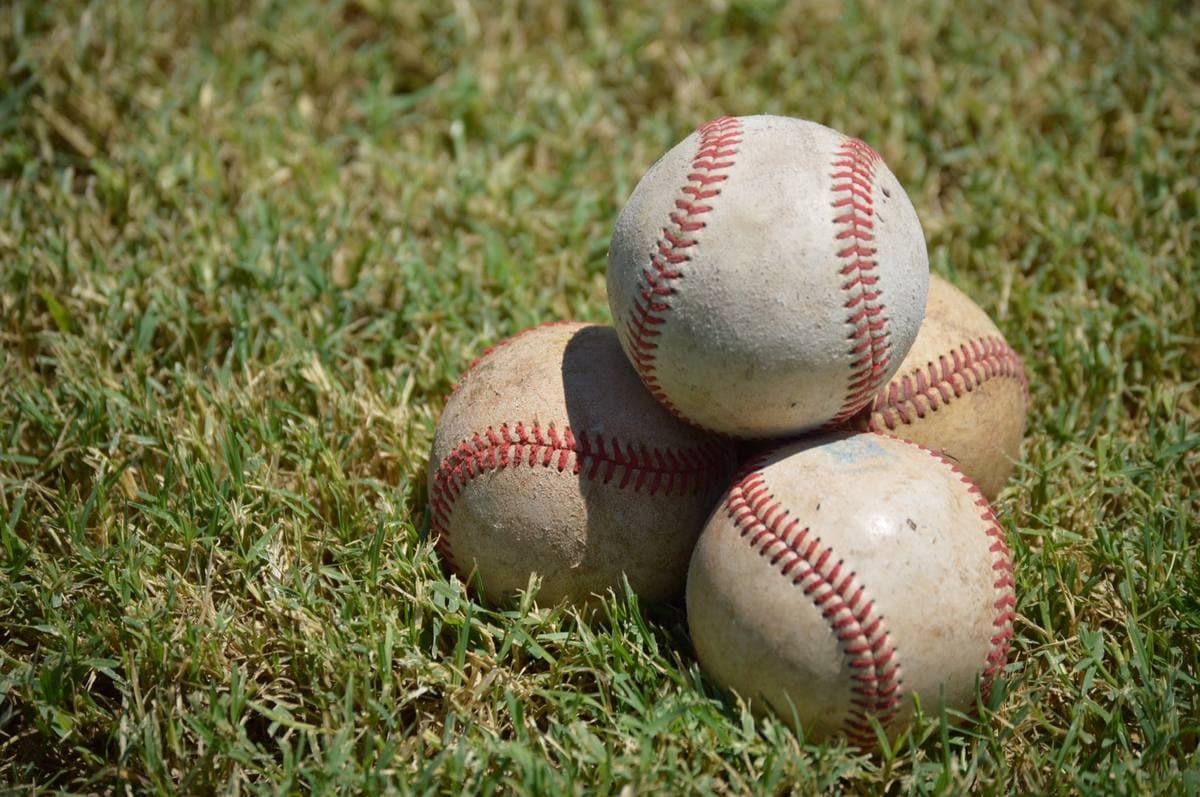
Not all baseballs are created equal — and using the wrong type for batting practice can wear out your netting faster, mess up your pitching machine, or give hitters false feedback. Here are the 8 best types of baseballs for batting practice, organized by use case.
1. Leather Practice Balls (Rawlings R1)
The gold standard for batting practice. Slightly heavier wool winding means they hold their shape through hundreds of hits. The Rawlings R1 is the most used practice ball in professional and amateur baseball. Best for: Pitching machines and live BP with coaches.
2. Dimpled Pitching Machine Balls
Yellow or white dimpled balls are specifically designed for pitching machines. The dimples improve grip in the machine's wheels for consistent spin and speed. Never use dimpled balls in machines not rated for them. Best for: Single-wheel and two-wheel pitching machines.
3. Reduced Injury Factor (RIF) Balls
Soft-core or reduced compression balls are ideal for youth players or practice in tight spaces where stray balls are a concern. Brands like Baden and Rawlings make excellent RIF options. Best for: Ages 5–10, indoor drills, short-distance work.
4. Weighted Training Balls
Overload balls (9–11 oz) build bat speed and forearm strength. Underload balls (4–5 oz) train fast-twitch muscle for exit velocity. Use in moderation — no more than 20% of practice swings. Best for: Bat speed development programs.
5. Wiffle Balls
Lightweight plastic wiffle balls are perfect for front toss, soft toss, and indoor drills where a full-size ball would be dangerous. Best for: Indoor batting cages, close-range drills.
6. Polyurethane Foam Balls
Safe for all ages and indoor use. They hit off the bat realistically but won't break windows or injure anyone. Best for: Very young players, driveways, garage practice.
7. Batting Practice Balls (Wilson A1015)
A step down from the Rawlings R1 in price but excellent for high-volume BP. Durable synthetic cover holds up through hundreds of uses. Best for: High-volume batting cage sessions.
8. Leather Game Balls (Rawlings Official)
Technically the best ball to hit — but expensive for practice use. Reserve for showcases, evaluations, or when hitters need game-feel feedback. Best for: Evaluation sessions, elite players.
Final Thoughts
Match the ball to the machine, the player's age, and the practice purpose. Using the right baseball doesn't just protect your equipment — it makes practice more effective.
Keep exploring on CageList
- Compare batting cage quality tiers
- Learn how to hit off a pitching machine
- Try batting cage drills
- Find a cage to test your setup
Fit the gear to the hitter
For Top 8 Best Types of Baseballs for Batting Practice, the right equipment choice depends on the hitter and the space. Younger players need confidence, simple setup, and safe reps. Older players may need more realistic speed, better feedback, or equipment that can handle heavier use. Hosts also need gear that renters can understand quickly.
Before buying, compare what real listings include on CageList. If the best local cages all mention a specific machine, tee, screen, lighting setup, or ball type, that is useful buying intelligence.
Best fit for CageList hosts
Top 8 Best Types of Baseballs for Batting Practice is also relevant for hosts who want their cage to feel complete without overbuying. The right equipment should be durable, easy to explain, and appropriate for the players likely to use the space. Hosts should avoid gear that creates confusion, safety questions, or long setup time for guests.
When equipment is simple and clearly described, the listing feels more trustworthy and renters understand what kind of practice session they can plan.
Bottom line
Top 8 Best Types of Baseballs for Batting Practice should leave the reader with a practical next step. For CageList, that means connecting the advice back to better practice access: compare nearby cages, understand what each space is best for, and choose the option that helps the player get more useful reps.
Build a better cage setup with the right equipment
Compare cage upgrades with practical advice for nets, turf, pitching machines, balls, and safety gear.
Related Guides
View all articlesBatting Cage Equipment
Buying a JUGS Machine Online? Here's How to Tell a Real Dealer From a Reseller
Not every JUGS listing online is what it looks like. Here's how to tell an authorized dealer from a reseller before you spend $2,000+ on a pitching machine.
Batting Cage Equipment
JUGS BP1 vs BP2 vs BP3 vs mini3: Which One Fits Your Cage
JUGS BP1, BP2, BP3, and mini3, compared on the numbers that actually matter: real pitch speed range and weight, straight from JUGS's own spec pages.
Batting Cage Equipment
SKLZ Pitching Machine Review: Worth It at $80?
The SKLZ Pitching Machine is one of the cheapest real auto-feed machines on the market. Here is an honest look at what $80 gets you, the rest of the SKLZ lineup, and how it compares to Heater Sports Crusher and Personal Pitcher Pro.
Run a travel team? Get your free page.
Baseball or softball. Claim a free directory page, post tryouts, and share cagelist.com/@yourteam with families.
Find your league
Free directories of real leagues and clubs near you — then book a batting cage to get your reps in before opening day.
1,000 organizations
Join the backyard batting cage community
Talk builds, gear, hosting and player development with cage owners, coaches, parents and baseball families.