Switch hitting is one of the most valuable skills in baseball — and one of the least developed because it is uncomfortable at the start. Done right, it makes a player more versatile, harder to pitch around, and more valuable at every level.
Here is how to evaluate whether it is worth pursuing, and how to actually build it if you commit.
Why Switch Hitting Matters
When you bat from both sides of the plate, you always hit from the same side relative to the pitcher — right-handed hitter against a lefty, left-handed hitter against a righty. That means you always have the platoon advantage: the ball releases from the pitcher on the same side as your eye dominance, giving you an extra split second to read the pitch.
Against left-handed pitchers, right-handed batters historically hit about 20–30 points lower than against righties. A true switch hitter eliminates that disadvantage entirely.
Beyond the numbers, switch hitters are roster assets. Coaches at every level — travel ball, high school, college, and pro — actively seek players who can hit from both sides.
Who Should Learn to Switch Hit
The honest answer is that not everyone should. Switch hitting makes the most sense for players who:
- Start young — ideally between ages 8 and 12, before either side is deeply grooved
- Have natural athleticism and good hand-eye coordination from their dominant side
- Are willing to accept a temporary decline in results while learning the weaker side
- Play at a level where they will actually face meaningful lefty-righty splits
If you are a 17-year-old committed hitter, adding a weaker side under pressure is usually not worth the regression risk unless you have a significant off-season window and a coach dedicated to the process.
How to Build the Weaker Side
Start at the Tee — Only
Do not go to front toss or the machine until you have 200+ quality tee swings from your weaker side. The tee removes timing and lets you focus purely on replicating the mechanics of your dominant side from a mirror position. This is the foundation — skip it and you will build bad habits that are hard to unlearn.
Film and Compare
Take video of your dominant side swing from both the side and front. Then take video of your weaker side swing in the same positions. Overlay them if you can. Your goal is to match the shape and sequence of the strong side. Where do you see the biggest mechanical difference? That is your first focus.
Front Toss Before Machine
Once your weaker side tee work looks clean, move to front toss from 20–25 feet at a pace slow enough that you can focus on the path. Slow front toss lets you ingrain timing without the chaos of a pitching machine overwhelming a weaker-side motor pattern you are still building.
Progressively Increase Speed
Over 4–8 weeks, move from slow front toss to standard front toss to the machine at 60%, then 70%, then game speed. Each step should feel controlled before you move up. Rushing this process produces a weaker side that breaks down under pressure.
The Mental Challenge
Switch hitting is a mental test as much as a physical one. For months, maybe a year, your weaker side will feel uncomfortable and produce worse results than your dominant side. That is normal — it does not mean you are failing. It means you are building something new.
The players who succeed at it are the ones who stay committed to the process even when it feels wrong. The body follows the reps. Give it enough deliberate reps and it will adapt.
Switch hitting development requires dedicated cage time away from games and practice pressure. Find a private cage near you on CageList.
Search batting cages near youFrequently Asked Questions
What is the best age to start switch hitting?
Ages 8–12 are ideal. The earlier you start, the easier it is to build a weaker side before either side is deeply grooved. Starting at 14 or later is harder but still possible with dedicated off-season work.
How long does it take to become a true switch hitter?
Most players need 1–2 years of serious development before their weaker side holds up in games. Some reach competence faster; some take longer. Consistent deliberate practice is the only real variable.
Should I switch hit in games before I am ready?
Only if the team benefit outweighs the risk. Many coaches prefer players hit from their stronger side in tight games until the weaker side is proven. Talk to your coach about a development timeline before using it in games.
Keep exploring on CageList
Find a baseball league near you
Put your work into a real season — men's leagues, Little League, and travel teams, all in one guide.
Related Guides
View all articles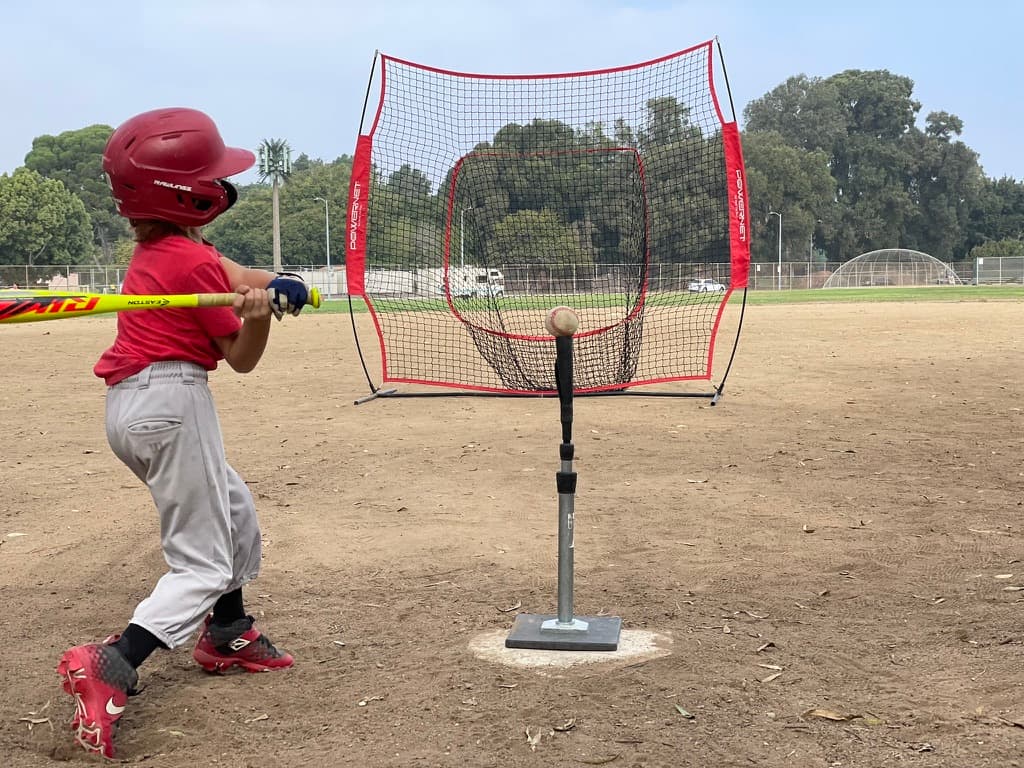
Training & Hitting
Practicing Hitting at Home Between Cage Sessions
You can not book a cage every day, but you can still get quality swings at home. Here is how to build a simple at-home hitting routine between rentals.
Training & Hitting
How to Run a Hustle Ball Class: Coach Pitch, Close Games, Teachable Moments
A coach's how-to for Hustle Ball™ — manage pace with coach pitch, keep games close, rotate positions, and teach without killing the energy.
Training & Hitting
Hustle Ball: Why One Practice a Week Should Feel Like a Real Game
MADE Baseball's Hustle Ball™ — coach-pitch live play that keeps kids loving the game. Why one weekly practice should feel like a real game, not only drills or tournaments.
Run a travel team? Get your free page.
Baseball or softball. Claim a free directory page, post tryouts, and share cagelist.com/@yourteam with families.
Find your league
Free directories of real leagues and clubs near you — then book a batting cage to get your reps in before opening day.
1,000 organizations

Join the backyard batting cage community
Talk builds, gear, hosting and player development with cage owners, coaches, parents and baseball families.