If your hitter has reached high school or college baseball, the bat in their hands has to carry a BBCOR certification — there is no way around it. But "BBCOR legal" is the floor, not the finish line. The difference between the right BBCOR bat and the wrong one shows up in every round of cage work and every at-bat. This guide breaks down how to choose without overpaying.
What BBCOR Actually Means
BBCOR stands for Batted Ball Coefficient of Restitution. In plain terms, it caps how much "trampoline effect" a bat barrel can produce, so a metal or composite bat performs much like a wood bat. Every high school (NFHS) and college (NCAA) league requires the BBCOR .50 stamp on the barrel. If you see that stamp, the bat is legal for those levels.
Length and Weight: Getting the Drop Right
All BBCOR bats are drop -3, meaning the bat's weight in ounces is three less than its length in inches (a 33" bat weighs 30 oz). Because the drop is fixed, your only sizing decision is length. A bat that is too long drags the barrel through the zone late; too short and you give away plate coverage.
- 5'8"–6'0", ~160–180 lbs: 32" is the common starting point.
- 6'0"+ or stronger hitters: 33" for more reach and leverage.
- Smaller or bat-speed-first hitters: 31"–32" to keep the swing quick.
One-Piece vs. Two-Piece vs. Composite
This is where feel and budget meet. One-piece alloy bats are stiff, durable, and give a connected, "stings-on-mishits" feel that stronger hitters love. Two-piece bats add a flexible connection that reduces vibration and can whip through the zone — friendlier for contact hitters. Composite barrels offer the largest sweet spots and best dampening, but cost more and need a break-in period.
Match the Bat to the Hitter
Power hitters who square the ball up consistently tend to prefer a stiffer, balanced one-piece for energy transfer. Contact and speed hitters usually benefit from a balanced two-piece that feels light through the zone. End-loaded models reward strong, on-time hitters but punish anyone fighting to catch up to velocity.
The Bottom Line
Buy for the hitter you have, not the one on the highlight reel: legal BBCOR stamp, the right length for their frame, and a barrel construction that matches their swing. Then put in the cage reps to feel it. Browse vetted bats and training gear in the CageList gear directory →
Keep exploring on CageList
- Compare batting cage quality tiers
- Learn how to hit off a pitching machine
- Try batting cage drills
- Find a cage to test your setup
Fit the gear to the hitter
For How to Choose the Best BBCOR Bat: A Buyer's Guide, the right equipment choice depends on the hitter and the space. Younger players need confidence, simple setup, and safe reps. Older players may need more realistic speed, better feedback, or equipment that can handle heavier use. Hosts also need gear that renters can understand quickly.
Before buying, compare what real listings include on CageList. If the best local cages all mention a specific machine, tee, screen, lighting setup, or ball type, that is useful buying intelligence.
Best fit for CageList hosts
How to Choose the Best BBCOR Bat: A Buyer's Guide is also relevant for hosts who want their cage to feel complete without overbuying. The right equipment should be durable, easy to explain, and appropriate for the players likely to use the space. Hosts should avoid gear that creates confusion, safety questions, or long setup time for guests.
When equipment is simple and clearly described, the listing feels more trustworthy and renters understand what kind of practice session they can plan.
Build a better cage setup with the right equipment
Compare cage upgrades with practical advice for nets, turf, pitching machines, balls, and safety gear.
Related Guides
View all articles
Batting Cage Equipment
SKLZ Pitching Machine Review: Worth It at $80?
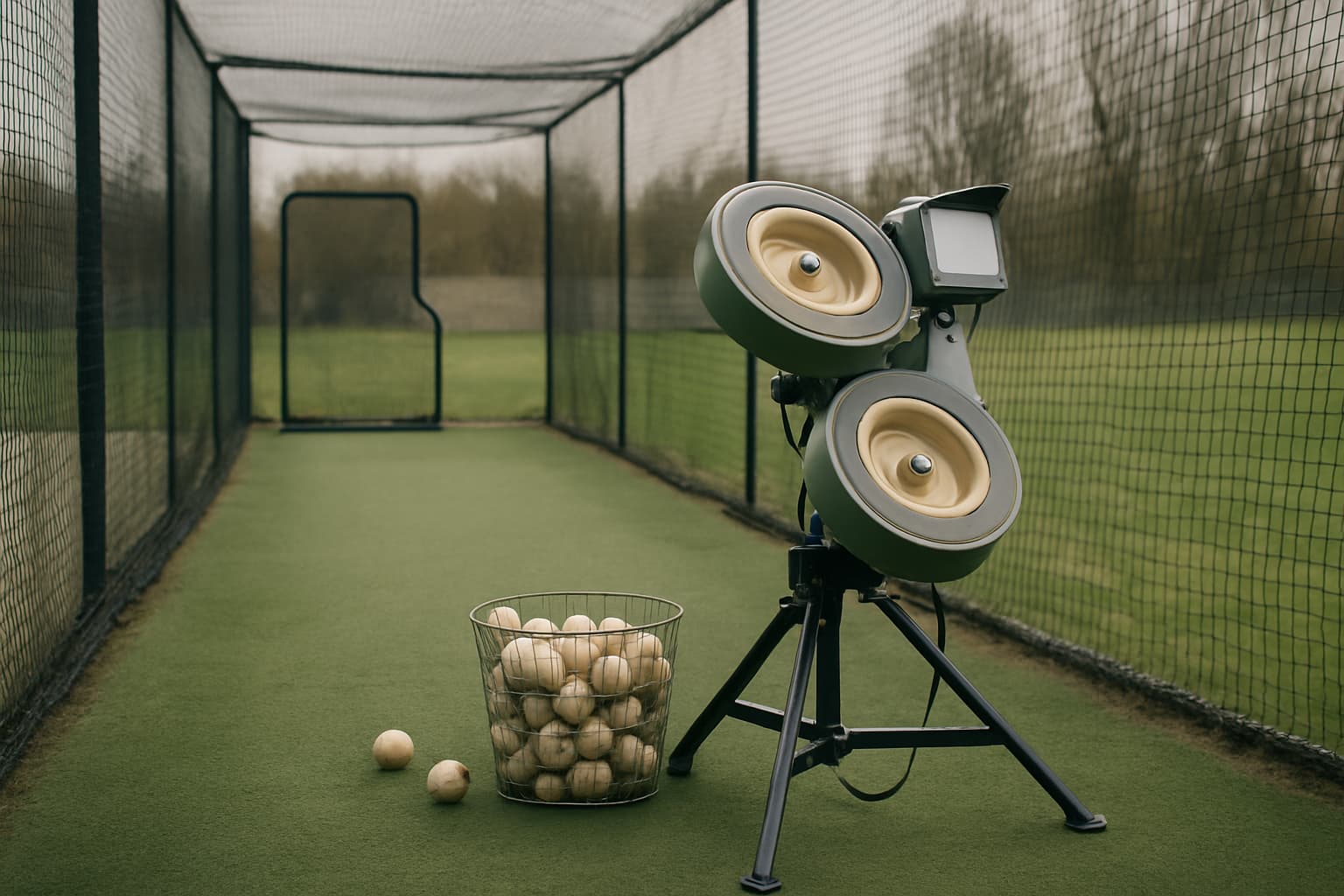
The SKLZ Pitching Machine is one of the cheapest real auto-feed machines on the market. Here is an honest look at what $80 gets you, the rest of the SKLZ lineup, and how it compares to Heater Sports Crusher and Personal Pitcher Pro.
Batting Cage Equipment
Heater Sports Pro Pitching Machine Review: The Best First Machine?
The Heater Sports Pro is one of the most common first pitching machines. Here is what its ~$500 price actually gets you, and how it compares to Louisville Slugger's Blue Flame and the Zooka ZS740.
Batting Cage Equipment
JUGS BP3 Review: The Pitching Machine That Actually Earned Us a Sale
The JUGS BP3 is the first pitching machine that earned CageList a real, confirmed commission. Here is what makes it different — Grip-Tite tires, automatic changeup switching, one-dial pitch selection — and how it compares to Hack Attack.
Run a travel team? Get your free page.
Baseball or softball. Claim a free directory page, post tryouts, and share cagelist.com/@yourteam with families.
Find your league
Free directories of real leagues and clubs near you — then book a batting cage to get your reps in before opening day.
1,000 organizations
Join the backyard batting cage community
Talk builds, gear, hosting and player development with cage owners, coaches, parents and baseball families.