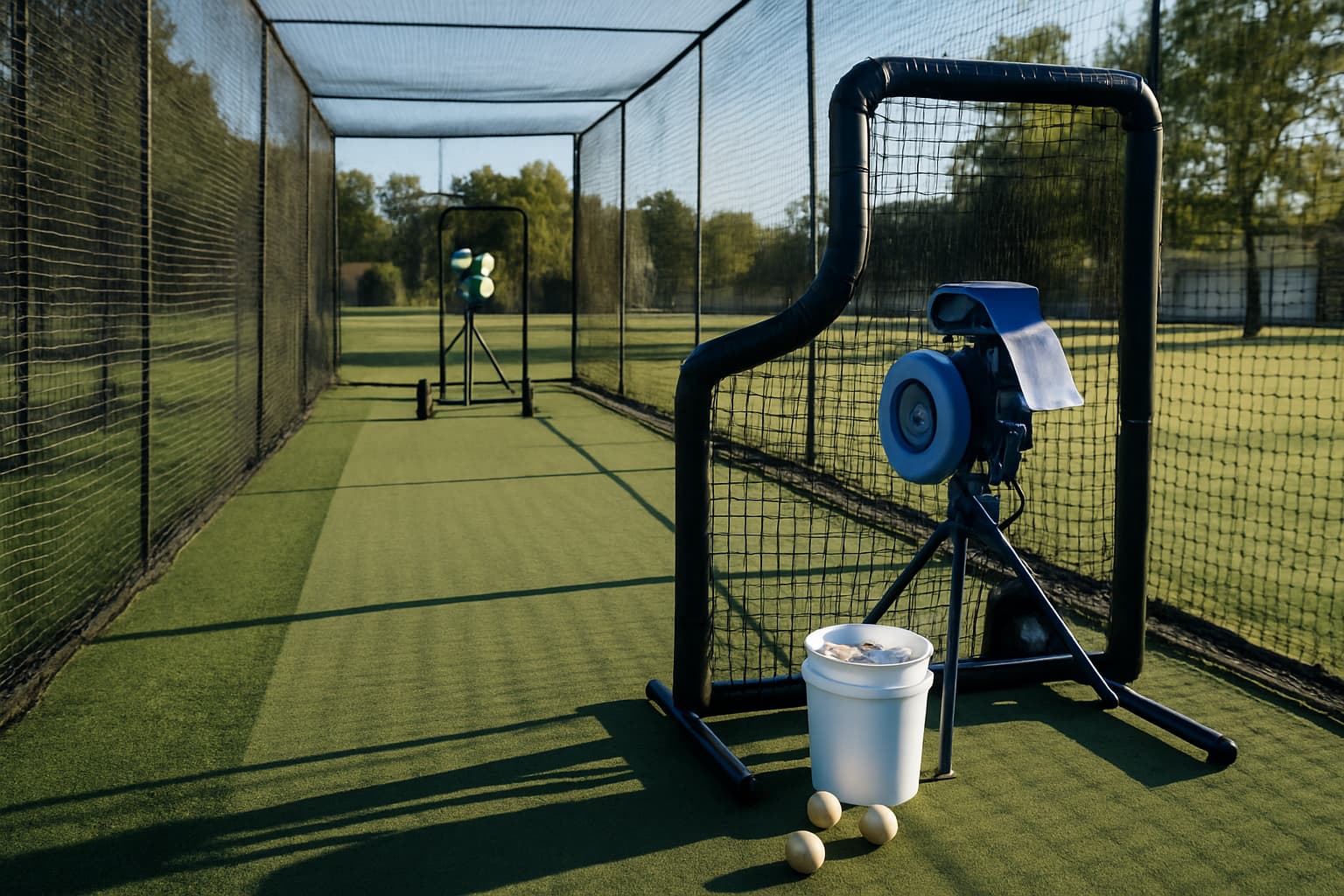
A basic batting cage gets the job done — but the right accessories transform it into a premium training experience. Whether you're upgrading for personal use or to boost your rental appeal on CageList, these accessories are worth the investment.
Pitching Machines
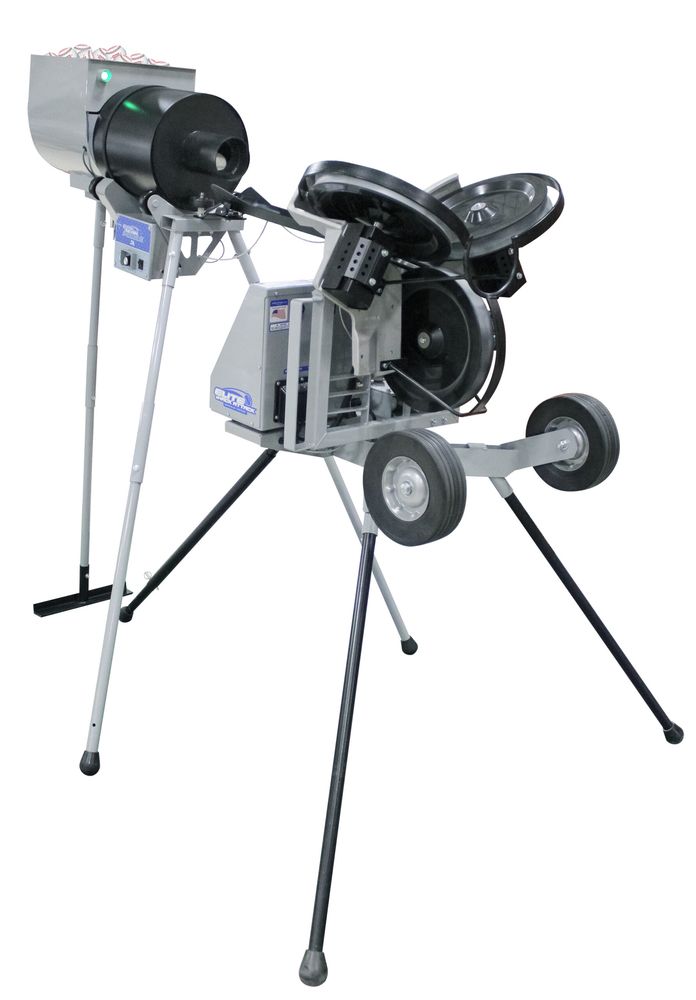
The single biggest upgrade you can make. A quality pitching machine eliminates the need for a live pitcher and allows hitters to get consistent, repetitive reps. Options range from $300 portable models to $4,000+ pro machines like the Hack Attack.
Ball Feeders and Auto-Feeders
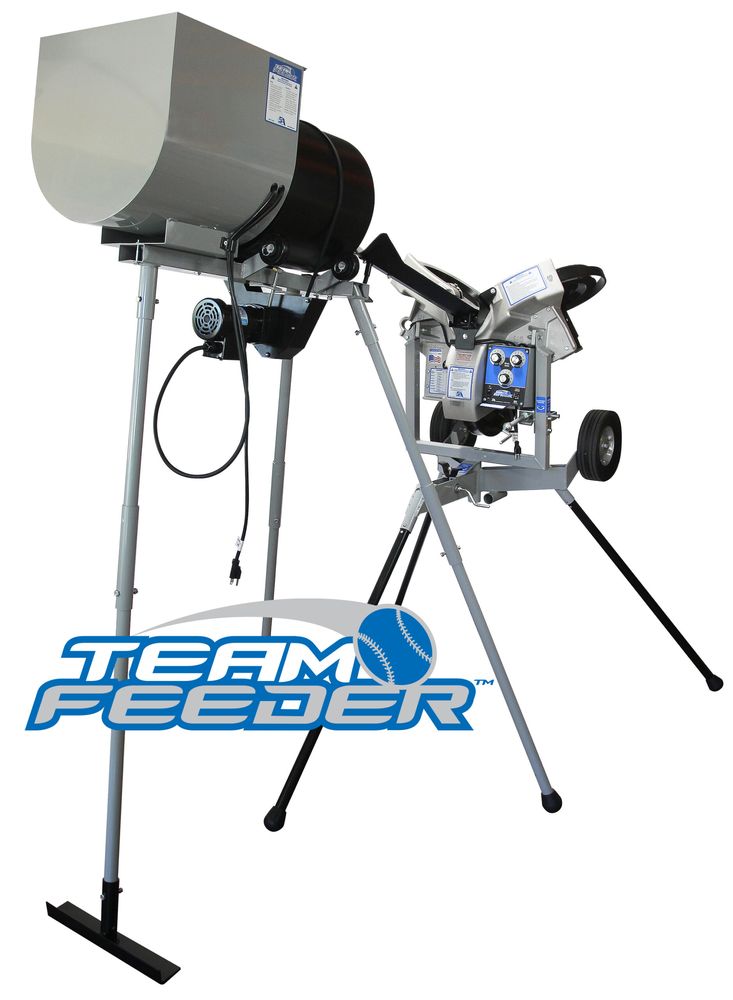
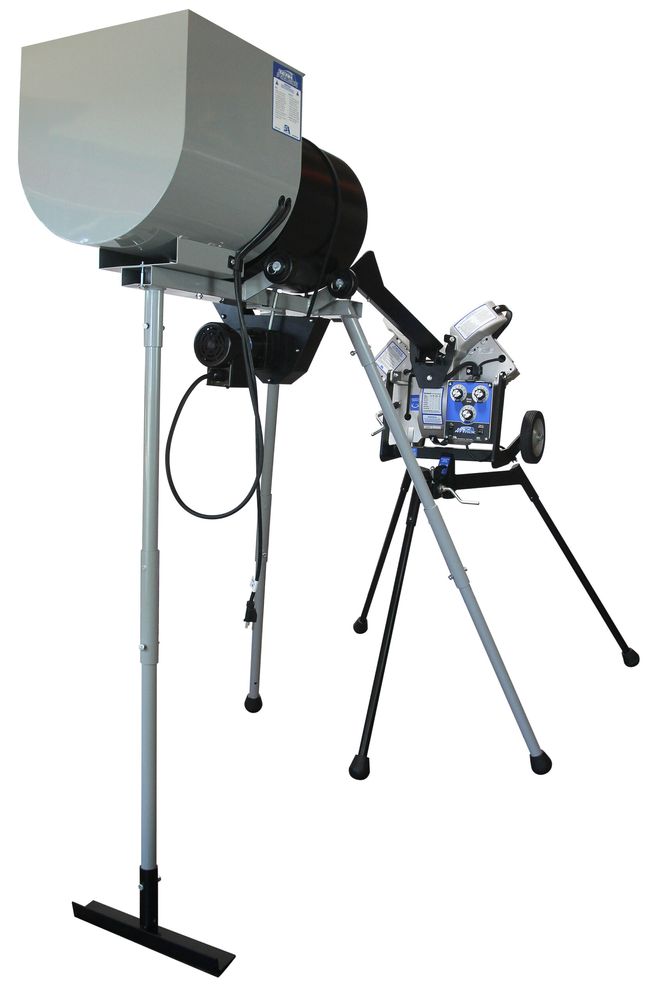
Pair with a pitching machine for automatic ball feeding. Instead of reloading the machine after every pitch, an auto-feeder holds 40–100 balls and feeds them at set intervals. Brands like Sports Attack and ATEC make compatible feeders for their machines.
Batting Tees
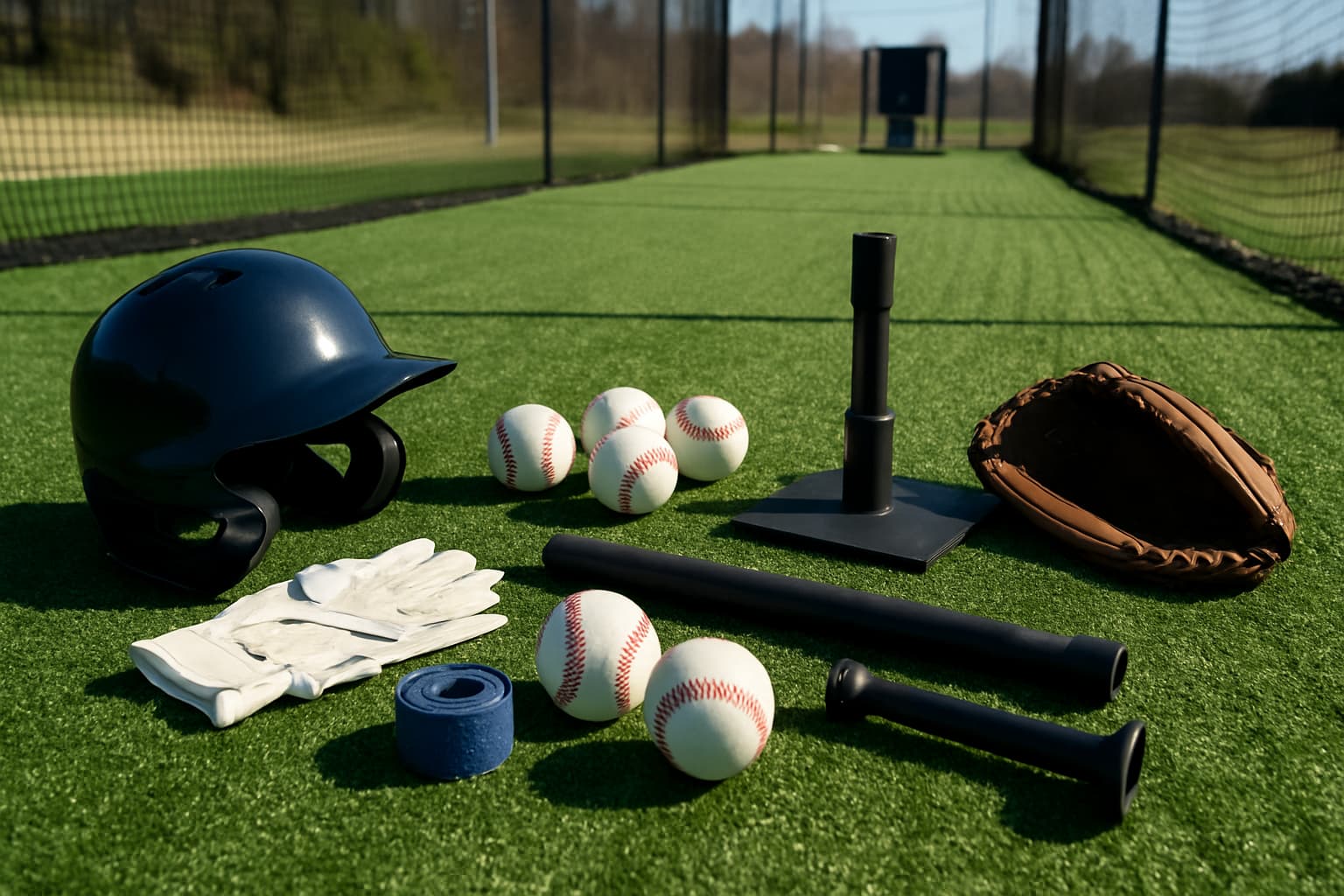
A quality batting tee is indispensable for tee work and soft toss drills. Look for adjustable height (18–43 inches), heavy rubber base, and a flexible stem that won't break during mishits. The Tanner Heavy is a top choice.
L-Screen or Pitching Screen
For live pitching or front toss inside the cage, an L-screen protects the pitcher. 7x7 foot frames are standard. Look for #60 netting on the screen itself.
Portable Mound
If pitchers use your cage, a portable pitching mound adds regulation feel. Clay mounds are most authentic; rubber and foam mounds are cheaper and easier to maintain.
Bat Racks and Ball Bins
Organization matters — especially for rentals. A wall-mounted bat rack and a heavy-duty ball bin keep the cage tidy and professional-looking.
Scoreboards and Pitch Speed Radars
Radar guns and speed displays add an element of gamification and feedback to practice sessions. Pocket radar guns start around $100 and can be mounted or handheld.
Final Thoughts
Start with the essentials (pitching machine + tee + L-screen) and add accessories as budget allows. Each upgrade improves the experience and increases your rental value on CageList.
Keep exploring on CageList
- Compare batting cage quality tiers
- Learn how to hit off a pitching machine
- Try batting cage drills
- Find a cage to test your setup
How to choose equipment that actually helps hitters
Good batting cage equipment should make reps safer, more repeatable, and easier to organize. The trap is buying the flashiest item before solving the basics: a safe hitting lane, dependable balls, protective screens, a tee, enough space, and a setup that matches baseball or softball distances. Equipment should support the hitter’s practice plan, not distract from it.
For families, durability and ease of setup matter. For teams and facilities, consistency matters more: gear needs to survive frequent use, move quickly between groups, and reduce downtime. For CageList hosts, equipment also affects guest confidence. If a listing clearly explains what is included, players can show up prepared and book the right session length.
CageList equipment lens
Before buying, ask whether the item improves swing volume, safety, feedback, or convenience. If it does not clearly improve one of those, it may be a nice-to-have rather than a priority. The best equipment choices also photograph well and make a listing easier to understand.
FAQ
Should beginners buy advanced training gear?
Usually not first. Beginners benefit most from a tee, safe balls, a clear routine, and enough cage time to repeat good movements.
How do I know if equipment is worth it?
Rent or visit cages with similar equipment when possible, then buy the items that actually change the quality of practice.
Find a CageList cage where you can test equipment and get more reps.
Before you buy
If possible, try similar equipment in a real cage before purchasing. A product that sounds useful online may feel unnecessary once the hitter gets moving, while a simple item like a better tee, safer screen, or more durable ball can improve every session. CageList helps players see what good setups include before they spend.
Shop This Guide
CageList picks that match what this article covers — no extra searching required.
Affiliate disclosure: As an Amazon Associate, CageList earns from qualifying purchases.
Build a better cage setup with the right equipment
Compare cage upgrades with practical advice for nets, turf, pitching machines, balls, and safety gear.
Related Guides
View all articlesBatting Cage Equipment
Buying a JUGS Machine Online? Here's How to Tell a Real Dealer From a Reseller
Not every JUGS listing online is what it looks like. Here's how to tell an authorized dealer from a reseller before you spend $2,000+ on a pitching machine.
Batting Cage Equipment
JUGS BP1 vs BP2 vs BP3 vs mini3: Which One Fits Your Cage
JUGS BP1, BP2, BP3, and mini3, compared on the numbers that actually matter: real pitch speed range and weight, straight from JUGS's own spec pages.
Batting Cage Equipment
SKLZ Pitching Machine Review: Worth It at $80?
The SKLZ Pitching Machine is one of the cheapest real auto-feed machines on the market. Here is an honest look at what $80 gets you, the rest of the SKLZ lineup, and how it compares to Heater Sports Crusher and Personal Pitcher Pro.
Run a travel team? Get your free page.
Baseball or softball. Claim a free directory page, post tryouts, and share cagelist.com/@yourteam with families.
Find your league
Free directories of real leagues and clubs near you — then book a batting cage to get your reps in before opening day.
1,000 organizations
Join the backyard batting cage community
Talk builds, gear, hosting and player development with cage owners, coaches, parents and baseball families.