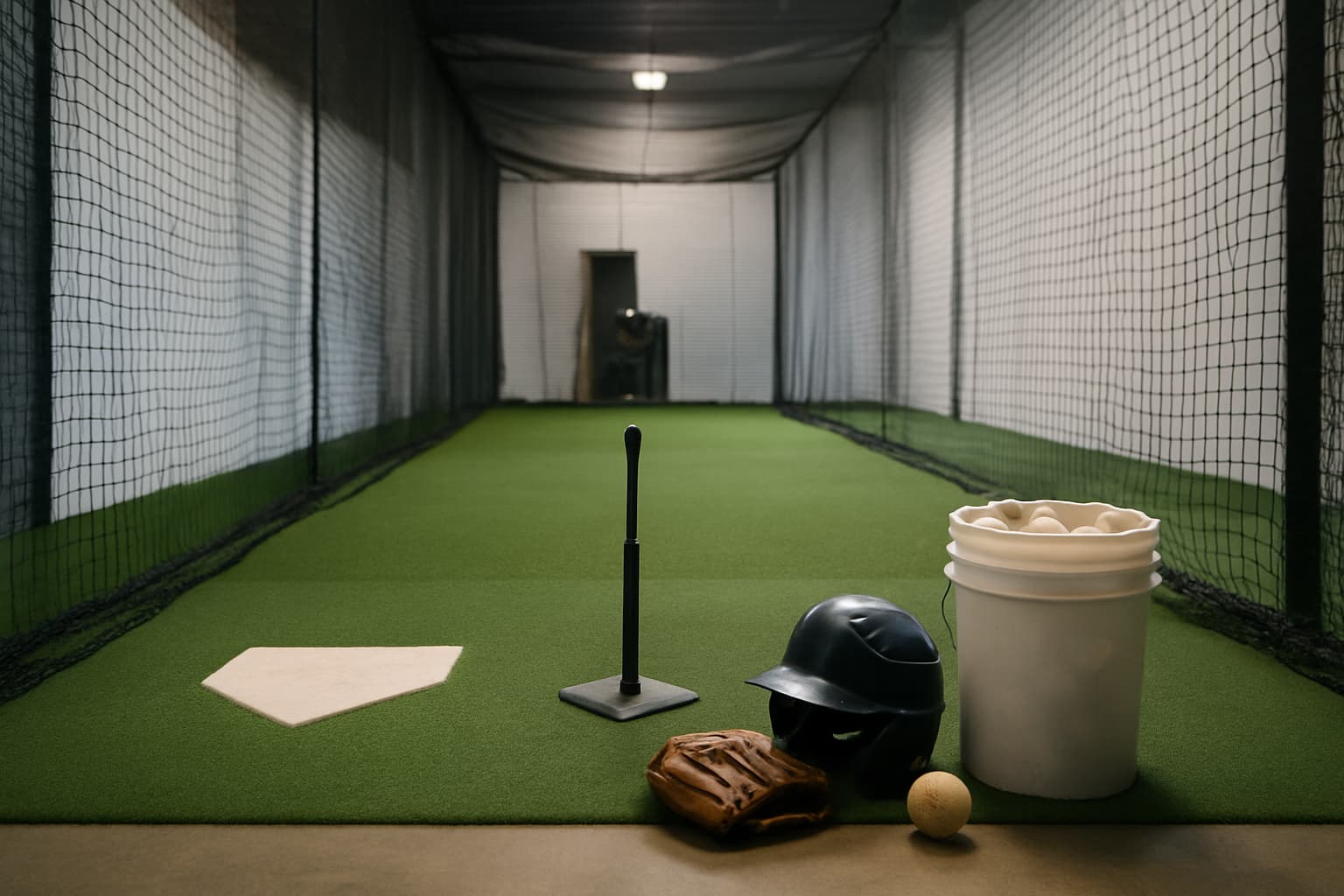
San Jose and the South Bay have a surprisingly strong baseball culture (the travel ball market here is one of the most competitive in California) but finding quality batting cage time on short notice is genuinely hard. Commercial facilities are sparse, training academies fill fast, and the cost of living means private cage setups are concentrated in specific pockets of the metro. Here's how to actually get your player consistent reps.
Baseball in Silicon Valley: The Market Behind the Demand
The South Bay doesn't have a major league team, but it has serious baseball infrastructure. Santa Clara University's Broncos program competes at a high level in the West Coast Conference. San Jose State fields a Division I team. And the travel ball market in Santa Clara County is intense, families in Saratoga, Los Gatos, and Campbell invest heavily in year-round player development in a way that mirrors the competitiveness of the local academic culture.
That demand presses against limited supply. Unlike San Diego or Phoenix, the Bay Area doesn't have a sprawling suburban landscape dotted with baseball training centers. Real estate costs mean fewer facilities, and the ones that exist stay booked.
Your Main Options for Batting Cage Access in San Jose
Commercial Batting Cage Facilities
There are commercial cage options in the South Bay, a few sports complexes in Milpitas and Santa Clara have token cage bays, and some multi-sport facilities in Campbell and Sunnyvale include batting cages as part of their general offering. Token machines run $1–$2.50 per token, typically 20–25 pitches per token. Reserved bay time, where available, runs $40–$70 per hour.
The common frustrations: token machines preset to one speed, no flexibility for your player's age or approach, shared space with other customers, and limited hours that don't always line up with a high school player's schedule.
Private Baseball Training Academies
The South Bay has solid private baseball and softball training academies, facilities in Campbell, Santa Clara, and Milpitas that offer lessons, team rentals, and occasionally open cage time. These are where serious travel ball families often land for offseason development work.
The tradeoff: academy cage time runs $60–$100 per hour, access is prioritized for lesson clients and team rentals, and walk-in availability is rare during the fall and spring seasons when everyone is in tournament prep mode. Booking two weeks out is not unusual at the better facilities.
Private Backyard Cage Rentals on CageList
This is where the South Bay picture gets more interesting. CageList connects players and families with private hosts who have batting cages on their residential property and rent them by the hour.
In the South Bay, this tends to mean homes in areas like Los Gatos, Campbell, and the hillside neighborhoods east of San Jose where lot sizes are larger. Baseball families who built serious setups for their own kids (dual-wheel machines, proper netting, turf surfaces) and rent them out when the cage isn't in personal use.
Private rentals through CageList typically run $25–$55 per hour. You get the full space to yourself, you control the machine settings, and you don't share the session with anyone else.
Where Private Cages Are Most Likely Near San Jose
Bay Area lot sizes vary enormously by neighborhood. The areas with the most realistic conditions for residential batting cage setups:
- Los Gatos and Monte Sereno, larger lots, high baseball family density, serious player development culture
- Campbell and West San Jose, a mix of older homes with usable backyard space and strong youth baseball programs
- Saratoga, affluent hillside community with lot sizes that can accommodate real cage installations; travel ball participation is high
- Milpitas, more suburban layout, easier to find usable backyard square footage than central San Jose
- Santa Clara, proximity to Santa Clara University and a large youth baseball market makes this a productive search area
Central San Jose and dense urban neighborhoods near downtown are generally not where you'll find residential cage setups. Search the suburban and hillside rings first.
Bay Area Weather and What It Means for Cage Booking
San Jose has genuinely good baseball weather for most of the year, though it requires slightly more attention than San Diego. The pattern:
- April through October, nearly ideal. Mild temperatures, almost no rain, low humidity. Outdoor cages are usable every day.
- November through March, manageable but variable. Temperatures stay mild (45°–60° highs), but rain arrives in this window, sometimes in multi-day stretches. The Bay Area averages 15–17 inches annually, most of it falling November through March.
For winter training, covered or semi-covered cage listings are worth the extra search time. Many serious backyard setups in the South Bay have at least a partial roof or clear panel cover specifically because the owners use them through the rainy season. Filter for covered listings when booking November through February.
Evening sessions are comfortable from April through October, temperatures rarely drop below 55°F after dark during the summer months, and San Jose doesn't get the coastal fog that makes San Francisco evenings cold. This matters if your player's weeknight availability starts at 6pm.
What a Good San Jose Cage Session Looks Like
Most private rentals are booked in 1–2 hour blocks. One hour is solid for an individual focused session, a proper warmup, 200–300 quality swings with machine adjustments, and a cooldown. Two hours works well for a small group: two or three players rotating through, with one player taking swings while others do tee work or soft-toss alongside.
Quality listings in the South Bay area typically include:
- Dual-wheel adjustable pitching machine (capable of 40–85 mph, often with breaking ball capability)
- Turf or quality synthetic surface in the box
- L-screen for live-arm or coach-pitch work
- 2–4 dozen balls included in the rental
- Adequate lighting for evening use
The best hosts are baseball families who built their setup to the standard they wanted for their own player. Those listings are easy to identify from photos and reviews, the netting is tight, the machine is quality, and the surface is real turf, not a rubber mat on concrete.
Travel Ball Prep in the South Bay
If your player is on a competitive travel team in Santa Clara County, you already know that the development standard is high. Families in this market take offseason training seriously. Private cage time (where you control the machine speed, the pitch type, the session structure) is how the gap gets closed between where your player is and where they need to be by spring tryouts.
Commercial token cages don't give you that. A preset machine at one speed, shared with strangers, for as long as your tokens last is not a development environment. Private hourly rentals are.
How CageList Works
Search by your San Jose zip code or the suburb closest to you. Listings show photos of the actual setup, machine type, surface, covered/uncovered status, available hours, and reviews from other families who've used that cage. Book and pay through the platform. The host confirms, you show up at the scheduled time, and the session is yours.
If you have a cage in your Campbell or Los Gatos backyard sitting unused most weeknights, you can list it. Hosts who built real setups consistently find that renting a few hours per week covers their annual maintenance costs and then some.
Find Private Batting Cages Near You
CageList connects you with private backyard batting cage owners in your area who rent by the hour. No waiting. No crowds. Just you, your machine settings, and focused reps.
Search Batting Cages Near You →Frequently Asked Questions
How much do batting cage rentals cost in San Jose?
Token cages at commercial facilities run $1–$2.50 per token. Reserved bays at training academies cost $40–$100 per hour. Private backyard rentals on CageList typically run $25–$55 per hour and include a fully private session where you control the pitching machine settings.
Can you train outdoors year-round in San Jose?
Most of the year, yes. April through October is nearly ideal, mild temps, no rain, comfortable evenings. November through March brings the Bay Area's rainy season; multi-day rain stretches can interrupt outdoor sessions. For winter training, look for listings that specify covered or roofed setups. They exist, and the better backyard installations in the South Bay were built with the rainy season in mind.
Where are private batting cages most common near San Jose?
Los Gatos, Campbell, Saratoga, and Milpitas tend to have the most residential cage setups, areas where lot sizes are large enough to install proper netting and where baseball family density is high. Dense central San Jose neighborhoods are generally too tight for backyard installations. Search the suburban ring first.
Is San Jose's travel ball market competitive enough to warrant serious off-season training?
Yes. Santa Clara County is one of the more competitive travel ball markets in California. Families in Los Gatos, Saratoga, and Campbell invest seriously in year-round development. Private cage time where you control the machine and session structure is one of the most efficient ways to build consistent skills between tournament weekends.
Keep exploring on CageList
Book a batting cage near you
CageList helps players, parents, coaches, and teams find private cage time without the runaround.
Related Guides
View all articles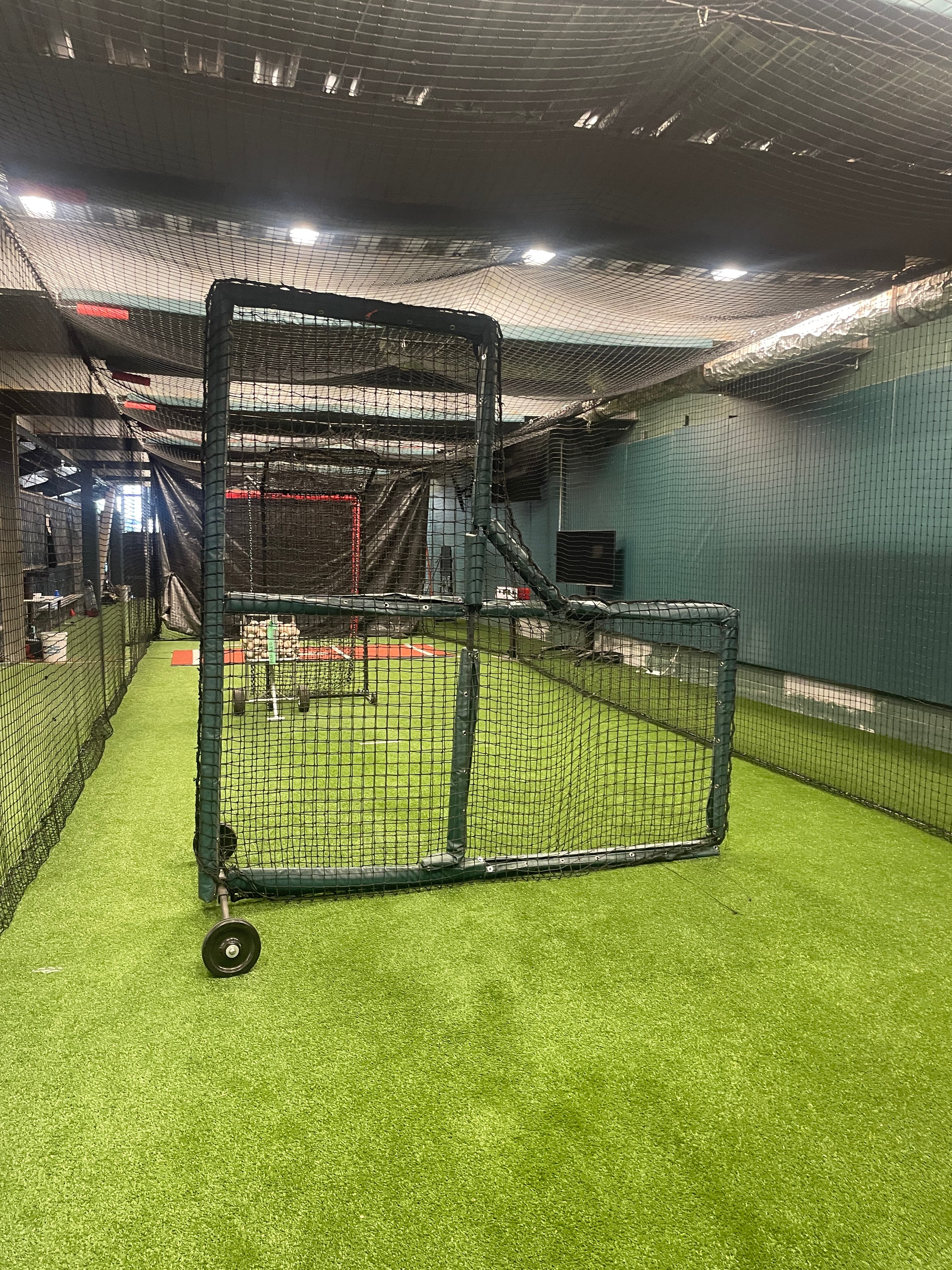
Find & Rent Batting Cages
What You Actually Get at a HitTrax Cage in Dick's Sporting Goods
Dick's runs two different services in the same HitTrax cage, and they cost very different amounts. Here is what you get, what it costs, and when a real cage is the better call.
Find & Rent Batting Cages
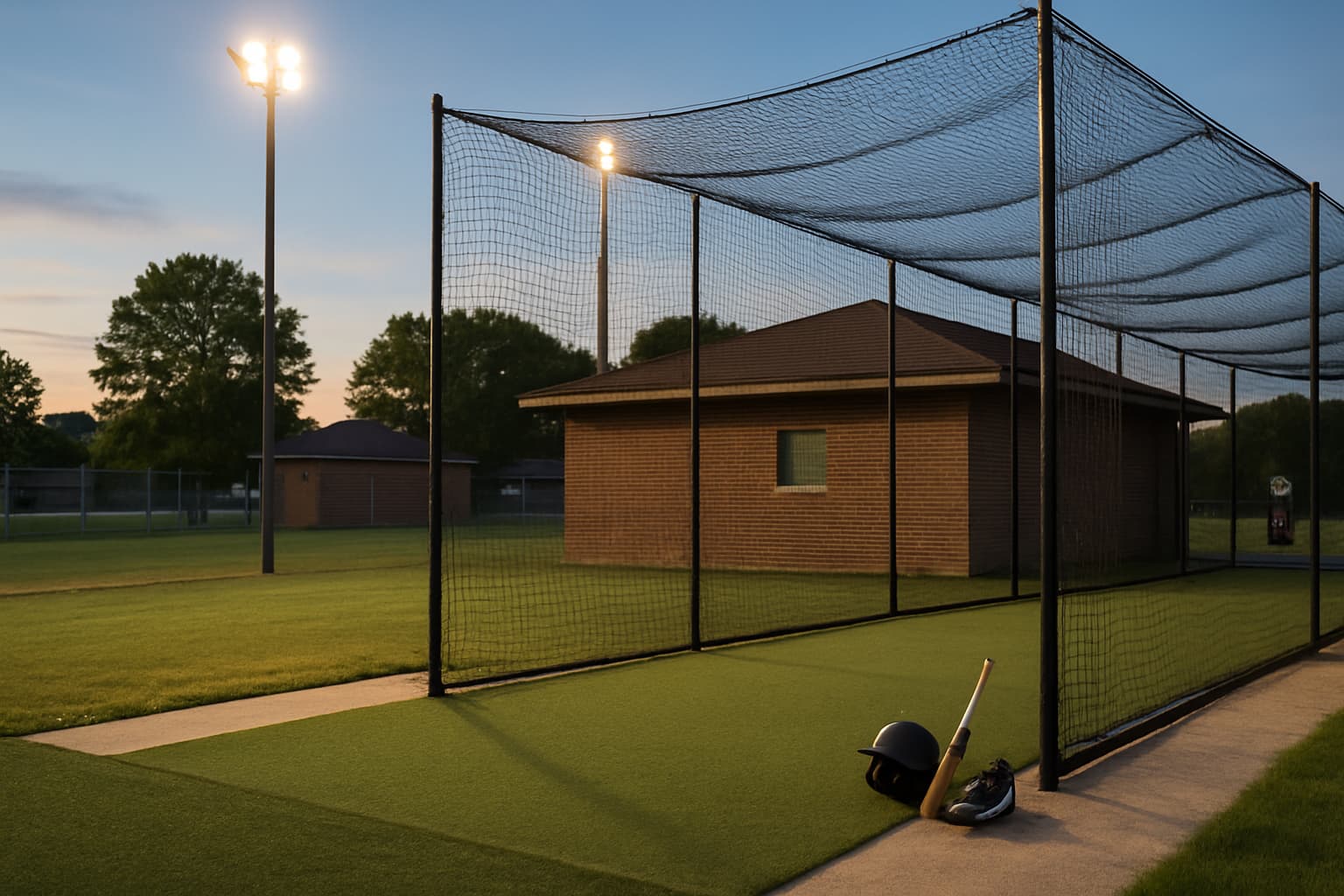
Renting a Batting Cage for the First Time: What to Expect
Booking your first batting cage? Here is what to expect start to finish: how booking works, what to bring, cage etiquette, and how to get the most from your hour.
List Your Cage
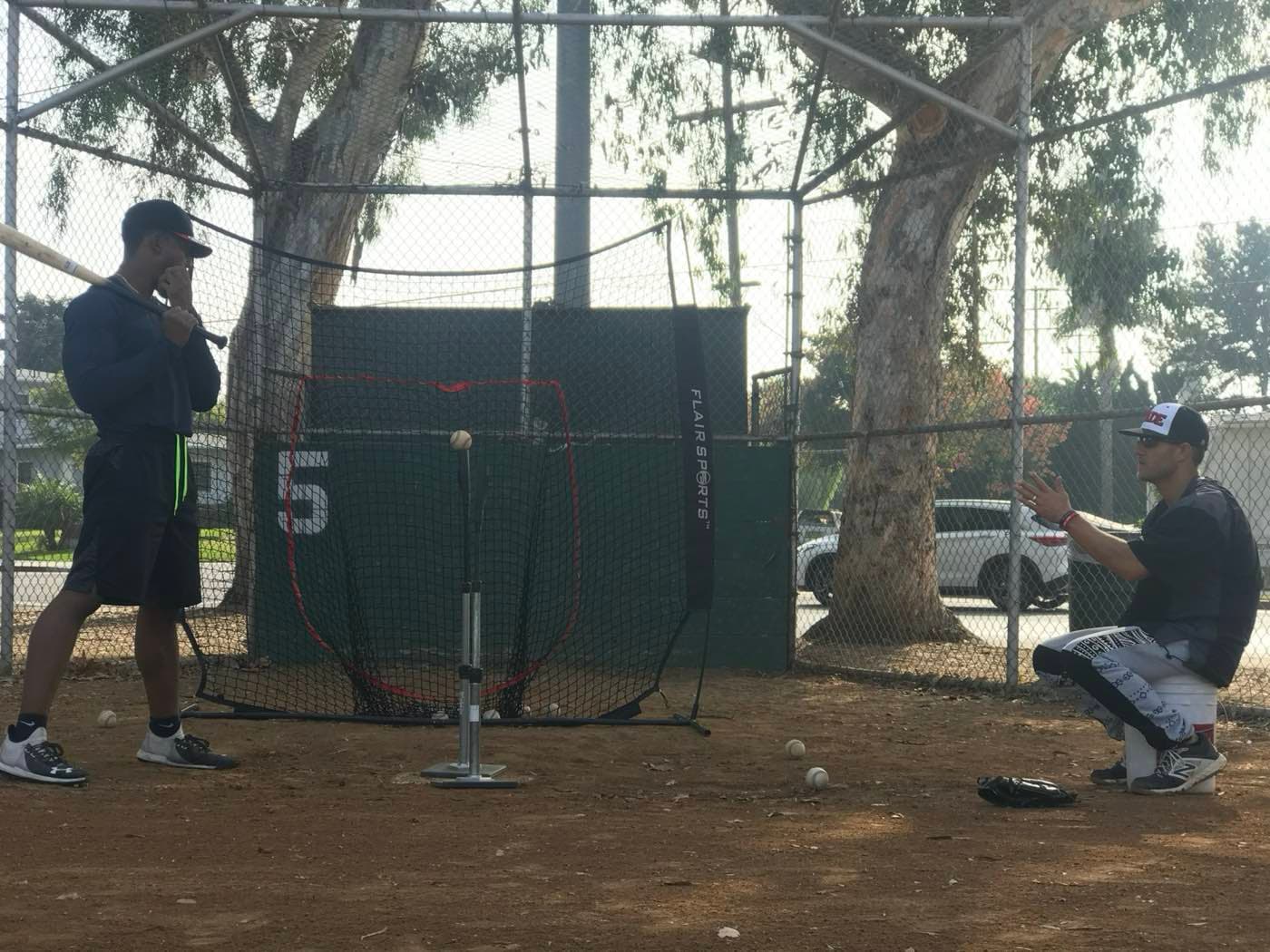
Can Your Little League Rent Out Its Batting Cage?
Most leagues own a cage that sits idle most of the year. Opening it up is usually allowed — it depends on who owns the ground, what your use agreement says, and what your liability policy covers. Here is how to check all three.
Run a travel team? Get your free page.
Baseball or softball. Claim a free directory page, post tryouts, and share cagelist.com/@yourteam with families.
Find your league
Free directories of real leagues and clubs near you — then book a batting cage to get your reps in before opening day.
1,000 organizations
Join the backyard batting cage community
Talk builds, gear, hosting and player development with cage owners, coaches, parents and baseball families.