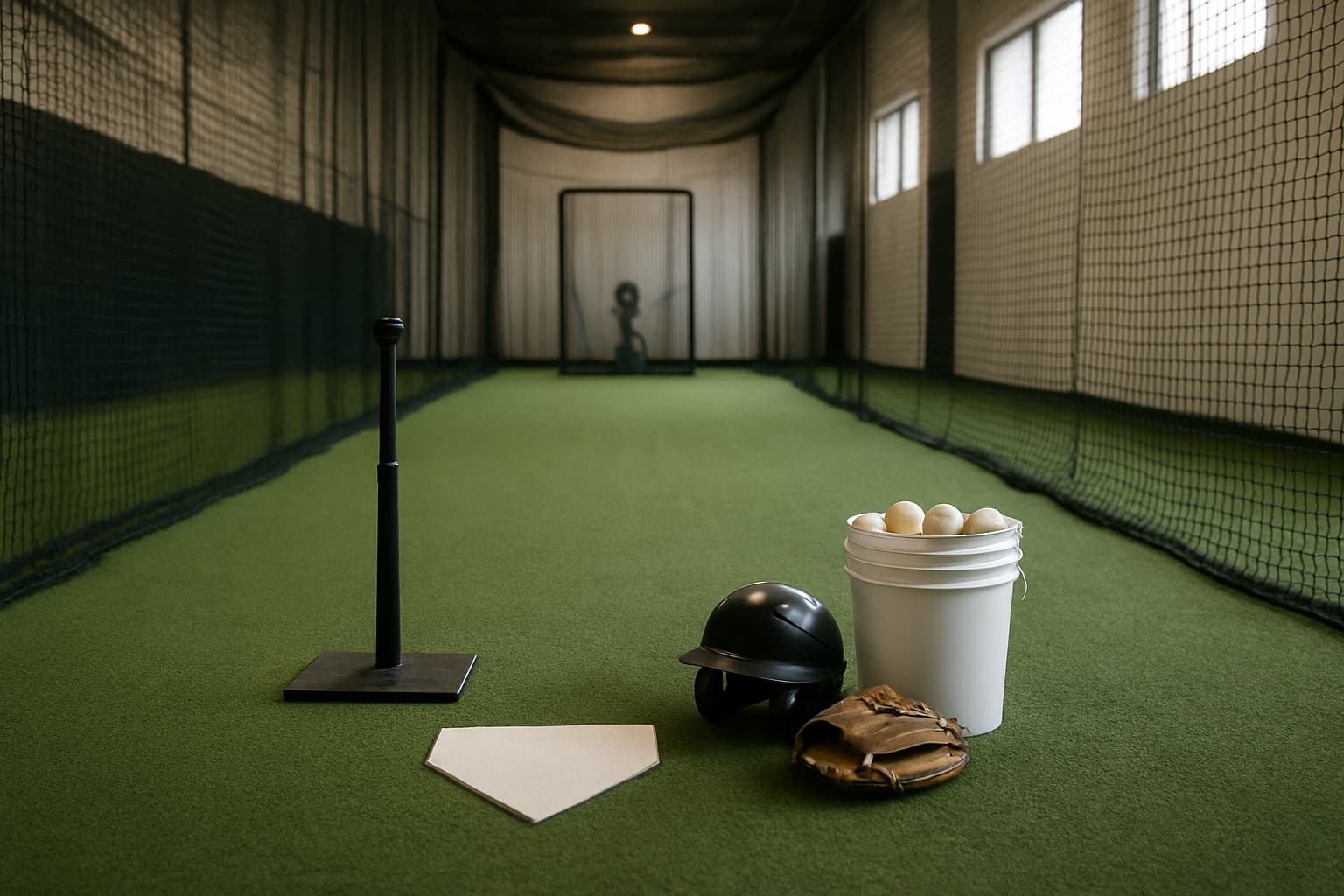
Austin has one of the most active youth baseball scenes in Texas (over 40 recreational and travel leagues across the metro) but finding a quality batting cage with open availability when your player actually needs it is a different story. Here's what your real options look like, and where private hourly rentals fit in.
The Austin Batting Cage Problem
The Austin metro has grown fast. Round Rock, Cedar Park, Pflugerville, Georgetown, and Kyle have added tens of thousands of families, many of them deeply involved in youth baseball and softball. What hasn't kept pace is batting cage infrastructure. Commercial facilities are spread thin across a sprawling metro, and the ones that exist get hammered from February through June when travel ball season peaks and every team is chasing reps before tournaments.
You'll also run into the classic token-cage problem: machines set to one speed, 20-pitch cycles, and a line behind you. If your kid is working on a specific pitch type, timing against off-speed, or just needs 200 focused cuts without interruption, a token cage isn't the answer.
Your Three Main Options in Austin
1. Commercial cage facilities
Austin has a handful of indoor batting cage complexes scattered across the metro, a few near Round Rock, some in Cedar Park and Pflugerville. Token cages run roughly $1–$2 per token (15–20 pitches each). Reserved bay rentals where offered typically run $30–$60/hour. Most are busiest on weekday evenings and Saturday mornings, exactly when your player has time.
Upside: No advance booking required for walk-in token cages. Easy to find via search.
Downside: Shared space, fixed machine settings, inconsistent equipment maintenance. During peak travel ball season (March–June), reserved bays book out days in advance.
2. Baseball academies and training centers
Austin has a solid crop of private baseball academies, particularly in the 183/620 corridor, North Austin, and South Austin near the growth corridors. Many have quality pitching machines, turf, and L-screens built for serious development work. A few rent open cage time to non-members.
Upside: Better equipment, coaching staff nearby, proper training environment.
Downside: Primarily structured around lessons and memberships. Open bay access is inconsistent and often limited to off-peak hours. Expect $50–$100/hour where it's available at all.
3. Private backyard cage rentals on CageList
Austin's sprawling residential footprint (especially in suburbs like Round Rock, Cedar Park, Georgetown, and Kyle) means a lot of baseball-serious homeowners have built solid setups on their properties. CageList connects those hosts with players and families who need private, bookable cage time by the hour.
Upside: Completely private session. You control the pitching machine speed, the session length, and the pace. Many Austin-area hosts have invested in dual-wheel machines, proper netting, turf, and lighting. Prices typically run $25–$60/hour, often less than a commercial reserved bay for a dramatically better experience.
Downside: Listings are growing but not yet on every corner. Checking multiple suburbs (Round Rock tends to have more residential space for setups) broadens your options.
Find Private Batting Cages Near You
CageList connects you with private backyard batting cage owners in your area who rent by the hour. No waiting. No crowds. Just you, your machine settings, and focused reps.
Search Batting Cages Near You →Where to Find Cages Around Austin
The Austin metro is big. Here's a rough breakdown of where cage options tend to concentrate:
- Round Rock: The densest suburb for youth baseball infrastructure. Home to Dell Diamond (Round Rock Express) and multiple league complexes. Private hosts in Round Rock often have well-built setups because the baseball culture here is serious.
- Cedar Park / Leander: Fast-growing northwest corridor with a strong travel ball presence. Several academies here; private hosts emerging as neighborhoods mature.
- Pflugerville: East of Round Rock, more affordable housing means bigger yards. Good place to look for backyard cages with more space.
- Georgetown: Growing rapidly. A bit further north but worth checking, residential lots are larger and travel ball families are moving here in numbers.
- Kyle / Buda: South of Austin, the growth corridor down I-35 has brought serious baseball families. Still developing in terms of private hosts but the demand is there.
Austin's Climate: A Year-Round Outdoor Advantage
This is one of the real advantages of training in Austin. Winters are mild. January lows average in the low 40s, and hard freezes are short-lived. Outdoor cages are typically usable 10–11 months a year. That's a huge deal for player development compared to markets where outdoor cage time shuts down from November through March.
The tradeoff: Austin summers are brutal. July and August highs regularly hit 100°F+. If you're booking outdoor cage time in midsummer, go early morning (before 9am) or late evening. Many hosts with covered or shaded setups note that in their listings, filter for covered or shaded cages if you're booking July–August sessions.
The sweet spot for Austin outdoor cage time is September through May. Spring (February–May) is peak season, travel ball is in full swing, high school ball is active, and UT Longhorns baseball draws attention to the sport across the metro. Book ahead during this window.
Austin's Baseball Culture
The UT Longhorns program at LFGC is one of the most storied in college baseball, and that creates a baseball-literate population in Austin that takes player development seriously. Travel ball is massive here; organizations like Austin Aces, Texas Stix, and various USSSA programs run rosters from 8U through 18U and compete regionally and nationally.
That culture filters down to families investing in backyard setups. When a household has a kid seriously pursuing baseball, building or buying a cage becomes a practical decision, not a luxury. CageList hosts in Austin are typically those families, people who understand the game and have built something worth renting.
What to Look For When Booking
When browsing Austin-area listings on CageList, prioritize these factors:
- Pitching machine type: Dual-wheel machines (JUGS, Hack Attack, First Pitch) are significantly better than single-arm or spinner machines. Hosts usually specify this.
- Surface: Turf or artificial surface beats dirt or grass for consistent footing and clean grounders.
- Shade or cover: Critical for summer bookings. A covered cage or canopy makes a meaningful difference in July.
- Session minimums: Most Austin hosts rent in 1–2 hour blocks. Confirm what's included, balls, helmets, batting tees.
- Reviews: Even a few reviews tell you whether the host is responsive and whether the setup matches the photos.
Frequently Asked Questions
How much do batting cage rentals cost in Austin?
Private cage rentals on CageList in the Austin area typically run $25–$60 per hour depending on the setup quality, equipment included, and location. Commercial facilities with token cages cost $1–$2 per token (about 15–20 pitches). Reserved bays at training facilities where available run $40–$100/hour.
Are outdoor batting cages usable year-round in Austin?
Mostly yes. Austin's winters are mild enough that outdoor cages are typically accessible October through May without weather concerns. Summer (June–August) is the tricky window, heat is extreme, so book early morning or evening slots. Covered cages are worth seeking out if you're training in midsummer.
What areas around Austin have the most batting cage options?
Round Rock has the strongest concentration of baseball infrastructure overall. Cedar Park, Pflugerville, and Georgetown are growing quickly in terms of both youth programs and private hosts. If you're not finding availability in one suburb, expanding the search radius by 10–15 miles usually opens up more options.
Can I rent a cage for a team practice or small group?
Many CageList hosts in Austin accommodate small groups, typically 3–6 players in a team practice format. Check each listing's details for group policies and whether the host allows multiple batters rotating through. Some hosts have additional space (turf areas, backstop setups) that work well for team reps.
Keep exploring on CageList
Book a batting cage near you
CageList helps players, parents, coaches, and teams find private cage time without the runaround.
Related Guides
View all articles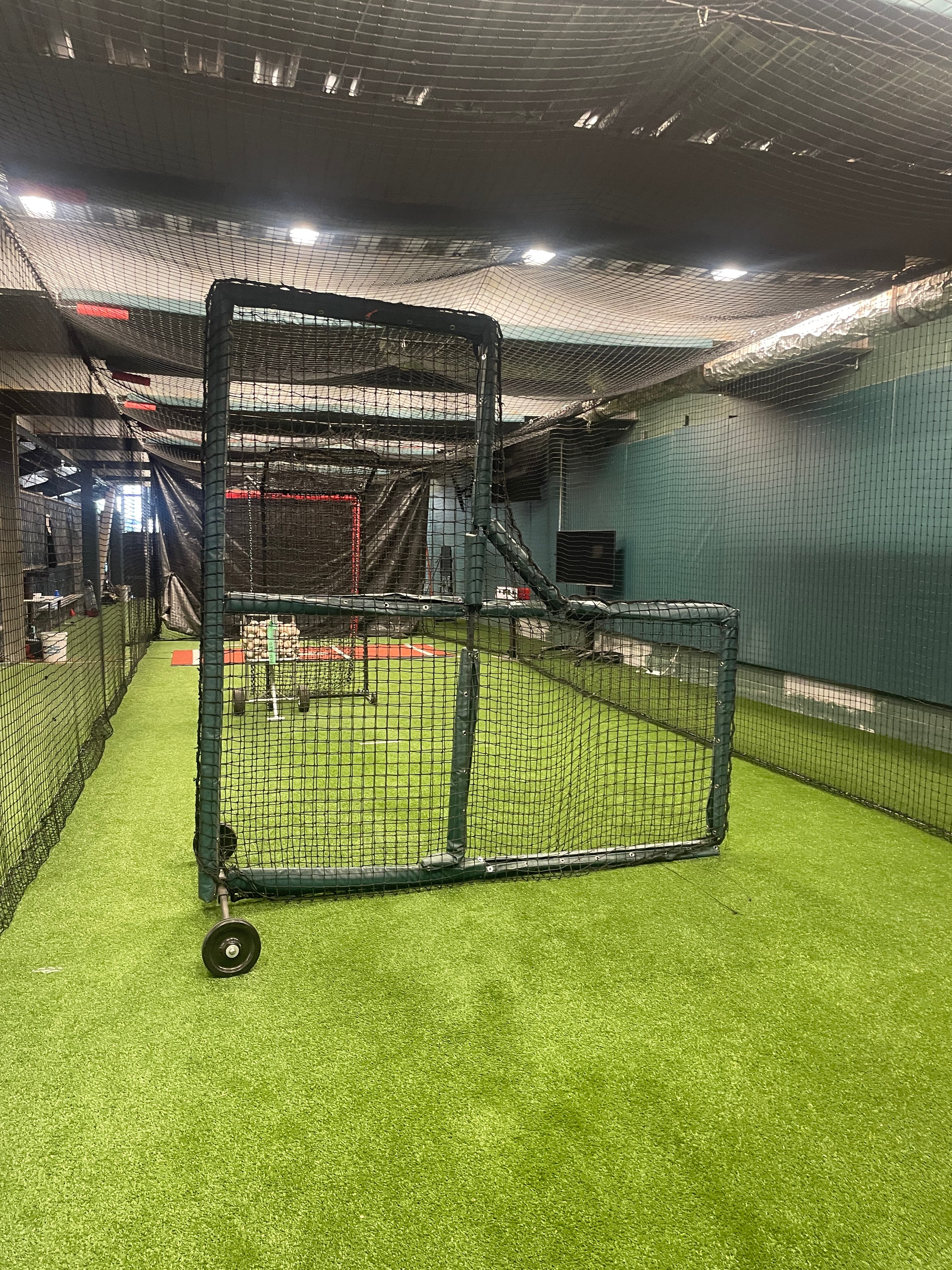
Find & Rent Batting Cages
What You Actually Get at a HitTrax Cage in Dick's Sporting Goods
Dick's runs two different services in the same HitTrax cage, and they cost very different amounts. Here is what you get, what it costs, and when a real cage is the better call.
Find & Rent Batting Cages
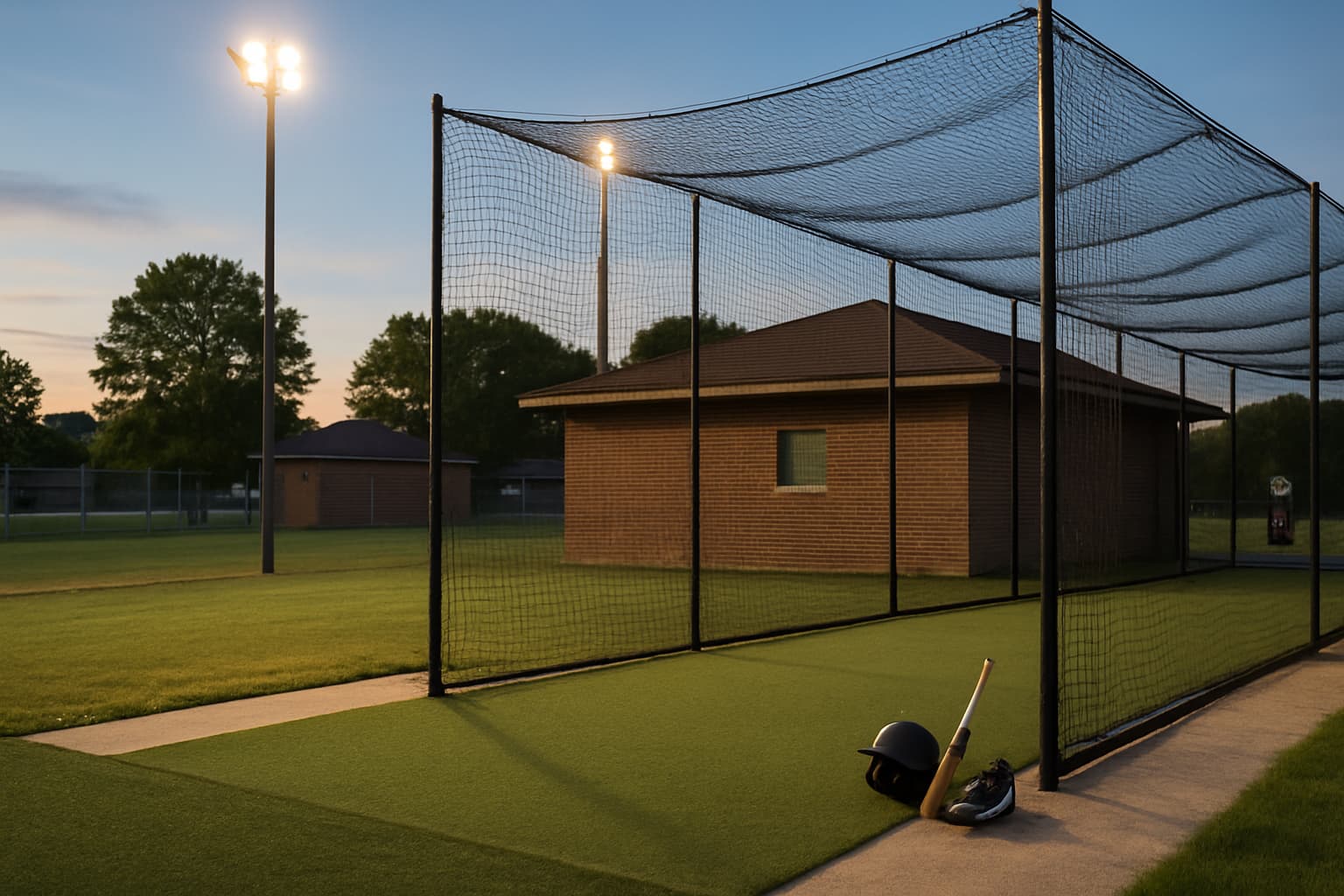
Renting a Batting Cage for the First Time: What to Expect
Booking your first batting cage? Here is what to expect start to finish: how booking works, what to bring, cage etiquette, and how to get the most from your hour.
List Your Cage
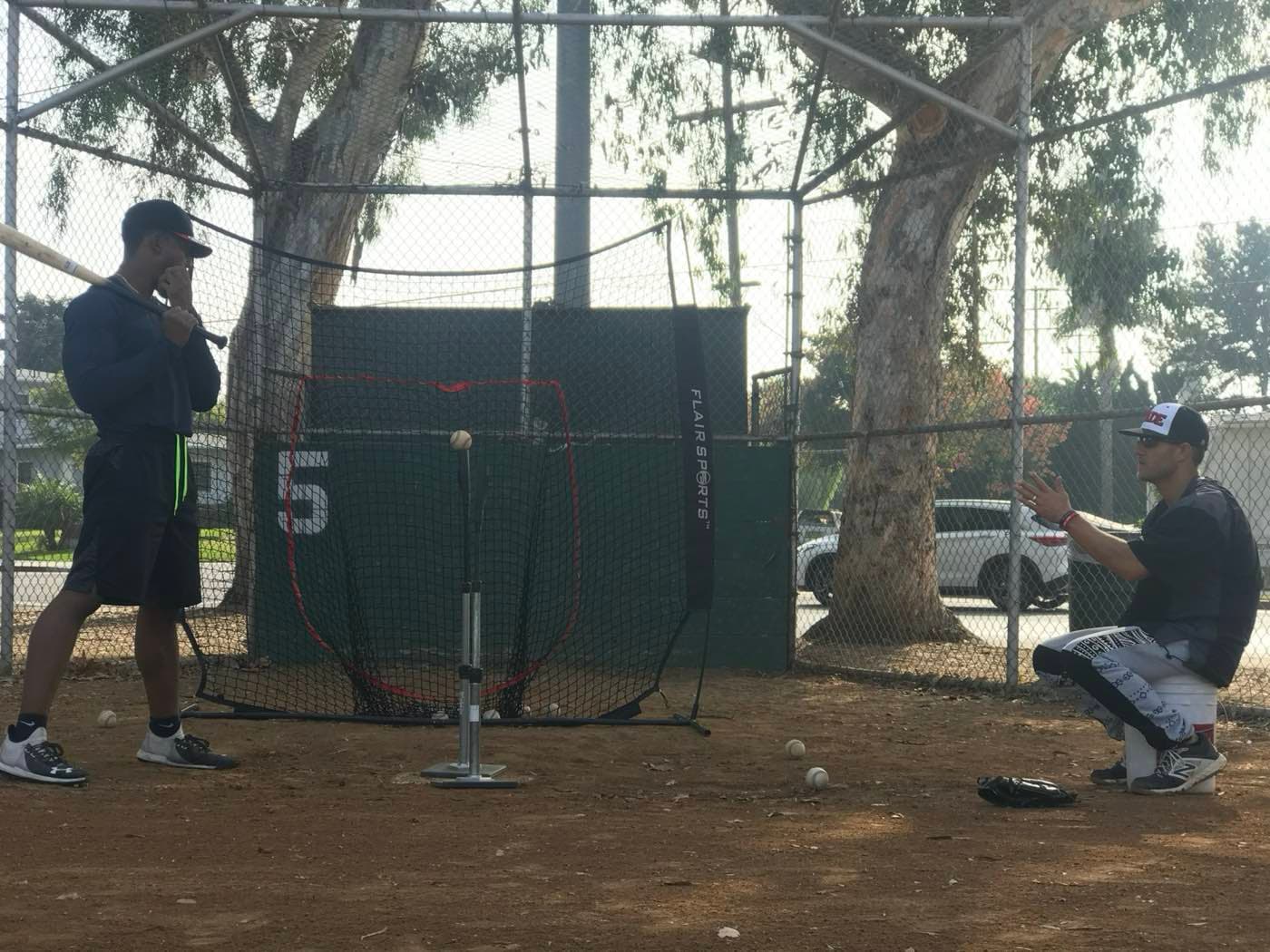
Can Your Little League Rent Out Its Batting Cage?
Most leagues own a cage that sits idle most of the year. Opening it up is usually allowed — it depends on who owns the ground, what your use agreement says, and what your liability policy covers. Here is how to check all three.
Run a travel team? Get your free page.
Baseball or softball. Claim a free directory page, post tryouts, and share cagelist.com/@yourteam with families.
Find your league
Free directories of real leagues and clubs near you — then book a batting cage to get your reps in before opening day.
1,000 organizations
Join the backyard batting cage community
Talk builds, gear, hosting and player development with cage owners, coaches, parents and baseball families.