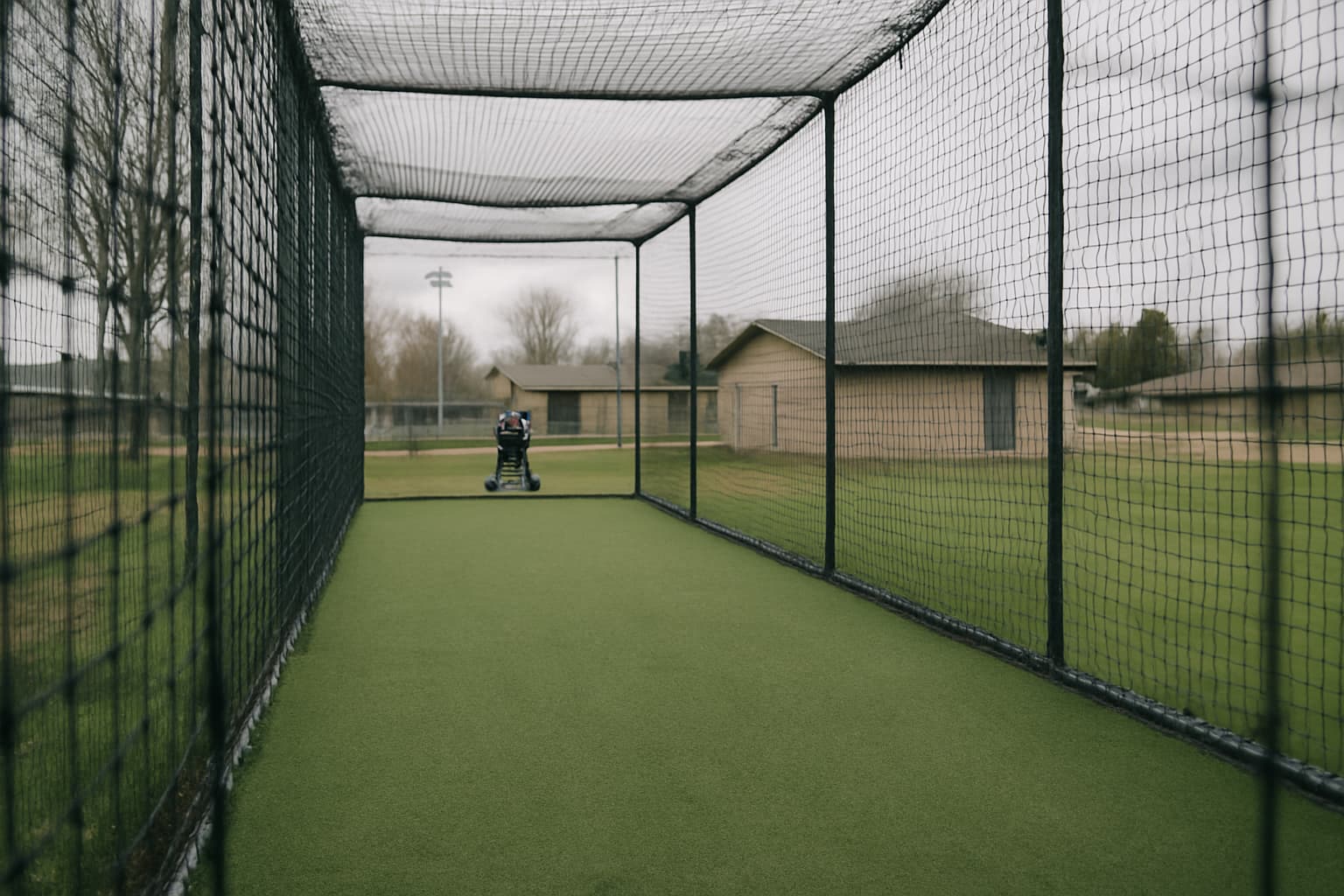
Every serious baseball family eventually faces this question: buy a cage or keep renting? There is no universal right answer. It depends on space, budget, usage frequency, and how long your player will compete seriously.
The Case for Owning a Backyard Cage
Always Available
Ownership eliminates scheduling. Walk outside, grab a bat, hit. For families committed to daily practice, this convenience has real value — no booking windows, no drive time, no competing for machine access.
Lower Cost Per Swing Over Time
A solid backyard setup runs $1,500–$4,000. At $45 per hour to rent, that breaks even at roughly 35–90 hours of use. Practice 3+ hours per week through a season and you are cash-positive in year one.
Downsides
- Space: A usable cage needs roughly 70 x 14 x 12 feet. Not every yard qualifies.
- Machine ceiling: Entry-level machines top out around 70 mph, fastballs only. Breaking balls require spending $2,000+ on the machine alone.
- Maintenance: Netting needs replacing every 3–5 years.
- Resale: Used cages recover 30–40 cents on the dollar at best.
The Case for Renting
Better Equipment
Premium rental facilities offer Hack Attack machines and equipment that throws breaking balls and fastballs at game speed. For pitch recognition and game-speed preparation, this beats most backyard setups.
No Commitment, No Maintenance
Someone else handles broken machines and torn netting. You book, hit, and leave. For families without yard space or uncertain about long-term commitment, renting is the practical choice.
Downsides
- Scheduling: Even with easy booking, you work around someone else's calendar.
- High-volume cost: Booking 10+ hours per month adds up fast. At that volume, ownership is usually cheaper.
Simple Decision Framework
Buy if: you have the space, practice 3+ times per week, plan to use it for 2+ seasons, and have budget for a quality machine.
Rent if: you lack yard space, practice volume is moderate, or you are still figuring out how serious your player wants to get.
Many families do both — a tee at home for daily reps, plus a rented cage with a quality machine one or two times per week for game-speed work.
CageList connects you with private and commercial cages available by the hour. No membership required.
Search batting cages near youFrequently Asked Questions
How much does a backyard batting cage cost?
A complete setup with frame, netting, and a decent pitching machine typically costs $2,500–$6,000. Budget setups start around $800 but involve meaningful machine quality trade-offs.
How much does batting cage rental cost per hour?
Private cage rentals on CageList typically range $25–$100 per hour depending on location, machine quality, and amenities.
Can I rent out my backyard cage to offset costs?
Yes — many cage owners list on CageList to generate $500–$1,500 per month in rental income, often recovering their original investment within one to two seasons.
Keep exploring on CageList
- Search batting cages near you
- Browse batting cages by state
- Plan a better batting cage practice session
- See how CageList booking works
Why this belongs on CageList
Backyard Batting Cage vs. Renting: Which Makes More Sense? supports the larger goal of making CageList the default baseball and softball training resource. Helpful articles bring in search traffic, but the directory is what keeps readers moving. The best content should always help someone decide what to do next: find a cage, compare a facility, list a backyard setup, or improve a practice plan.
That connection between education and inventory is the advantage CageList has over broad review sites.
Why local cage context matters
Backyard Batting Cage vs. Renting: Which Makes More Sense? should help families make a faster decision than a broad review site can. A useful batting cage result explains what the space is best for: private reps, lessons, machine work, team practice, softball training, baseball training, or casual swings. That practice fit matters more than a generic star rating.
CageList pages should keep getting stronger as inventory grows. Every direct listing link gives readers a clearer next step and gives CageList more authority around local batting cage discovery.
Book a batting cage near you
CageList helps players, parents, coaches, and teams find private cage time without the runaround.
Related Guides
View all articles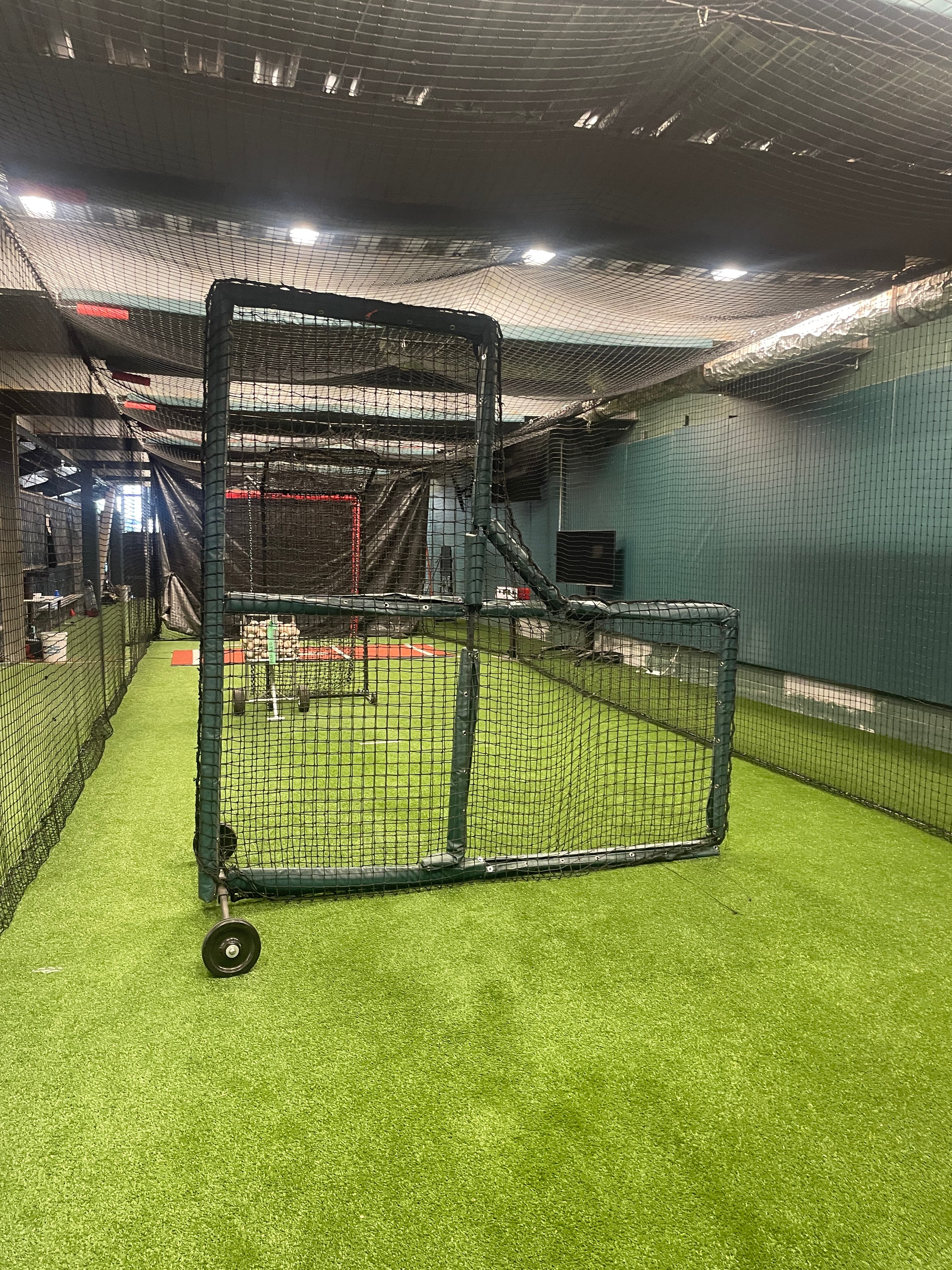
Find & Rent Batting Cages
What You Actually Get at a HitTrax Cage in Dick's Sporting Goods
Dick's runs two different services in the same HitTrax cage, and they cost very different amounts. Here is what you get, what it costs, and when a real cage is the better call.
Find & Rent Batting Cages
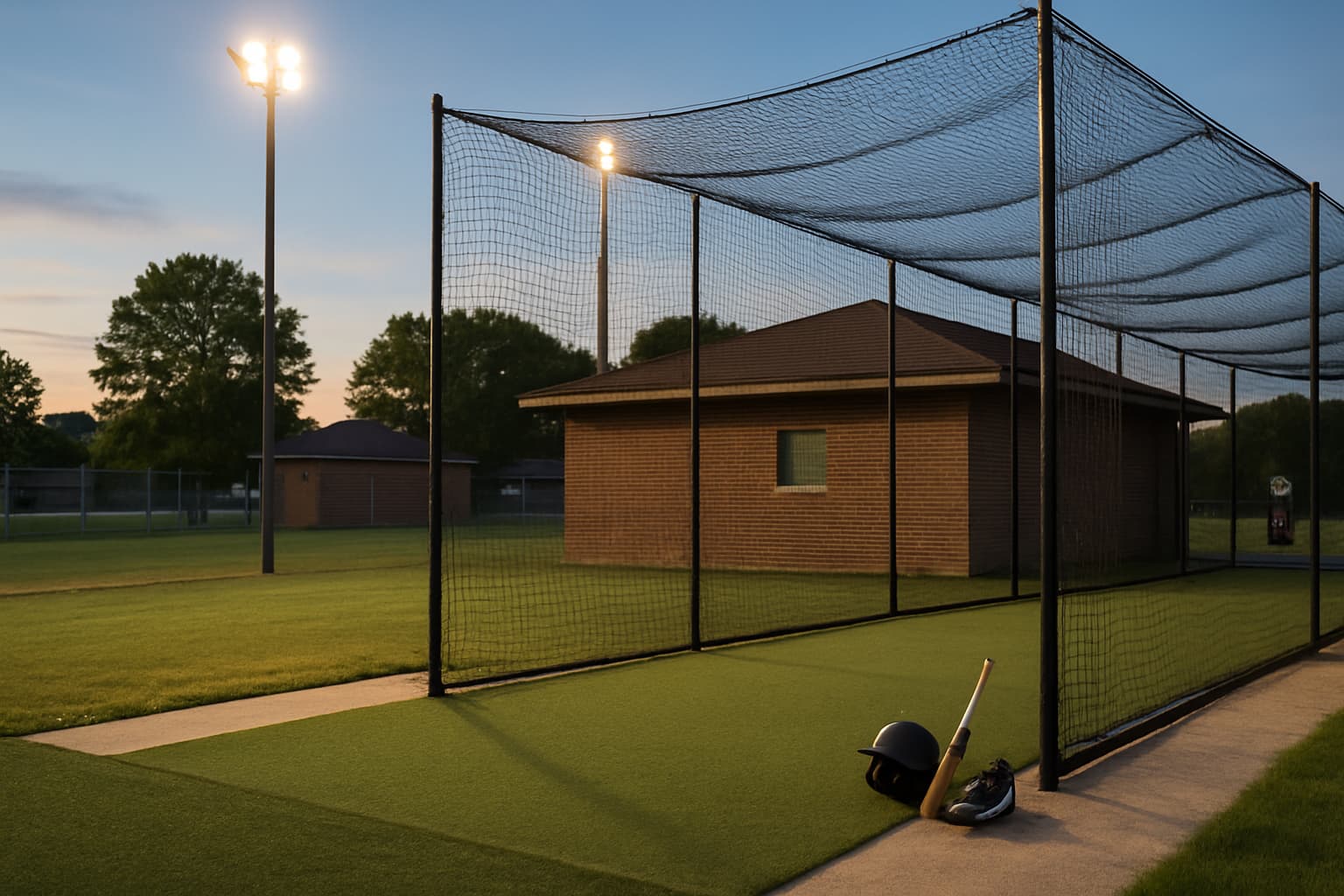
Renting a Batting Cage for the First Time: What to Expect
Booking your first batting cage? Here is what to expect start to finish: how booking works, what to bring, cage etiquette, and how to get the most from your hour.
List Your Cage
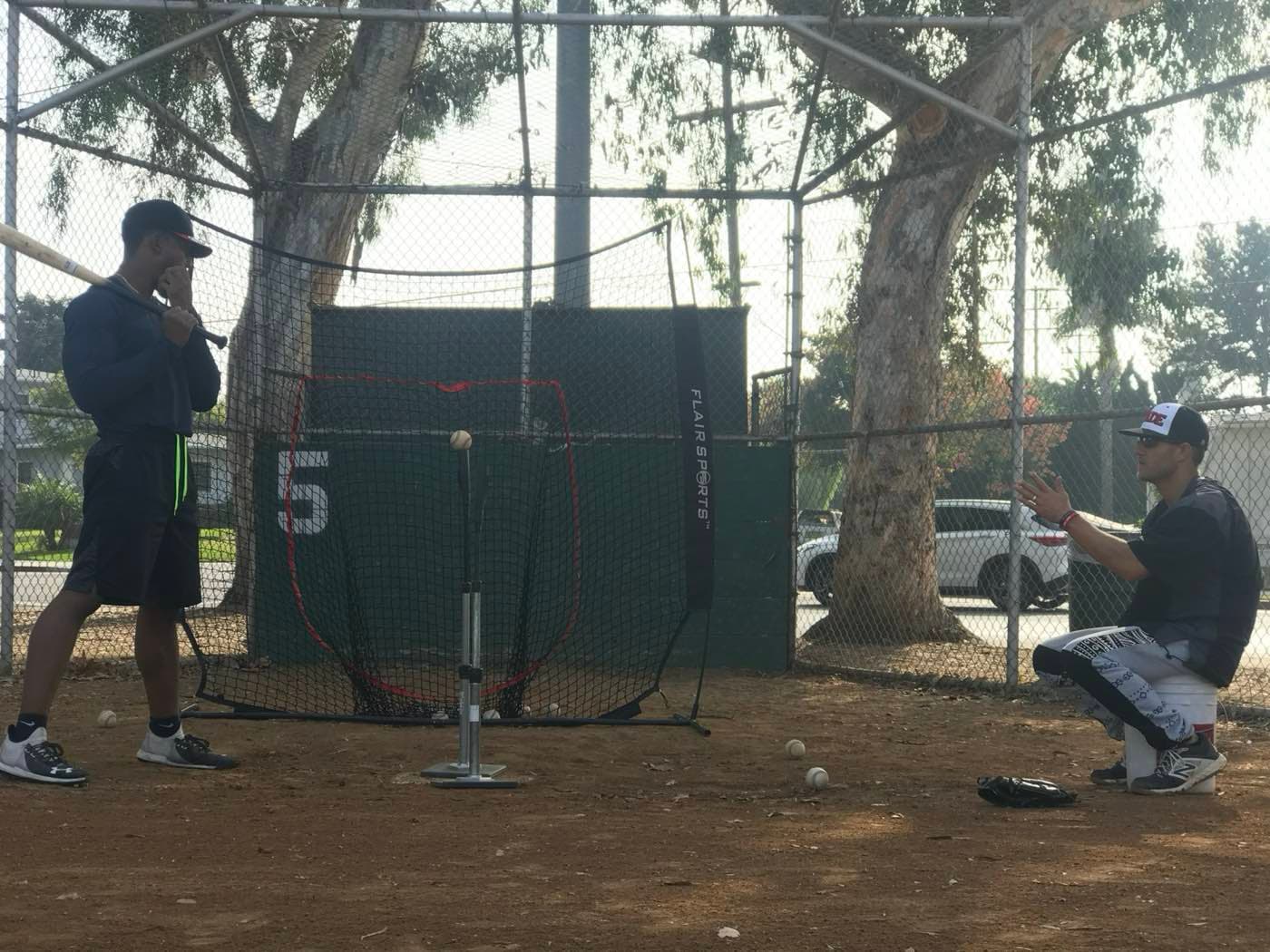
Can Your Little League Rent Out Its Batting Cage?
Most leagues own a cage that sits idle most of the year. Opening it up is usually allowed — it depends on who owns the ground, what your use agreement says, and what your liability policy covers. Here is how to check all three.
Run a travel team? Get your free page.
Baseball or softball. Claim a free directory page, post tryouts, and share cagelist.com/@yourteam with families.
Find your league
Free directories of real leagues and clubs near you — then book a batting cage to get your reps in before opening day.
1,000 organizations
Join the backyard batting cage community
Talk builds, gear, hosting and player development with cage owners, coaches, parents and baseball families.