
Tee ball gear shopping is a trap of opposites: half the advice says "they're five, buy nothing," and the store shelf says a $150 bat exists for kindergartners. The truth sits in the practical middle — a short list of right-sized gear genuinely helps a small kid fall in love with hitting, and everything else is upholstery. Here's the list, with sizes.
The Bat: Where Sizing Actually Matters
Tee ball bats run 24–27 inches and are built ultra-light (drop -10 to -14) for USA Tee Ball certification — check your league's stamp requirement before buying. The sizing test beats every chart: the player holds the bat handle-down at their side; if it brushes the ground standing tall, it's too long. Or have them hold the bat extended one-handed for ten seconds — trembling means too heavy. When in doubt, shorter and lighter: a five-year-old with a whippy, controllable bat learns to swing; one with a "growth room" bat learns to shot-put. $25–$50 buys everything a tee baller needs in a bat; spend more only on colors.
The Glove: Small and Soft Beats Everything
A 9–10 inch glove, as soft as you can find — pre-broken-in youth models exist precisely because small hands can't squeeze stiff leather. The classic error is the 11.5-inch "he'll grow into it" glove that a small kid physically cannot close; it teaches catching with the body and ducking, in that order. Soft, small, and closeable is the whole spec.
Helmet, Shoes, and the Rest
The helmet follows the same fit rules as every age (snug, level, certified — our helmet guide covers it) and matters more at this age because dugout attention spans put helmets on backwards. Rubber-cleat shoes help on grass but sneakers are fine for year one. Skip entirely: batting gloves (nothing to grip-protect yet), rolling bags, and anything labeled "performance." A small backpack the child can carry builds the gear habit early.
The Home Setup That Makes the Season
The single best tee ball purchase isn't gear — it's the practice tee and a dozen soft training balls for the yard ($40 total). Five minutes of tee swings on random Tuesdays outdevelops any Saturday. A pop-up net (see the small-space guide) turns any patch of grass or garage into a station. And for a treat that doubles as a leap forward: an occasional hour at a private cage lets a small kid hit in a "real" setting without the chaos of a public facility — book it once late in the season and watch the confidence arrive before the skill does.
The First-Season Timeline
Gear lands better when it arrives on schedule rather than all at once. Before the first practice: bat, glove, and helmet — the three the league requires — plus the backyard tee and soft balls. Resist buying anything else until week three; by then you'll know whether this is a one-season experiment or the beginning of something, and the kid will have opinions. Mid-season: replace what's actually failing (usually nothing) and add the small quality-of-life items — a water bottle that survives being thrown, a bag hook. Season's end is the smart shopping window: next spring's glove a size up at end-of-season prices, and an honest assessment of the bat against winter growth. What you should never do is buy two years ahead on the bat — a too-big bat quietly teaches a bad swing all season, and the savings evaporate in habits a coach has to un-teach later. Size for now; the used market and grandparents exist for next year.
Frequently Asked Questions
What size bat for a 5-year-old?
Usually 24–25 inches at the lightest available drop. Use the side-hang and ten-second-hold tests over age charts — and our full bat size guide covers sizing for every age group beyond tee ball.
Do tee ballers need batting gloves?
No — there's no swing volume to protect against yet. They're pure decoration at this age, which is also a fine reason if it gets a kid excited.
How much should a full tee ball setup cost?
$100–$150 covers bat, glove, helmet, and shoes done right. Add $40 for the home tee-and-balls setup that actually builds the player.
USA stamp or USSSA for tee ball?
Most rec tee ball requires the USA Tee Ball stamp. Check your league before buying — it's printed in the registration packet nobody reads.
Build a better cage setup with the right equipment
Compare cage upgrades with practical advice for nets, turf, pitching machines, balls, and safety gear.
Related Guides
View all articles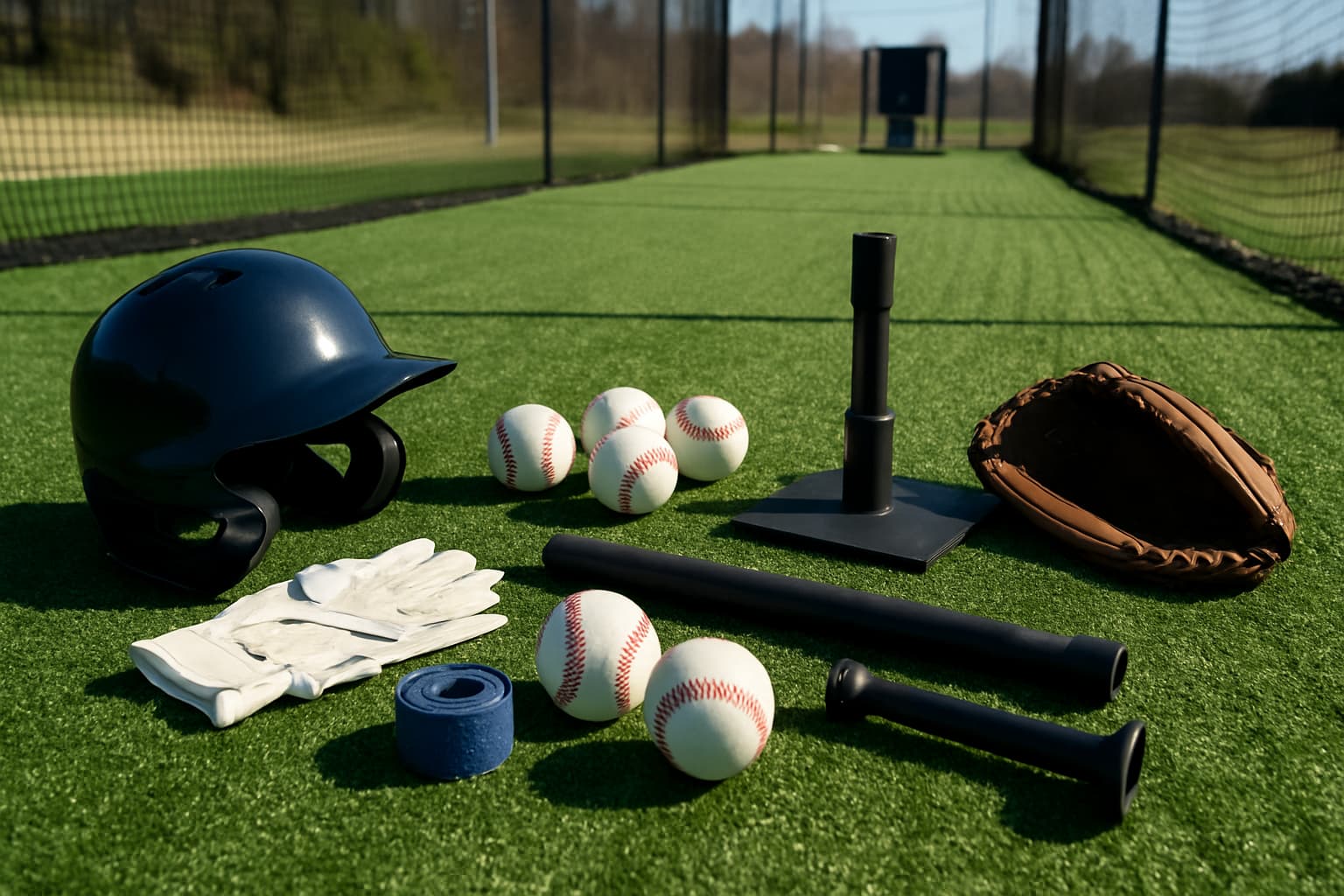
Batting Cage Equipment
SKLZ Pitching Machine Review: Worth It at $80?
The SKLZ Pitching Machine is one of the cheapest real auto-feed machines on the market. Here is an honest look at what $80 gets you, the rest of the SKLZ lineup, and how it compares to Heater Sports Crusher and Personal Pitcher Pro.
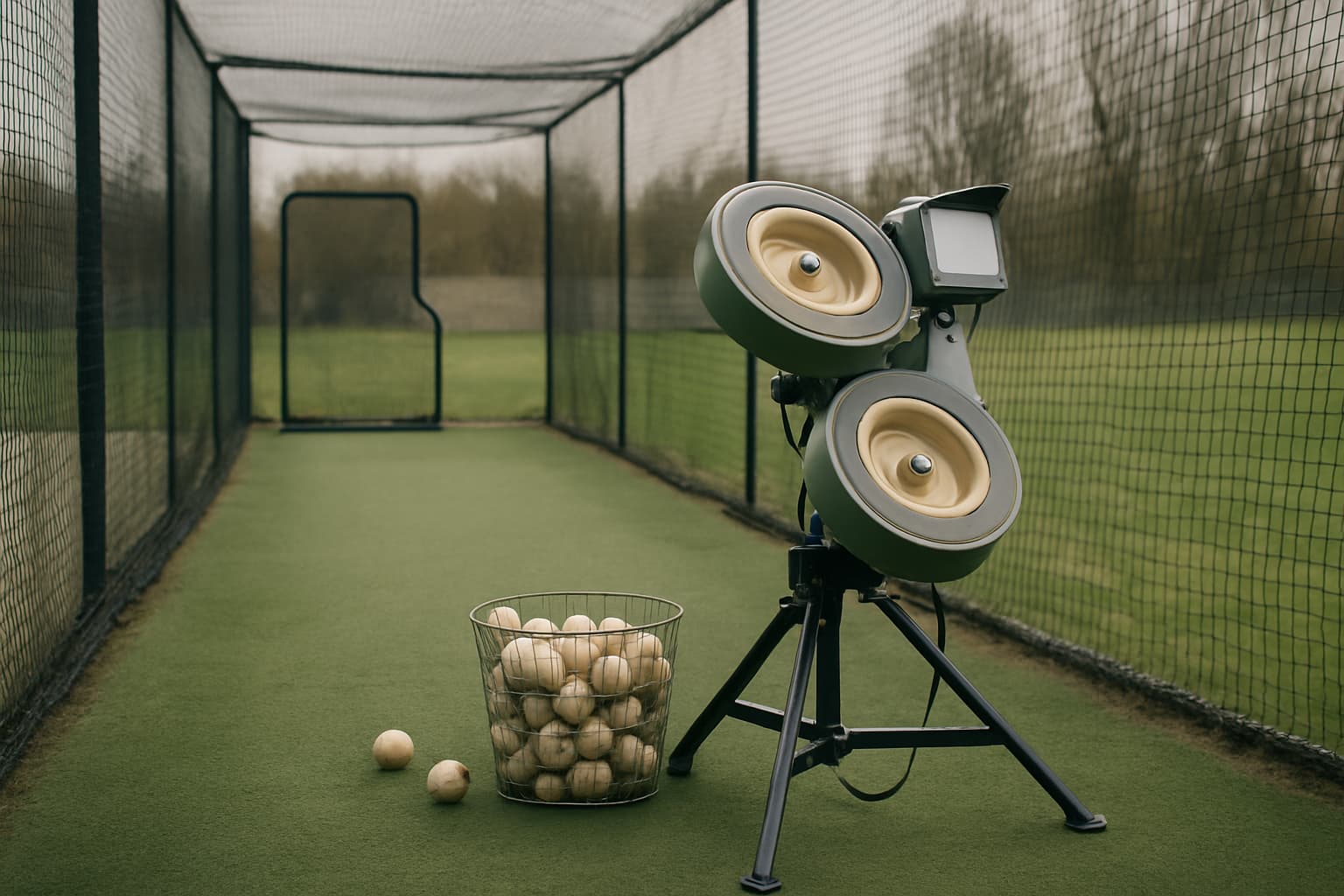
Batting Cage Equipment
Heater Sports Pro Pitching Machine Review: The Best First Machine?
The Heater Sports Pro is one of the most common first pitching machines. Here is what its ~$500 price actually gets you, and how it compares to Louisville Slugger's Blue Flame and the Zooka ZS740.
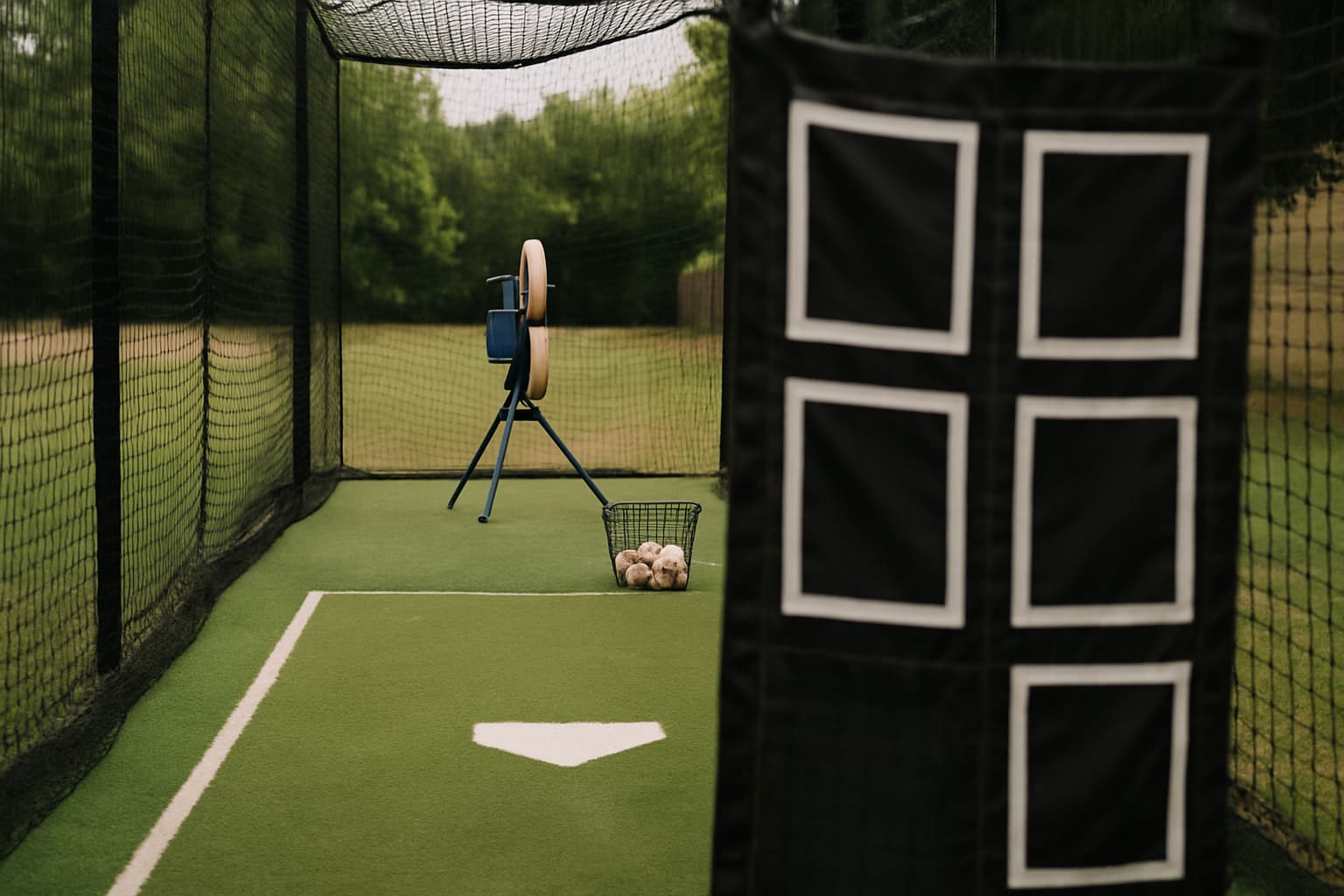
Batting Cage Equipment
JUGS BP3 Review: The Pitching Machine That Actually Earned Us a Sale
The JUGS BP3 is the first pitching machine that earned CageList a real, confirmed commission. Here is what makes it different — Grip-Tite tires, automatic changeup switching, one-dial pitch selection — and how it compares to Hack Attack.
Run a travel team? Get your free page.
Baseball or softball. Claim a free directory page, post tryouts, and share cagelist.com/@yourteam with families.
Find your league
Free directories of real leagues and clubs near you — then book a batting cage to get your reps in before opening day.
1,000 organizations
Join the backyard batting cage community
Talk builds, gear, hosting and player development with cage owners, coaches, parents and baseball families.