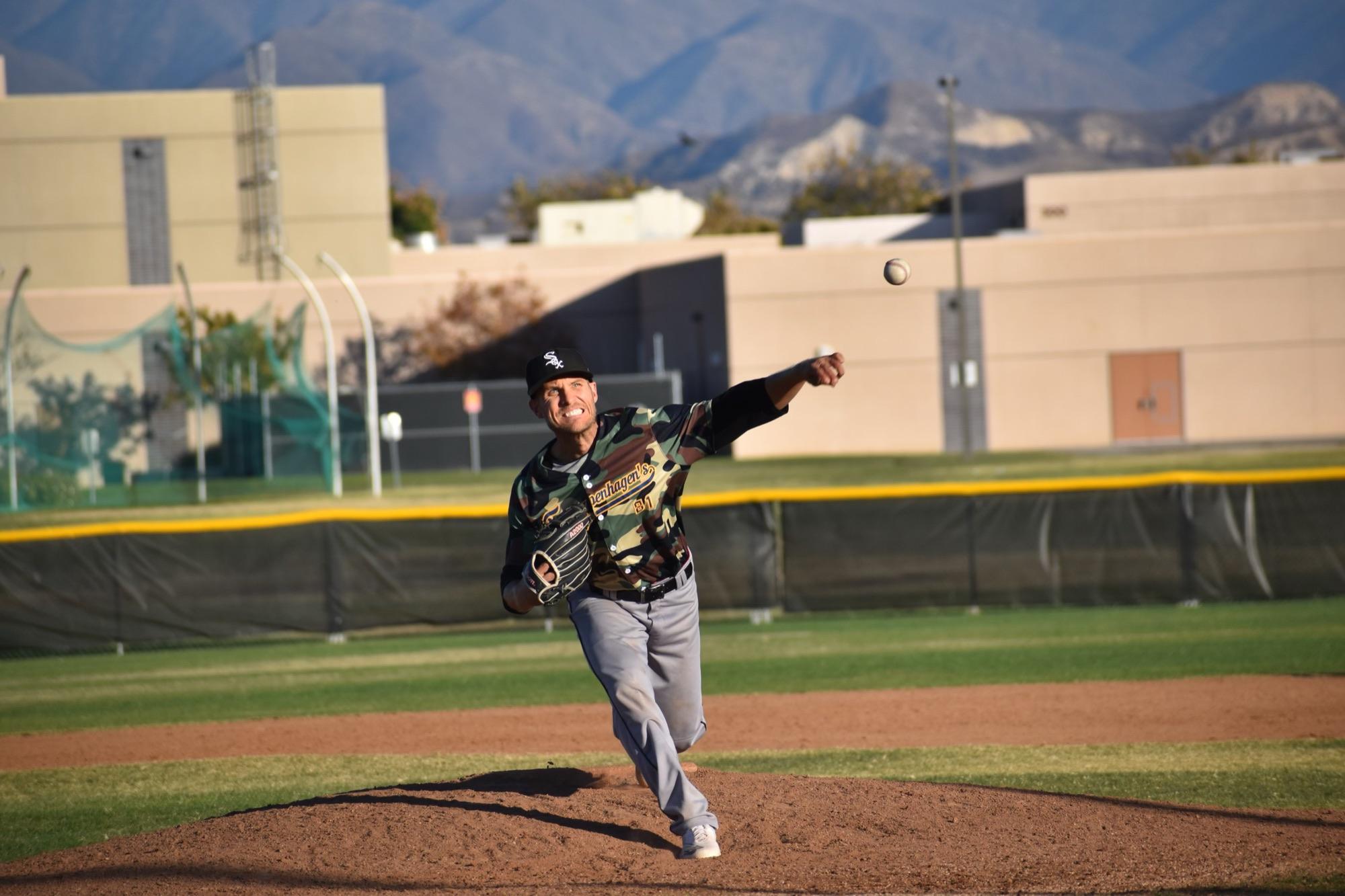
You played in high school, maybe a little in college or rec ball, and then work, a family and a few years got in the way. Now you are thinking about picking a bat back up. The honest questions are small ones. Will my arm hold up? Will I be the worst guy out there? Where do I even find a game?
This is a plain guide for the lapsed player. It covers getting your body ready, picking a level you will enjoy, and finding a league without guessing. It is general information and not medical advice. If you have not been active in a while, or you have had an injury, talk to your doctor before you start throwing.
You are not the only one coming back
Adult leagues take players of many ages. The Men's Senior Baseball League (MSBL), a nationwide amateur organization founded in 1988, serves players 18 and older, with divisions running from young adults to seniors over 80, according to Cronkite News. The same story says the league emphasizes camaraderie, sportsmanship and love of the game.
Not every league is part of MSBL, and each one can set its own age rules, bat rules and level of play. Our guide to adult baseball league types explains the common formats so you know what to look for.
Get your arm ready first
The throwing arm is where returning players most often worry, because it remembers how hard you used to throw and your tissue may not. The usual answer is patience.
A review in Sports Health on interval throwing programs, written about athletes coming back from injury, says each throwing program is, by design, progressive. It also says a satisfactory clinical examination must have been conducted before throwing starts. You may not be injured, but the idea carries over: build up in steps, and if anything hurts, get it examined before you start a throwing plan.
What that means for you in practical terms:
- Start with easy, short-distance catch, not a long toss and not a hard throw.
- Add distance and effort a little at a time, and give yourself rest between sessions.
- Do not try to throw at your old speed in the first week.
The American Academy of Orthopaedic Surgeons (AAOS) says on its OrthoInfo baseball injury prevention page to "always take time to warm up," and to seek medical care for arm pain that does not go away. That page is written mostly for youth players, coaches and parents, so treat it as a baseline and not a plan built for an adult body that has been off the field for years. The two lines worth borrowing apply at any age. Warm up properly, and do not play through pain that sticks around.
Warm up, then stretch afterward
The same AAOS page recommends slowly and gently stretching after activity, holding each stretch for 30 seconds. Before a game or practice, take a few minutes to get loose before you throw hard. A walk or light jog, then easy movement, then easy catch is a sensible order.
If you have been inactive for years, a trainer or physical therapist can tell you what your body needs before your first game, which no article can do for you.
Get your swing back before game day
You do not need to find your timing in a live game against a pitcher who throws harder than you remember.
- Take cage time. Hitting off a tee and then off a machine or soft toss is a low-pressure way to bring your hands and eyes back. Our batting cage directory shows places to hit by state.
- Take a lesson or two. A coach can look at your swing with fresh eyes. You can look through hitting lessons on CageList or browse local coaches directly.
- Find someone to throw with. The training partners page lists local players open to hit, throw batting practice and get reps in. You can filter by state and by what they are looking for.
Pick a level you will enjoy
Leagues differ in how competitive they are. Before you sign on with a team, ask a few questions.
- Is it a wood bat league or does it allow metal bats?
- What are the age cutoffs, and are there divisions for older players?
- How many games, and how often? A game every weekend is a different commitment than one every other week.
- Is there a team that needs players, or do you join as a free agent?
If you do not have a team, that is normal. Our post on finding a team as a free agent covers how solo players get placed, and the guide to joining an adult baseball league covers cost, level and what to expect on day one. Costs and rosters vary by league, so ask each one directly.
Find a league
When you are ready, start with the directory. Browse men's baseball leagues on CageList or go straight to your state, for example Florida, Arizona or Texas. Every state has its own page, and you can check the details with each league yourself.
Ready to look? Find a men's league in your state.
Why CageList exists
Men's baseball is not hidden, it is scattered. Every league runs its own site and its own registration, so if a few leagues play near you, that is a few sites to check and no easy way to tell which one has room this season. That is hard on a player coming back who just wants to know where he can play. We built the men's league directory and the free agent board to put those leagues in one place, next to the batting cages and coaches you may want while you get ready.
A simple first month
- Talk to your doctor if you have any doubt about your shoulder, elbow or back.
- Start easy catch a few days a week, adding distance slowly.
- Book a session in a cage, or one lesson, to find your timing.
- Find a training partner and play catch or throw batting practice.
- Look at leagues in your state and contact the ones that fit your age and level.
Nothing here is a guarantee against injury. The point is to be gradual and honest about where you are starting. When you are ready, browse men's baseball leagues by state.
Frequently asked questions
Am I too old to start playing baseball again?
No. MSBL, a nationwide amateur league, serves players 18 and older, and Cronkite News describes divisions that reach past age 80. Local leagues set their own rules, so check the age range of each one.
How do I get my arm ready after years away?
A Sports Health review says interval throwing programs are progressive by design, and one of them begins with short throws at 50% effort. Talk to your doctor or a trainer if you have any doubt about your arm, then build distance slowly rather than throwing hard right away.
Do I need a team before I find a league?
Not always. Some leagues take players as free agents. See our guide to finding a team as a free agent.
Where can I get swings in before the season?
Use a local batting cage, book a lesson with a coach, or find someone through training partners to throw batting practice with.
Turn the talk into reps
Every one of these comes back to the same thing: getting on the field and putting in the work. Find cage time near you and go do it.
Related Guides
View all articles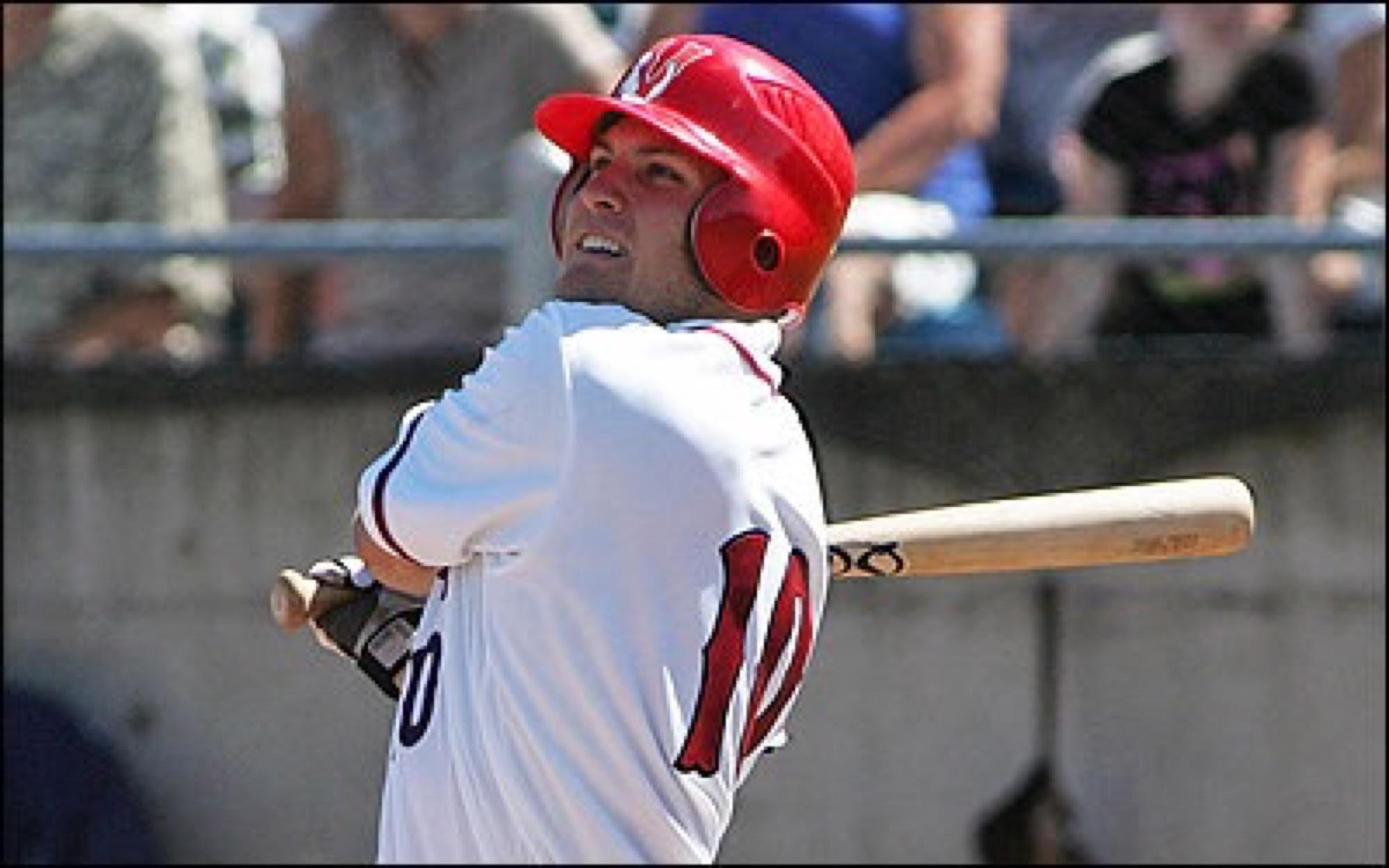
Adult Baseball League Types: Wood Bat, MSBL, Over-30
Adult baseball leagues sort players by age, bat and level. Here is what MSBL, NABA, wood bat and 30+ or 40+ divisions actually mean, and how to pick one.
5 min readRead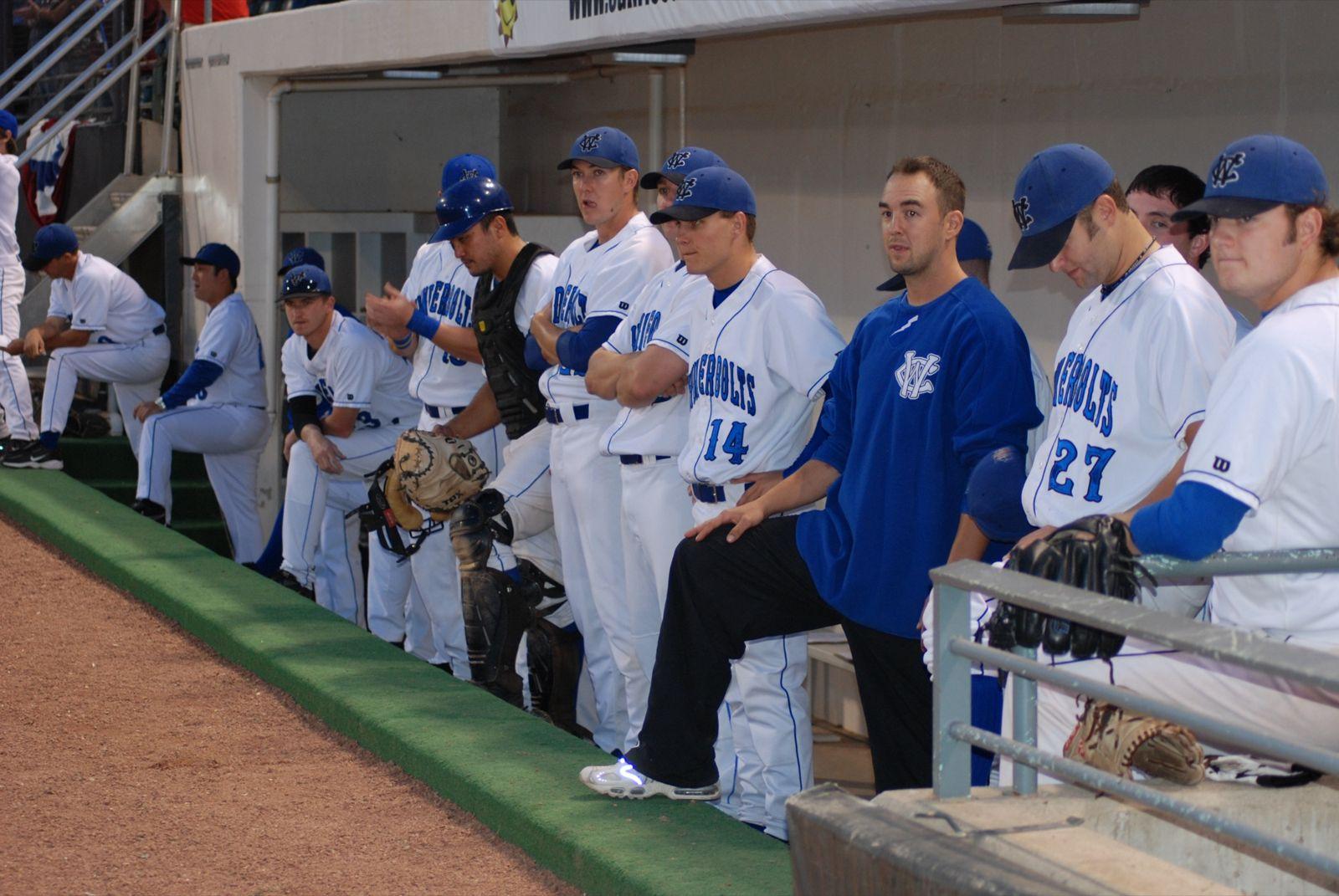
Find a Team as a Free Agent in Adult Baseball
No team, but you want to play. Where adult baseball free agents get picked up, how Ask to Join works, and what to put on a profile so a captain messages you.
6 min readRead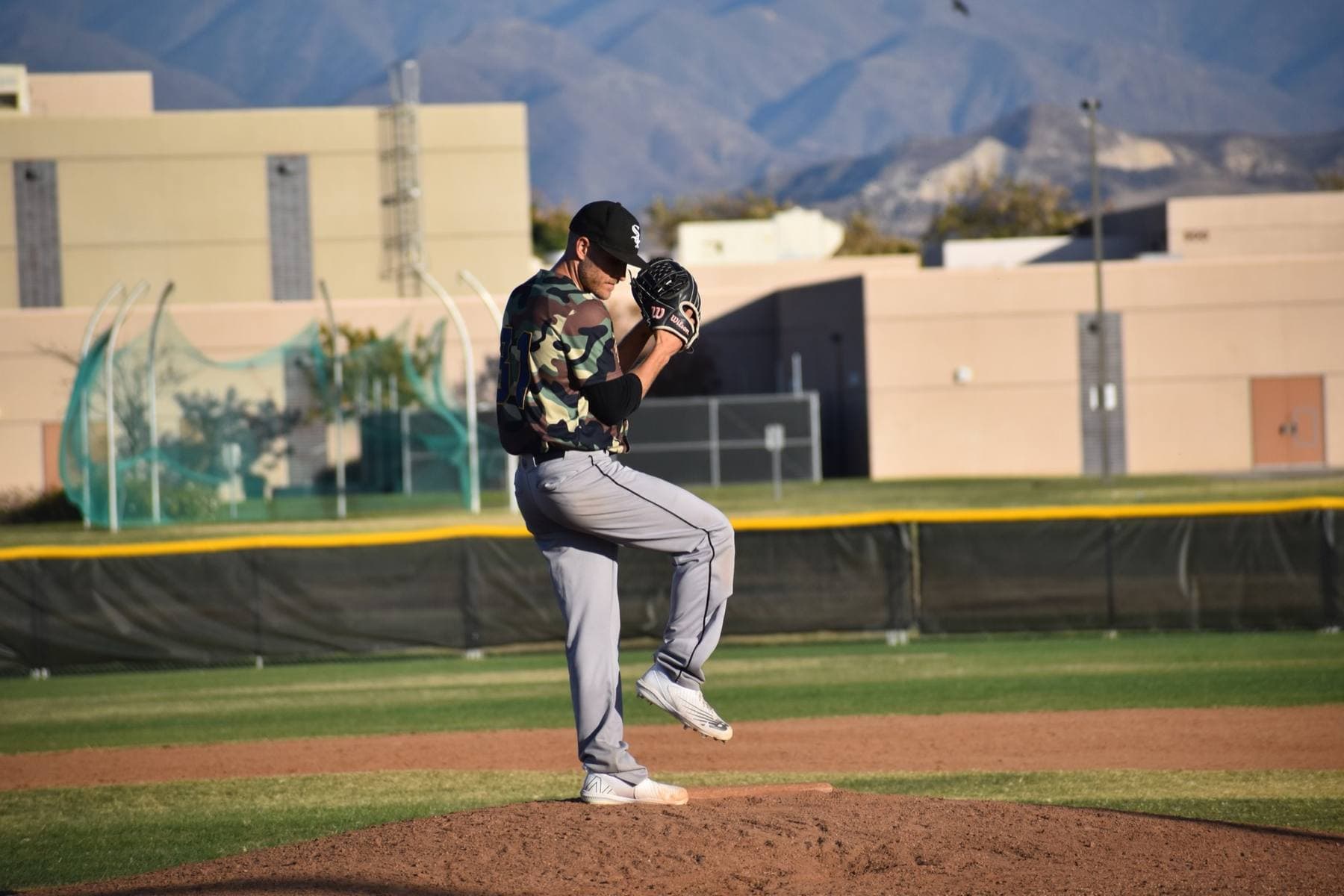
How to Join an Adult Baseball League: Costs and Levels
How to find, price and join an adult baseball league, from fees and age divisions to joining without a team and what a normal game day looks like.
7 min readRead
Run a travel team? Get your free page.
Baseball or softball. Claim a free directory page, post tryouts, and share cagelist.com/@yourteam with families.
Find your league
Free directories of real leagues and clubs near you. Then book a batting cage to get your reps in before opening day.
1,893 organizations
 leagues in 49 statesAdult hardball near you: MSBL, NABA and independent leagues.Browse men's leagues
 leagues in 49 statesYouth baseball and softball leagues, organized by state.Browse little leagues
 programs in 41 statesTravel and club programs in your region. Find one, or list yours free.Browse travel teams
Join the backyard batting cage community
Talk builds, gear, hosting and player development with cage owners, coaches, parents and baseball families.