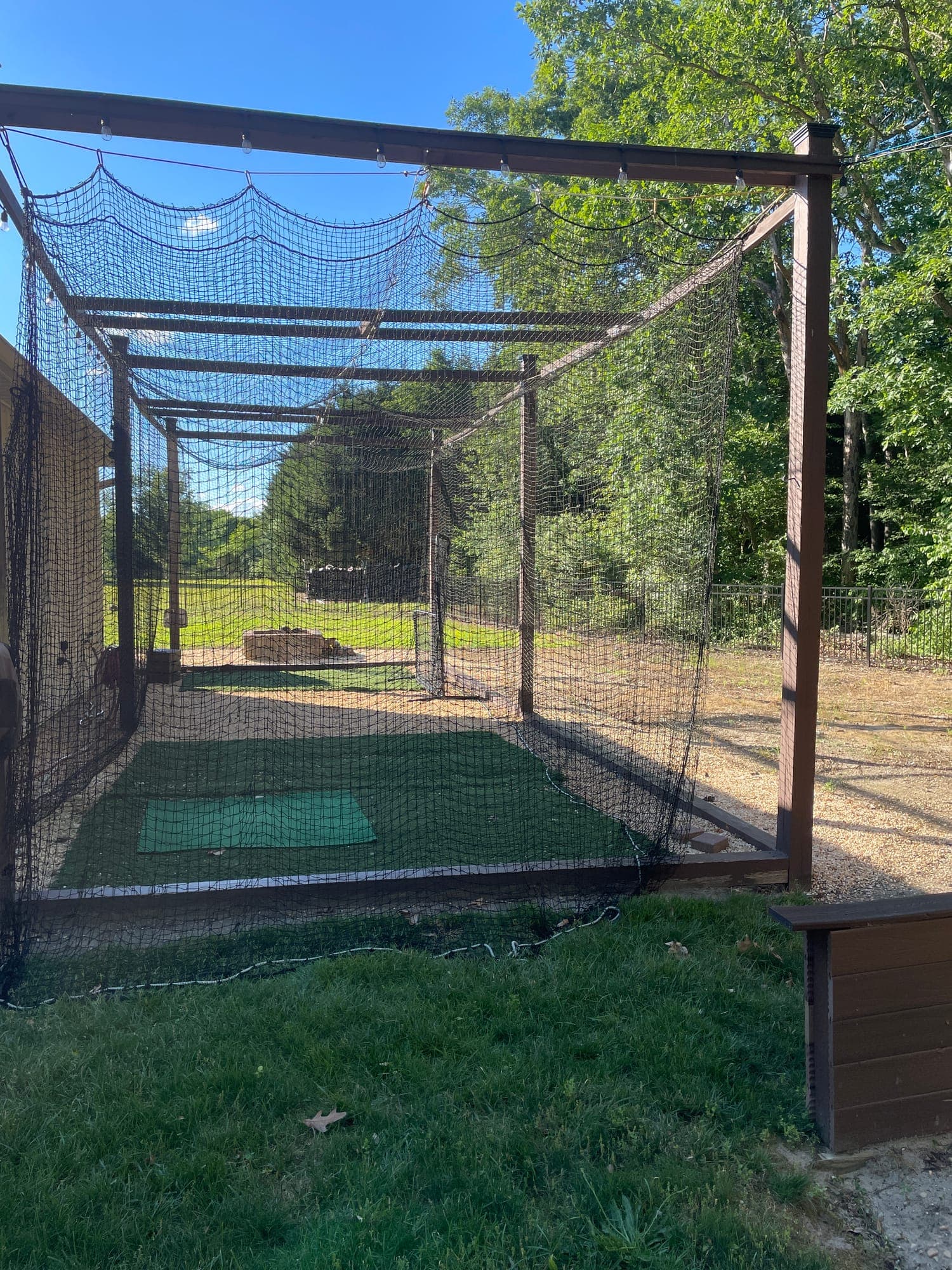
Search "build a batting cage" and you hit a wall of ads before a single honest answer. This is the honest answer: what you actually get at each price, which companies serve which buyer, and — the part nobody advertises — what a cage has to be to survive real hitters, or paying renters, for more than a season.
One thing predicts almost everything about how long a cage lasts: the netting grade, and who hits in it. The same net that gives a family five years can hole out in months once a 15-year-old is squaring up machine-speed balls every day. So the "best" cage isn't the cheapest or the most expensive — it's the one built for the caliber and frequency of the hitters who will use it. Everything below is organized around that.
The three tiers, honestly
Netting is graded by twine size — the higher the number, the thicker and longer-lasting the twine. Cheap kits use thin polyethylene (#21–#32) that bakes brittle in the sun; serious cages use UV-treated knotted polyester or poly in the #42 range and up. Here is how the market actually breaks down:
| Tier | Representative companies | Rough price | Netting | Realistic life (regular use) |
|---|---|---|---|---|
| Budget / Amazon | Gagalileo, VEVOR, KAPLER, light Cimarron kits | $100–$700 | #21–#32 polyethylene, thin frame | 2–4 years |
| Fast backyard / no-concrete | Fortress (Net World Sports), Cimarron, JUGS, Batting Cages Inc "Trapezoid" | $300–$2,300 | #36–#42 knotted, UV-treated | 5–8 years |
| Permanent / facility-grade | On Deck Sports, Beacon Athletics, Batting Cages Inc "Iron Horse," JUGS heavy nets | $2,700–$24,000 | #42–#96 knotted | 8–12+ years |
Tier 1 — Budget / Amazon ($100–$700)
The pop-together kits you find on Amazon (Gagalileo, VEVOR, KAPLER) and the lightest Cimarron nets. They are genuinely fine for young kids, tee work, and casual reps — and they get someone swinging this week for the price of a few lessons. The honest give-and-take: the netting is thin polyethylene the sun bakes brittle in two to four years, and the thin frames twist in one real storm. Buy this to start, not to rent.
Tier 2 — Fast backyard / no-concrete ($300–$2,300)
This is the sweet spot for a serious family cage. Fortress (from Net World Sports) sells complete kits from around $300; Cimarron backyard bundles run roughly $1,000–$3,000; and Batting Cages Inc's freestanding "Trapezoid" (about $1,989) stakes down with no concrete and goes up with two people in under an hour. The netting steps up to UV-treated knotted #36–#42 — a realistic five-to-eight-year net if you take it down for hard weather. You can hit real BP in these; just keep a wheeled machine out of anything not rated for it.
Tier 3 — Permanent / facility-grade ($2,700–$24,000)
On Deck Sports, Beacon Athletics, Batting Cages Inc's "Iron Horse" and "Mastodon," and JUGS heavy nets. Here you get #42 up to #60/#96 knotted netting, schedule-40 steel poles, and — at the top — concrete footings, for an eight-to-twelve-year outdoor net (longer indoors). It is overkill for a hobby cage. It is exactly right for an academy, or a backyard cage you intend to rent, where the cage now has an indoor facility's job.
What a cage you will rent actually needs
If you are going to list your cage on CageList, build one tier up from what your own kid needs — a rented cage sees strangers hitting hard, daily, closer to a commercial facility's wear rate than a hobby cage's. The floor is a #42 UV-treated knotted net, a real (steel) L-screen, proper cable tensioning, turf or a hitting mat, and lighting if you want evening bookings. Skimp on the net and you are buying refunds and liability, not saving money — but build it right and a listed cage can pay back the build.
Two traps that quietly cost owners money
- Leather balls in a wheeled machine. A Hack Attack or Jugs shreds genuine-leather balls fast, and the balls chew up the machine's wheels. Run dimpled or dense-foam machine balls, and keep leather for hand-fed BP.
- Pop-up L-screens for hard hitters. A pop-up screen is fine for soft toss and younger kids, but once a 13-and-up bat is on machine-speed balls it is a safety gap, not just a durability one — step up to a steel-frame L-screen.
Where to start
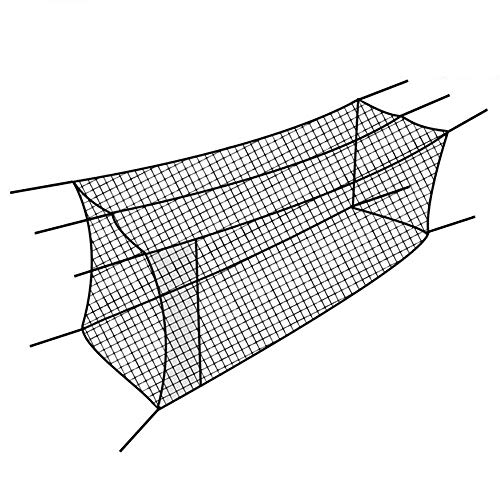
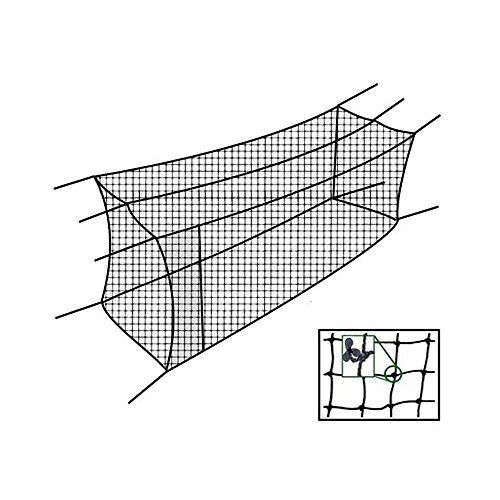
If you just want to start swinging this weekend, our Backyard Starter Kit is the cheapest honest way in — two nets, a tee, a mat, a screen, and balls. When you are ready for a real tunnel with a machine, the Serious Backyard Cage kit is the rent-ready build. You can also browse all our gear picks, or find a cage to rent near you while you plan yours.
How we rank — and how we make money
We earn a commission on some of the gear we link, but we rank by what actually lasts, not by what pays us. Several of the best companies here — On Deck, Beacon, Batting Cages Inc — run no affiliate program at all, and we recommend them anyway when they are the right call. Prices move constantly; treat every number here as a ballpark and confirm current pricing before you buy.
Shop This Guide
CageList picks that match what this article covers. No extra searching required.
Affiliate disclosure: As an Amazon Associate, CageList earns from qualifying purchases.


Get the numbers
Get your free batting cage cost estimate
Enter your email and we'll send you an itemized build breakdown: frame, netting, turf, lighting, and install, plus what a cage like yours could earn if you rent it out.
No spam, unsubscribe anytime. Prefer the interactive tool? Open the full cost calculator.
Already have a cage?
Rent it out when you're not hitting
Players, parents, and coaches near you are looking for cage time. Listing is free, you set your own price and hours, and you approve every booking.
Related Guides
View all articles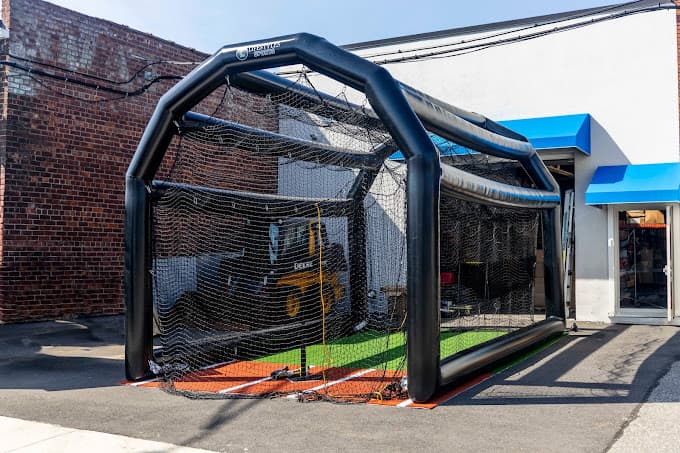
Inflatable Batting Cages: What They Cost, and Whether They Pay for Themselves
Inflatable batting cages run from $1,500 party units to $10,000 branded commercial builds, and only one manufacturer publishes a real price. What each tier costs, why $3,999 is not the price of a cage, and the booked hours it takes to pay one off.
6 min readRead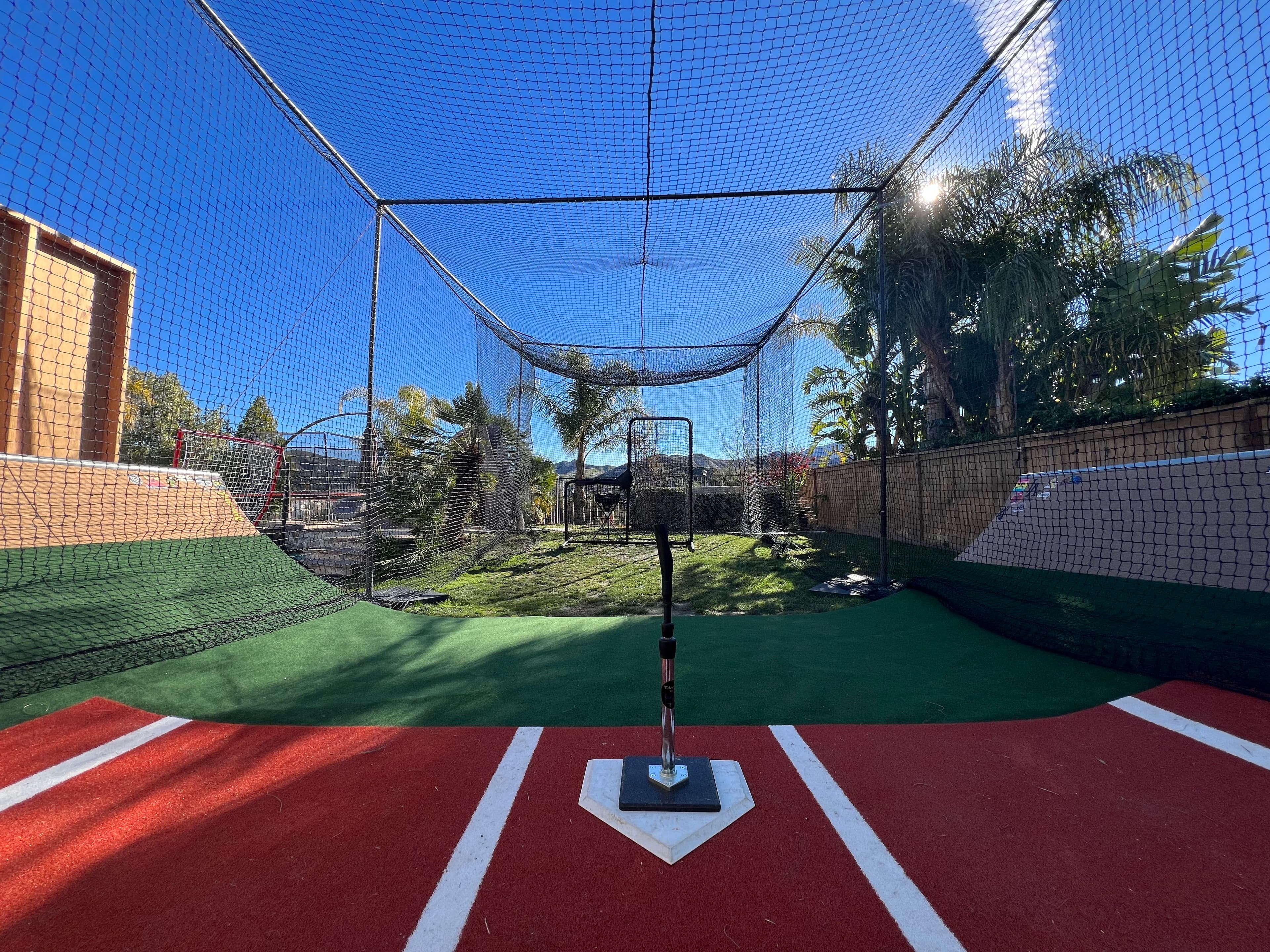
27 Types of Batting Cage: A Photo Field Guide to Every Backyard Setup in America
Barn conversions, driveway slivers, retractable tunnels, ranch cages and climate-controlled outbuildings. A photo field guide to 27 kinds of batting cage, built from 214 real bookable listings on CageList, with what each one costs and who it is for.
18 min readRead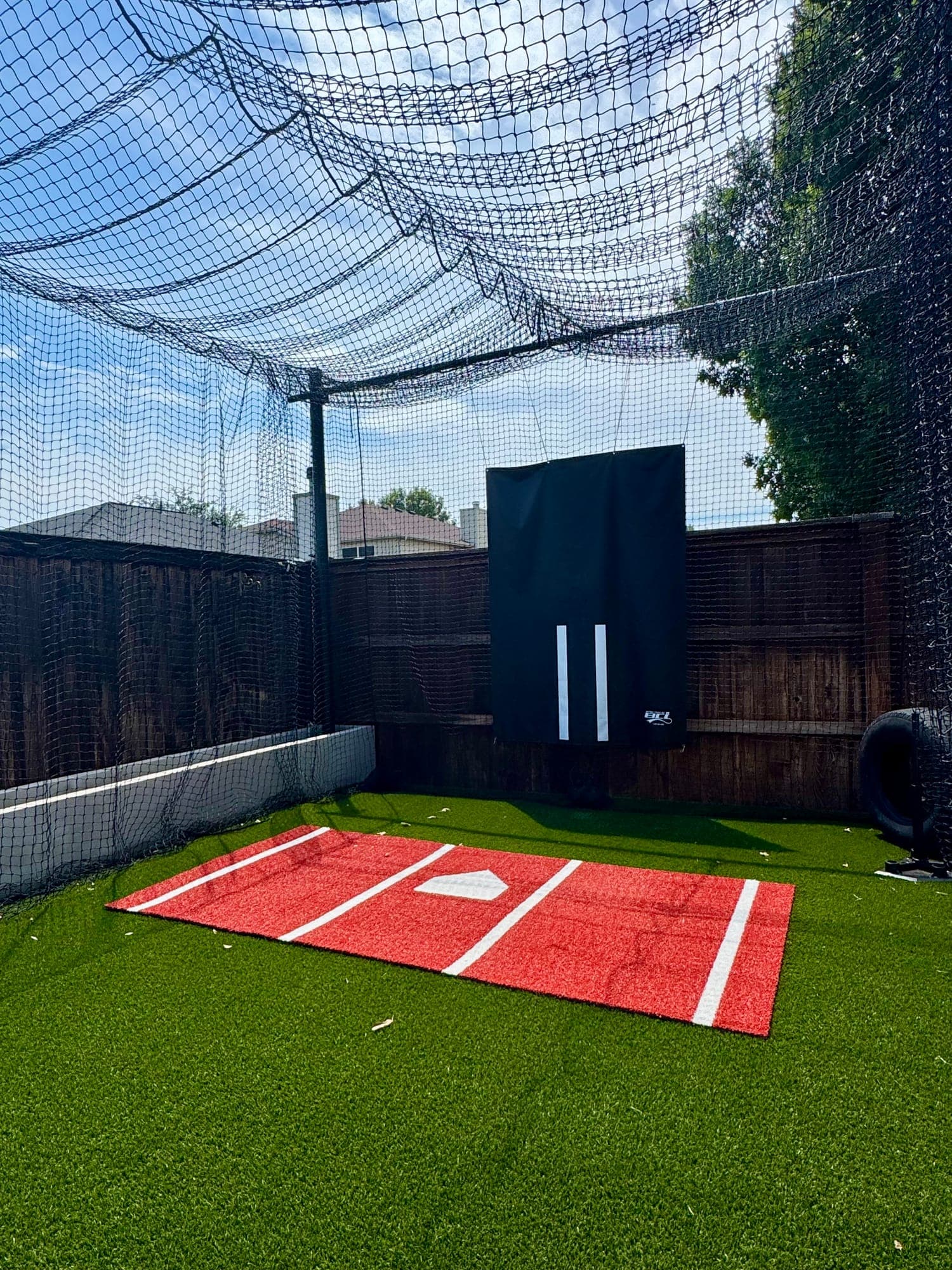
How Much Should You Charge to Rent Out Your Backyard Batting Cage?
Go too high and the calendar sits empty; too low and you leave money on the table. Here is the repeatable way experienced hosts price a backyard cage.
4 min readRead
Run a travel team? Get your free page.
Baseball or softball. Claim a free directory page, post tryouts, and share cagelist.com/@yourteam with families.
Find your league
Free directories of real leagues and clubs near you. Then book a batting cage to get your reps in before opening day.
1,417 organizations
 leagues in 49 statesAdult hardball near you: MSBL, NABA and independent leagues.Browse men's leagues
 leagues in 49 statesYouth baseball and softball leagues, organized by state.Browse little leagues
 programs in 41 statesTravel and club programs in your region. Find one, or list yours free.Browse travel teams
Join the backyard batting cage community
Talk builds, gear, hosting and player development with cage owners, coaches, parents and baseball families.