The L-screen, helmet, and catcher's gear every cage needs, in priority order, with how to choose each so nobody gets hurt taking reps.
Updated July 2026
A batting cage is a small space with a fast-moving ball, so safety gear isn't optional, and the piece people skip most is the one that matters most: the L-screen. This guide covers what every cage needs, in priority order, and how to choose an L-screen, helmet, and catcher's set that actually hold up.
Setting up a whole cage? See the build guide for the full picture. Here we focus on keeping everyone in it safe.
Screens and helmets are what keep cage time from ending in the ER.
What every cage needs, in order
Start at the top. If you buy nothing else, buy the L-screen.
L-screen (protect the thrower)
Must-have
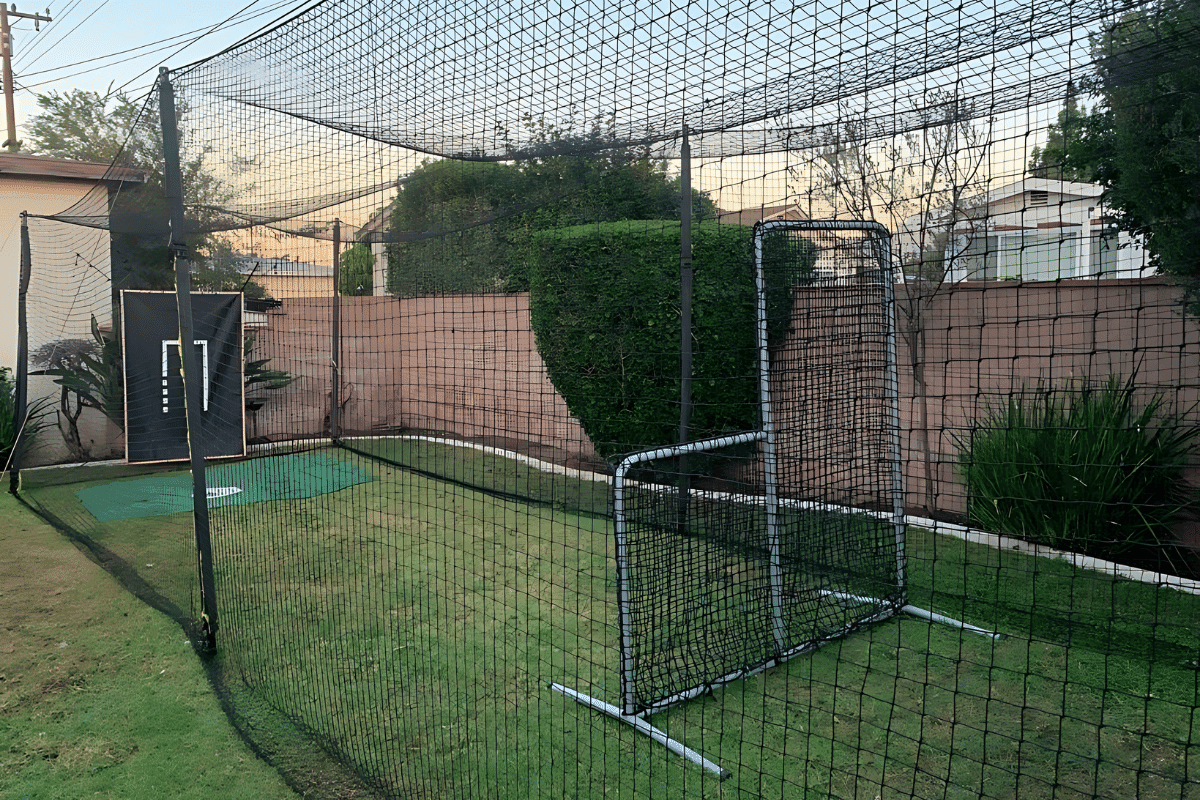
If anyone pitches, feeds a machine, or throws front toss in your cage, an L-screen is non-negotiable. The L-shaped cutout lets the thrower release the ball, then instantly shields them from the line drive coming back. It's the #1 safety item in any cage and the one people skip until someone gets hurt.
What to look for: A sturdy metal frame, a full-size 7x7 (or 7x5) net, and a cutout on the correct side for your throwing hand. Heavier frames survive hard line drives; lighter ones move more and wear faster.
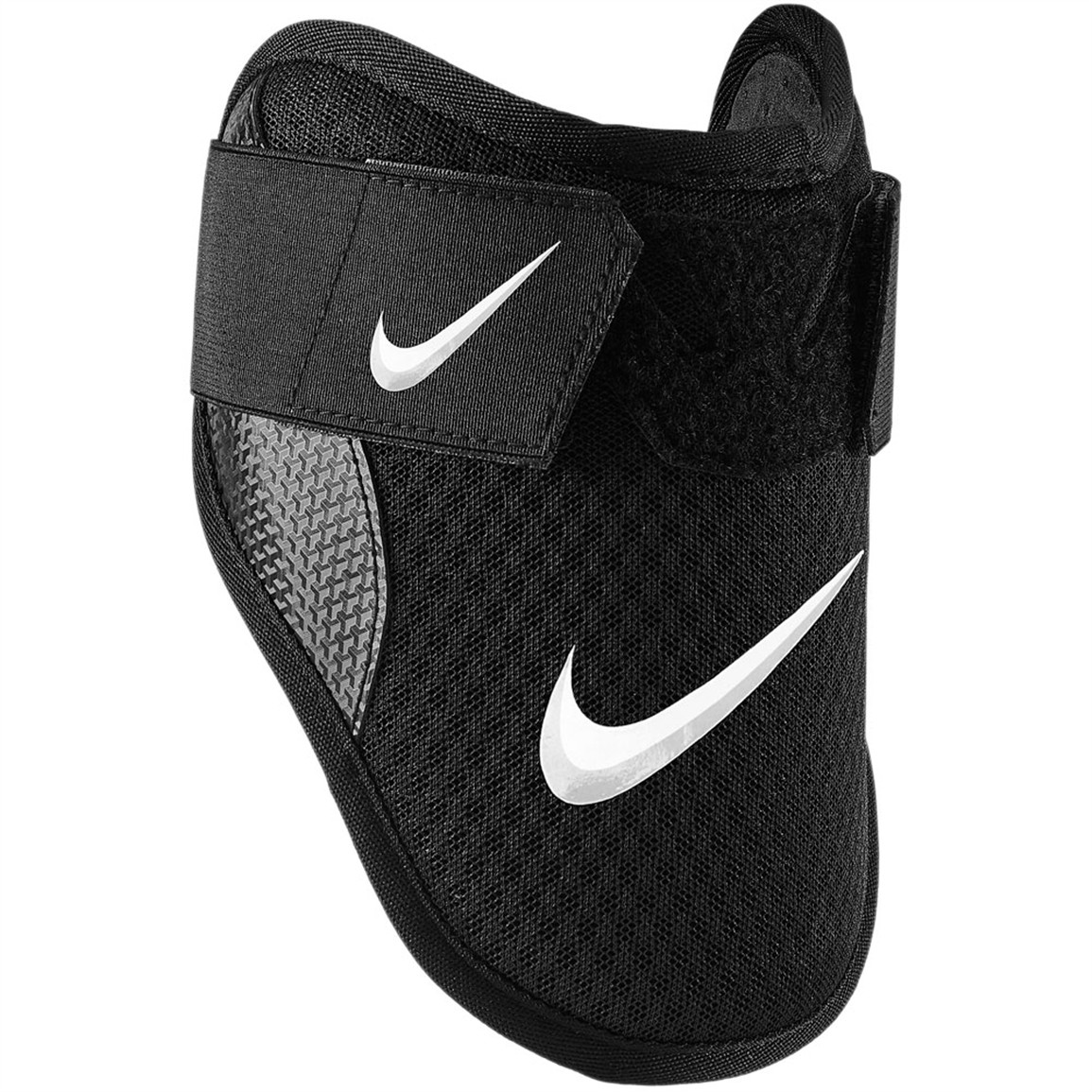
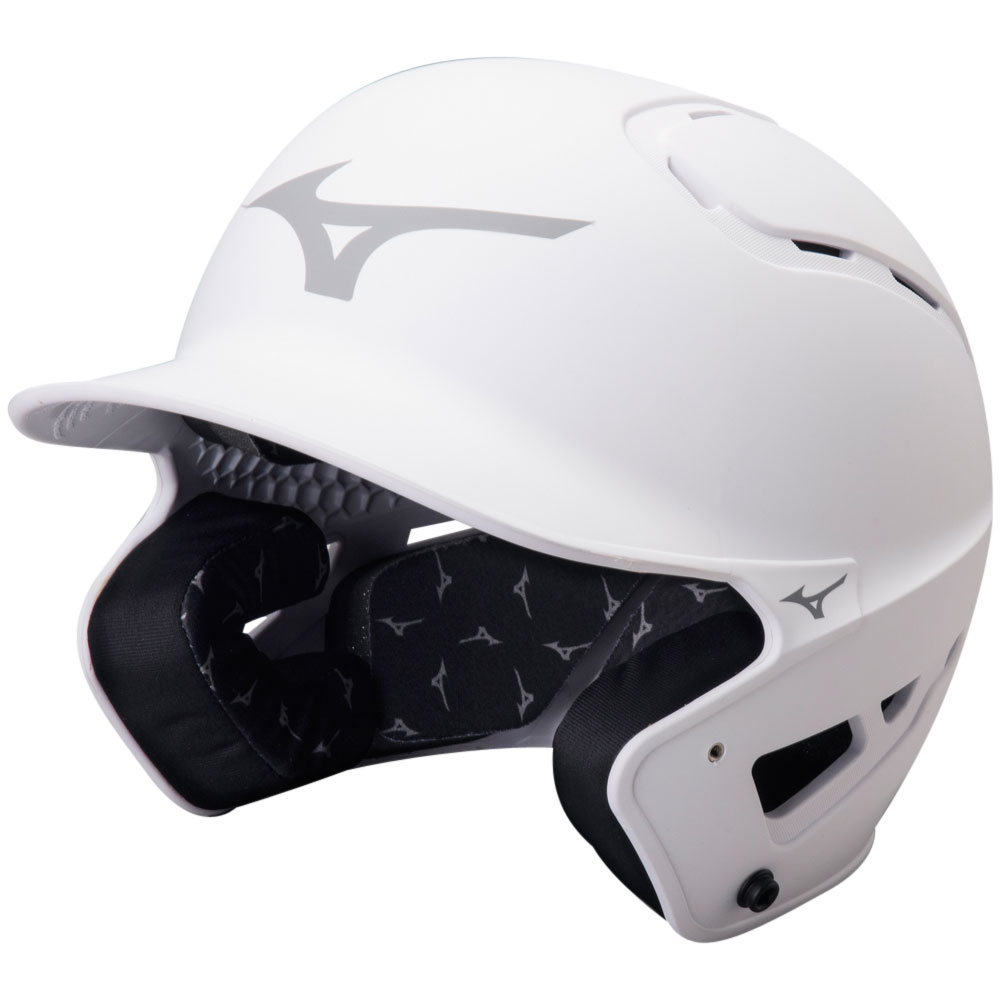
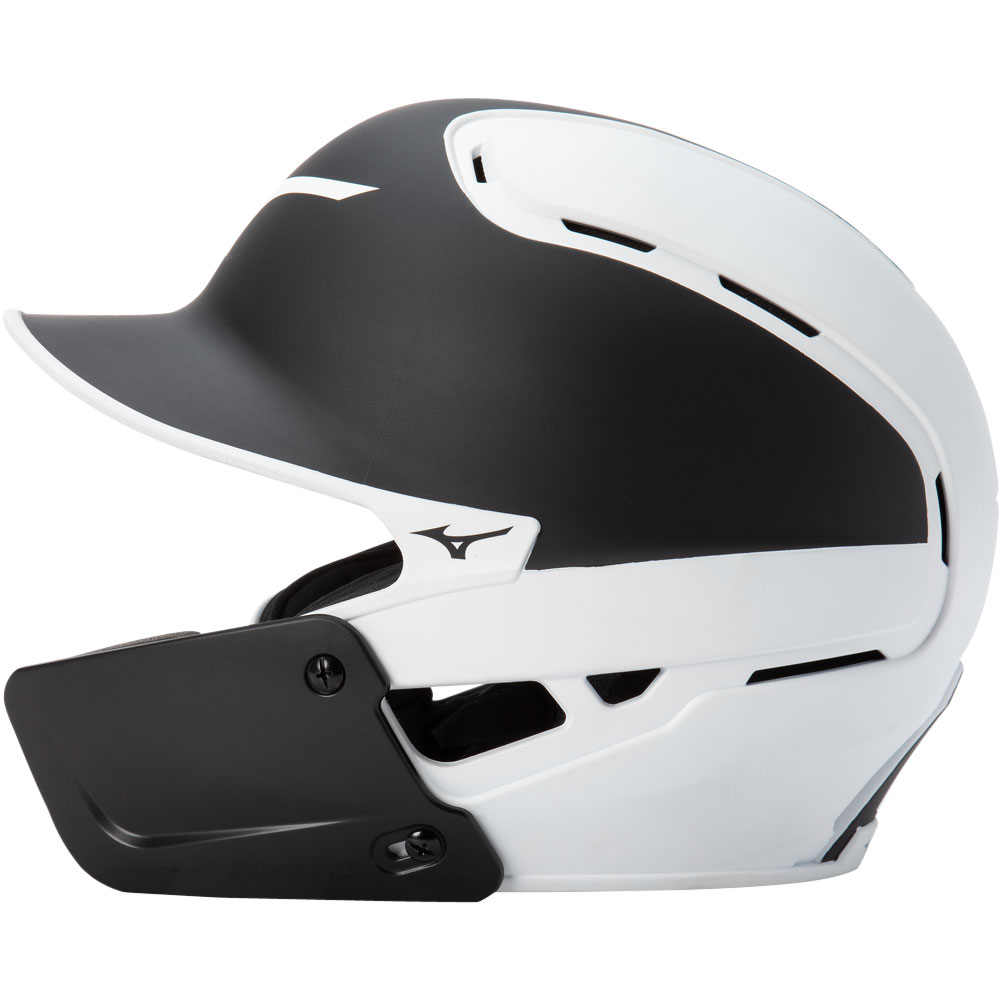
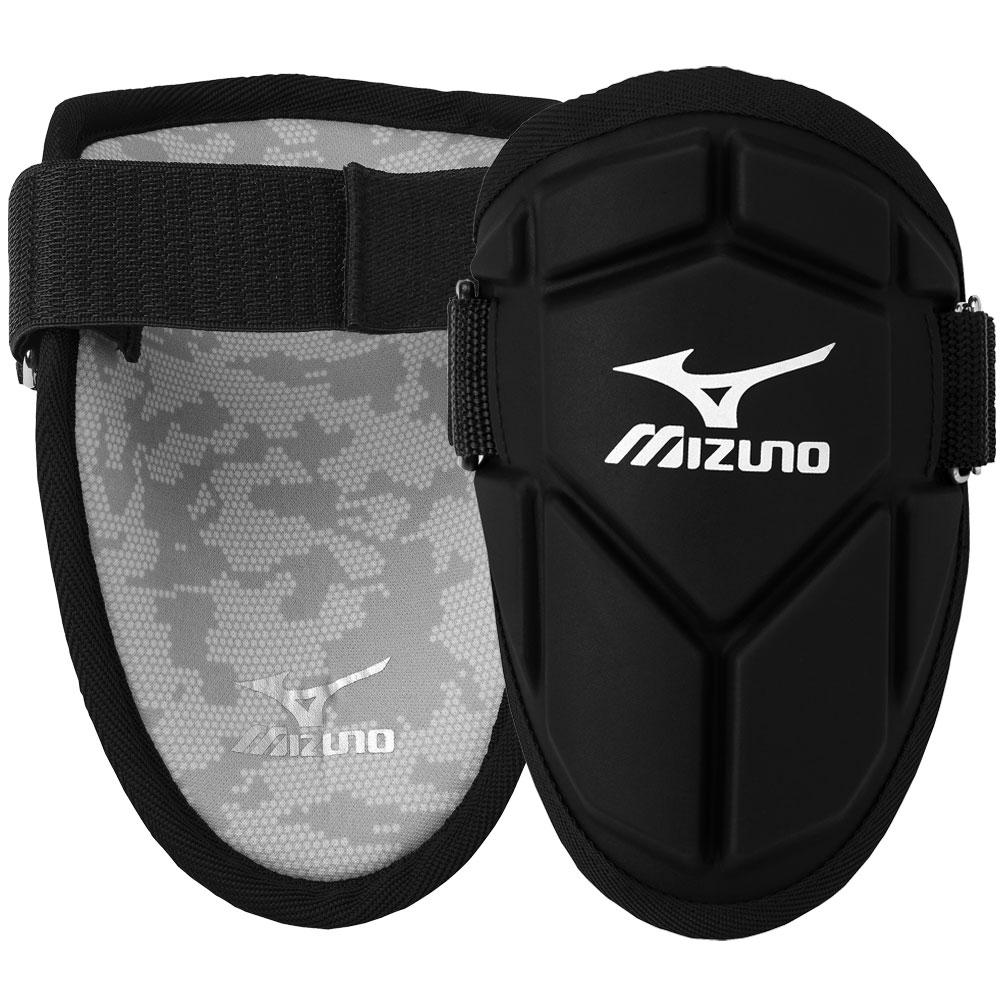
Every hitter in a cage should wear a helmet; machine misfires and ricochets happen. For young players, a light, well-vented helmet they'll actually keep on matters more than anything fancy.
What to look for: Proper fit for the player's head size, good venting for comfort, and the right certification for your league level.
Choosing an L-screen
Size: 7x7 vs 7x5
A 7x7 screen gives the most coverage and is the safest general choice for machine feeding and live BP. A 7x5 is lighter and easier to move but leaves a little more exposed; fine for lighter use, less ideal for hard throwers.
Frame strength
The frame takes the abuse. Thicker, welded metal frames survive repeated hard line drives and stay put; thin frames flex, walk, and bend over time. For a cage that sees regular machine or live BP, buy the heavier frame.
Net & cutout side
Check the net is a durable, replaceable panel and that the L-cutout is on the correct side for your throwers (it should shield the arm after release). Some screens are reversible; confirm before you buy.
Stability
A screen that slides after every pitch is a hazard. Look for a wide base, sandbag tabs, or ground stakes so it stays exactly where you set it during a session.
Batting cage safety gear FAQ
What safety gear does a batting cage need?
At minimum, an L-screen to protect anyone pitching or feeding a machine, and a batting helmet for every hitter. If the cage is used for live catching, add a full catcher's set. The L-screen is the single most important item; never run machine or live BP without one.
What size L-screen should I get?
A 7x7 L-screen gives the most coverage and is the safest general choice for machine feeding and live batting practice. A 7x5 is lighter and more portable but leaves slightly more of the thrower exposed, so it's better for lighter use. Prioritize a sturdy metal frame either way.
Do I really need an L-screen for a home cage?
Yes, if anyone throws or feeds a machine from in front of the hitter. A batted ball comes back faster than most people can react, and the L-screen is what stands between the thrower and a line drive. It's the one piece of cage safety gear you should never skip.
Should I buy a catcher's set as a kit or piece by piece?
For most players, a matched set (helmet, chest protector, leg guards) sized to the player is the simplest, best-value choice: the pieces are designed to work together and fit consistently. Piece it together only if you have specific sizing or preference needs.
What batting helmet is best for youth players?
For young hitters, prioritize correct fit, light weight, and good venting so they'll actually keep it on, along with the right certification for your league. A comfortable helmet that gets worn every rep beats a heavier one that gets left off.
Safety Gear Worth Buying
L-screens, batting helmets, and catcher's sets pulled live from the CageList gear store. Start with the L-screen.
Affiliate disclosure: As an Amazon Associate, CageList earns from qualifying purchases.
If your cage is used for live bullpen work with a catcher, a full set (helmet, chest protector, leg guards) is essential. Buy it as a matched set sized to the player rather than piecing it together.
What to look for: A complete, correctly-sized youth or adult set with a hockey-style helmet for full coverage.