
Someone in a group of former pro players — guys who've actually lived this — asked a great question the other day: "What does being named to an MLB Draft board actually mean?" The fact that even ex-players ask it tells you how much mystery surrounds the draft. So let me demystify it in plain English.
The "draft board" isn't one thing
When people say a player was "named to an MLB Draft board," they usually mean one of a few different things, and they are not equal.
A team's internal draft board
Every MLB club builds a private, ranked list of every player they'd consider drafting — sometimes hundreds deep. If a scout tells a kid he's "on our board," it means the organization has evaluated him and he's in their ranked pool of draftable talent. That's real and meaningful: pro scouts have eyes on you. But it's internal, it's fluid, and being on one team's board at number 400 is very different from being a consensus top-100 prospect.
Public draft boards and rankings
Then there are the public boards — MLB Pipeline, Baseball America, and the mock drafts you see online. Getting "named" to one of these means the national media evaluators think you're draftable or notable. It's great for exposure, but it's a projection, not a promise. Plenty of players ranked on public boards go undrafted, and plenty of unranked players get picked.
Actually being drafted
And finally there's the real thing: being selected in the MLB Draft. That's the one that changes your life. Everything before it — internal boards, public rankings, showcase invites — is just the long runway that leads there.
How players actually get on a board
Scouts build their boards from a few sources: showcase events, travel ball and high school games, college performance, and increasingly, data — velocity, exit velocity, spin rates, and the measurables that pop on a radar gun and TrackMan. The through-line is simple and unglamorous: you get on a board by performing where scouts can see you, over and over, against real competition.
The part nobody wants to hear
Here's the truth I'd tell any young player or parent asking about draft boards: obsessing over the board is backwards. The board is a byproduct. It's what happens when you've put in enough quality reps that your tools show up on tape and on the gun. Nobody scouts their way onto a board — they hit, throw, and run their way on.
That's the whole reason I care so much about access to reps. The kids who climb boards are the ones who got thousands more quality swings and throws than everyone else — not always because they were more talented, but because they had somewhere to work. Finding consistent cage time to get those reps is one of the least glamorous and most important parts of the entire journey.
So what should you do with this?
If a scout tells you you're on their board, take it as real encouragement and keep grinding — nothing is guaranteed. If you're on a public ranking, enjoy the exposure but don't read your whole future into it. And if you're chasing the board in the first place, flip your focus: put your energy into getting better where it's measurable, keep playing in front of scouts through travel and showcase teams, and let the board take care of itself.
The guys who make it aren't the ones who talked about draft boards. They're the ones who out-worked everyone in the cage. If you want to find a place to put in that work, that's exactly what we built CageList for.
Turn the talk into reps
Every one of these comes back to the same thing: getting on the field and putting in the work. Find cage time near you and go do it.
Related Guides
View all articlesIdle Cage Hours: The Hidden Waste in Youth Baseball
Thousands of batting cages sit empty most of the week while families drive across town for reps. A look at youth baseball’s biggest missed opportunity.
4 min readRead
Hustle Ball: The Missing Middle Between Little League and Travel Ball
Hustle Ball sits between Little League and travel ball. I made it up with tennis balls in 2020. Here is why, how a session runs, who it fits, and how another coach could run it.
7 min readRead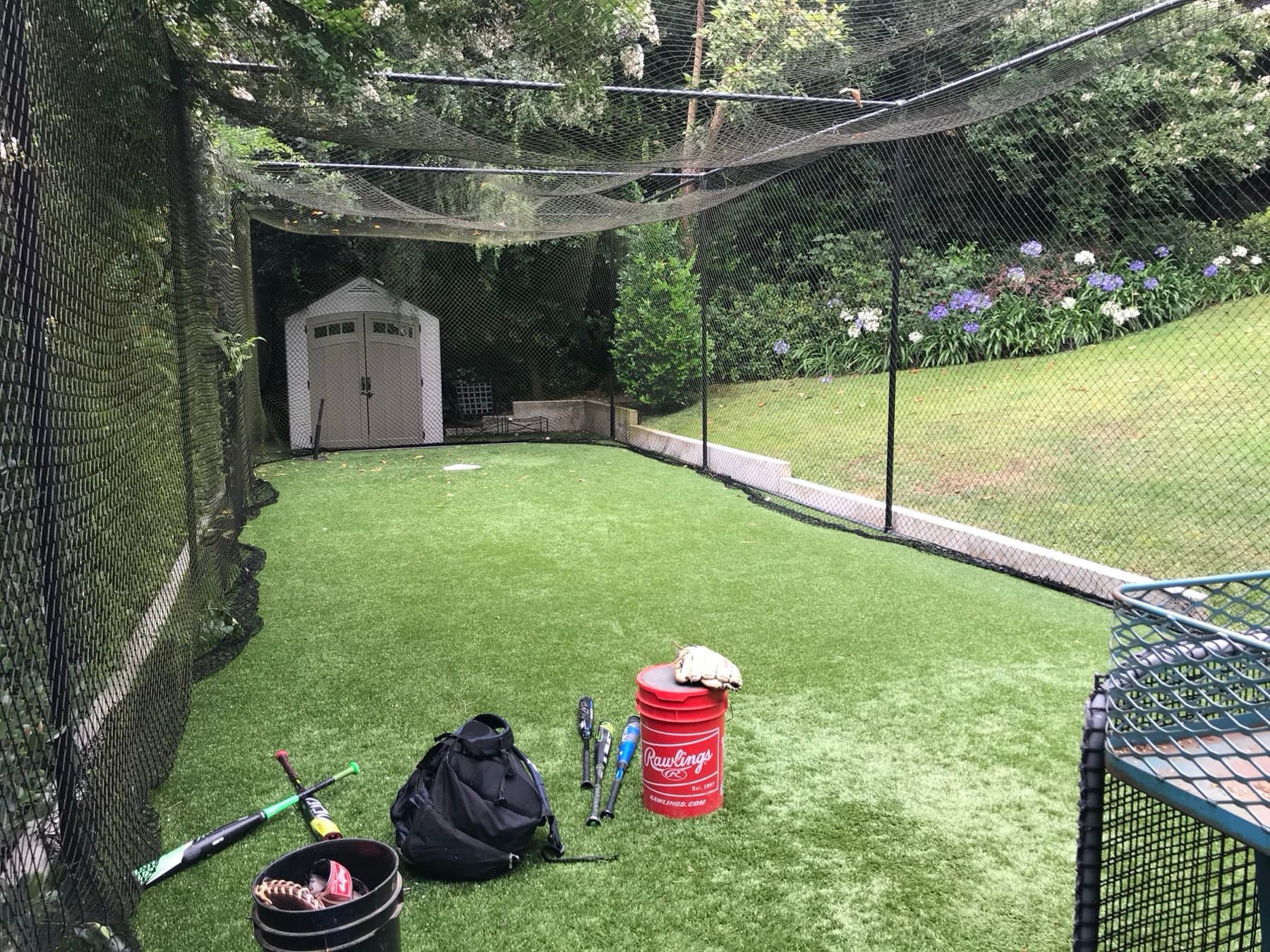
College Baseball Transfer Portal: What Parents Should Know
Division I rosters are capped at 34 at settlement schools, transfers who meet academic rules play right away, and the MLB draft is 20 rounds. What changed as of October 2026.
7 min readRead
Run a travel team? Get your free page.
Baseball or softball. Claim a free directory page, post tryouts, and share cagelist.com/@yourteam with families.
Find your league
Free directories of real leagues and clubs near you. Then book a batting cage to get your reps in before opening day.
1,416 organizations
 leagues in 49 statesAdult hardball near you: MSBL, NABA and independent leagues.Browse men's leagues
 leagues in 49 statesYouth baseball and softball leagues, organized by state.Browse little leagues
 programs in 41 statesTravel and club programs in your region. Find one, or list yours free.Browse travel teams
Join the backyard batting cage community
Talk builds, gear, hosting and player development with cage owners, coaches, parents and baseball families.