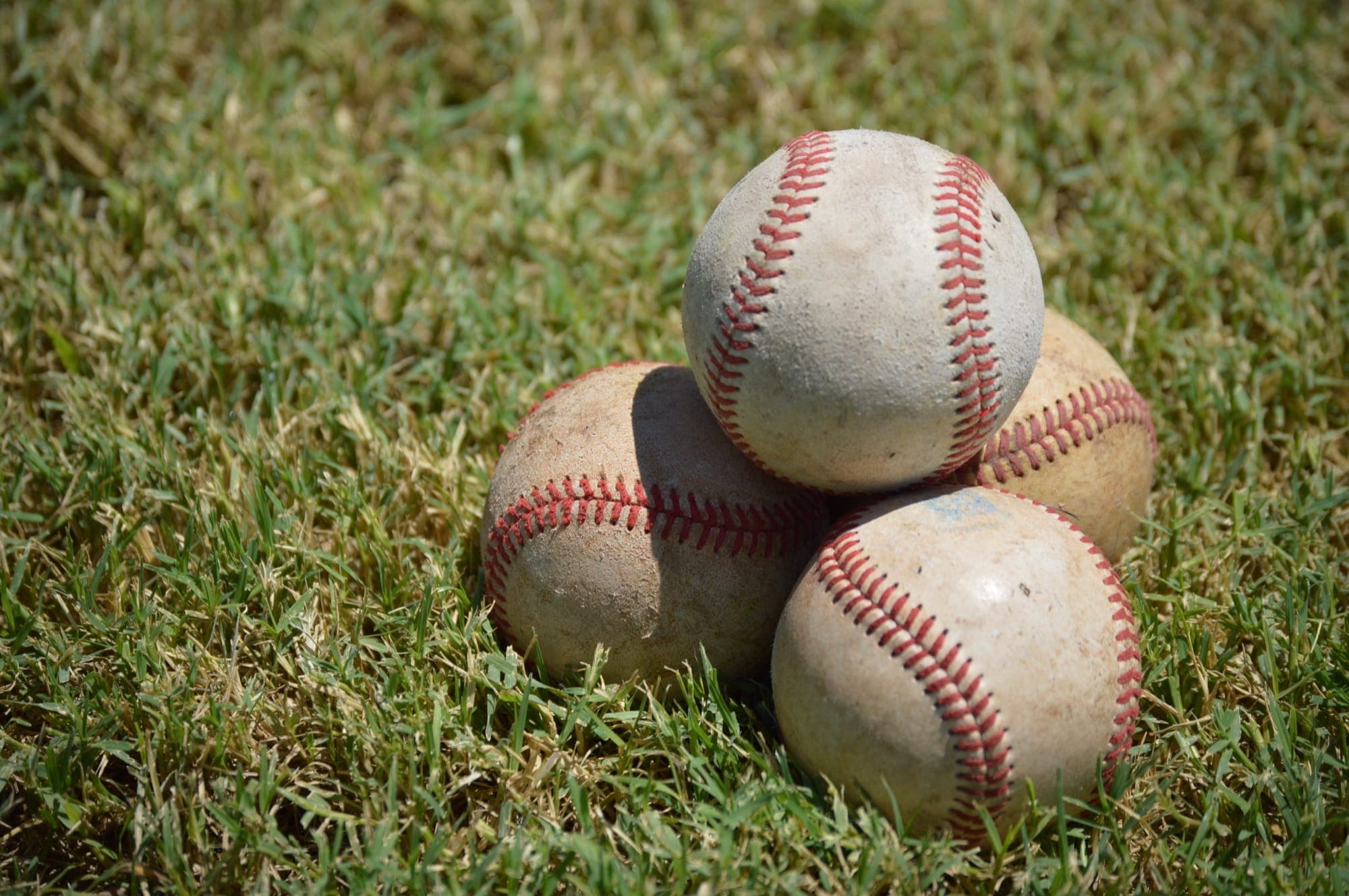
"Soft baseball" covers everything from a foam ball to a barely-softer leather trainer, and the right one depends entirely on the age and the drill. Too soft and older kids get bored; too hard and young kids flinch. Here's the ladder, softest to hardest.
Foam (ages 3–6, indoors)
Foam baseballs are for the living room, the garage, and the nervous first-timer. They won't break a lamp or a nose, so a young kid can swing freely and learn contact without fear. Perfect for indoor soft toss.
Tennis balls (every age — the secret weapon)
Cheap tennis balls are the most underrated trainer in baseball. Bounce them off a wall for reaction work, play barehanded catch to build soft hands, and have a coach hit high pop-ups with a racket. Every young player should use them daily.
Lite-Flite and soft-strike (ages 5–9)
The sweet spot for youth practice: Lite-Flite and soft-strike balls fly true and look like a real baseball, but land soft enough to hit off a tee, take live BP, or feed a machine without anyone flinching.
Reduced-injury (ages 9–12, machines)
As players get older and start facing machines, step up to durable reduced-injury training balls. They survive machine feeding and hard contact while staying safer than a full leather ball.
Leather (12+ and game prep)
Eventually, real reps need a real ball. A dozen leather practice baseballs feel like the game and prepare hitters for live pitching. Save them for when a player is ready — and keep them out of wet grass.
And the backyard classic
Don't forget a pack of Wiffle balls — the cheapest backyard fun there is, and a genuinely great way to learn to track spin.
The rule of thumb: match the ball to the age and the drill, and always err softer with young kids. Confidence at the plate is built by never being afraid of the ball. New to youth gear? Start with our beginner buying guide.
Some links above are affiliate links; CageList may earn a small commission at no extra cost to you.
Shop This Guide
CageList picks that match what this article covers. No extra searching required.
Affiliate disclosure: As an Amazon Associate, CageList earns from qualifying purchases.


Build a better cage setup with the right equipment
Compare cage upgrades with practical advice for nets, turf, pitching machines, balls, and safety gear.
Related Guides
View all articles
Buying a JUGS Machine Online? Here's How to Tell a Real Dealer From a Reseller
Not every JUGS listing online is what it looks like. Here's how to tell an authorized dealer from a reseller before you spend $2,000+ on a pitching machine.
3 min readReadJUGS BP1 vs BP2 vs BP3 vs mini3: Which One Fits Your Cage
JUGS BP1, BP2, BP3, and mini3, compared on the numbers that actually matter: real pitch speed range and weight, straight from JUGS's own spec pages.
4 min readRead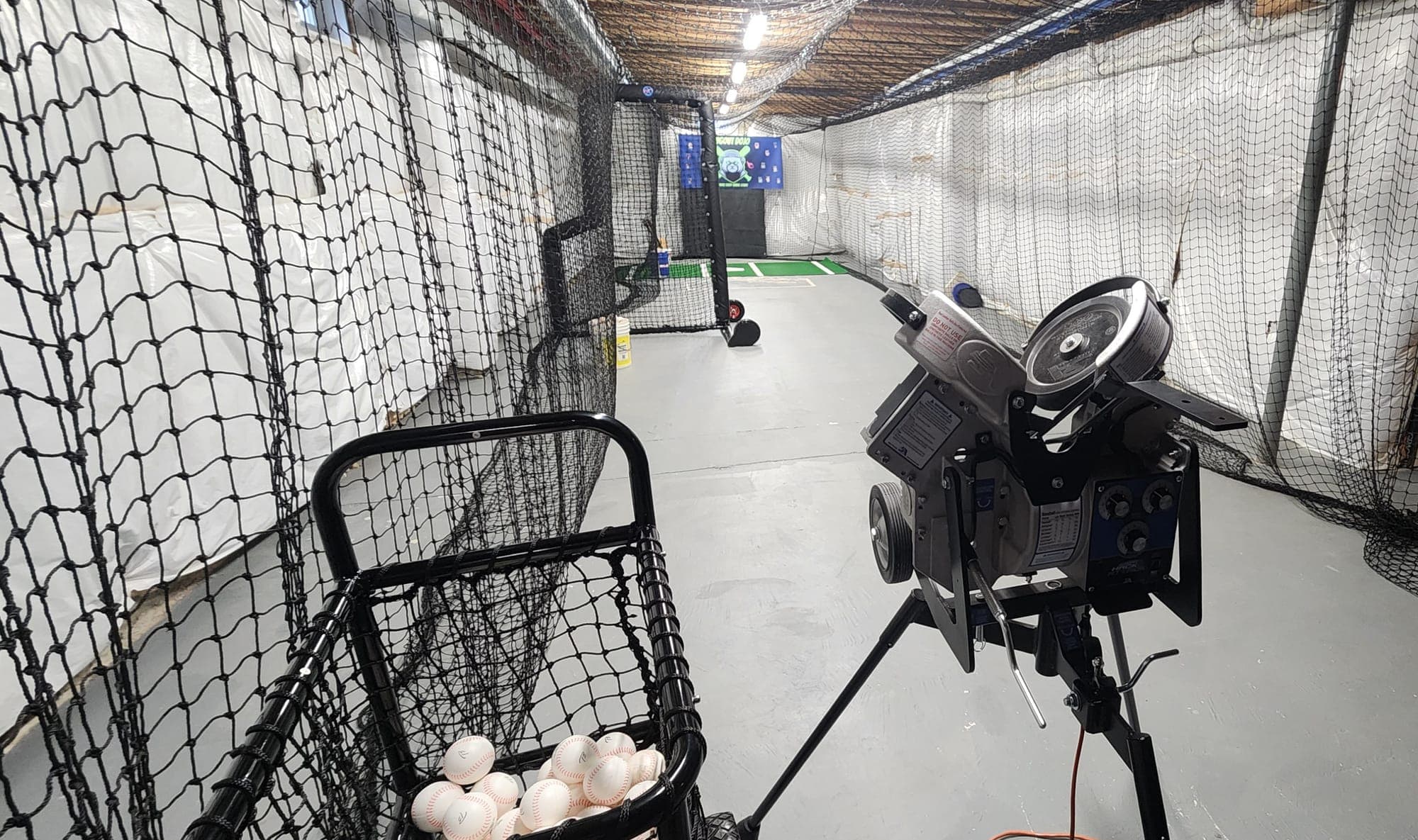
SKLZ Pitching Machine Review: Worth It at $80?
The SKLZ Pitching Machine is one of the cheapest real auto-feed machines on the market. Here is an honest look at what $80 gets you, the rest of the SKLZ lineup, and how it compares to Heater Sports Crusher and Personal Pitcher Pro.
6 min readRead
Run a travel team? Get your free page.
Baseball or softball. Claim a free directory page, post tryouts, and share cagelist.com/@yourteam with families.
Find your league
Free directories of real leagues and clubs near you. Then book a batting cage to get your reps in before opening day.
1,416 organizations
 leagues in 49 statesAdult hardball near you: MSBL, NABA and independent leagues.Browse men's leagues
 leagues in 49 statesYouth baseball and softball leagues, organized by state.Browse little leagues
 programs in 41 statesTravel and club programs in your region. Find one, or list yours free.Browse travel teams
Join the backyard batting cage community
Talk builds, gear, hosting and player development with cage owners, coaches, parents and baseball families.