At some point every serious hitting family asks the same question: should we just buy our own pitching machine? A good one isn’t cheap, and the answer isn’t automatic. Before you drop hundreds or thousands of dollars, it’s worth running the real math — and considering whether renting cage time when you need it gets you the same reps without the commitment.
What a machine really costs
The sticker price is just the start. A quality machine runs from a few hundred dollars for an entry-level model to several thousand for a three-wheel unit. Then add the things nobody mentions: a bucket of dedicated machine balls, a net or cage to hit into safely, somewhere to store a heavy machine out of the weather, and ongoing maintenance. For a lot of families, the true cost of “owning a machine” is nearly double the price on the box once you outfit around it.
There’s also the depreciation nobody wants to think about. Machines wear out, models get superseded, and a used one sells for a fraction of what you paid — if you can find a buyer at all. Unlike a bat your kid outgrows in a season and hands down, a pitching machine is a big, illiquid asset that mostly sits in a garage. That’s worth weighing honestly before you buy.
The case for renting instead
Here’s what most people don’t realize: thousands of backyard and facility cages already have great machines — and their owners rent them out by the hour. If your hitter needs live reps once or twice a week, booking a nearby cage that already has a quality setup often costs a fraction of buying, with none of the storage or upkeep. You show up, hit, and leave the maintenance to someone else. For most families, renting cage time covers the need completely. And because you’re only paying for the hours you actually hit, your cost scales with how much you use it instead of sitting there as a fixed sunk cost.
When buying makes sense
Sometimes owning is the right call — usually when you have the space, the volume, and a hitter who’s in the cage several times a week year-round. If that’s you, buy at the level you’ll actually use: an entry machine like the Heater Sports Pro for younger hitters, a versatile three-wheel like the JUGS BP3 for changing speeds and pitch types, or a premium Hack Attack if you want game-realistic reps and plan to keep it for years.
Affiliate disclosure: As an Amazon Associate, CageList earns from qualifying purchases. Some links in this post are affiliate links — if you buy through them, CageList may earn a commission at no extra cost to you.
Buy smart, then offset the cost
If you do buy a machine and build a cage around it, there’s a way to make it pay for itself: open it up when you’re not using it. Your cage sits idle the vast majority of the week, and other families nearby are looking for exactly what you built. Listing your cage on CageList turns your machine from a pure expense into an asset that earns while you’re not hitting.
The bottom line
Owning a machine is a real commitment of money, space, and upkeep. For most hitters, renting cage time when you need it delivers the same quality reps with none of the overhead — and if you do buy, listing your setup can turn the cost back into income. Start by seeing what’s available to rent near you before you spend a dime.
Build a better cage setup with the right equipment
Compare cage upgrades with practical advice for nets, turf, pitching machines, balls, and safety gear.
Related Guides
View all articles
Batting Cage Equipment
SKLZ Pitching Machine Review: Worth It at $80?
The SKLZ Pitching Machine is one of the cheapest real auto-feed machines on the market. Here is an honest look at what $80 gets you, the rest of the SKLZ lineup, and how it compares to Heater Sports Crusher and Personal Pitcher Pro.
Batting Cage Equipment
Heater Sports Pro Pitching Machine Review: The Best First Machine?
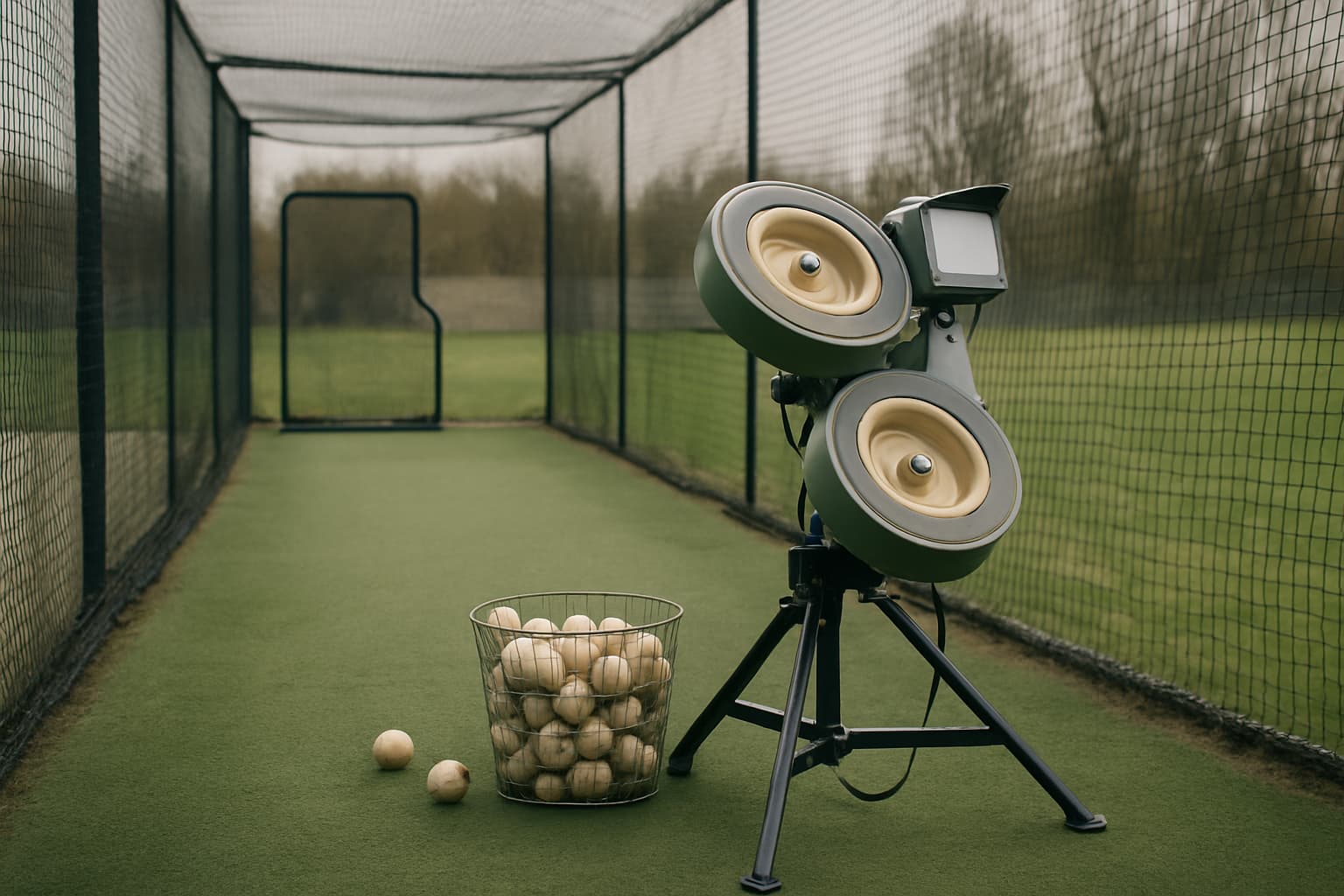
The Heater Sports Pro is one of the most common first pitching machines. Here is what its ~$500 price actually gets you, and how it compares to Louisville Slugger's Blue Flame and the Zooka ZS740.
Batting Cage Equipment
JUGS BP3 Review: The Pitching Machine That Actually Earned Us a Sale
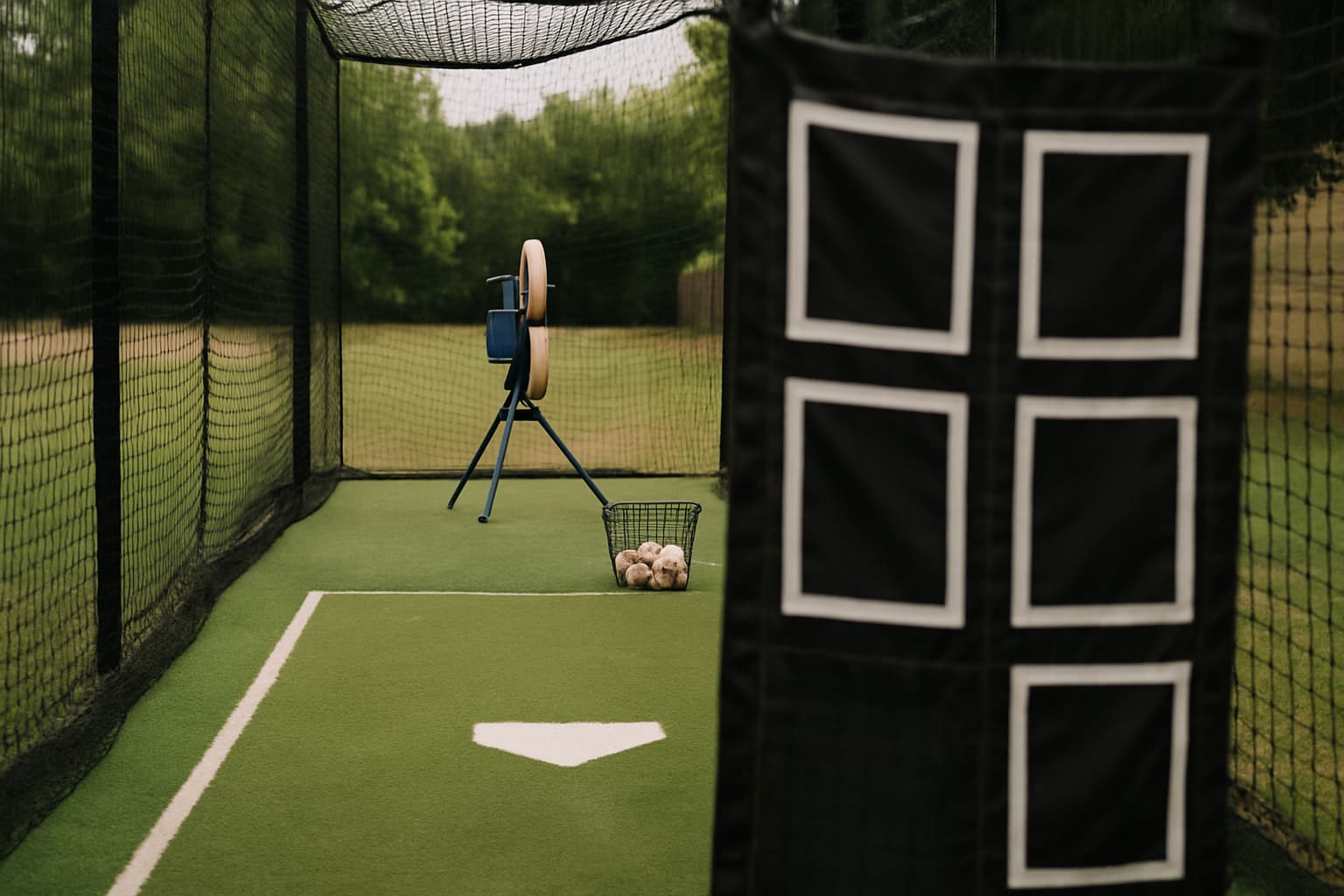
The JUGS BP3 is the first pitching machine that earned CageList a real, confirmed commission. Here is what makes it different — Grip-Tite tires, automatic changeup switching, one-dial pitch selection — and how it compares to Hack Attack.
Run a travel team? Get your free page.
Baseball or softball. Claim a free directory page, post tryouts, and share cagelist.com/@yourteam with families.
Find your league
Free directories of real leagues and clubs near you — then book a batting cage to get your reps in before opening day.
1,000 organizations
Join the backyard batting cage community
Talk builds, gear, hosting and player development with cage owners, coaches, parents and baseball families.